
Choosing the right mini football ball depends entirely on where you plan to use it and who will be playing with it. While these scaled-down balls look similar at a glance, a model designed for technical footwork drills behaves very differently from one built for a toddler’s playroom or a quiet apartment living room. Selecting the wrong type can lead to scuffed walls, damaged floors, or a ball that splits at the seams after a few outdoor sessions. By matching the ball’s construction, weight, and material to your specific environment, you can ensure a safe, productive, and long-lasting playing experience.
Understanding Mini Football Sizes and Core Construction
To find the ideal mini football ball, you must first understand how these smaller models are sized and constructed. Standard footballs used in professional matches are Size 5, but mini footballs generally fall into Size 1 or Size 2 categories. A Size 1 ball, often referred to as a skills ball, typically has a diameter of about 13 to 15 centimeters. Size 2 balls are slightly larger, measuring around 18 to 20 centimeters in diameter. These smaller dimensions are designed to challenge a player’s precision or fit comfortably within the smaller hands and feet of young children.
The internal and external construction of a mini football ball dictates its performance and durability. High-quality mini balls mimic full-sized match balls, featuring synthetic leather panels that are either machine-stitched, hand-stitched, or thermally bonded around an inflatable bladder. Thermally bonded panels offer the highest water resistance and the truest flight path because they lack exposed seams. In contrast, recreational and indoor mini balls often bypass the inflatable bladder entirely, opting for solid foam, sponge-core, or molded rubber designs. These bladderless options do not require air pumps and cannot pop, making them highly resilient but less realistic in their bounce.
Products mentioned in this guide
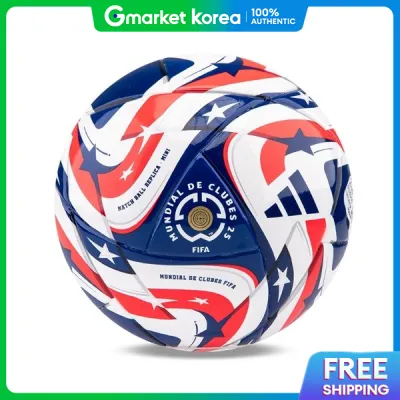

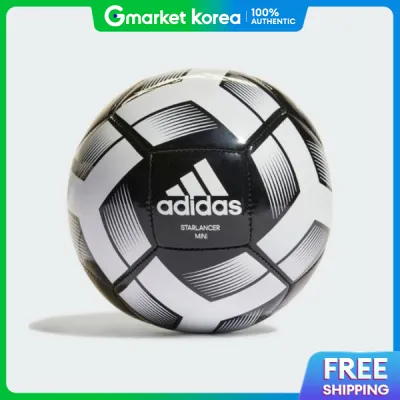
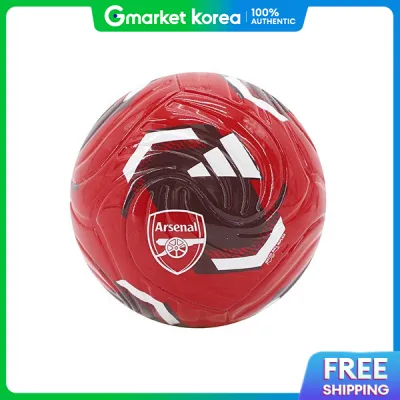
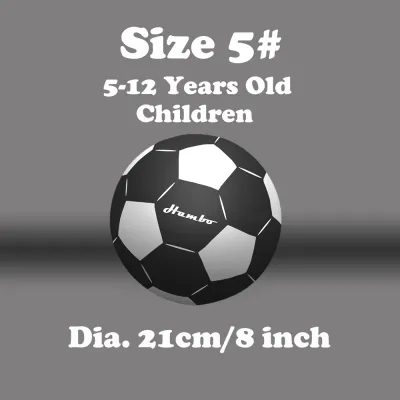
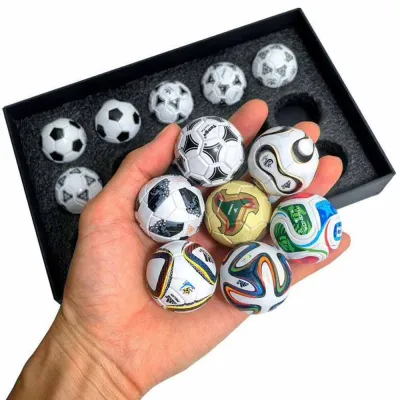
Prices are valid at publication and may change. Please refer to the product page for the latest price.
When browsing options on online marketplaces or in local sports shops, always check the product label for key material specifications. Look for the outer casing material, which is typically polyurethane (PU), polyvinyl chloride (PVC), rubber, or ethylene-vinyl acetate (EVA) foam. PU is softer and more responsive, making it the preferred choice for serious training. PVC is harder and highly durable, often used for budget-friendly recreational balls. Rubber and foam are excellent for high-impact play and indoor safety.
Finally, pay close attention to the manufacturer’s age and usage tags. These labels indicate whether a ball is certified as a toy for toddlers (which requires non-toxic materials and soft structures) or rated as a training tool for older youth and adults. Verifying these details on the packaging ensures you do not buy a rigid, heavy training ball for a toddler, or a fragile foam toy for intense footwork practice.
Key Features of a Mini Football Ball for Skill Training and Footwork Drills
For serious players and coaches, a mini football ball is an invaluable tool for developing close control, rapid reaction times, and precise footwork. Because the target surface area is significantly smaller than that of a standard Size 5 ball, training with a mini ball forces your brain and muscles to adapt to a much tighter margin of error. Every touch must be clean, and every pass must be perfectly centered. When you transition back to a full-sized ball, your control and confidence typically feel much sharper.

To get the most out of your technical drills, prioritize mini balls made with thermally bonded PU or high-quality PVC outer casings. These materials provide a consistent, predictable rebound off the ground and your foot, allowing you to practice repetitive juggling, wall passes, and rapid directional changes without erratic movements. Avoid cheap plastic casings that warp easily, as they will slide unpredictably on concrete or grass, ruining the rhythm of your drills.
The bladder material inside a training mini ball is equally critical. Look for a butyl bladder if low maintenance is your priority; butyl bladders retain air pressure for weeks, ensuring the ball maintains its shape and bounce between training sessions. If you prefer a highly sensitive, soft touch that mimics professional match balls, a latex bladder is an alternative, though it requires regular reinflation before each session.
Before purchasing a training ball, use this practical checklist to verify its suitability:
- Weight-to-Size Ratio: Ensure the ball feels solid enough to mimic a real football's resistance, rather than floating like a toy.
- Surface Texture: Look for a textured or micro-grooved outer casing, which provides essential grip for your shoes during complex footwork.
- Panel Alignment: Inspect the seams or bonding lines to ensure they are perfectly symmetrical, which guarantees a true, straight roll on flat surfaces.
Safe and Durable Options for Children's Play
When selecting a mini football ball for young children and toddlers, safety and engagement take precedence over realistic flight physics. Young players are still developing their motor skills and coordination, meaning they are highly susceptible to accidental impacts. A heavy, rigid training ball can cause painful stubs, bruises, or facial impacts, which can quickly discourage a child from playing.
To build early confidence and keep playtime fun, look for lightweight, soft-touch materials. Foam-backed PU casings offer a gentle compromise, providing a realistic ball structure while cushioning impacts. For toddlers and very young children, solid or hollow EVA foam balls are excellent choices. These soft rubber and foam options absorb shock completely, allowing children to kick, catch, and chase the ball without any risk of injury.
Another major benefit of foam-filled or non-inflatable mini balls is their low-maintenance design. Parents do not need to worry about finding a pump, replacing lost inflation needles, or dealing with flat balls left in the toy bin. These balls retain their shape indefinitely, making them ready for play at a moment’s notice.
Visual appeal is also crucial for keeping young minds engaged. Choose mini balls featuring high-contrast colors, bold geometric patterns, or playful graphics. These designs make it much easier for developing eyes to track the ball’s movement through the air or across the grass, helping children coordinate their kicks and catches more effectively.
Before handing any ball to a child, perform these essential safety checks:
- Valve Inspection: Ensure there are no protruding hard plastic inflation valves that could scratch soft skin.
- Seam Smoothness: Run your fingers along the seams to verify there are no sharp edges, exposed nylon threads, or rough stitching.
- Safety Labels: Check the packaging for recognized toy safety certifications to ensure the materials used are non-toxic and free from choking hazards.
Floor-Safe and Low-Bounce Balls for Indoor Environments
Playing football indoors presents unique challenges, particularly in Singapore’s urban landscape where many families live in close proximity within HDB flats or condominiums. Standard mini footballs can bounce erratically off furniture, scuff painted walls, and create a loud, disruptive thudding noise that travels easily through concrete floors to your neighbors below. To maintain peace at home and with your neighbors, you need a specialized indoor mini ball.
The primary feature to look for in an indoor mini football ball is a low-bounce or “futsal-style” design. These balls are engineered with heavier, dampening materials inside the core—often a dense fiber or foam filling—that actively absorb impact energy. Instead of launching into the air when kicked, a low-bounce ball stays close to the floor, allowing for controlled passing and dribbling within confined spaces without the risk of breaking household items.
To protect your flooring from permanent damage, pay close attention to the outer material. Avoid hard, dark rubber casings that can leave black scuff marks on light-colored ceramic tiles, vinyl, or laminate floors. Instead, choose non-marking rubber, soft felt, or high-density foam outers. These materials slide and roll smoothly across polished wood or parquet without scratching the protective sealant or denting the wood fibers.
Noise reduction is another critical factor for indoor play. Foam-core or sponge-filled mini balls are exceptionally quiet because the soft material dampens the sound of foot contact and wall impacts. While they do not roll as fast as a stitched PU ball, they allow kids or adults to practice light touches late into the evening without disturbing the household or neighbors.
When shopping for an indoor-compatible ball, look for labels explicitly stating “non-marking” or “low-rebound.” If you are purchasing in a physical store, a quick way to test the bounce is to drop the ball from chest height onto a hard floor; an ideal indoor or futsal-style mini ball should rebound no higher than your knees.
Cross-Scenario Compatibility: Can One Ball Do It All?
Many buyers wonder if they can save money and storage space by purchasing a single mini football ball that works perfectly for training, children’s play, and indoor recreation. While a single ball can technically be used across different settings, doing so always involves significant performance trade-offs that you must carefully weigh.
For instance, if you take a hard, high-rebound PU training ball indoors, you risk damaging your home’s interior, scuffing the floors, and creating a massive amount of noise. Conversely, if you take a soft, lightweight foam children’s ball outside for serious skill training, you will quickly find that it lacks the weight needed for realistic passing practice, floats unpredictably in the wind, and degrades rapidly when exposed to rough concrete or wet grass.
If you must choose a single “middle ground” option, look for a Size 2 thermally bonded PU ball with a standard inflatable bladder, inflated to a relatively low pressure. This configuration offers a decent, realistic touch for outdoor footwork drills and is durable enough to withstand outdoor surfaces. At the same time, the slightly larger Size 2 dimensions and lower inflation pressure make it soft enough for older children to play with safely, provided they use it in a spacious outdoor area or a highly controlled indoor setting. However, this hybrid option remains too bouncy and loud for unrestricted indoor play in small apartments.
To help you decide whether to buy dedicated models or a single hybrid ball, consider this simple decision framework:
- Choose Dedicated Balls if: You train seriously outdoors multiple times a week AND have young children or live in a quiet apartment building where indoor noise must be kept to an absolute minimum.
- Choose a Hybrid Ball if: Your primary goal is casual family play in open outdoor spaces like parks or void decks, where professional-grade training metrics and strict indoor noise limits are not a concern.
Cleaning and Storage Tips for Longevity
Singapore’s tropical climate, characterized by high humidity and frequent rain, can take a heavy toll on sports equipment. Without proper care, the materials of your mini football ball can degrade, adhesives can fail, and mold can quickly develop. Implementing a simple maintenance routine will significantly extend the lifespan of your ball.
After playing outdoors, always wipe down the ball with a damp microfiber cloth and a small amount of mild dish soap to remove dirt, sweat, and grass stains. Avoid using harsh chemical cleaners, bleach, or abrasive scrubbing pads, as these can strip away the protective outer coating of PU, PVC, or rubber, leading to premature cracking and peeling.
Once clean, allow the ball to air dry completely in a shaded, well-ventilated indoor area. Never leave a wet or damp ball inside a plastic bag or a dark closet, as this creates the perfect environment for mold and mildew to grow. Additionally, never leave your mini football in direct sunlight on a balcony or inside a hot vehicle; extreme heat can cause the air inside the bladder to expand, warping the ball’s shape, and can melt the adhesives holding thermally bonded panels together.
For long-term storage, especially with inflatable models, consider inserting a lubricated inflation needle into the valve to release a small amount of air pressure. This relieves tension on the stitched or bonded seams, preventing them from stretching over time. Store all your sports balls in a cool, dry cabinet or mesh gear bag to ensure they remain in peak condition for your next session.
Frequently Asked Questions (FAQ)
What is the exact circumference of a mini football?
A standard mini football ball varies slightly by manufacturer, but Size 1 balls generally have a circumference of 40 to 43 centimeters, while Size 2 balls measure between 46 to 48 centimeters. In comparison, a standard adult Size 5 match ball has a circumference of 68 to 70 centimeters. Because sizing can vary slightly between brands, always verify the exact dimensions listed on the manufacturer’s product specification sheet before purchasing.
Can I use an indoor mini football on grass or artificial turf?
While you can physically use an indoor mini ball on outdoor grass or artificial turf, it is not recommended for long-term durability. Abrasive outdoor surfaces, dirt, and moisture will quickly wear down the soft felt, non-marking rubber, or exposed foam outers designed specifically for smooth indoor floors. For outdoor play, it is best to stick to durable PU or PVC casings that are engineered to withstand rougher elements.
Community discussion
Share your experience or ask a question. Comments are reviewed before publication.