
Quick Answer: Matching Mizuno Gloves to Your Sport
Selecting the right Mizuno gloves depends entirely on your specific sport, as each discipline demands a distinct balance of protection, grip, and flexibility. Goalkeeping gloves are built with thick latex palms and optional finger spines to absorb high-velocity ball impacts. Batting gloves utilize thin, tactile leather to maximize bat feel while shielding hands from friction and sting. Cycling gloves feature strategically placed gel or foam padding to damp road vibrations and prevent nerve compression during long rides.
Using the wrong glove can compromise your safety and performance. For instance, a batting glove lacks the impact absorption required to stop a soccer ball, while a bulky goalkeeper glove prevents you from safely gripping a bicycle handlebar or baseball bat.
| Sport | Primary Glove Type | Key Protective Zone | Core Material to Verify |
|---|---|---|---|
| Football / Soccer | Goalkeeper Gloves | Palm cushioning & finger joints | Latex foam, finger spines |
| Baseball / Softball | Batting Gloves | Palm base & thumb joint | Cabretta leather, synthetic back |
| Cycling | Cycling Gloves | Ulnar/median nerve zones | Gel/foam padding, mesh backing |
Goalkeeping: Prioritizing Grip, Cushioning, and Weather Adaptability
Goalkeeper gloves serve as the primary barrier between your hands and a fast-moving soccer ball. When evaluating Mizuno goalkeeper gloves, the palm material is the most critical factor determining grip and durability. Look for high-grade latex formulations on the product specifications. Soft, professional-grade latex offers exceptional grip in dry conditions but wears down quickly on abrasive artificial turf. For hard ground or training sessions, verify if the glove uses a reinforced or synthetic-blend latex designed to withstand repetitive friction.
Products mentioned in this guide
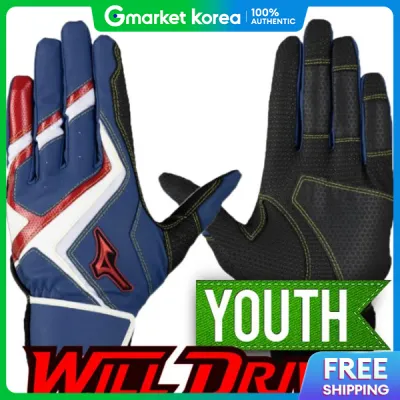
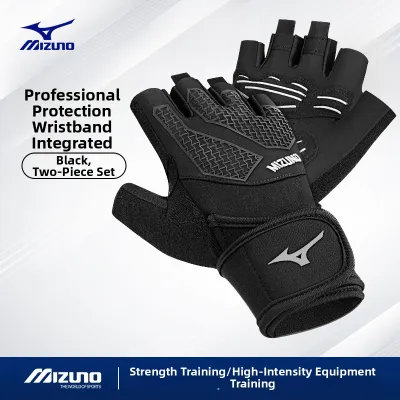
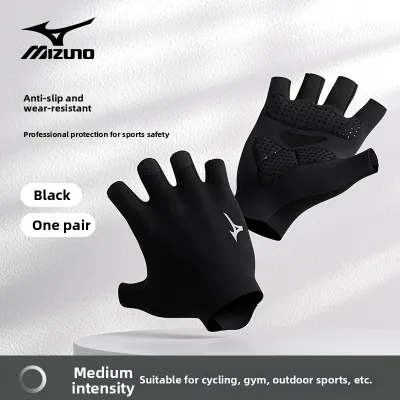
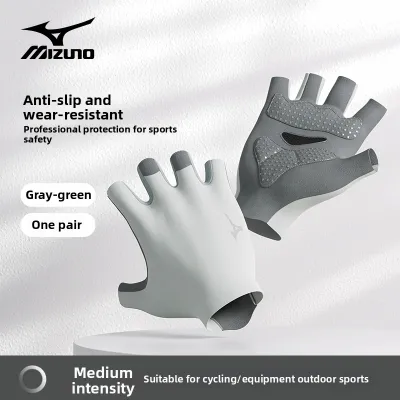
Prices are valid at publication and may change. Please refer to the product page for the latest price.

Finger protection is another vital consideration, especially for younger players or those recovering from injury. Many models feature finger protection systems, often referred to as spines or finger saves, inserted into the backhand. These plastic supports allow your fingers to flex forward to make a fist but prevent them from hyperextending backward when blocking powerful shots. Check whether the spines are removable; customizable spines allow you to take them out of fingers where you prefer maximum flexibility while keeping them in place for vulnerable joints.
Weather adaptability dictates how well your gloves perform under varying pitch conditions. For wet weather, inspect the product label for specialized aqua-latex palms, which maintain their tackiness when saturated. Conversely, if you play primarily in hot, dry conditions, prioritize gloves featuring breathable mesh gussets between the fingers and a ventilated backhand. Proper airflow prevents sweat buildup inside the glove, which can cause your hands to slip and compromise your control during critical saves.
Batting: Balancing Impact Protection, Flexibility, and Bat Feel
In baseball and softball, batting gloves are essential for maintaining a secure hold on the bat and minimizing the painful sting of off-center hits. The placement and thickness of padding are key features to check. High-impact zones, such as the base of the palm and the area between the thumb and index finger, require targeted padding to absorb high-speed vibrations from the bat handle. Verify that the padding is dense enough to damp shock without being so thick that it alters your natural grip diameter.
Material flexibility is paramount for maintaining an unobstructed bat feel, which directly influences your swing mechanics. Premium batting gloves often feature genuine cabretta leather on the palm, valued for its soft texture, natural stretch, and close-contact feel. Synthetic alternatives are also common and offer excellent durability and weather resistance. Ensure the back of the hand incorporates stretchable mesh or neoprene panels over the knuckles, allowing your hand to close naturally around the bat handle without binding or pulling.
The wrist closure system provides the final element of stability and support. Look for wide, adjustable hook-and-loop straps that secure tightly around the wrist. A secure closure prevents the glove from shifting during high-velocity swings and offers mild compression support to the wrist joint. Check that the strap does not pinch or restrict your range of motion, as a comfortable, locked-in fit is necessary for executing repetitive swings safely and consistently.
Cycling: Focusing on Shock Absorption, Breathability, and Control
Cycling gloves are engineered to address the unique physical demands of holding handlebars over extended periods and navigating diverse terrains. The primary focus of these gloves is shock absorption to protect the sensitive nerves in your palms. Look for gloves with strategically positioned gel or high-density foam inserts over the ulnar and median nerves. This padding helps distribute your upper-body weight evenly across the handlebars, reducing the risk of hand numbness and fatigue during long road rides or bumpy trail descents.
Given Singapore’s hot and highly humid climate, moisture management is a critical factor for local cyclists. Excess sweat can cause your hands to slip on the grips, leading to a dangerous loss of control. Verify that the gloves feature lightweight, breathable mesh panels on the backhand and moisture-wicking fabrics that pull sweat away from your skin. Half-finger designs are highly popular for local road cycling as they maximize ventilation while keeping your palms protected.
Grip enhancements and practical features round out a high-quality cycling glove. Check the palms and fingers for silicone print patterns, which provide reliable traction on brake levers and handlebar tape, even when wet. Additionally, look for convenient details such as a soft thumb wipe panel for clearing sweat from your brow, and touchscreen-compatible fingertips on full-finger models so you can operate navigation devices or smartphones without removing your gear.
Cross-Sport Compatibility: Can One Pair Cover Multiple Activities?
It is highly tempting to use a single pair of sports gloves for multiple activities to save money, but specialized gloves are rarely interchangeable. The structural and material differences between these categories make cross-sport use highly impractical and potentially unsafe. For example, using batting gloves for cycling is discouraged because they lack the thick gel padding required to protect your ulnar nerves from prolonged handlebar pressure, which can lead to temporary nerve damage.
Conversely, attempting to use cycling gloves for baseball batting or goalkeeping poses significant safety risks. Cycling gloves do not have the extensive palm coverage or high-friction grip materials needed to secure a baseball bat or catch a soccer ball safely. Furthermore, the intense friction of batting or the high-impact forces of goalkeeping will quickly degrade the lightweight mesh and specialized padding of cycling gloves, leading to premature wear and tearing.
While a pair of basic, unpadded fitness or training gloves might suffice for light, general-purpose recreational activities, competitive or high-impact sports strictly require dedicated gear. Investing in sport-specific gloves ensures that you receive the exact type of protection, grip, and durability required for that activity. This specialization not only enhances your performance but also plays a critical role in preventing acute injuries and chronic strain.
Sizing, Fit Verification, and Basic Maintenance
To get the most out of your Mizuno gloves, achieving a precise fit is essential. Begin by measuring your hand size accurately: wrap a soft measuring tape around your dominant hand just below the knuckles, excluding the thumb, and compare this measurement to the manufacturer’s official sizing chart. Because sizing can vary slightly between goalkeeping, batting, and cycling lines, always refer to the specific chart for the product category you are purchasing.
Once you have the gloves, perform a series of physical checks to verify the fit before heading to the field or road. Your fingers should reach the ends of the glove without being tightly compressed, and there should be no excess material bunching up in the palm when you make a fist. The wrist strap should close securely without pinching your skin or restricting blood flow. If the gloves feel restrictive or cause your fingers to curl involuntarily, they are too small; if they slip or slide when you move your hand, they are too large.
Proper maintenance is key to extending the lifespan of your gloves and preserving their performance characteristics. Always check the care label inside the gloves for specific washing instructions. As a general rule, hand wash your gloves in cool water using a mild, pH-neutral detergent to avoid degrading the latex, leather, or synthetic fibers. Avoid machine washing, tumble drying, and exposing the gloves to direct sunlight or intense heat sources, as extreme heat will dry out leather and ruin latex grip properties. Allow them to air dry completely in a well-ventilated, shaded indoor area before storing them in a cool, dry place.
Frequently Asked Questions (FAQ)
How do I know if my goalkeeper gloves need replacing?
Goalkeeper gloves require replacement when their protective and grip capabilities decline significantly. Inspect the palms regularly for visible signs of wear, such as deep tears, peeling latex, or smooth patches where the textured grip has completely worn away. Additionally, check the structural integrity of the glove by examining the stitching along the seams and fingers. If the internal finger spines feel loose, cracked, or no longer resist backward bending, the gloves can no longer protect your hands from hyperextension and must be replaced immediately.
Should I wear batting gloves under my fielding glove?
Many baseball and softball players choose to wear a batting glove inside their fielding mitt for added comfort and protection. This practice helps absorb sweat, which keeps the interior of your expensive leather fielding glove dry and extends its lifespan. It also provides an extra layer of cushioning to reduce the sting of catching high-velocity balls. If you choose to do this, verify that your fielding glove still fits securely over the batting glove without restricting your finger movement or compromising your control over the mitt.
Community discussion
Share your experience or ask a question. Comments are reviewed before publication.