
Selecting the right Mizuno knee guard requires matching the structural design of the support to the specific physical demands of your sport. Because different athletic activities place unique stresses on the joints—ranging from the sudden lateral shifts of badminton to the repetitive vertical impacts of volleyball—a single style of knee guard cannot serve every purpose. By evaluating your movement patterns, checking product specifications, and verifying the fit, you can find a guard that supports your knees without restricting your performance.
Identify Your Sport's Specific Knee Demands
Every sport subjects the knee joint to a distinct set of forces, making it essential to analyze your activity before choosing a support. High-impact sports that involve frequent jumping and landing, such as volleyball and basketball, place immense stress on the patellar tendon. For these activities, athletes often require targeted support directly beneath the kneecap to absorb shock and manage the load of repeated vertical movements.
In contrast, racket sports like badminton, tennis, and squash demand rapid, multi-directional footwork. The constant lunging, sudden stops, and lateral pivoting place significant strain on the collateral ligaments that stabilize the sides of the knee. If your sport involves these quick lateral transitions, you will need a guard designed to resist side-to-side twisting while still allowing smooth forward and backward bending.
Products mentioned in this guide
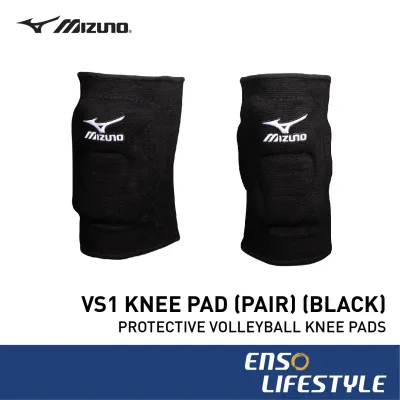
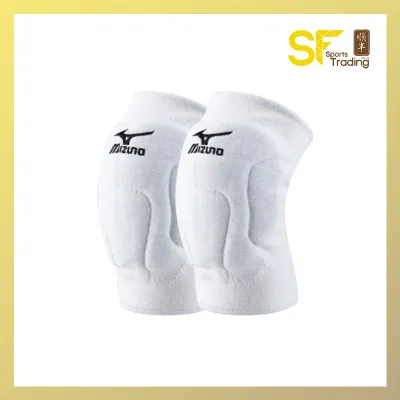
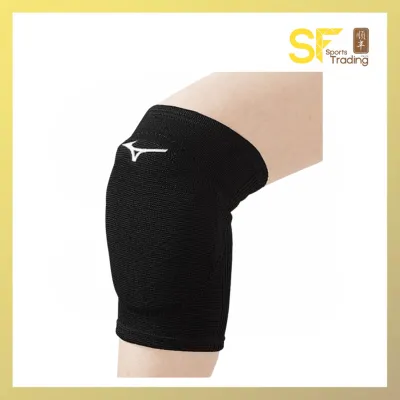
![Mizuno Kneepad - Women [1 PC]](https://img.lazcdn.com/g/p/b7ef6452a8c04329bbc2cbbb78989113.png_400x400q80.png_.webp)
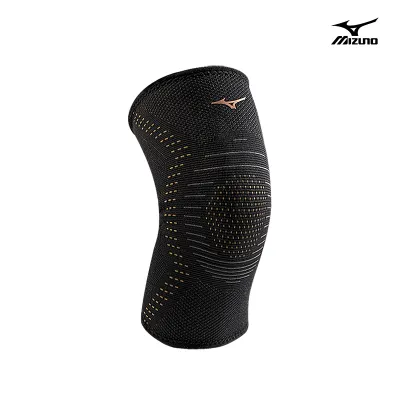
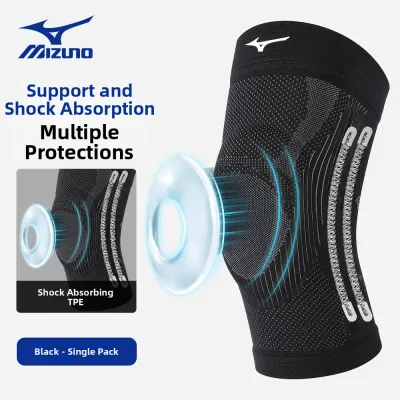
Prices are valid at publication and may change. Please refer to the product page for the latest price.
Linear activities like running or cycling present a different challenge, characterized by repetitive, low-impact movements over extended periods. Here, the primary concern is often patellar tracking—ensuring the kneecap slides smoothly along its groove—along with maintaining joint warmth to promote blood flow. For these endurance-based sports, heavy, restrictive braces are counterproductive; instead, lightweight options that prioritize flexibility and continuous moisture management are ideal.
Finally, consider the environment and duration of your activity. Playing sports in hot, humid conditions accelerates perspiration, which can cause gear to slip or irritate the skin. Assessing whether your sport requires heavy-duty stabilization or lightweight, breathable compression is the first step toward narrowing down your choices.
Match Guard Structures to Activity Types
Once you understand the physical demands of your sport, you can match them to the appropriate structural category of knee support. Knee guards generally fall into four main designs, each offering a different balance of mobility, compression, and structural stability.

Compression sleeves are the most common and lightweight option. Made from elastic or neoprene-style fabrics, they slide over the joint to provide mild, uniform compression and retain therapeutic warmth. This compression enhances proprioception—your brain’s awareness of the joint’s position—which can improve stability and confidence during low-to-moderate impact activities. Sleeves are highly suited for general gym training, running, or as a basic layer of support for minor joint stiffness.
Patella straps and bands offer a minimalist approach to targeted relief. These narrow bands wrap tightly around the leg just below the kneecap, applying focused pressure to the patellar tendon. By changing the angle at which the tendon inserts into the joint, a strap reduces the strain experienced during jumping and running. This design is highly favored by volleyball and basketball players who need tendon relief without the bulk or heat of a full sleeve.
Wraparound and adjustable braces feature open designs with hook-and-loop straps that allow you to customize the tightness and fit. These are excellent for athletes who experience fluctuating joint swelling or those who prefer not to remove their shoes to put on a guard. The adjustable nature of these braces makes them highly versatile for sports with variable intensity, allowing you to tighten the support during active play and loosen it during rest periods.
Hinged or heavily structured braces incorporate rigid side stabilizers made of plastic or metal to prevent lateral knee deviation. These are typically reserved for post-injury recovery or high-risk sports where ligament protection is paramount. If you participate in organized competitive sports, always verify the legality of structured braces with your league’s governing body, as some associations prohibit exposed hard components to protect other players from impact injuries.
Check Sizing, Materials, and Product Labels
A knee guard can only perform effectively if it fits correctly and is made of materials suited to your playing environment. To find your correct size, use a flexible measuring tape to measure the circumference of your leg at the specific points designated by the manufacturer’s sizing chart. This typically involves measuring around the center of the kneecap, as well as a set distance above and below the joint. Avoid guessing your size based on your clothing measurements, as sizing standards vary significantly between different brands and structural designs.
Material selection is particularly critical for athletes playing in warm, tropical climates like Singapore. Look for product labels that specify moisture-wicking, breathable synthetic blends, such as polyester, nylon, and specialized breathable chloroprene. These fabrics draw sweat away from the skin and allow heat to dissipate, reducing the risk of chafing, heat rashes, and material degradation during long training sessions.
Additionally, pay close attention to anti-slip features. Dynamic sports require a guard that stays securely in place without constant manual adjustment. Look for guards equipped with integrated silicone wave strips or elasticized borders along the inner cuffs. These features grip the skin gently, preventing the guard from sliding down during intense running, jumping, or lateral lunging.
Verify Fit, Comfort, and Purchase Protections
Before committing to using a new knee guard during a match, perform a thorough fit and comfort check at home. Put the guard on and perform a series of sport-specific movements, such as deep squats, lateral lunges, and light jogging. The guard should feel snug and supportive but should not pinch the skin behind your knee, restrict your blood circulation, or cause your toes to feel cold or numb.
It is vital that the guard does not negatively alter your natural biomechanics. If a brace is too stiff or poorly fitted, it may force you to compensate by altering your stride or landing mechanics, which can transfer unwanted stress to your hips, ankles, or lower back. If you feel forced into an unnatural movement pattern, the guard is likely either the wrong size or too restrictive for your sport.
Finally, protect your purchase by comparing options across authorized sports retailers and reputable e-commerce platforms. Prices in Singapore are typically listed in S$, and comparing local retailers can help you find competitive deals. Always review the retailer’s return and exchange policies before buying; because precise fit is essential for joint support, you want the flexibility to exchange the guard if your initial sizing measurements do not deliver the perfect fit.
Care and Maintenance for Sports Gear
Proper care and maintenance are essential to preserve the elasticity, hygiene, and structural integrity of your knee guard over time. Always consult the manufacturer’s care label for specific instructions. As a general rule, sports guards should be hand-washed in cool water using a mild, additive-free detergent. If you must use a washing machine, place the guard inside a mesh laundry bag and select a gentle, cold-water cycle to protect the fibers from stretching or tearing.
Never place your knee guard in a clothes dryer or expose it to direct, intense sunlight, as high heat rapidly degrades elastic fibers and warps synthetic materials. Instead, lay the guard flat on a clean towel to air dry in a well-ventilated indoor space.
Regularly inspect your gear for signs of wear and tear. Check the hook-and-loop fasteners for lint buildup that might reduce their grip, examine the stitching for fraying, and ensure any stabilizing inserts remain securely in place. If the compression feels noticeably weaker or the material has stretched out, replace the guard to ensure your knees continue to receive the necessary support.
Frequently Asked Questions (FAQ)
Can I wear a knee guard over my sports leggings?
It is generally recommended to wear knee guards directly against your skin. Most guards rely on direct skin contact—often aided by silicone grip strips—to prevent sliding during dynamic movements. Wearing a guard over leggings can cause it to slip down or bunch up, reducing its supportive effectiveness. However, if you are using a basic compression sleeve without silicone grips and find that a thin, high-friction compression legging does not cause the sleeve to slide, you may wear them together, provided the overall compression does not restrict blood circulation.
Do knee guards weaken the knee muscles over time?
Knee guards do not inherently weaken your muscles when used appropriately as a temporary or activity-specific aid. They provide external support and proprioceptive feedback during high-stress movements. However, relying on a brace continuously without addressing underlying muscle weaknesses can lead to a dependency. To maintain long-term joint health, use the knee guard as a supplement to a structured strength and conditioning program that targets the quadriceps, hamstrings, glutes, and calf muscles.
Community discussion
Share your experience or ask a question. Comments are reviewed before publication.