
Choosing the right sports compression socks comes down to two critical specifications: the compression level (measured in mmHg) and your precise physical leg measurements. Getting these right ensures you receive the intended muscle support and circulation benefits without restricting blood flow or causing discomfort. Selecting the ideal pair requires matching these specifications to your specific sport, understanding how to read sizing charts, and verifying the material construction for your local climate.
Understanding Compression Levels (mmHg) for Sports
Compression levels are measured in millimeters of mercury (mmHg), which indicates the amount of pressure the garment exerts on your limbs. In sports compression socks, this pressure is typically graduated. This means the sock is tightest at the ankle and gradually decreases in pressure up the calf, a design intended to assist blood flow back toward the heart during movement.
Athletic compression garments generally fall into distinct pressure ranges, each suited for different scenarios. Understanding these ranges helps you narrow down your options based on your activity level:
Products mentioned in this guide
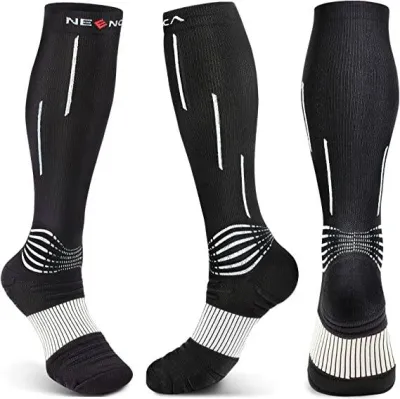
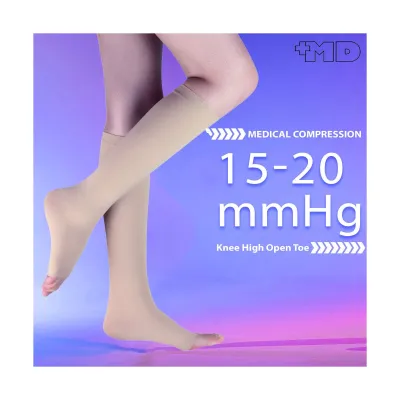
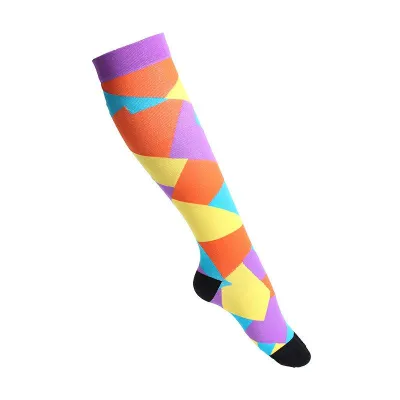
![[SG Stock] Medical Grade Compression Socks for Men Women Pregnancy Pain Relief Running Flight](https://img.lazcdn.com/g/p/e161fa75346031c6524d4c54dbe8a3a9.jpg_400x400q80.jpg_.webp)
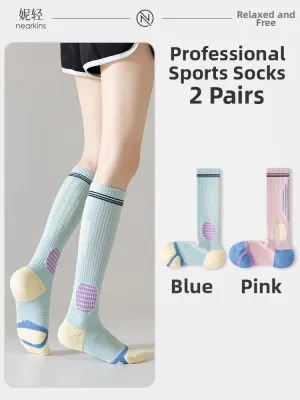
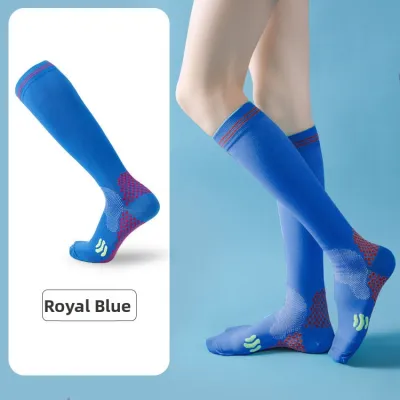
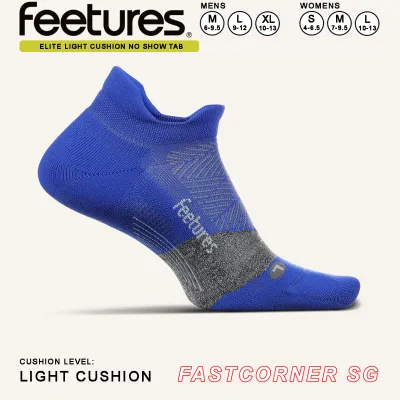
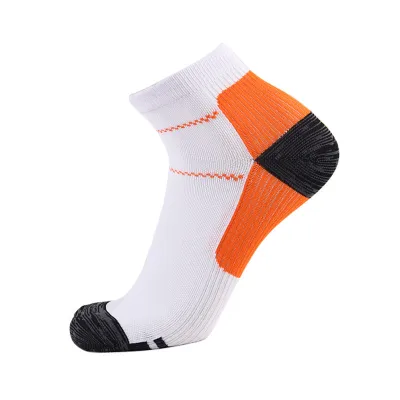
Prices are valid at publication and may change. Please refer to the product page for the latest price.
- Low Compression (under 15 mmHg): This mild pressure is suitable for daily wear, light walking, or long periods of sitting. It provides a subtle support sensation without feeling restrictive.
- Moderate Compression (15–20 mmHg): This is the standard range for most athletic activities, including running, cycling, and fitness training. It offers a balance of firm support and comfort during active movement.
- Firm Compression (20–30 mmHg): This higher range is often utilized for post-workout recovery or long-distance travel. Because of the increased tightness, it requires careful fitting.
While lower compression levels are generally safe for most athletes, higher pressure levels require caution. Always check the manufacturer’s specific guidelines before selecting a high-pressure sock. If you have pre-existing circulatory issues, cardiovascular conditions, or diabetes, consult a healthcare professional to determine if compression gear is safe for you.
How to Measure Your Legs for the Perfect Fit
Unlike standard socks, compression socks cannot be chosen based on shoe size alone. Because the garment must wrap tightly around the contours of your lower leg, physical measurements of your ankle and calf are required to find the correct size on a manufacturer’s chart.

To get an accurate fit, you will need a flexible measuring tape to record three primary dimensions:
- Ankle Circumference: Measure around the narrowest part of your ankle, which is located just above the ankle bone.
- Calf Circumference: Measure around the widest part of your calf muscle.
- Calf Length: Sit in a chair with your feet flat on the floor and measure from the floor up to the bend of your knee.
Timing is crucial when taking these measurements. It is best to measure your legs in the morning, shortly after waking up. Throughout the day, gravity and physical activity cause fluid to pool in the lower extremities, leading to natural swelling. Measuring early ensures you capture your baseline size before any swelling occurs.
If your measurements fall between two sizes on a brand’s sizing chart, consider the manufacturer’s specific instructions. Generally, choosing the smaller size results in a tighter, more athletic compression fit, which some athletes prefer for short workouts. Choosing the larger size offers a more comfortable fit that is easier to put on and take off, making it more suitable for extended wear or recovery.
Matching Sock Specifications to Your Sport and Needs
Different athletic activities place unique demands on your lower legs, which should influence your choice of sock style and compression zones. Matching the physical design of the sock to your sport ensures maximum comfort and utility.
For high-impact activities like running and trail sports, knee-high compression socks are highly popular. They cover the entire calf muscle, providing uniform support and protecting the skin from brush, dirt, or debris. For cycling or court sports, some athletes prefer calf sleeves, which cover only the lower leg. This allows you to pair the sleeve with your favorite technical athletic socks inside your shoes.
It is also important to differentiate between active performance gear and recovery gear. Active-use socks often feature targeted compression zones around the arch of the foot and the Achilles tendon to support dynamic movement. Recovery socks, designed to be worn after exercise, typically feature a more uniform, slightly lighter graduated compression to facilitate resting circulation while you relax.
Regardless of the sport, you must monitor how your legs feel during use to identify an incorrect fit. Signs of a sock that is too tight include numbness, tingling, cold toes, or deep red indentations that persist long after removal. Conversely, if the fabric bunches behind the knee, slips down your calf during exercise, or feels loose, the sock is too large and will not deliver the intended compression benefits.
Reading the Label: Material and Construction Checks
Beyond pressure and size, the material composition of the sock determines how comfortable it will feel during intense training. This is especially important in hot and humid climates, such as Singapore’s, where sweat buildup can quickly lead to discomfort.
Evaluate the fabric blend on the product label before purchasing. Look for synthetic fibers like nylon, polyester, and elastane (spandex), which are engineered to wick moisture away from the skin and dry rapidly. Avoid socks made of 100% cotton, as cotton retains moisture, increases friction against the skin, and significantly raises the risk of painful blisters.
In addition to the fabric blend, check for specific structural features that enhance durability and comfort during sports:
- Seamless Toe Closures: This construction eliminates bulky seams at the toes, reducing friction and preventing chafing inside snug athletic shoes.
- Reinforced Heel and Toe Boxes: Extra padding in these high-wear areas improves durability and provides targeted cushioning during high-impact steps.
- Arch Support Bands: A snug band around the midfoot helps keep the sock securely in place, preventing it from shifting or sliding down inside your shoe.
To maintain the elasticity and compression integrity of your socks over time, follow proper care instructions. Wash them in cold water on a gentle cycle and avoid using fabric softeners, which can coat the synthetic fibers and degrade their stretchiness. Always air dry the garments, as the high heat of a tumble dryer can damage the elastane fibers and alter the rated mmHg level.
Frequently Asked Questions (FAQ)
Can I wear sports compression socks all day or while sleeping?
Sports compression socks are designed for active use or dedicated recovery periods rather than continuous wear. It is generally not recommended to wear athletic-grade compression socks while sleeping, as your body is horizontal and blood flow dynamics change. For extended daytime wear, check the manufacturer’s specific guidelines and consult a qualified professional to ensure safety.
Will compression socks make me run faster or prevent injuries?
Compression socks do not guarantee faster running times or absolute injury prevention. While they can improve perceived muscle stability, keep your lower legs warm, and support post-exercise recovery, they cannot replace proper training. Athletic performance and safety rely primarily on structured training, correct technique, and appropriate footwear.
Community discussion
Share your experience or ask a question. Comments are reviewed before publication.