
Choosing the right compression level for an ankle sock compressor depends on your physical activity, recovery goals, and personal comfort. For daily wear, travel, or light workouts, mild compression levels between 8 and 20 mmHg offer comfortable support without feeling overly restrictive. For intense athletic recovery or managing localized swelling, moderate to firm compression levels of 20 to 30 mmHg are typically preferred, provided you verify the fit and consult a professional if you have underlying circulatory conditions.
What mmHg Means: Decoding Compression Ratings
Millimeters of mercury, abbreviated as mmHg, is the standard unit used to measure pressure in compression garments. In sports accessories like an ankle sock compressor, this rating indicates the amount of squeeze the fabric exerts on your lower extremities. Rather than simply feeling tight, a properly rated sock applies a calculated force designed to support blood flow and stabilize surrounding tissues.
While full-length compression socks use graduated compression—exerting the highest pressure at the ankle and decreasing up the calf—ankle-length socks focus their pressure more uniformly around the arch, heel, and ankle joint. This localized pressure helps stabilize the joint and support the fascia during movement. Understanding this distinction helps you select a sock that targets the specific area needing support without unnecessary coverage.
Products mentioned in this guide
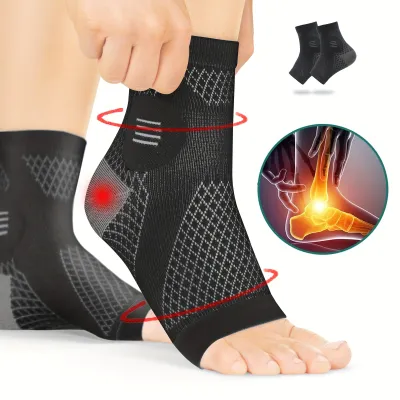
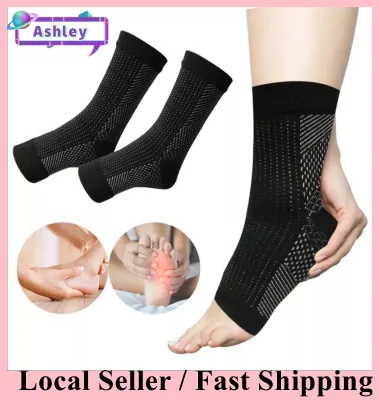
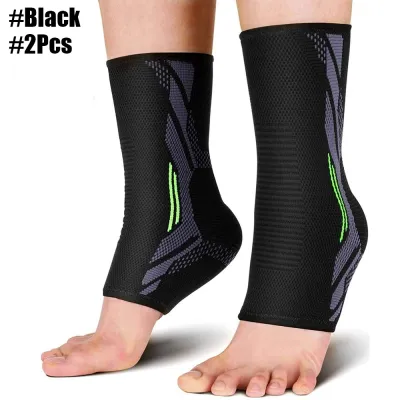
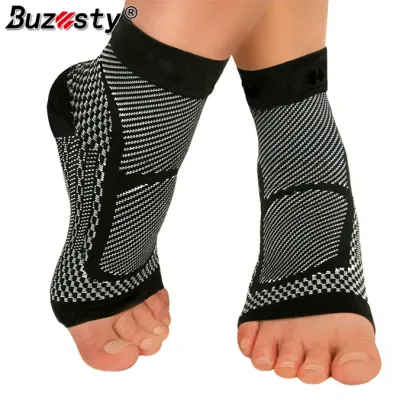
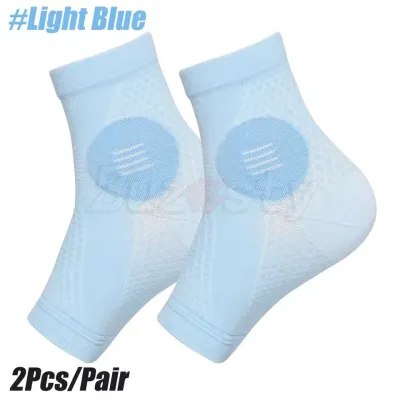
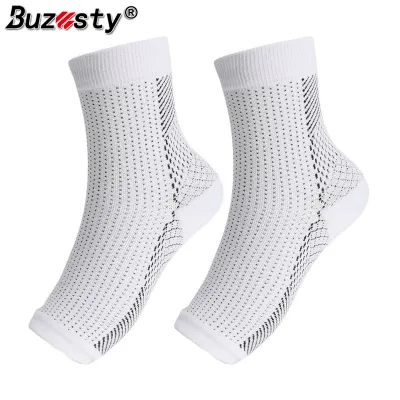
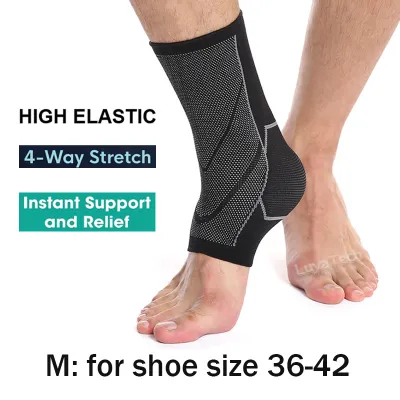
![[SG FREE ] 1 Pair Compression Arch Support Brace with Gel Ankle Protector Compression Flat Foot Socks with Gel Inserts](https://img.lazcdn.com/g/p/be2c8cc4d7a6cd66a82dfac9cc1f33ee.jpg_400x400q80.jpg_.webp)
Prices are valid at publication and may change. Please refer to the product page for the latest price.
When shopping, look for the dual-number range printed on the packaging, such as 15-20 mmHg. This range represents the minimum and maximum pressure the sock is designed to deliver when properly sized. Checking these labels ensures you do not accidentally purchase a medical-grade garment when you only require light athletic support.
Matching Compression Levels to Your Activity and Recovery Goals
Mild support ranges, typically spanning 8-15 mmHg, are ideal for general daily wear, prolonged sitting at an office desk, or light walking. This level provides a subtle, energizing squeeze that helps minimize mild fatigue without restricting movement. It is an excellent starting point if you are new to compression wear and want to test your tolerance.

Moderate compression ranges, usually rated at 15-20 mmHg, are great for active sports, running, or long-distance travel. This level offers a balance of structural support for the ankle joint and comfortable wear over several hours. Many athletes prefer this range to help minimize minor swelling and maintain joint awareness during high-impact movements.
Firm compression ranges, falling between 20-30 mmHg, are best suited for post-exercise recovery, managing noticeable swelling, or providing firm joint stabilization during intense training. Because this level exerts significant pressure, it is crucial to monitor how your skin and circulation respond. These socks should generally be worn for shorter, targeted periods rather than all-day casual wear.
Always listen to your body and adjust the compression level based on real-time feedback. If a sock feels painfully tight, restricts your movement, or causes your toes to feel cold, transition to a lower mmHg rating immediately. Your comfort during the activity is the ultimate guide to finding the right balance.
Sizing and Fit: Why Measurements Matter More Than Just the Rating
A high-quality ankle sock compressor can only deliver its rated mmHg pressure if it matches your physical dimensions. Relying solely on your standard shoe size often leads to an incorrect fit, as shoe size does not account for the volume of your ankle or heel. An improperly sized sock can either exert too little pressure to be effective or too much pressure, which can restrict circulation.
To find your correct size, use a flexible measuring tape to find the circumference of your ankle at its narrowest point, just above the ankle bone. Compare these measurements directly against the manufacturer’s specific sizing chart before purchasing. Taking this step ensures the fabric stretches exactly as intended to deliver the stated mmHg range.
In Singapore’s hot and humid climate, material choice is just as important as the compression rating. Look for lightweight, moisture-wicking synthetic blends or merino wool that allow heat to escape and prevent sweat buildup. Proper breathability prevents skin irritation and chafing, allowing you to wear the socks comfortably during outdoor activities.
Watch out for warning signs of an incorrect fit during use. These include numbness, tingling, cold toes, or deep, painful indentations left on your skin after removal. If the sock slips down or bunches up around the joint, it will not distribute pressure correctly and should be replaced with a better-fitting size.
Safety Limits: When to Seek Professional Advice for High Compression
Stop wearing compression socks immediately if you experience sharp pain, skin discoloration, or a loss of sensation in your feet. These symptoms indicate that the compression level is too high or the fit is restricting arterial blood flow. Safety should always take priority over athletic performance or recovery goals.
If you have pre-existing circulatory issues, diabetes, peripheral neuropathy, or sensitive skin conditions, avoid using firm compression garments without explicit guidance from a healthcare provider. A professional can help determine if compression is safe for your vascular system and recommend an appropriate pressure range.
Keep in mind the distinction between over-the-counter sports supports and medical-grade prescribed compression gear. Sports compression socks are designed for healthy individuals seeking comfort and recovery support during or after exercise. They are not substitutes for medical-grade garments prescribed for clinical venous disorders.
Frequently Asked Questions (FAQ)
Can I wear ankle compression socks while sleeping?
Generally, it is not recommended to wear compression socks while sleeping unless specifically directed by a doctor. When you lie flat, gravity no longer pools blood in your lower limbs, making active compression unnecessary and potentially restrictive to your resting circulation. Removing the socks at night allows your skin to breathe and your blood vessels to rest under normal pressure conditions.
How do I wash and maintain the elasticity of my compression socks?
To preserve the elastic fibers that maintain the mmHg rating, always check the manufacturer’s care label for specific instructions. Wash them in cool or lukewarm water using a mild detergent, and avoid fabric softeners, which can coat and degrade the elastic materials. Air drying is highly recommended, as the high heat of a dryer can break down the elastane and permanently reduce the sock’s compression effectiveness.
Community discussion
Share your experience or ask a question. Comments are reviewed before publication.