
Selecting the right basketball requires matching the ball’s material to the specific court surface you play on most frequently. For players in Singapore, where games transition quickly from humid outdoor community courts to polished indoor sports hall floors, choosing the wrong ball can lead to rapid wear or a frustratingly slippery grip. Molten basketballs are highly regarded for their distinct panel designs and consistent feel, but their performance depends heavily on whether you select a premium leather, composite leather, or rubber model. By evaluating your primary playing environment, understanding material limits, and verifying official size and certification markings, you can find a ball that delivers optimal grip and lasts for seasons to come.
Understanding Molten Basketball Materials and Feel
To choose the right basketball, you must first understand the three primary material categories Molten uses across its product lines. Each material offers a distinct tactile feel, bounce characteristic, and resistance to wear, making them suitable for different environments and player preferences.
Premium natural leather represents the highest tier of basketball construction, favored for professional indoor competitions. This material is highly sensitive to moisture and requires a dedicated break-in period, during which the stiff outer layer gradually softens to form a personalized, high-friction grip. Because natural leather absorbs sweat and oils, it must only be used on clean, dust-free indoor wooden courts. Using a natural leather ball outdoors will ruin the material almost instantly, as concrete surfaces scrape away the delicate fibers and dirt clogs the pores.
Products mentioned in this guide
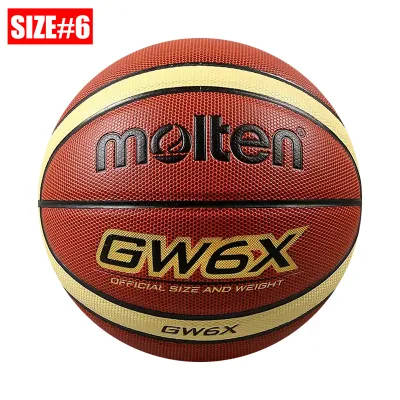
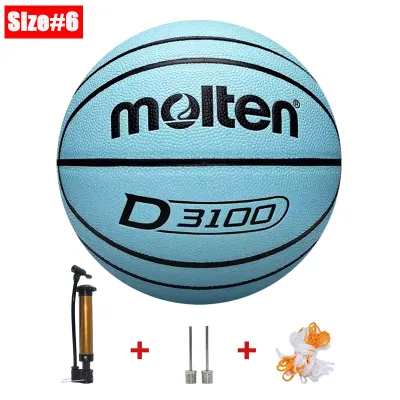
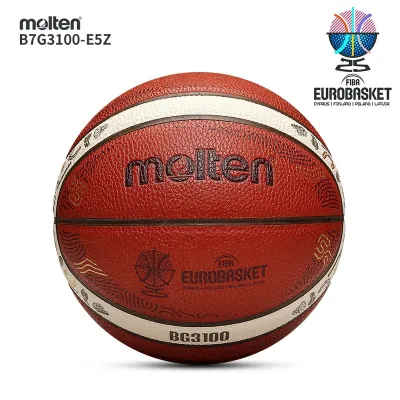
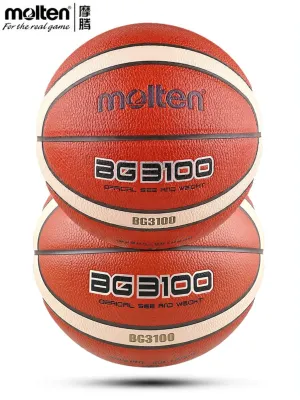
Prices are valid at publication and may change. Please refer to the product page for the latest price.
Composite leather, or synthetic leather, serves as the highly versatile middle ground for most competitive and recreational players. These balls are engineered to mimic the soft feel of natural leather without requiring a break-in period, offering excellent grip right out of the box. Molten produces composite balls in various tiers, ranging from premium competition-grade synthetics to highly durable utility composites. While high-end composites manage moisture exceptionally well on indoor courts, lower-tier composites are reinforced to withstand the moderate abrasion of outdoor play.
Rubber is the most durable and cost-effective material option, designed specifically to handle the harshest playing conditions. Rubber basketballs feature deep, pronounced pebbling that provides a firm, reliable grip even when the court is covered in dust, sand, or light moisture. This material does not absorb water or oils, making it highly resistant to weather elements and rough concrete or asphalt surfaces. While rubber lacks the soft, cushioned feel of composite or natural leather, its structural resilience makes it the ideal choice for casual outdoor play and streetball.
Matching the Right Material to Your Court Surface
Selecting a basketball based on your primary court surface is the most effective way to ensure both optimal playability and product longevity. Using a ball on an unintended surface can compromise your handling and permanently damage the outer casing within a few sessions.

For indoor wooden courts, premium natural leather or high-end composite leather is the standard choice. Polished hardwood floors require a ball that can maintain a consistent grip without picking up fine dust, which acts like a lubricant and causes slipping. High-end composite and natural leather materials feature advanced moisture-management technologies that absorb sweat from players’ hands, keeping the surface dry and tacky. Additionally, these softer materials protect the court’s protective finish from unnecessary scuffing, ensuring a safe playing environment for everyone.
When playing on outdoor concrete, asphalt, or rough synthetic courts, you should rely exclusively on rubber or heavy-duty composite basketballs. Outdoor surfaces act like sandpaper, rapidly grinding down the soft outer layers of indoor-only composite and leather balls. Rubber balls are built with thick, abrasion-resistant covers that can withstand constant friction against rough ground and metal chain nets. If you prefer the feel of synthetic leather outdoors, look specifically for composite models labeled for outdoor or multi-surface use, which feature reinforced backing layers to resist tearing.
For players who split their time between indoor sports halls and outdoor neighborhood courts, multi-surface composite balls offer a practical compromise. These dual-purpose balls are engineered with a slightly firmer composite blend that balances tactile softness with enhanced wear resistance. When choosing a multi-surface ball, always check the packaging or manufacturer specifications to verify its indoor/outdoor rating. Keep in mind that while these balls perform adequately in both settings, using them outdoors will gradually degrade their indoor grip over time due to dust accumulation and surface abrasion.
Verifying Size, Grip, and League Certifications
Once you have identified the correct material for your court surface, you must verify that the ball meets your physical requirements and complies with official standards. Molten basketballs are designed with specific markings and structural features that help you confirm their suitability before making a purchase.
First, check the standard size markings printed directly on the ball’s casing or packaging to match the player’s age and gender. Size 7 is the official size for men’s competitive play (ages 15 and older), measuring approximately 75 centimeters in circumference. Size 6 is the standard for women’s competitive play (ages 12 and older) and youth boys (ages 12 to 14), measuring around 72.4 centimeters. For younger players (ages 9 to 11), Size 5 is the appropriate choice, offering a smaller circumference of about 70 centimeters to help develop proper shooting and passing mechanics.
If you plan to use the ball in organized leagues or school tournaments, look for official approval marks printed on the surface. Molten is the official game ball provider for many international competitions, and their high-quality models feature the FIBA (International Basketball Federation) approved logo. This mark indicates that the ball has passed rigorous testing for roundness, bounce height, weight, and pressure retention. For local school or club competitions in Singapore, check with your league organizers to see if they require specific FIBA-approved models or local association stamps.
Finally, inspect the ball’s unique grip and panel configuration, which sets Molten apart from other brands. Many Molten basketballs feature a signature 12-panel design, which increases the number of seams on the ball’s surface compared to traditional 8-panel balls. This design provides more finger-contact points, allowing for more consistent spin and control during shots and passes. Run your hands over the pebbling pattern to ensure the texture is uniform and provides a secure grip that matches your personal handling preference.
Maintaining Your Ball for Indoor and Outdoor Longevity
Proper maintenance is essential to preserve the grip, shape, and structural integrity of your Molten basketball, especially in Singapore’s hot and humid climate. A simple care routine can extend the lifespan of your ball and maintain its consistent bounce performance.
After every playing session, take a moment to clean the ball’s surface to remove dirt, sweat, and court dust. For rubber and composite outdoor balls, wipe the surface down with a damp microfiber cloth and mild soapy water, then dry it thoroughly with a clean towel. For premium indoor leather balls, avoid using excess water; instead, use a dry or slightly damp cloth to wipe away sweat, and occasionally apply a specialized leather conditioner if recommended by the manufacturer. Never submerge any basketball in water, as moisture can seep into the valve and damage the internal bladder.
Store your basketball in a cool, dry place away from direct sunlight, extreme heat, and damp environments. Leaving a basketball in the trunk of a car or on an outdoor balcony exposed to Singapore’s intense sun can cause the air inside to expand, leading to warping, bubbling of the outer casing, or seam separation. High humidity can also degrade the adhesives holding the synthetic panels to the carcass, causing them to peel prematurely. A dedicated ball bag stored indoors is the best way to protect your equipment.
Regularly check and adjust the ball’s inflation pressure using a standard hand pump and a reliable pressure gauge. Every Molten basketball has its recommended inflation range printed directly around the inflation valve, typically measured in pounds per square inch (psi) or bars. Keeping the ball inflated within this specified range ensures a natural bounce, prevents structural warping, and protects the valve from leaking. Always moisten the inflation needle with a drop of water or glycerin before inserting it into the valve to avoid tearing the rubber seal.
Frequently Asked Questions (FAQ)
Can I use an indoor Molten basketball on an outdoor concrete court?
No, you should avoid using an indoor-only Molten basketball on outdoor concrete. The abrasive surface of concrete or asphalt will rapidly wear down the soft composite or natural leather casing, destroying the grip and causing the panels to peel. Additionally, outdoor dust will clog the pores of indoor materials, making the ball permanently slippery even if you bring it back indoors.
How do I know if a Molten ball is officially approved for competitive play?
You can verify a Molten ball’s competitive approval by looking for the official FIBA Approved logo printed directly on the ball’s surface. This logo indicates the ball meets international standards for weight, bounce, and roundness. For local school or club tournaments, check the league’s handbook to confirm if they require specific FIBA-certified tiers or sizes.
Community discussion
Share your experience or ask a question. Comments are reviewed before publication.