
Selecting the right Molten size 6 basketball in Singapore requires a clear understanding of where you play, as the city-state’s mix of polished indoor sports halls and abrasive outdoor community courts demands completely different ball constructions. Size 6 basketballs, which serve as the official size for women’s professional play and youth divisions, are engineered with specific cover materials that react uniquely to different court textures. Choosing incorrectly can lead to a ball that either slips constantly on indoor wood or degrades within weeks on outdoor concrete. To make a practical investment, you must match the ball’s material technology to your primary playing environment, balancing the need for soft-touch grip against long-term abrasion resistance.
Understanding Cover Materials for Molten Size 6 Basketballs
To make an informed purchase, you must first understand the three primary cover materials used in Molten’s basketball lineup: genuine leather, composite (synthetic) leather, and rubber. Each material is engineered to perform under specific environmental conditions, and using them on the wrong surface can severely compromise both playability and durability.
Genuine leather represents the traditional standard for high-level indoor competition. This natural material is highly porous, allowing it to absorb moisture from players’ hands during intense play, which actually improves grip as the game progresses. However, genuine leather is highly sensitive to rough surfaces and moisture, making it completely unsuitable for outdoor courts where concrete would quickly shred the fibers.
Products mentioned in this guide
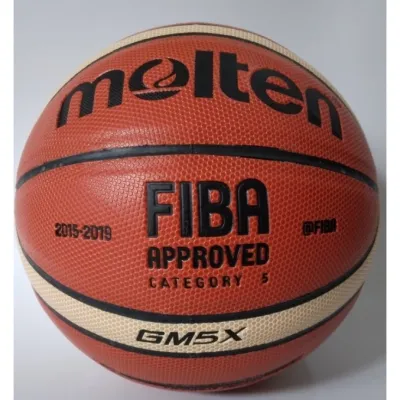
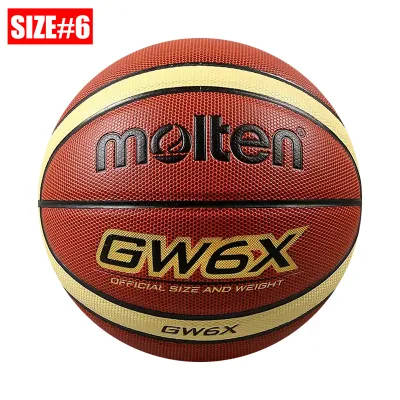
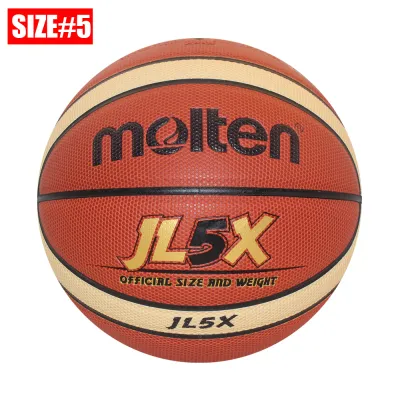
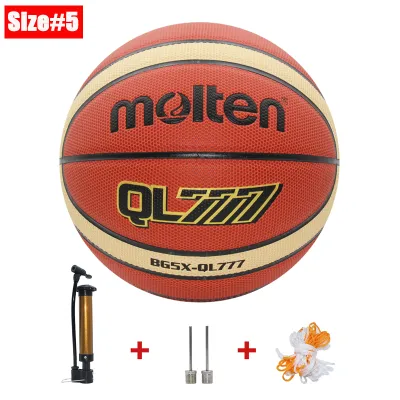
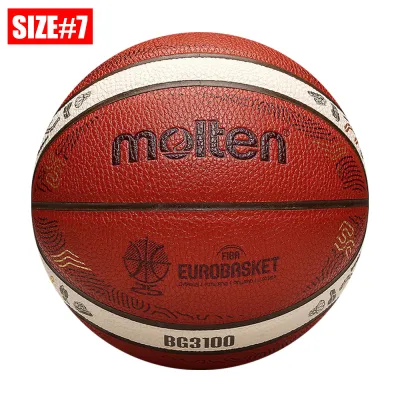
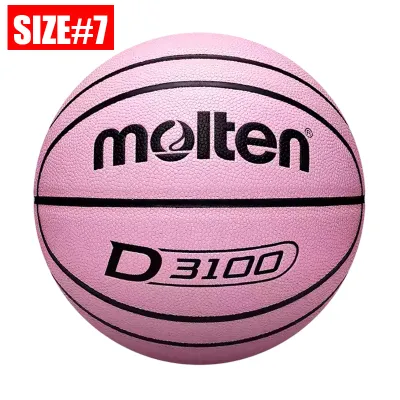
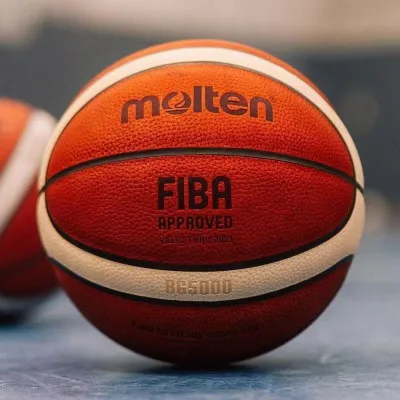
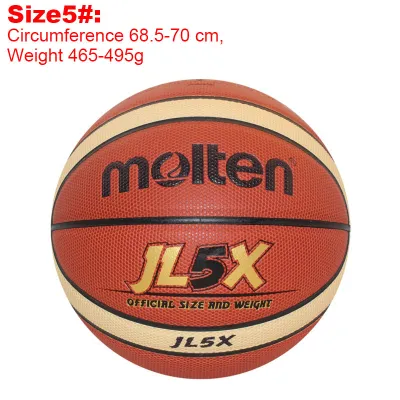
Prices are valid at publication and may change. Please refer to the product page for the latest price.
Composite leather, often referred to as synthetic leather, is the most versatile and widely used material in modern basketballs. Typically constructed from polyurethane (PU) or polyvinyl chloride (PVC), composite covers are engineered to mimic the soft feel and moisture-wicking properties of genuine leather without requiring a lengthy break-in period. Some composite models are designed strictly for indoor use, while others feature reinforced synthetic blends that can withstand the moderate abrasion of outdoor play.
Rubber is the most durable and cost-effective material available for basketball covers. Built to withstand the harsh scraping of concrete, asphalt, and metal chain nets, rubber basketballs are highly resistant to punctures, tears, and deep abrasions. While they do not offer the cushioned feel or moisture-wicking capabilities of composite leather, they provide reliable grip on dusty outdoor courts and are completely unaffected by wet weather.
When shopping for a Molten size 6 basketball, always inspect the manufacturer’s label or product packaging for explicit designations. Molten clearly marks its balls with terms such as “Indoor Use Only,” “Indoor/Outdoor,” or “Outdoor.” Verifying these designations before buying ensures you do not accidentally purchase a delicate indoor ball for rugged outdoor use.
Selecting the Best Material for Indoor Wooden Courts
Indoor wooden courts, such as those found in school sports halls, community centers, and private sports clubs across Singapore, offer a consistent, high-traction playing surface. To maximize your performance on these polished floors, you should prioritize premium composite leather or genuine leather covers that offer reliable grip and tactile feedback.

Premium composite leather is highly recommended for indoor play due to its immediate playability and advanced moisture management. When playing indoors, sweat from players’ hands can quickly make a basketball slippery. High-end indoor composite balls feature specialized moisture-wicking technologies and micro-pebble textures that absorb or disperse moisture, ensuring a secure grip during fast-paced dribbling and shooting.
If you opt for a top-tier genuine leather indoor ball, be prepared for an initial break-in period. Out of the box, a brand-new genuine leather ball can feel stiff, slick, and relatively hard. Over several weeks of consistent indoor use, the natural oils from players’ hands and the physical impact of play will soften the leather, turning it into a highly customized, grippy, and responsive ball.
You should strictly avoid using outdoor rubber basketballs on polished indoor wooden courts. Rubber covers do not absorb moisture, meaning sweat will sit on the surface of the ball, making it incredibly slick and difficult to control. Additionally, rubber has a natural static charge that attracts fine indoor dust, creating a slippery layer over the ball that ruins traction on the court.
Given Singapore’s tropical climate, even indoor sports halls can become warm and humid, especially if they lack air conditioning. When selecting an indoor ball, look for models that feature a dual-cushion carcass or an extra layer of foam backing beneath the composite cover. This construction provides a softer feel and better control when handling a ball that may be exposed to humid indoor air.
Finding a Durable Option for Outdoor Concrete Courts
Outdoor courts in Singapore, ranging from neighborhood HDB void deck courts to open-air community parks, present a highly abrasive environment. The rough texture of concrete and asphalt acts like sandpaper on a basketball, meaning durability must be your primary consideration when selecting a size 6 ball for outdoor play.
For outdoor survival, heavy-duty rubber or highly durable, outdoor-rated composite covers are absolutely essential. These materials are specifically formulated to resist the constant scraping, chipping, and peeling caused by rough ground, metal backboards, and chain-link nets. A standard indoor composite ball used on these surfaces will quickly lose its outer grip layer, rendering it useless within a few sessions.
When choosing an outdoor ball, you must accept a trade-off between premium feel and longevity. Outdoor-rated balls are inherently firmer and less cushioned than their indoor counterparts, as the cover material must be dense enough to resist wear. However, modern outdoor composite balls strike an excellent balance, offering a softer feel than pure rubber while still maintaining impressive durability on concrete.
Dust is a major factor on outdoor courts, as it settles into the grooves of the ball and reduces friction. To combat this, look for Molten models that feature deep channel designs and pronounced pebble patterns. The deep channels allow dust and dirt to settle away from your fingers, while the raised pebbles ensure that your hands make direct contact with the cover material for a secure grip.
In addition to the cover, you should inspect the ball’s internal specifications to ensure it can withstand hard outdoor impacts. Look for balls constructed with a nylon-wound carcass and a high-retention butyl bladder. This internal reinforcement helps the ball maintain its consistent spherical shape and consistent bounce, even after repeatedly striking hard concrete surfaces and metal rims.
Essential Specifications to Verify Before Purchase
Before finalizing your purchase, it is crucial to verify several key specifications to ensure the basketball meets official standards and matches your playing needs. Taking a few moments to inspect the ball’s markings can save you from purchasing an incorrect or low-quality product.
First, verify that the ball is an official Size 6. For Molten basketballs, this is typically indicated by the number “6” integrated into the model code printed on the ball. An official size 6 basketball must have a circumference between 72.4 and 73.7 centimeters and a weight ranging from 510 to 567 grams. These dimensions are standard for women’s competitive play and youth divisions.
If you plan to use the ball for organized league play, school tournaments, or official club matches in Singapore, check for the “FIBA Approved” logo. This certification indicates that the ball model has undergone rigorous laboratory testing to meet international standards for roundness, bounce consistency, weight, and durability. Playing with a certified ball ensures your training translates directly to competitive game conditions.
Next, locate the inflation valve on the ball and read the recommended inflation pressure printed adjacent to it. Molten typically specifies the ideal pressure in both PSI (pounds per square inch) and bar, usually ranging from 7.25 to 8.70 PSI (0.5 to 0.6 bar). Ensure the valve itself is made of high-quality, self-sealing rubber that sits flush with the cover to prevent air leakage and hand irritation.
Finally, always cross-reference the product tag with your actual playing environment. Do not rely solely on the aesthetic design or color scheme of the ball. Read the manufacturer’s specifications on the tag to confirm whether the composite blend is rated for outdoor use, indoor use, or both, ensuring you get the exact performance characteristics you require.
Maintenance and Care for Longevity
Proper maintenance is essential to prolong the lifespan of your Molten size 6 basketball, especially when dealing with Singapore’s high humidity and distinct court environments. Implementing a simple care routine will keep your ball performing at its best for as long as possible.
For indoor composite and leather balls, establish a routine of wiping the surface with a damp, lint-free microfiber cloth after every game. This removes accumulated sweat, skin oils, and fine court dust that can clog the pores of the material. Once wiped down, dry the ball thoroughly with a clean towel before storing it.
For outdoor rubber or composite balls, you can wash away heavier dirt, mud, and grit using mild soap and lukewarm water. Avoid using harsh chemical detergents, abrasive sponges, or high-pressure water, as these can strip away the protective coatings on the cover and damage the seams. Rinse the ball thoroughly and wipe it dry immediately.
Storage conditions are critical in Singapore’s tropical climate. High humidity and ambient heat can weaken the adhesives holding the basketball’s panels together, leading to peeling and warping. Always store your basketball in a cool, dry, well-ventilated indoor space. Never leave your ball in direct sunlight, inside a hot car trunk, or on an open outdoor balcony.
Knowing when to retire your basketball is important for maintaining proper playing mechanics. Inspect your ball regularly for signs of terminal wear, such as severe peeling along the panel seams, a completely smooth surface where the pebbles have worn away, an uneven or lumpy bounce, or a valve that leaks air constantly. When these issues arise, it is time to replace the ball to avoid negatively affecting your shooting and ball-handling skills.
Frequently Asked Questions (FAQ)
Can I use an indoor Molten basketball on outdoor courts occasionally?
Using an indoor-only Molten basketball on outdoor courts is highly discouraged, even for a single session. The delicate composite or genuine leather covers of indoor balls are not designed to withstand the highly abrasive nature of concrete or asphalt. Playing outdoors will quickly scrape away the soft outer layer, permanently ruining the ball’s grip and making it unusable for future indoor play. If you frequently transition between indoor and outdoor courts, it is highly recommended to invest in a dedicated outdoor rubber ball or a specialized indoor/outdoor hybrid model.
How do I know if a Molten size 6 basketball is properly inflated?
To check if your basketball is properly inflated without a pressure gauge, you can perform a standard drop test. Hold the ball at eye level so that the bottom of the ball is exactly 1.8 meters above the ground, then drop it onto a solid wooden or concrete surface. A properly inflated ball should bounce back up to a height of approximately 1.2 to 1.4 meters, measured from the ground to the top of the ball. For the most accurate results, always use a dedicated ball pressure gauge to verify that the pressure matches the manufacturer’s recommended PSI printed around the inflation valve.
Community discussion
Share your experience or ask a question. Comments are reviewed before publication.