
Choosing the right mugwort hammer involves evaluating three physical characteristics: the handle’s flexibility and length, the head’s shape and weight, and the density of the herbal filling. Because this traditional wellness tool relies on manual impact to stimulate muscles and meridians, a mismatch can lead to joint strain or ineffective tapping. By aligning these specifications with your physical build and wellness objectives, you can establish a safe, comfortable, and sustainable self-care routine at home.
Understanding Mugwort Hammer Types and Core Features
To make an informed selection, you must first understand how the structural components of a mugwort hammer influence its performance. The tool consists of a handle and an herbal head, but variations in materials and construction significantly alter how force is transferred to your body.
The handle serves as the primary lever, and its material dictates both reach and shock absorption. Solid wood handles, often crafted from ash or beech, offer a rigid and direct transfer of energy. This rigidity is excellent for precise, controlled tapping on easily accessible areas like the thighs or arms, but it requires your wrist to absorb the minor rebound force of each strike. Conversely, flexible rattan handles possess a natural springiness. This flexibility acts as a built-in shock absorber, reducing the strain on your wrist and elbow joints while allowing the hammer head to whip gently over hard-to-reach areas like the upper back and shoulders.
Products mentioned in this guide
![[SG] Buy one get one free color random 31CM enlarged mugwort hammer health-preserving meridian hammer hammer artifact neck and shoulder cervical vertebra back beating artifact massage traditional Chinese medicine mugwort hammer multi-function](https://img.lazcdn.com/g/p/4b188f01382ad90f7a1fff45775131cb.jpg_400x400q80.jpg_.webp)
![[SG] Buy one get one free color random 31CM enlarged mugwort hammer health-preserving meridian hammer hammer artifact neck and shoulder cervical verte back beating artifact massage traditional Chinese medicine mugwort hammer multi-function](https://img.lazcdn.com/g/p/4b188f01382ad90f7a1fff45775131cb.jpg_webp_400x400q80.jpg_.webp)
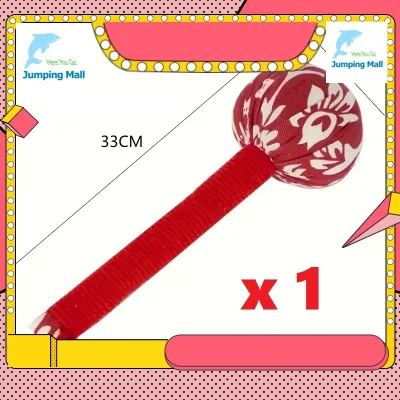
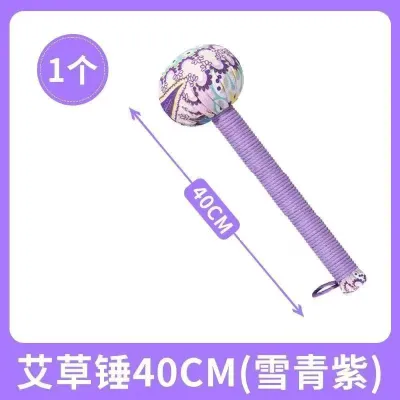
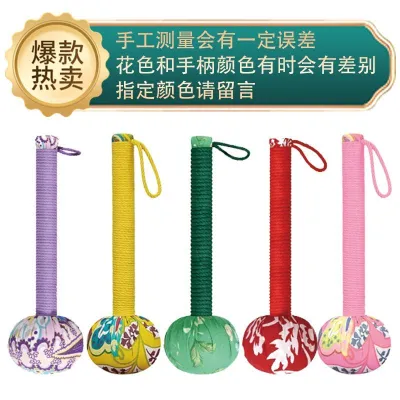
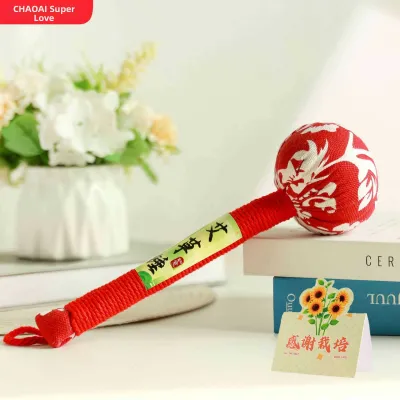
Prices are valid at publication and may change. Please refer to the product page for the latest price.
The head of the hammer varies in size and shape to target different muscle contours. Spherical heads are the most common, providing a versatile, concentrated point of contact that works well for localized tension. Cylindrical or block-shaped heads offer a wider, flatter surface area, distributing the impact over a larger muscle group, which is highly beneficial for the lower back, glutes, and hamstrings. Teardrop or oval heads combine these attributes, offering a narrow tip for precise meridian point stimulation and a broader base for general muscle kneading.
Inside the head, the density of the mugwort fill determines the hardness of the strike and the longevity of the tool. High-density fills are tightly packed, resulting in a firm, solid feel similar to a medium-firm massage ball. This density delivers deep, penetrating pressure but can feel too intense for sensitive areas. Low-density fills are softer and more cushioned, making them gentler on the skin and highly effective at releasing the natural, soothing aroma of the dried mugwort leaves upon impact.
Matching Hammer Specifications to Your Body Type
Selecting a mugwort hammer is not a one-size-fits-all decision; the physical dimensions of the tool must complement your body mechanics, grip strength, and overall physical build to prevent injury.

Your grip strength and arm length are the primary factors determining the ideal handle specifications. If you have smaller hands or weaker grip strength, a handle with a diameter of 1.5 to 2 centimeters is easier to hold securely without overworking your forearm muscles. A handle that is too thick forces your hand into a constant state of tension, which can lead to cramping during a ten-minute tapping session. Furthermore, your arm length and shoulder mobility dictate the necessary handle length. If you have limited shoulder flexibility or shorter arms, a longer handle of 35 to 40 centimeters is essential for reaching your mid-back without forcing your shoulder into uncomfortable, strained angles.
The weight of the hammer head must also be calibrated to your physical frame and pain tolerance. Individuals with smaller frames, lower muscle mass, or sensitive skin generally benefit from lighter heads weighing between 100 and 150 grams. These lighter tools allow for gentle, superficial stimulation that encourages relaxation without causing bruising or discomfort. For individuals with larger frames, denser muscle tissue, or a higher tolerance for deep-tissue pressure, a heavier head weighing 200 to 250 grams is more appropriate. The added weight allows gravity to do most of the work, requiring less physical swinging effort from your arm to achieve a deep, satisfying impact.
Before committing to a daily routine, perform a quick ergonomic check. Hold the hammer at your preferred grip point and let it swing naturally. Your wrist should remain relatively straight and aligned with your forearm, rather than bending sharply at the joint. If you must bend your wrist excessively to make contact with your target muscle, the handle is likely too short, or the head weight is pulling your hand out of alignment, increasing the risk of repetitive strain injuries over time.
Selecting the Right Tool for Your Wellness Goals
Your specific wellness objectives should guide the final specifications of your mugwort hammer, as different routines require distinct impact dynamics and reach capabilities.
If your primary goal is general meridian tapping and promoting overall circulation, a balanced, medium-specification hammer is the most practical choice. Look for a tool with a standard 30-centimeter handle and a medium-density, spherical head. This configuration provides a balanced weight distribution, allowing you to maintain a steady, rhythmic tapping cadence across major meridian pathways on your arms, legs, and torso. The moderate density ensures that the impact is firm enough to stimulate sensory receptors in the skin and superficial muscle layers without causing localized soreness during daily, full-body routines.
For those seeking relief from neck, shoulder, and upper back tension—common complaints among office professionals who spend long hours at desks—a specialized design is highly recommended. A longer, flexible rattan handle combined with a teardrop-shaped head is ideal for this scenario. The flexibility of the rattan allows you to swing the hammer over your shoulder with minimal arm elevation, protecting your rotator cuff from strain. The teardrop shape allows you to use the narrower tip to target specific trigger points along the upper trapezius and neck border, while the broader side can be used to gently knead the wider muscles of the upper back.
If your focus is on deep muscle relaxation, post-exercise recovery, or addressing tension in large muscle groups like the glutes, hamstrings, and lower back, you should opt for a heavy, densely packed hammer. A cylindrical or large spherical head filled tightly with aged mugwort provides the necessary mass to penetrate thick muscle beds. The dense packing ensures the head does not deform excessively upon impact, delivering a solid, deep-tissue sensation that helps release stubborn muscle knots. This type of hammer is best used with slow, deliberate strokes, letting the weight of the tool drive the pressure deep into the muscle tissue.
Pre-Purchase Checks and Safety Boundaries
To ensure your wellness routine remains safe and effective, you must verify the quality of the tool before purchase and understand the physical boundaries of safe application.
Begin by inspecting the physical construction of the hammer. The connection between the handle and the herbal head is the most common point of failure. Ensure this joint is reinforced with heavy-duty wrapping thread, a secure collar, or deep anchoring within the head itself; a loose head can fly off during use, posing a safety hazard. The outer fabric of the head should be made of a high-quality, breathable natural fiber such as cotton or linen. These materials allow the natural herbal aroma to diffuse freely while remaining tightly woven enough to prevent fine mugwort dust or plant particles from escaping and irritating your skin or respiratory tract.
Next, verify the purity and quality of the herbal filling. High-quality wellness hammers use pure, aged mugwort leaves, which emit a subtle, earthy, and slightly medicinal aroma. Avoid products that list synthetic fragrances, artificial perfumes, or unspecified chemical additives on their labels, as these can cause skin irritation or headaches when inhaled during close-contact tapping. The scent should be natural and clean, not overpowering or chemically sweet.
Understanding where and when to use the hammer is critical for preventing injury. Never apply the hammer to open wounds, bruised skin, inflamed areas, or acute injuries like sprains and fractures. Avoid tapping over major blood vessels, the throat, the kidneys, or directly over the spine. If you have underlying health conditions such as severe osteoporosis, cardiovascular disease, or if you are pregnant, consult a qualified healthcare professional before incorporating meridian tapping into your routine. Always listen to your body: tapping should produce a comfortable, dull sensation, never sharp pain. If you notice bruising, persistent redness, or increased discomfort, stop using the tool immediately.
Care, Maintenance, and Storage Guidelines
Proper care and maintenance are essential for preserving the aromatic properties of the mugwort and extending the physical lifespan of your hammer, especially when dealing with natural plant materials.
Moisture management is the most critical aspect of caring for an herbal wellness tool. In warm, humid climates like Singapore, natural herbal fills are highly susceptible to mold and mildew if exposed to dampness. Never submerge the hammer in water or place it in a washing machine. If the fabric cover becomes soiled, gently spot-clean the affected area with a damp cloth and a mild, diluted soap, taking care not to let moisture penetrate into the inner herbal core.
To keep the mugwort fill fresh and dry, establish a regular drying routine. Periodically place the hammer in a well-ventilated room, ideally near a window with indirect sunlight or in a space with an active dehumidifier. While gentle warmth helps dry out any accumulated moisture from body contact, avoid exposing the hammer to intense, direct midday sunlight for extended periods. Excessive heat can degrade the natural essential oils within the mugwort leaves, causing the therapeutic aroma to fade prematurely.
Store your mugwort hammer in a cool, dry place away from high-humidity zones like bathrooms or kitchens. A breathable cotton drawstring bag is an excellent storage option, as it protects the tool from dust while allowing air circulation. For long-term preservation, place the hammer in a sealed container alongside a food-grade silica gel desiccant pack to actively absorb any residual moisture, ensuring the tool remains fresh, dry, and ready for your next wellness session.
Frequently Asked Questions (FAQ)
Can I use a mugwort hammer directly on my joints and bones?
No, you should avoid tapping the mugwort hammer directly on bony prominences, joints, and the spine. The impact of a wellness hammer is designed to be absorbed by fleshy muscle tissue and superficial meridian pathways. Tapping directly on hard bone structures like the kneecaps, elbows, ankles, or vertebrae can cause painful bone bruising, joint inflammation, or micro-trauma to the periosteum. When working near joints, focus your tapping on the surrounding muscle attachments and tendons instead. Always adjust your force to a gentle, light tap when transitioning near bony areas, and immediately reduce pressure or stop if you feel any sharp, jarring discomfort.
How do I know when it is time to replace the mugwort filling?
You can determine when to refresh or replace your mugwort hammer by observing changes in its aroma, texture, and structural integrity. Over time, the natural essential oils in the mugwort leaves will dissipate, resulting in a significant loss of its characteristic earthy scent. Additionally, repeated impact will cause the dried herbal filling to break down into fine dust, leading to physical compression, clumping, or a noticeable hardening of the hammer head. If the head feels uncomfortably stiff, no longer releases an aroma, or if the fabric shows signs of wear and tear, it is time for a replacement. If your hammer features a refillable design with a zippered or tied opening, you can simply empty the old herbs and pack it with fresh, high-quality dried mugwort; otherwise, a complete replacement of the tool is recommended to maintain hygiene and effectiveness.
Community discussion
Share your experience or ask a question. Comments are reviewed before publication.