
Selecting the right Neenca hinged knee brace depends on matching the mechanical design of the brace to your specific joint instability, recovery stage, and daily physical demands. Because knee braces range from flexible sleeves with light lateral stabilizers to rigid, highly structured orthotic devices, choosing incorrectly can lead to inadequate joint protection or restricted mobility. By evaluating your symptoms, understanding hinge mechanics, and verifying the fit, you can find a support level that aids recovery without hindering your lifestyle.
Quick Guide: Matching Your Knee Condition to Brace Support Levels
To narrow down your options, start by assessing the severity of your knee symptoms and the level of structural support your joint requires. Mild knee issues, such as minor strains or general soreness, typically require flexible support that offers compression and mild lateral guidance. These braces often feature flexible side stabilizers rather than heavy, rigid metal hinges, allowing for a natural range of motion while keeping the joint warm and compressed.
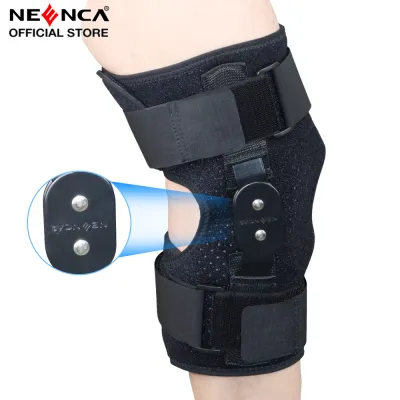
Moderate to severe instability, often characterized by occasional giving-way of the knee, ligament sprains, or post-surgical recovery, demands a higher tier of mechanical stabilization. For these conditions, a brace with dual-axis or polycentric hinges is highly beneficial. These hinges mimic the natural gliding motion of the knee joint, absorbing lateral forces and preventing the knee from shifting out of alignment during everyday movements.
Products mentioned in this guide
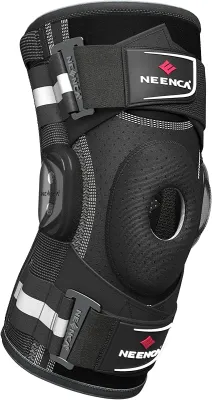
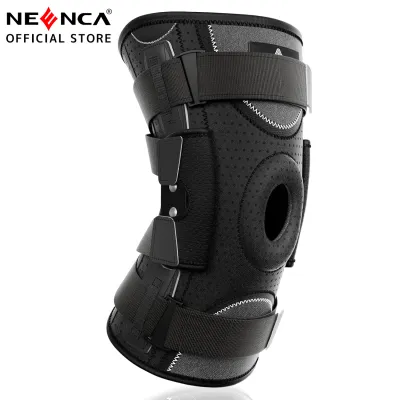
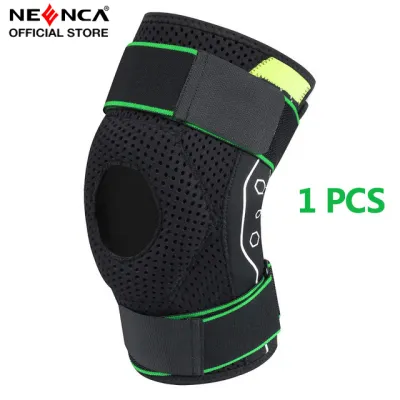
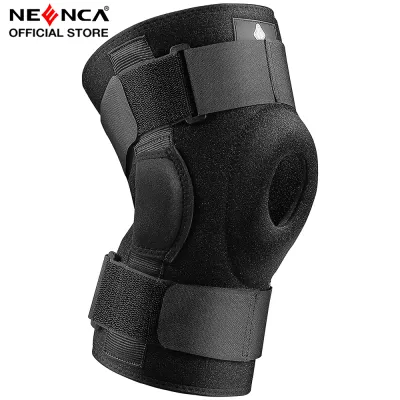
Prices are valid at publication and may change. Please refer to the product page for the latest price.
Regardless of the brace type you consider, a professional medical evaluation is an indispensable first step before making a purchase. If you experience severe swelling, an inability to bear weight, a sensation of the joint locking completely, or sharp, sudden pain, do not attempt to self-treat with an over-the-counter brace. A physician or physical therapist must diagnose the underlying structural damage to ensure that a hinged brace is safe and appropriate for your specific recovery plan.
Key Features to Check in Neenca Hinged Knee Braces
When evaluating different Neenca hinged knee braces, the hinge mechanism itself is the most critical component to inspect. Single-axis hinges operate on a simple pivot point, which is highly effective for basic flexion and extension but may not perfectly align with the complex, shifting axis of a human knee. Polycentric hinges, on the other hand, utilize multiple pivot points to track the natural, gliding path of the joint, reducing friction and preventing the brace from sliding down during movement.

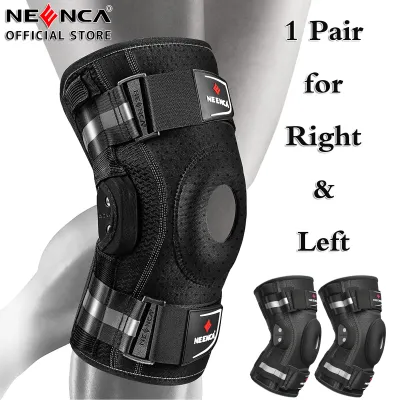
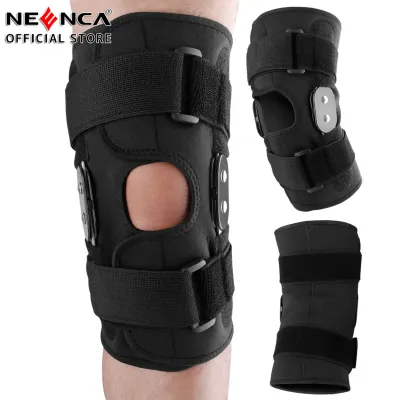
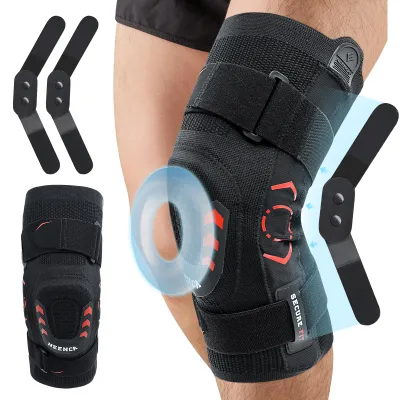
Strap configurations and patellar tracking designs also play a vital role in how securely the brace stabilizes your leg. Look for models featuring adjustable hook-and-loop straps that wrap above and below the knee joint, allowing you to customize the compression and prevent the brace from shifting. Additionally, an open-patella design with a built-in silicone gel pad or padded ring helps center the kneecap, reducing pressure on the patellar tendon and improving tracking during repetitive bending.
In warm and humid climates, such as Singapore’s year-round tropical weather, material breathability and moisture-wicking properties are essential for long-term comfort. Heavy neoprene can trap heat and sweat, leading to skin maceration, itching, and general discomfort. Prioritize braces constructed from advanced knit fabrics or perforated neoprene alternatives that promote airflow while maintaining therapeutic compression, ensuring you can wear the support comfortably throughout the day.
Choosing a Brace for Ligament Instability and Daily Use
Mild to moderate ligament instability can make simple daily tasks, such as standing up from a chair or walking on uneven pavement, feel uncertain. If you experience a subtle shifting sensation or mild aching after prolonged standing, your primary goal is to find a brace that provides reliable lateral support without restricting your ability to sit comfortably. A bulky, rigid brace can become highly frustrating during a standard workday, making low-profile designs much more practical.
For daily wear, check for braces that feature low-profile, removable hinges or flexible side stays. These components offer sufficient resistance against mild lateral twisting while allowing your knee to bend fully when sitting or driving. Verifying daily wear comfort requires paying close attention to how the materials interact with your skin over several hours. Look for soft inner linings and flat-locked seams that minimize friction against the skin, particularly in the sensitive area behind the knee, to prevent irritation.
Selecting Support for Post-Surgery or Severe Injury Recovery
Recovering from major knee trauma or surgical procedures like ACL reconstruction or meniscus repair demands a highly structured approach to joint protection. During this delicate phase, the knee is highly vulnerable to accidental twisting, hyperextension, or excessive load-bearing. Because of these risks, you must obtain explicit medical clearance and detailed guidance from your orthopedic surgeon or physical therapist before using any hinged brace.
When selecting a post-surgery recovery brace, look for rigid side stays made of high-strength aluminum or composite materials that completely block lateral movement. Many recovery-focused braces feature adjustable range-of-motion (ROM) hinges, which allow your physical therapist to lock the brace at specific angles or gradually increase your allowed flexion and extension as your tissues heal.
While wearing a highly supportive brace, you must remain highly sensitive to your body’s feedback and monitor for warning signs of complications. If you experience an increase in throbbing pain, sudden swelling, cold toes, or a tingling, numb sensation down your calf, immediately loosen or remove the brace. These symptoms often indicate that the brace is wrapped too tightly, restricting blood flow or compressing vital nerves, and require immediate consultation with your healthcare provider.
Finding the Right Brace for Sports Prevention and High-Impact Activities
Athletes and active individuals require a hinged knee brace that balances robust joint stabilization with the high degree of mobility needed for dynamic movements. The ideal brace for sports prevention must protect the ligaments from sudden lateral impacts or awkward landings without restricting your running stride or agility. To achieve this, you must carefully match the flexibility of the hinges and the tension of the straps to the specific demands of your sport.
For straight-line activities like running or cycling, a lightweight brace with flexible side stabilizers or highly fluid polycentric hinges is usually sufficient to prevent minor tracking issues. Conversely, lateral court sports such as tennis, badminton, or basketball involve rapid changes of direction that place immense stress on the collateral ligaments. For these activities, prioritize a brace with rigid hinges and dual cross-straps that actively resist lateral shearing forces during quick cuts.
To ensure the brace remains effective during high-impact actions, check for built-in anti-slip features such as internal silicone grip strips or wavy gel bands along the upper and lower cuffs. A secure, multi-strap fastening system ensures the brace stays perfectly positioned over your joint, allowing you to focus entirely on your performance.
How to Measure and Verify the Fit Before You Buy
An improperly fitted knee brace can cause a range of issues, from inadequate joint stabilization to painful circulation restriction. To avoid these problems, you must take precise measurements of your leg before purchasing a brace, rather than relying on your general clothing size. Use a flexible fabric measuring tape, or a piece of string that you can later measure against a ruler, to capture your dimensions accurately while standing upright with your leg slightly bent.
To find your correct size, measure the circumference of your thigh exactly 15 centimeters above the center of your kneecap. Next, measure your calf circumference at a point roughly 12 to 15 centimeters below the center of your kneecap. Once you have these two measurements, cross-reference them carefully with the manufacturer’s specific sizing chart, as sizing standards can vary significantly between different brace models and brands.
After your brace arrives, perform a thorough fit check to ensure it is safe and comfortable to wear. Signs of an improper fit include the brace slipping down your leg, painful pinching behind the knee, localized numbness, or a cold sensation in your foot. If you observe any of these signs, loosen the straps slightly; if the issues persist, you may need to exchange the brace for a different size to protect your circulation and ensure proper joint support.
Frequently Asked Questions (FAQ)
Can I wear a hinged knee brace all day?
Generally, you should not wear a hinged knee brace continuously all day unless specifically instructed by your physician. For standard daily use, it is highly recommended to remove the brace every two to four hours to perform a quick skin check and allow your muscles to engage naturally. Continuous, unmonitored wear can lead to muscle weakness, joint stiffness, and skin irritation. If you experience persistent numbness, skin redness, or increased swelling, remove the brace immediately.
How do I clean a Neenca hinged knee brace without damaging the hinges?
To clean your brace safely, remove the metal hinges from their designated pockets if the model allows. Hand-wash the fabric sleeve in cold water using a mild detergent, avoiding bleach or fabric softeners. Gently squeeze out excess water without wringing, and lay the sleeve flat to air-dry away from direct heat. Wipe the hinges with a damp cloth, ensure the Velcro is closed during washing to prevent lint buildup, and verify all components are completely dry before reassembling.
Community discussion
Share your experience or ask a question. Comments are reviewed before publication.