
To find the right support for your wrist, you must match the structural design of your brace to the specific stage and severity of your condition. Wrist discomfort can stem from various sources, ranging from long hours typing at a desk to sudden injuries sustained during sports. Finding the correct neenca wrist brace involves balancing your need for joint immobilization against your desire for mobility and comfort. By understanding how different brace structures target specific physiological issues, you can make an informed decision that promotes healing and prevents further strain.
The Neenca brand offers a variety of support options designed to address different levels of joint stress, recovery phases, and daily activities. Selecting the correct model requires evaluating your symptoms, recognizing the structural differences between brace types, and ensuring a proper fit. Taking a systematic approach to this process will help you find a brace that provides the right balance of stabilization, compression, and comfort for your lifestyle.
Assessing Your Wrist Condition and Support Needs
Before selecting a brace, it is essential to understand the nature of your wrist discomfort and the level of support your joint requires. Wrist issues generally fall into a few distinct categories, each demanding a different therapeutic approach.
Products mentioned in this guide
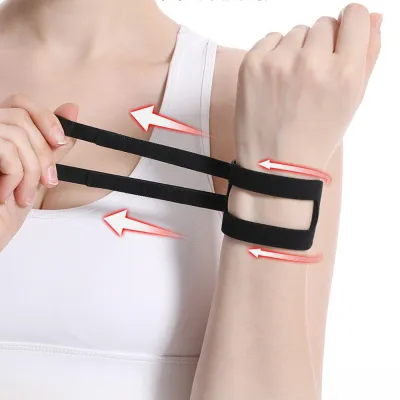
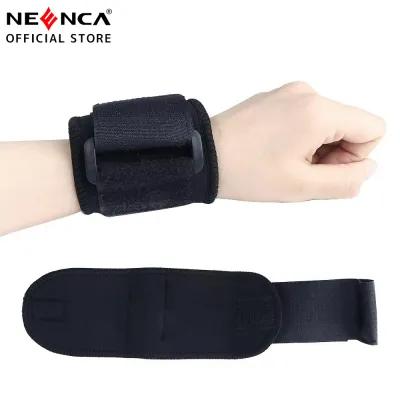
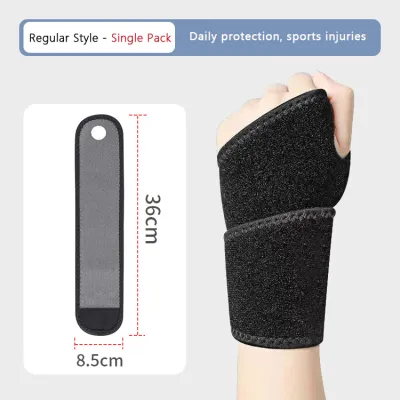
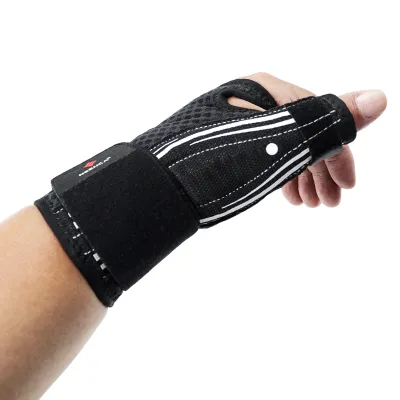
Prices are valid at publication and may change. Please refer to the product page for the latest price.
- Carpal Tunnel Syndrome: This condition occurs when the median nerve, which runs from your forearm into the palm of your hand, becomes squeezed or compressed at the wrist. Symptoms typically include tingling, numbness, and weakness in the hand and fingers, often worsening at night. Managing carpal tunnel syndrome successfully requires a high level of support to keep the wrist in a neutral, straight position, reducing pressure on the nerve.
- Sprains and Strains: A sprain involves the stretching or tearing of ligaments, which connect bone to bone, while a strain refers to injured muscles or tendons. These injuries often result from sudden impacts, falls, or excessive loads during physical activities like racket sports or weightlifting. Recovering from a sprain or strain requires moderate, adjustable stabilization to protect the healing tissues while allowing controlled movement.
- Tendonitis: This is the inflammation of the tendons that connect muscle to bone, often caused by repetitive motions such as typing, gaming, or assembly work. Tendonitis requires targeted compression and moderate support to limit repetitive bending, allowing the inflamed tendons to rest and heal.
- Daily Fatigue and Repetitive Strain: General soreness and fatigue can develop from prolonged, low-intensity activities. For these mild, chronic aches, light compression is often sufficient to stimulate blood flow, retain therapeutic warmth, and provide sensory feedback that helps you maintain a safer wrist posture.
Understanding these conditions helps you determine the appropriate level of support:
- Immobilization (Rigid): This level of support completely restricts wrist flexion and extension. It is achieved through integrated metal or composite splints and is necessary for acute injuries, severe nerve compression, or post-operative recovery.
- Moderate Stabilization (Adjustable): This approach limits extreme ranges of motion while allowing functional use of the hand. It relies on adjustable wraps and semi-flexible stays to provide customizable support.
- Mild Compression (Flexible): This level of support uses elastic or knit sleeves to apply uniform pressure, promoting circulation and joint awareness without restricting your natural movement.
Please keep in mind that a wrist brace is designed as a supportive tool and is not a medical cure. If you experience severe pain, persistent numbness, visible swelling, suspected fractures, or symptoms that worsen over time, consult a qualified healthcare professional in Singapore. Proper medical evaluation is critical to ensure you receive an accurate diagnosis and a comprehensive treatment plan.
Matching Neenca Wrist Brace Designs to Your Condition
While specific model numbers and product names may vary over time, the fundamental architecture of a neenca wrist brace falls into three primary structural designs: rigid splints, adjustable wraps, and compression sleeves. Selecting the correct structural design is far more important than memorizing specific product codes, as the physical features of the brace directly determine its level of support and therapeutic utility.

Rigid Splint Braces for Immobilization and Nerve Compression
Rigid splint braces are engineered for maximum stabilization, making them the ideal choice for conditions that require strict joint immobilization. They are highly effective for managing carpal tunnel syndrome, severe tendonitis, or the early stages of recovery following a significant wrist injury. By preventing the wrist from bending upward, downward, or side-to-side, these braces keep the joint in a neutral alignment, which minimizes pressure on the median nerve and allows irritated tendons to rest without further strain.
When evaluating a rigid splint brace, look for key structural features on the product label. A high-quality model should feature an anatomically contoured palmar splint, typically made of lightweight metal or rigid composite material, running along the underside of the wrist. Some designs also include dorsal splints on the top of the hand for multi-directional stability. Breathable mesh panels are essential to prevent heat buildup, while a secure multi-strap system—often featuring three adjustable hook-and-loop straps—allows you to customize the tightness and ensure the brace remains firmly in place.
However, rigid splint braces have clear limitations. Because they strictly limit wrist movement, they are bulky and unsuitable for active sports, typing, or tasks that require high manual dexterity. They can also feel restrictive during extended wear. Before purchasing, check the product description to see if the splints are removable. Removable splints are highly advantageous, as they allow you to wash the fabric portion easily and transition the brace into a lighter, flexible support as your joint strength improves.
Adjustable Wraps for Sprains and Moderate Stabilization
Adjustable wraps provide moderate stabilization and customizable compression, making them highly versatile for active individuals. They are best suited for recovering from mild to moderate sprains, managing arthritis flare-ups, or protecting the joint during activities that place high stress on the wrist, such as weightlifting, tennis, or functional fitness training. Unlike rigid splints, wraps allow a functional range of motion while reinforcing the joint against excessive lateral movement or hyperextension.
Key features to look for in an adjustable wrap include durable hook-and-loop closures that allow you to modify the tension based on your current pain level and activity. An integrated thumb loop is highly beneficial, as it anchors the brace to your hand, preventing it from slipping or shifting during movement. Dual-strap or multi-strap designs are also useful, as they allow you to apply targeted pressure directly over the areas of the joint that require the most support.
The primary limitation of adjustable wraps is that they can loosen during high-friction or high-intensity activities, requiring periodic readjustment. Additionally, users must exercise caution when applying the wrap; tightening the straps too much can restrict blood circulation or create uneven pressure points that irritate the skin. Proper wrapping technique is essential to achieve a balanced, supportive fit without compromising vascular health.
Compression Sleeves for Mild Pain and Daily Activities
Compression sleeves offer lightweight, flexible support designed for daily wear and continuous comfort. They are ideal for managing mild aches, preventing repetitive strain injuries during long office hours or gaming sessions, and providing general joint warmth during light physical activities. Sleeves do not restrict your movement; instead, they use gentle, uniform pressure to stimulate blood circulation, reduce minor swelling, and improve proprioception (your brain’s awareness of your joint’s position).
When choosing a compression sleeve, look for a high-quality, 4-way stretch fabric that conforms closely to the natural contours of your hand and wrist. Moisture-wicking and highly breathable knit materials are essential to keep your skin dry and comfortable throughout the day. A seamless or low-profile design is also critical, as it allows the sleeve to fit discreetly under clothing or office wear without causing chafing, bulkiness, or irritation.
It is important to recognize that compression sleeves provide no structural stabilization. They will not prevent your wrist from bending, making them completely unsuitable for acute injuries, severe ligament damage, or conditions like carpal tunnel syndrome that require strict joint immobilization. Using a sleeve when a rigid brace is required can delay healing and leave your joint vulnerable to further injury.
Essential Fit and Material Checks Before Purchasing
To ensure your selected brace functions effectively and remains comfortable over long periods, you must perform several practical checks regarding sizing, materials, and design specifications before making a purchase.
- Sizing Accuracy: Never guess your size based on clothing or glove measurements. To find your correct size, use a flexible tape measure to find the exact circumference of your wrist joint, measuring just above the bony prominence of your wrist. Compare your measurement directly to the manufacturer's official size chart. Keep in mind that sizing requirements vary significantly between styles: a compression sleeve requires a snug, precise fit to apply effective pressure, whereas an adjustable wrap offers more sizing tolerance due to its customizable straps.
- Material and Climate Considerations: Singapore's hot and humid tropical climate poses a unique challenge for wearable braces. Heavy, non-breathable materials can trap sweat against your skin, leading to discomfort, itching, or skin maceration (the softening and breaking down of skin due to prolonged moisture). Prioritize braces featuring advanced breathable knits, open mesh panels, or moisture-wicking fabrics that facilitate rapid sweat evaporation and keep your skin cool.
- Skin Sensitivity: If you have sensitive skin or a history of contact dermatitis, examine the material composition carefully. Check product labels for hypoallergenic, latex-free, or neoprene-free options. While neoprene provides excellent insulation and durability, it can trigger allergic reactions or excessive sweating in sensitive individuals under local weather conditions.
- Hand Specificity: Before finalizing your purchase on an online marketplace, verify the hand compatibility of the model. Some designs are universal or ambidextrous, meaning they can be worn on either the left or right hand. Others are anatomically contoured and specifically designated for either the left or the right wrist. Buying the incorrect side will compromise both the fit and the therapeutic effectiveness of the splints.
Safe Usage, Maintenance, and When to Stop
Proper usage and regular maintenance of your wrist brace are essential to ensure its effectiveness, prevent secondary complications, and extend the lifespan of the product.
- Wearing Guidelines: When applying your brace, aim for a "snug but comfortable" fit. It should feel secure without throbbing, pinching, or causing discomfort. To check if the brace is too tight, perform a simple capillary refill test: press firmly on one of your fingernails until it turns white, then release. The natural pink color should return within two seconds. Additionally, monitor your fingers for any signs of restricted blood flow or nerve compression, such as coldness, numbness, tingling, or a bluish tint. If you experience any of these symptoms, loosen the straps immediately.
- Duration Limits: Avoid wearing a rigid splint brace 24/7 unless a medical professional has explicitly instructed you to do so. Over-reliance on rigid support can cause the surrounding muscles to weaken (atrophy) and the joint to become stiff, ultimately delaying your recovery. Use the brace strategically during activities that trigger pain or during sleep, and allow the wrist to move naturally during low-stress periods to maintain muscle strength and joint mobility.
- Cleaning Instructions: Regular maintenance is vital to prevent bacterial growth and unpleasant odors, especially in humid environments. Hand-wash the brace in cool water using a mild, non-abrasive soap. Avoid using bleach, fabric softeners, or harsh chemicals. If the brace has removable metal splints, always slide them out before washing. Gently squeeze out excess water without wringing or twisting the fabric. Air-dry the brace flat in a well-ventilated indoor space, away from direct sunlight, clothes dryers, or direct heat sources, as high heat can degrade elastic fibers and weaken hook-and-loop fasteners.
- Stopping Conditions: Pay close attention to how your body responds to the brace. Remove the brace immediately and consult a doctor if you experience increased pain, persistent skin redness, rashes, blistering, or worsening neurological symptoms like burning or numbness.
Frequently Asked Questions (FAQ)
Can I wear a Neenca wrist brace while sleeping?
Yes, rigid splint braces are often recommended for nighttime use, particularly for conditions like carpal tunnel syndrome. During sleep, many people unconsciously bend their wrists, which increases pressure on the median nerve and leads to morning pain or numbness. A rigid brace keeps the wrist in a neutral position overnight, preventing this bending. However, tight compression sleeves or highly restrictive wraps should generally be avoided during sleep, as they can shift and impede circulation when you are unable to monitor them. Always follow a healthcare professional’s specific guidance regarding overnight wear.
How tight should my wrist brace be?
Your wrist brace should be snug but comfortable. It should provide noticeable support and compression without causing throbbing, numbness, tingling, or coldness in your fingers. A practical rule of thumb is to ensure you can comfortably slide one finger under the edge of the brace or straps. If you cannot do so, or if you notice any skin indentation or color changes in your hand, the brace is too tight and should be loosened immediately to prevent restricted circulation.
Will a wrist brace weaken my wrist muscles over time?
Yes, prolonged and unnecessary use of a rigid immobilization brace can lead to muscle atrophy and joint stiffness over time. When a brace does all the work of supporting your joint, the surrounding muscles do not need to engage, which can weaken them. To prevent this, use rigid braces selectively during painful activities or as directed by a doctor. As your condition improves, transition to lighter, flexible support and incorporate targeted wrist-strengthening and mobility exercises, ideally guided by a physical therapist, to rebuild your natural joint stability.
Community discussion
Share your experience or ask a question. Comments are reviewed before publication.