
Selecting the right night splint is a critical step toward managing persistent joint discomfort and promoting recovery while you rest. Whether you are dealing with the sharp morning heel pain of plantar fasciitis or the waking numbness of carpal tunnel syndrome, these supportive devices work by holding your joint in a stable, therapeutic position overnight. However, choosing an unsuitable model can lead to sleepless nights, skin irritation, or even worsened symptoms. Finding the ideal splint requires a clear understanding of your specific condition, the structural designs available, and how to achieve a precise, secure fit.
Identify Your Joint Target and Underlying Condition
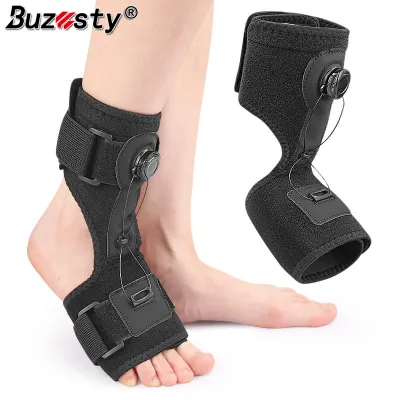
Before purchasing a night splint, you must pinpoint the exact joint requiring support and understand the underlying condition causing your discomfort. Night splints are highly specialized tools designed for specific anatomical areas, meaning a device engineered for one joint cannot be adapted for another. For instance, individuals suffering from plantar fasciitis or Achilles tendon tightness require a foot and ankle splint that keeps the foot in a dorsiflexed position, gently stretching the plantar fascia and calf muscles. Conversely, those experiencing carpal tunnel syndrome need a wrist splint that maintains a neutral, straight wrist alignment to minimize pressure on the median nerve.
It is vital to recognize when your symptoms require a professional medical evaluation before you begin using any over-the-counter support. If you experience sudden, severe swelling, unexplained bruising, sharp radiating pain, or a complete loss of sensation in the affected limb, consult a healthcare provider immediately. A night splint is not a universal remedy for all joint pain, and using one without a proper diagnosis can delay appropriate treatment for fractures, severe ligament tears, or systemic inflammatory conditions.
Products mentioned in this guide

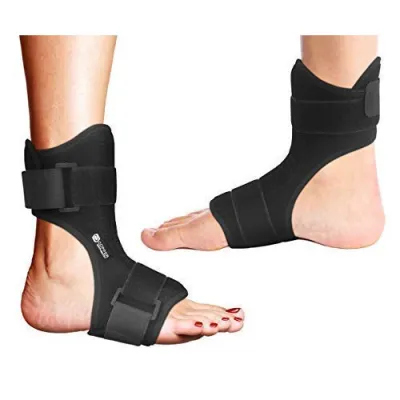
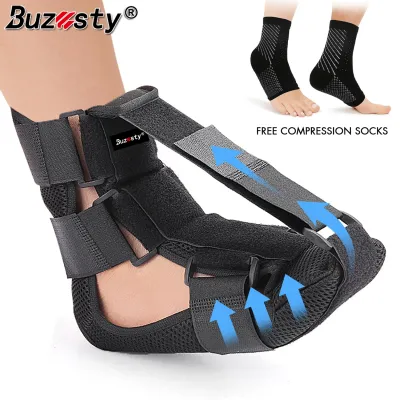

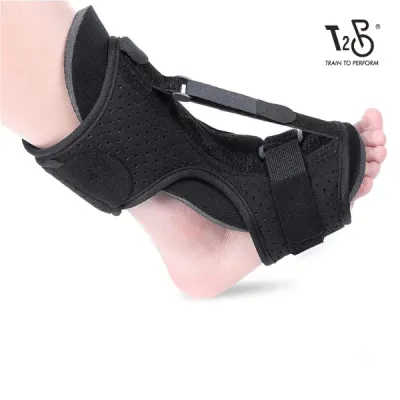
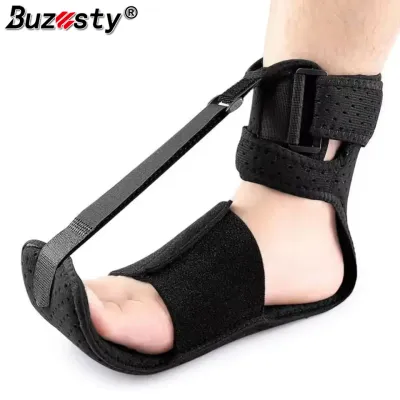
Prices are valid at publication and may change. Please refer to the product page for the latest price.
Understanding the mechanical goal of a night splint will help manage your expectations and guide your selection. These devices are designed to maintain a neutral or gently stretched position to prevent tissue contraction during long periods of rest, rather than actively curing the underlying condition. When you sleep, your muscles and tendons naturally relax and shorten; a splint keeps these tissues elongated, reducing the micro-tears and sudden tension that cause intense pain during your first morning steps or movements.
Compare the Main Structural Designs
Once you have identified your target joint, evaluate the structural designs to balance immobilization with sleep comfort. Lower-limb splints feature dorsal or posterior designs, which interact differently with your sleep position. Dorsal splints run along the front of the ankle and the top of the foot, leaving the heel and sole exposed. This design is favored by side sleepers and those who feel restricted in bulky braces, as it allows for better heat dissipation. Posterior splints run along the back of the calf and the bottom of the foot, offering maximum rigidity and a consistent stretch, making them excellent for back sleepers.

Another comparison is between boot-style enclosures and open-strap systems. Boot-style splints wrap around the entire foot and lower leg, providing a secure fit that prevents accidental movement. However, this complete enclosure is bulkier and retains more heat. Open-strap systems utilize a minimal, lightweight frame secured by adjustable straps, offering superior breathability and a less restrictive feel while maintaining the necessary joint angle.
You must also choose between rigid support bars and flexible fabric tensioners. Rigid plastic or metal stays provide unyielding structural integrity, which is essential when a precise, unchanging joint angle is required to prevent nerve compression or severe tendon shortening. Flexible fabric tensioners, often found on softer dorsal splints, use adjustable straps to pull the joint into position. These allow for a more forgiving stretch and greater mobility, making them ideal for individuals who find absolute immobilization too uncomfortable.
Evaluate Sizing, Materials, and Adjustability
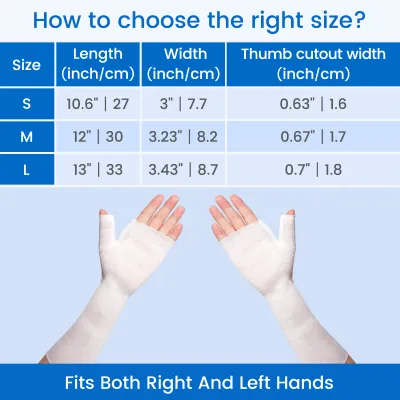
Achieving a successful outcome depends heavily on selecting the correct size and verifying material quality. Never rely on standard shoe or clothing sizes, as manufacturers use highly specific measurement criteria. For a foot splint, measure your calf circumference and foot length. For a wrist splint, measure your wrist circumference and palm width. Comparing these dimensions against the manufacturer’s sizing chart ensures the device stays securely in place without slipping or constricting circulation.
Evaluate the materials that contact your skin for breathability and comfort. Look for splints featuring moisture-wicking, open-cell foam liners or hypoallergenic fabrics that prevent sweat accumulation. Because you will wear the device for six to eight hours continuously, trapped moisture can lead to skin irritation and breakdown. Avoid synthetic materials that do not allow air to circulate, and prioritize liners that can be easily removed for washing.
Adjustability is another critical feature that impacts both comfort and therapeutic progress. Look for devices with multi-point strap systems, which allow you to distribute pressure evenly across the limb rather than concentrating tension on a single spot. Additionally, high-quality splints often feature adjustable hinge mechanisms or tension straps. These components allow you to customize the angle of the stretch, starting with a gentle position and gradually increasing the angle as your flexibility improves.
Step-by-Step Guide to Fitting and Wearing the Splint
Properly applying your night splint is essential to ensure therapeutic alignment and maintain healthy blood circulation. Before putting on the device, prepare your skin by washing the area and ensuring the limb is completely dry. Avoid applying heavy lotions, creams, or oils immediately before wearing the splint, as these substances can trap moisture, cause the materials to slip, and degrade the foam liners.
Next, align the support structure or hinge of the splint with your joint’s natural anatomical axis. For a foot splint, slide your foot into the device, making sure your heel is seated firmly in the heel pocket. For a wrist splint, position your hand so that the contoured metal stay rests comfortably along the natural curve of your palm. Misalignment can place unnatural torque on the joint, leading to increased pain.
When securing the device, tighten the straps in a systematic sequence, typically moving from distal to proximal (from the point furthest from your body to the closest). For a foot splint, secure the toe or foot straps first, followed by the ankle strap, and finally the calf strap. This sequence prevents fluid from pooling in your extremities and ensures an even fit. The straps should be snug enough to prevent shifting, but not so tight that they restrict blood flow.
Finally, verify the fit by checking for normal sensation, warmth, and capillary refill. You should be able to slide one finger comfortably under each strap. Press firmly on a fingernail or toenail for a few seconds; the color should return to pink within two seconds of releasing the pressure. If you experience any stop conditions—such as numbness, tingling, coldness, pale skin, or sharp pain—remove the splint immediately and consult a healthcare professional.
Adapt Your Sleep Routine and Maintain the Equipment
Adapting to the physical restriction of a night splint requires patience and a few adjustments to your sleeping environment. The added bulk can make finding a comfortable sleeping position challenging. Side sleepers using a foot splint often benefit from placing a supportive pillow between their knees to keep the hips and legs aligned, preventing the splint from twisting. Back sleepers can place a small pillow under their calf to elevate the heel slightly, reducing direct pressure on the mattress.
Follow a gradual wear-time progression rather than attempting to wear the splint for a full night immediately. Start by wearing the device for one to two hours during the evening while relaxing to accustom your body to the sensation. Gradually increase the duration by an hour each night as tolerated. This progressive approach helps minimize sleep disruption and allows your muscles and tendons to adapt gently to the continuous stretch.
Proper maintenance is essential to keep your splint hygienic and extend its lifespan. Always follow the specific care labels provided by the manufacturer. Removable fabric liners should be hand-washed in cool water using a mild, fragrance-free soap, then left to air dry completely. Wipe down rigid plastic shells or metal stays with a damp cloth and mild soap. Never place any part of the splint in a clothes dryer, as high heat can warp the structural components and weaken the fasteners.
Frequently Asked Questions (FAQ)
Is it safe to wear a night splint if I have diabetes or neuropathy?
Individuals diagnosed with diabetes, peripheral neuropathy, or any condition that compromises circulation or nerve sensation must obtain explicit medical clearance before using a night splint. Because these conditions diminish your ability to feel pain or pressure, you may not notice if a strap is too tight or if a rigid edge is rubbing against your skin. This lack of sensation significantly increases the risk of developing unnoticed pressure sores, friction blisters, or restricted blood flow. If cleared by a healthcare provider, perform thorough daytime skin checks daily and strictly adhere to professional wear-time guidelines.
What should I do if the splint causes skin irritation or blisters?
If you experience skin irritation, redness, or blisters, stop using the splint immediately to allow the skin to heal. Check the tension of the straps to ensure they are secure but not overly tight, and verify that the splint’s edges and seams are properly aligned. Ensure your skin is completely clean and dry before application, and avoid using heavy moisturizers beforehand. If the manufacturer’s guidelines permit, you can wear a thin, seamless, breathable cotton sock or sleeve under the splint to act as a protective barrier. If the irritation persists, consult a healthcare professional before resuming use.
Community discussion
Share your experience or ask a question. Comments are reviewed before publication.