
Selecting the right OPPO knee support involves matching the physical demands of your daily routine or sport with the specific structural design of the brace. Because different activities place distinct mechanical stresses on the knee joint, a single style cannot serve every purpose. By evaluating whether you require general compression for mild warmth, targeted patellar tracking for repetitive bending, or rigid lateral stabilization for multi-directional movements, you can identify the design that best preserves your mobility and comfort.
Assessing Your Activity Level and Knee Needs
To find the most effective support, you must first analyze the specific movements you perform throughout the day. Low-impact daily activities, such as walking to the local transit station, standing for extended periods at work, or climbing stairs, primarily require light compression and mild joint warmth. These activities place predictable, linear loads on the knee, where a basic level of support can help manage minor fatigue and improve proprioception—your body’s awareness of joint positioning.
In contrast, high-impact sports and multi-directional activities introduce complex forces that demand more robust stabilization. Running on hard pavement, jumping during basketball, or executing rapid lateral pivots on a badminton court subject the knee to intense vertical shock and rotational stress. For these movements, a support must offer structural reinforcement to help manage lateral shifting and absorb sudden impacts, preventing the joint from moving outside its natural plane of motion.
Products mentioned in this guide
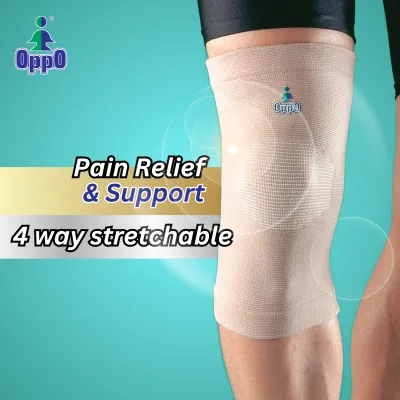
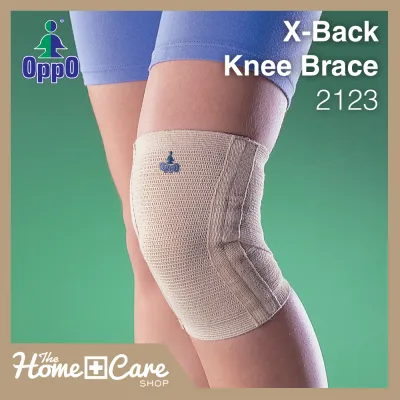
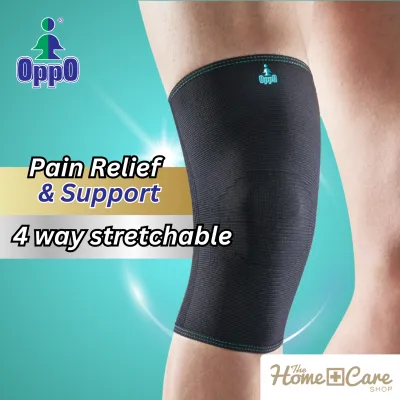
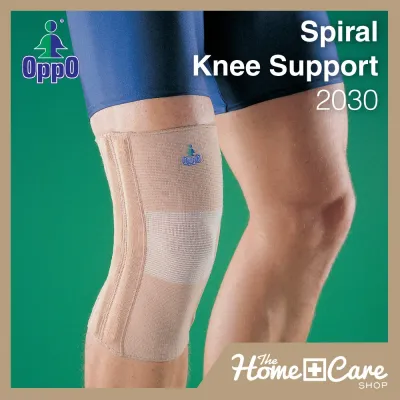
Prices are valid at publication and may change. Please refer to the product page for the latest price.
Your choice also depends heavily on the specific knee concerns you are addressing. If you experience general joint stiffness or mild swelling after a long day, a simple compression sleeve may suffice to promote circulation and comfort. However, if you struggle with patellar tracking issues—where the kneecap does not glide smoothly within its groove—you will require a design that features a dedicated patellar ring or strap to keep the kneecap properly aligned during movement.
It is equally important to distinguish between using a support for proactive joint protection during physical activity versus managing discomfort during recovery. Proactive use focuses on maintaining joint warmth and providing light structural boundaries during high-effort sports to reduce the risk of minor strains. Recovery use, on the other hand, often requires a more restrictive design that limits specific ranges of motion to allow irritated tissues or ligaments to heal without being subjected to further stress.
Matching Support Designs to Your Movement Patterns
OPPO knee supports are categorized into several distinct structural designs, each engineered to address specific movement patterns and levels of joint instability. Understanding how these designs interact with your knee anatomy allows you to select a model that supports your activity without unnecessarily restricting your natural range of motion.

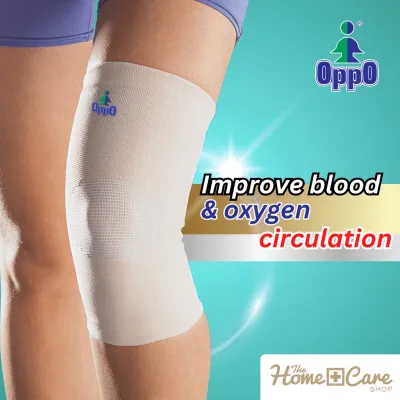
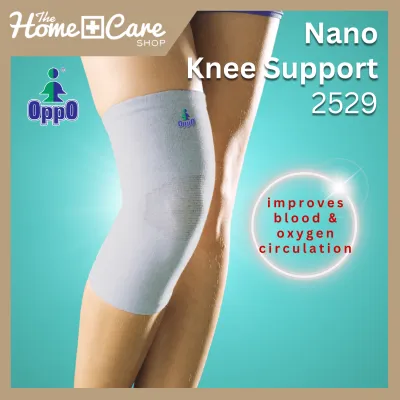
Sleeve and closed-patella designs represent the most straightforward form of joint support. Typically constructed from elastic knit or neoprene, these sleeves slide directly over the leg to provide uniform compression around the entire knee joint. This continuous pressure helps retain therapeutic heat, improve local blood circulation, and enhance joint stability during simple, linear movements like walking, light jogging, or straight-line cycling. Because they lack rigid structural elements, closed-patella sleeves are highly flexible and comfortable for extended wear, making them ideal for low-intensity daily routines.
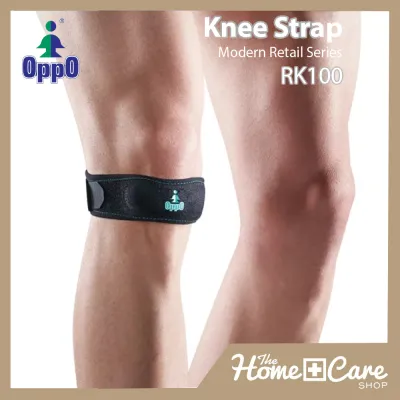
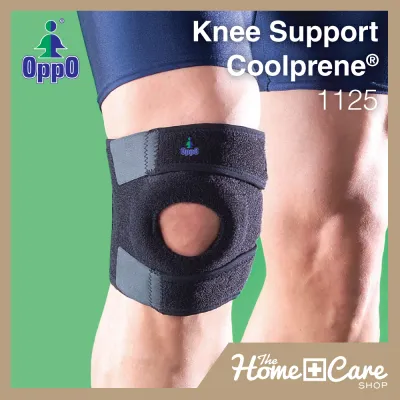
Open-patella and strap-based designs are specifically engineered to relieve pressure on the kneecap and improve patellar tracking. By leaving the patella exposed through a circular opening, these supports reduce direct compression on the kneecap itself while stabilizing the surrounding tissues. Many open-patella models incorporate a padded buttress or silicone ring around the opening to gently guide the kneecap, preventing it from shifting out of alignment during repetitive bending, squatting, or climbing. This design is highly beneficial for activities that involve frequent knee flexion, such as hiking, weightlifting, or functional fitness training.
For activities that require multi-directional movement or involve lateral pivoting, wrap-around and reinforced models provide the necessary structural reinforcement. These designs often feature built-in flexible spiral stays or rigid hinges along the sides of the knee to resist lateral bending and rotational forces. Wrap-around models utilize adjustable hook-and-loop straps, allowing you to customize the level of compression and fit to your specific leg shape. This is particularly useful for individuals with non-standard leg proportions or those who experience fluctuating joint swelling. When selecting a reinforced model, always verify the specific structural limits and intended use indicated on the product label to ensure the level of stabilization matches your sport’s demands.
Evaluating Materials for Comfort and Climate
The material composition of your knee support directly influences its comfort, durability, and suitability for different environmental conditions. In warm and humid climates, such as Singapore’s tropical weather, selecting a material that manages heat and moisture effectively is essential to prevent skin irritation and ensure you can wear the support for the duration of your activity.
For intense cardiovascular workouts, outdoor sports, or prolonged use in warm environments, breathability and moisture-wicking properties are critical. Lightweight knit fabrics and specialized breathable elastics allow air to circulate freely around the joint, helping to dissipate body heat and rapidly wick sweat away from the skin. This keeps the knee cool and dry, reducing the risk of chafing, sweat rashes, and slippage caused by moisture buildup inside the sleeve.
Neoprene, on the other hand, is a synthetic rubber known for its excellent heat retention and high level of compression. Neoprene supports are highly effective at trapping body heat, which helps keep muscles and joints warm, flexible, and ready for action. This sustained warmth can be highly beneficial for managing chronic joint stiffness or warming up before a workout. However, because neoprene is less breathable than knit fabrics, it can trap sweat during high-intensity activities in hot weather. If you choose a neoprene model, look for designs that feature ventilation holes or moisture-wicking inner linings to improve comfort.
Before purchasing any knee support, it is vital to check the product labels and packaging for material safety and care instructions. If you have sensitive skin or a known allergy, look for latex-free indicators to avoid allergic contact dermatitis. Additionally, review the manufacturer’s washing instructions; most high-quality supports require gentle hand-washing in cold water with mild soap and must be air-dried to preserve the elasticity and structural integrity of the materials over time.
Sizing, Fit, and Pre-Purchase Checks
An improperly fitted knee support can cause more harm than good, potentially restricting blood circulation, causing skin irritation, or failing to provide the necessary joint stabilization. Taking accurate measurements and performing a thorough fit check before wearing the support during activity is essential for both safety and effectiveness.
To determine your correct size, you must measure your leg dimensions according to the manufacturer’s specific sizing chart. For most OPPO knee supports, this involves using a flexible measuring tape to measure the circumference of your knee joint. Stand upright with your leg fully extended but relaxed, and wrap the tape directly around the center of your kneecap (the patella). Some specialized models may also require you to measure the circumference of your thigh or calf at a specific distance above or below the kneecap. Always refer to the exact sizing guide on the product packaging, as sizing can vary significantly between different styles and materials.
Once you have put on the support, you must identify the physical signs of a poor fit. A support that is too tight can restrict blood flow and compress nerves, leading to symptoms such as numbness, tingling, coldness in the lower leg or foot, or visible swelling below the brace. Conversely, a support that is too loose will slip down your leg during movement, bunch up behind the knee, or fail to provide noticeable compression, rendering it ineffective.
When adjusting supports that feature straps, hinges, or hook-and-loop closures, apply tension gradually and evenly. Start by securing the straps closest to the joint center, then move outward to the upper and lower straps. The support should feel snug and secure, providing firm compression without pinching the skin or restricting your natural range of motion. You should be able to slide one or two fingers comfortably under the edges of the support; if you cannot, the straps are likely over-tightened and should be loosened immediately.
Safety Limits and When to Consult a Professional
While commercial knee supports are valuable tools for managing minor discomfort and providing temporary joint stability, they have clear physical limits. It is essential to recognize when a knee issue requires professional medical evaluation rather than self-management with an over-the-counter brace.
You must be able to identify red-flag symptoms that indicate a potentially serious joint injury. If you experience severe acute pain, rapid and significant swelling within hours of an injury, an inability to bear weight on your leg, or a sensation of the joint “locking” or completely giving way, you should seek immediate medical attention from a doctor or physiotherapist. These symptoms often point to structural damage, such as ligament tears or meniscus injuries, which cannot be resolved by a commercial support alone.
It is also crucial to understand that an external brace is a passive support mechanism. It does not replace the need for active rehabilitation, targeted muscle strengthening, or professional physical therapy. Relying solely on a knee support to mask pain while continuing to subject the joint to high-stress activities can lead to progressive joint damage and delay proper healing. A comprehensive recovery plan should always focus on strengthening the quadriceps, hamstrings, and hip stabilizers to provide natural, long-term support to the knee joint.
Finally, always prioritize your skin and joint health by monitoring how your body responds to the support. If you notice new or worsening pain, skin breakdown, blisters, or persistent redness after wearing the brace, stop using the product immediately. Consult a healthcare professional to determine if you require a different type of support, a custom-fitted orthotic, or an alternative treatment plan to address the underlying cause of your knee discomfort.
Frequently Asked Questions (FAQ)
Can I wear a knee support all day during daily activities?
Generally, commercial knee supports should only be worn during active hours when you are standing, walking, or engaging in physical exercise. It is highly recommended to remove the support during periods of prolonged rest, sitting, or sleep, as continuous compression when inactive can impede blood circulation and cause skin irritation. Always monitor your skin for signs of redness or swelling, and follow the specific wear-time recommendations provided by the manufacturer on the product packaging.
How should I clean and maintain my knee support?
To preserve the elasticity and structural integrity of your knee support, hand-wash it in cold water using a mild detergent or soap. Avoid using bleach, fabric softeners, or harsh chemicals, as these can degrade the synthetic fibers and neoprene. After washing, gently squeeze out excess water without wringing or twisting the fabric, and lay the support flat to air-dry in a well-ventilated area away from direct sunlight or artificial heat sources. Regularly inspect the straps, hook-and-loop closures, and any built-in stabilizers for signs of wear and tear before each use.
Will wearing a knee support weaken my muscles over time?
Relying on a highly restrictive knee support as a permanent, continuous substitute for natural joint function can lead to muscle weakness and joint dependency over time. To prevent this, use the support strategically during high-stress activities or acute recovery phases, and combine its use with targeted strengthening and flexibility exercises for your legs and hips. If you are unsure how to balance the use of a support with active rehabilitation, consult a physiotherapist to design a structured exercise plan that rebuilds your natural joint stability.
Community discussion
Share your experience or ask a question. Comments are reviewed before publication.