
Selecting the right Ortlieb bag for navigating Singapore’s Park Connector Network (PCN) depends on your daily riding habits, your bicycle type, and how you manage the tropical climate. Because the PCN connects residential hubs to commercial districts, your choice must balance carrying capacity with the physical demands of high humidity and sudden downpours. By matching your specific commuting, utility, or recreational needs to the correct bag design, you can ensure a secure, dry, and stable ride across the island.
Identifying Your Primary PCN Cycling Scenarios
To narrow down your choices, first define how you intend to use the PCN on a daily basis. Commuters riding to work have different requirements than weekend fitness enthusiasts or those running local errands.
If you use the PCN to ride to work, your primary concern is protecting electronics and professional attire. You need to evaluate bags that offer dedicated laptop compartments, internal organizers for documents, and quick-access pockets for office passes or keys. Because Singapore’s humid weather often necessitates a change of clothes, your bag must have enough volume to separate clean office wear from damp cycling gear. A bag that transitions smoothly from a bicycle rack to an office environment prevents the need for carrying multiple separate packs.
Products mentioned in this guide
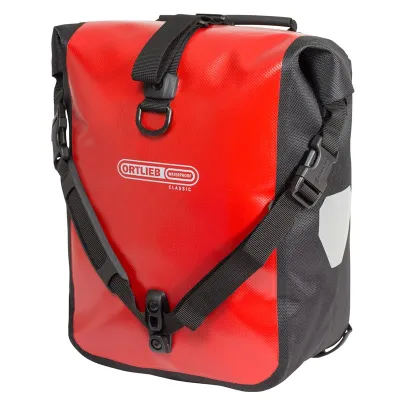
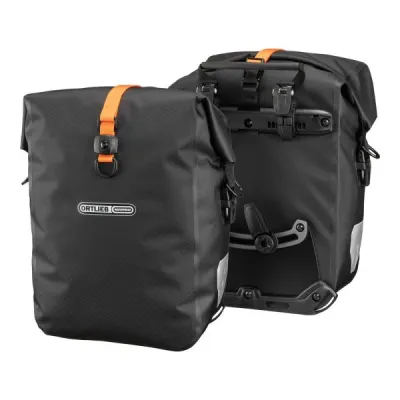
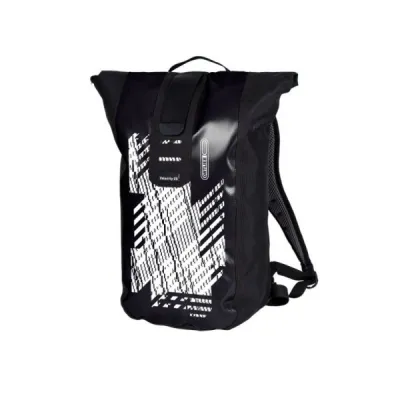
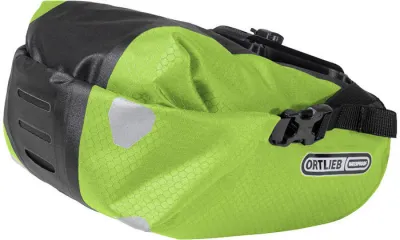
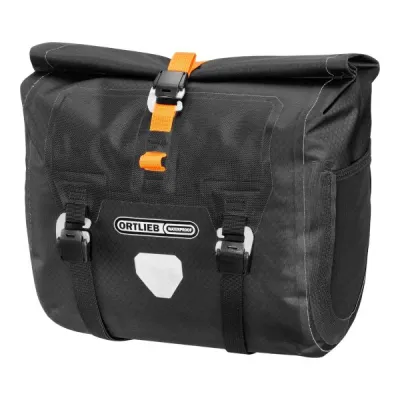
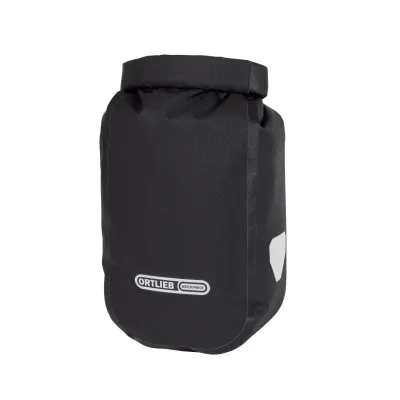
Prices are valid at publication and may change. Please refer to the product page for the latest price.
For those utilizing the PCN for errands or grocery shopping, volume and ease of loading are paramount. Look for open-top designs or highly expandable roll-top systems that accommodate bulky, irregular items. These bags must handle heavier loads without compromising your balance on shared paths, making structural stability a key factor. A wide opening allows you to pack groceries quickly at the supermarket before riding home.
If your PCN journeys are focused on weekend fitness or leisure, carrying excess weight or bulky profiles can create unnecessary wind resistance and fatigue. For these rides, prioritize compact, lightweight bags that tuck neatly behind your saddle or mount low on your frame. This keeps your bicycle agile and responsive when navigating tight corners or pedestrian-heavy sections of the greenways.
Evaluating Ortlieb Pannier and Bag Categories
Ortlieb organizes its carrying solutions into distinct categories based on mounting location, capacity, and closure style. Understanding how these configurations distribute weight across your bicycle frame is essential for maintaining control on the PCN. Choosing the right category requires balancing your daily storage volume requirements against the physical footprint the bag leaves on your bike.

Rear Panniers for Commuting and Utility
Rear-mounted panniers are the traditional choice for high-capacity storage, utilizing a roll-top closure that allows you to adjust the bag’s volume based on its contents. This design is highly effective for packing change of clothes, shoes, and groceries. However, you must evaluate the physical length of the bag against your bicycle’s chainstay length. On smaller bicycle frames or folding bikes, oversized rear panniers can lead to heel strike, where your shoe collides with the bag during each pedal stroke. To prevent this, look for models with angled profiles that provide extra clearance for your feet.
Compact and Front Panniers for Recreational Rides
Smaller, compact panniers—often designed for front low-rider racks—offer an excellent alternative for minimalist riders or those seeking balanced weight distribution. Mounting smaller bags on a front rack lowers the bicycle’s center of gravity, which can improve steering stability at moderate speeds. If you prefer a streamlined setup for recreational PCN loops, using a single compact rear bag or a pair of front-mounted bags keeps your profile narrow and reduces aerodynamic drag. This setup is particularly useful when navigating narrow shared paths where wider bags might brush against vegetation or barriers.
Convertible Options for Multi-Modal Commutes
For commuters who transition between cycling the PCN and taking the MRT or walking through commercial centers, convertible backpack-panniers offer a hybrid solution. These models feature integrated systems that allow you to cover or fold away the mounting hooks while deploying comfortable shoulder straps. When evaluating these hybrids, pay close attention to the back panel design; in Singapore’s tropical climate, a well-ventilated, breathable mesh panel is crucial to minimize sweat buildup during the walking portions of your journey. Ensure the conversion mechanism is quick and intuitive so you can transition from bike to foot without hassle at transit stations.
Verifying Weather Protection for Tropical Conditions
Singapore’s weather presents unique challenges, with sudden, intense tropical downpours and high humidity levels that can trap moisture inside your gear. To protect your laptop and spare clothes, you must verify the specific waterproofing mechanisms of your chosen bag. Roll-top closures are highly reliable because they create a physical barrier when folded tightly three to four times, whereas waterproof zipper systems offer faster access but require regular maintenance to keep the seals functional.
Rather than relying on general marketing terms like “water-resistant,” check the manufacturer’s specifications for Ingress Protection (IP) ratings. A rating of IP64, for example, indicates that the bag is dustproof and protected against splashing water from all directions, which is typically sufficient for heavy rain. Additionally, inspect the seam construction; high-frequency welded seams are standard in durable waterproof bags, as they fuse the fabric layers together without creating needle holes that could leak over time. You should also choose between the classic PVC-coated polyester fabric, which is highly durable and easy to wipe clean, and the lighter, PVC-free polyurethane-coated nylon fabric, depending on your weight preferences.
Checking Rack Compatibility and Mounting Hardware
Before purchasing any pannier, you must verify that the mounting hardware is fully compatible with your bicycle’s rack system. Ortlieb utilizes adjustable hook systems, such as the Quick-Lock2.1 (QL2.1) or Quick-Lock3.1 (QL3.1), which lock onto the rack rail when the carrying handle is lifted and release automatically when lowered. You need to measure the outer diameter of your rack’s tubing using a caliper to ensure it matches the hook sizes, which typically accommodate diameters from 8 mm to 16 mm.
Many bags include reduction inserts to adapt the hooks to thinner rack tubes, preventing the bag from rattling or sliding during your ride. Check for adjustable lower anchoring hooks, which prevent the bottom of the bag from swinging outward when you turn corners or ride over uneven PCN transitions. A secure, rattle-free fit not only protects your rack from paint wear but also ensures the bag remains stable under heavy loads. If you choose a QL3.1 system, verify if your rack has integrated mounting points or if you need to install the included mounting adapter plate.
Security, Anti-Theft, and Daily Convenience
Daily commuting on the PCN involves frequent stops, making bag security and convenience major considerations. While Ortlieb’s quick-release mounting systems make it incredibly easy to lift the bag off the rack and carry it with you, this convenience also makes the bag vulnerable to opportunistic theft if left unattended. You should check if the bag model is compatible with integrated cable locks that secure the mounting hooks directly to your rack, or plan to carry a separate lock to secure your belongings during brief stops.
Visibility is another critical safety factor, especially when riding along unlit or shaded stretches of the PCN during early mornings or late evenings. Look for bags equipped with large, high-visibility reflective patches on the sides and front. Some specialized product lines feature fully reflective fabric woven with high-luminance yarn, which significantly increases your visibility to other path users and motorists at intersections. Additionally, evaluate the ease of cleaning the bag’s exterior, as road grime and mud from wet PCN paths can accumulate quickly.
Frequently Asked Questions (FAQ)
Can I leave my Ortlieb bag on the bike rack outdoors?
It is not recommended to leave your bag mounted on an outdoor rack for extended periods when not in use. Prolonged exposure to intense tropical UV rays and constant high humidity can degrade the waterproof coatings, weaken the fabric, and cause plastic mounting components to become brittle over time. To maximize the lifespan of your equipment, consult the product manual for care instructions, and store the bag in a cool, dry, indoor environment when you are not riding.
Do I need a specific rack adapter for folding bikes?
Folding bikes, which are highly popular for PCN commuting in Singapore, often feature non-standard rack geometries, smaller wheel sizes, and lower clearance. You must check your folding bike manufacturer’s specifications to see if standard pannier hooks will fit their proprietary racks. In some cases, you may need specific adapter blocks, smaller hook inserts, or specialized compact racks to ensure the bag clears the ground and does not interfere with the folding mechanism.
Community discussion
Share your experience or ask a question. Comments are reviewed before publication.