
Choosing the right paddle guard tip is essential for preserving your paddle’s structural integrity, maintaining stroke efficiency, and protecting your equipment from costly damage. A mismatched guard can lead to loose fitment, slippage, or even structural damage to your paddle shaft. To select the correct accessory, you must align the guard’s inner diameter, shape, and material composition with your specific paddle’s physical dimensions and brand specifications. Whether you are navigating the calm waters of Marina Reservoir or paddling along the coastal currents of the Southern Islands, selecting the correct guard ensures your gear remains reliable.
Measure and Identify Your Paddle Shaft Specifications
To find a paddle guard tip that fits securely, you must first determine the exact physical specifications of your paddle shaft. Visual estimation is highly unreliable and frequently leads to purchasing mismatched accessories that either slide off or fail to mount correctly.
The most accurate way to measure your shaft diameter is by using a set of digital calipers. Slide the calipers over the shaft at the exact point where the guard tip will sit, which is typically the transition zone between the shaft and the blade neck. Clamp the calipers gently until they make full contact with the surface without compressing the material, and note the measurement in millimeters. If you do not have digital calipers, you can use a flexible, non-stretchable measuring tape. Wrap the tape snugly around the circumference of the shaft at the installation point. Record the circumference measurement, then divide that number by pi (approximately 3.1416) to calculate the outer diameter of your shaft.
Products mentioned in this guide
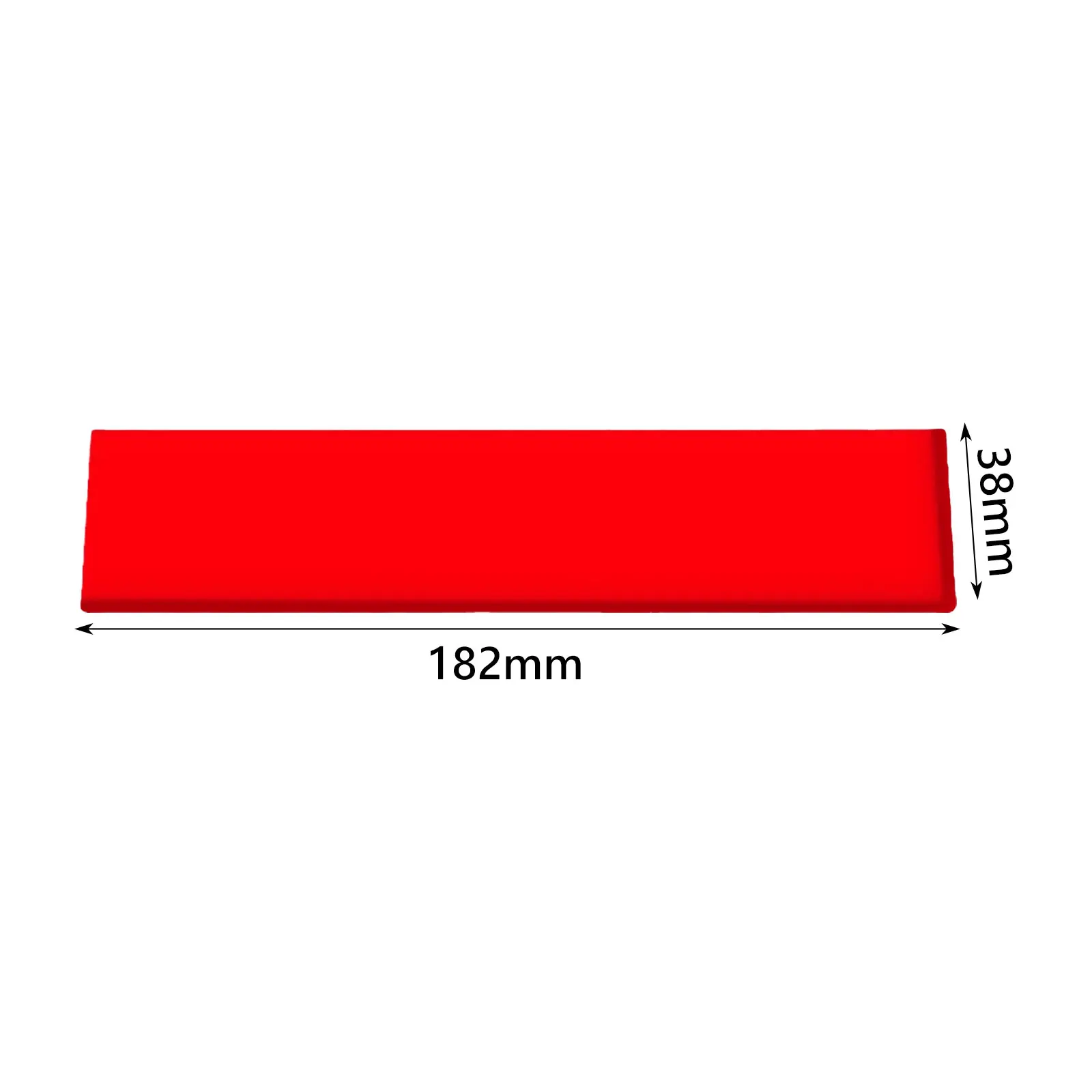
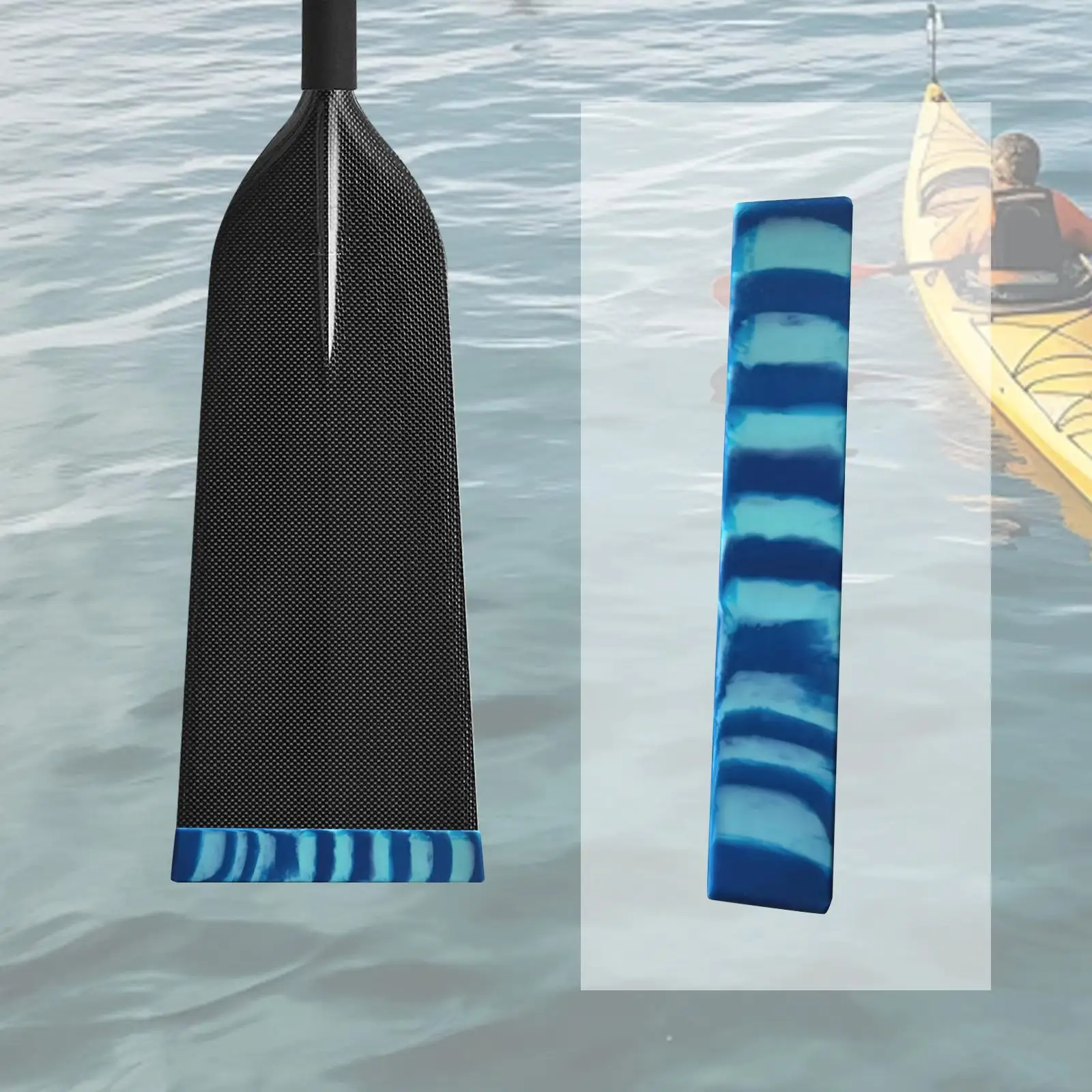
Prices are valid at publication and may change. Please refer to the product page for the latest price.
Identifying the material of your paddle shaft is equally critical, as different materials have unique tolerances and surface characteristics. Carbon fiber shafts are easily recognized by their distinctive woven, dark grey or black pattern and their exceptionally lightweight feel; they also produce a bright, high-pitched resonance when lightly tapped. Fiberglass shafts are smooth, slightly heavier than carbon fiber, and often feature a solid painted finish or a semi-translucent appearance without the woven carbon texture. Aluminum shafts are cold to the touch, highly rigid, metallic in appearance, and produce a distinct metallic ring when tapped.
Before finalizing any measurements, cross-reference your physical findings with the manufacturer’s official specification sheet or the product packaging label. Many reputable paddle brands print the exact shaft diameter and material composition directly on the shaft itself, usually near the grip or the blade joint. Utilizing these official dimensions helps account for manufacturing tolerances that are difficult to capture with manual tools.
Finally, pay close attention to the cross-sectional shape of the shaft at the installation point. While many entry-level paddles feature perfectly round shafts, high-performance and ergonomic models often utilize ovalized or teardrop-shaped profiles. Documenting this geometry is vital because a standard circular guard tip will fail to seat properly on a non-round shaft, creating gaps that compromise the security of the guard.
Match the Guard Tip Material to Your Shaft Composition
Once you have identified your paddle’s physical dimensions, you must match the material of the guard tip to the composition of your paddle shaft. This compatibility is essential to prevent structural damage and ensure the longevity of both the paddle and the guard.

For carbon fiber and fiberglass shafts, physical protection must be balanced with gentle contact. Composite materials are highly sensitive to localized point pressure and abrasive friction. If a guard tip has a rough interior or is made of a rigid, unyielding plastic, it can create micro-abrasions on the composite surface during use. Over time, these tiny scratches can allow water to penetrate the resin matrix, leading to delamination and eventual structural failure of the shaft. To prevent this, select guard tips that feature a smooth inner lining or soft elastomer padding designed to cushion the composite material.
Aluminum shafts require a different set of considerations, primarily revolving around environmental exposure and thermal properties. Aluminum expands and contracts significantly when exposed to temperature fluctuations, such as transitioning from a hot storage area to cool tropical waters. The guard tip must be flexible enough to accommodate these minor dimensional changes without cracking or slipping. Additionally, if the guard tip features metal reinforcement inserts or rigid plastic components, you must ensure it does not facilitate galvanic corrosion. When exposed to saltwater environments, dissimilar metals in contact with aluminum can accelerate corrosion, rapidly weakening the shaft.
You should strictly avoid using cheap, rigid, or poorly molded universal guard tips on delicate composite shafts without first verifying the quality of their internal surface finish. Imperfections in the molding process can create sharp plastic edges on the inside of the guard, which act as cutting edges against carbon fiber under the stress of paddling. Always inspect the interior of any aftermarket guard tip for smooth, uniform construction before attempting installation.
Evaluating the durometer, or hardness, of the guard tip’s outer shell is also necessary to match your specific paddling environment. If you frequently paddle in rocky riverbeds, shallow coastal reefs, or areas with concrete slipways, a high-durometer, impact-resistant outer shell is required to deflect sharp impacts. Conversely, if your primary paddling venue consists of sandy shores, calm reservoirs, or muddy banks, a softer, more flexible durometer is preferable, as it provides excellent cushioning and reduces the overall weight of the paddle assembly.
Adapt to Brand-Specific Designs and Shaft Shapes
Standard circular guard tips are designed for basic, uniform shafts, but modern paddle designs often incorporate complex geometries that require a more tailored approach. Adapting to these brand-specific designs is crucial for maintaining control and comfort on the water.
Ovalized, ergonomic, or tapered shafts present a unique challenge during the selection process. Because these shafts do not have a uniform circular profile, a standard round guard tip will not distribute pressure evenly. This poor fitment creates voids where water can pool, increasing weight and drag, and often causes the guard to spin or slide during a powerful stroke. If your paddle features an ergonomic grip or a tapered shaft, you must seek out guards specifically molded to match that precise cross-section.
The most reliable way to ensure a perfect fit is to cross-reference your paddle’s model and brand with official accessory charts. Many premium paddle manufacturers produce proprietary OEM (Original Equipment Manufacturer) replacement guard tips designed specifically for their unique shaft shapes and locking mechanisms. While these OEM parts may carry a higher price tag, they guarantee a flush, secure fit that preserves the aerodynamic and hydrodynamic properties of your paddle.
When choosing between custom-molded brand-specific tips and universal adjustable guards, consider the trade-offs in performance and convenience. Custom-molded tips offer a seamless, low-profile fit that requires no modification and minimizes drag, but they are highly specific and cannot be transferred to other paddles. Universal adjustable guards offer excellent versatility and are often more readily available, but they frequently require additional securing methods—such as specialized marine-grade adhesives or tensioning bands—to remain stable, which can add bulk and alter the balance of your paddle.
If your specific paddle brand does not offer a proprietary guard tip, you can safely adapt high-quality universal options by using manufacturer-approved padding or shims. These shims, often made of thin silicone or marine-grade rubber, are wrapped around the shaft before sliding the guard tip into place. This method fills any minor gaps caused by tapering or slight ovalization, providing a snug, uniform fit without placing excessive stress on any single point of the shaft.
Verify the Fit and Test for Water Readiness
Before taking your newly equipped paddle onto the water, you must perform a thorough verification process to ensure the guard tip is installed safely and securely. Proper fitment is not just a matter of gear preservation; it is a critical safety measure, as equipment failure in challenging water conditions can lead to loss of control.
Begin with a final pre-purchase and pre-installation checklist to confirm that all specifications align. Verify that the inner diameter of the guard tip matches your measured shaft diameter, that the material composition is compatible with your shaft type, and that the shape of the guard matches your shaft’s profile. Once these factors are confirmed, proceed with the installation according to the manufacturer’s guidelines.
During installation, establish clear physical boundaries to protect your equipment from damage. You must stop immediately if the guard tip requires excessive force to slide onto the shaft. Forcing a tight-fitting guard can easily crack the delicate resin matrix of a carbon fiber shaft or permanently dent a thin-walled aluminum shaft. If the guard does not slide on smoothly with moderate hand pressure, re-verify your measurements or consult the manufacturer’s instructions for alternative installation techniques.
Once the guard tip is in place, conduct two essential physical verification tests to confirm its security:
- The Twist Test: Grasp the paddle shaft firmly with one hand and the guard tip with the other. Attempt to rotate the guard tip around the shaft. If the guard rotates or twists independently under moderate hand pressure, the fit is too loose, and it will likely shift or spin during active paddling.
- The Pull Test: Apply firm outward pressure, attempting to pull the guard tip directly off the end of the shaft. The guard should remain firmly locked in place. If it slides off easily, it can easily be lost in the water during a deep stroke.
Finally, always adhere to a strict safety rule: test your newly fitted paddle in shallow, calm, and controlled water before venturing into deep, fast-flowing, or rough coastal conditions. Observe how the guard tip behaves under the real load of active strokes, checking for any signs of shifting, water pooling, or increased drag. Remember that specialized equipment cannot replace proper training, physical preparation, and sound maritime judgment; if the guard shows any signs of instability during this initial trial, return to shore immediately to adjust or replace it.
Frequently Asked Questions (FAQ)
Can I use a heat gun to shrink-fit a paddle guard tip?
Using a heat gun to shrink-fit a paddle guard tip carries an exceptionally high risk of causing permanent damage to your equipment. Excessive heat can easily melt or warp the plastic of the guard tip, but more importantly, it can critically damage the structural integrity of composite paddles. The resin matrix that binds carbon fiber and fiberglass together is highly sensitive to elevated temperatures; applying direct heat can cause the resin to soften, weaken, or delaminate, rendering the paddle unsafe for use. You should strictly follow the manufacturer’s installation instructions and only use heat if the brand explicitly approves a specific, controlled temperature range and heating method for that exact product.
How do I know when it is time to replace my paddle guard tip?
Rather than relying on arbitrary timeframes or stroke counts, you should base your replacement decisions on clear, observable wear signals. Inspect your paddle guard tip regularly for deep cracks, structural splitting, or significant material loss that exposes the underlying shaft to direct impact. Additionally, if the guard tip has become loose and spins or slides during use, or if the plastic has become brittle and stiff from prolonged exposure to ultraviolet (UV) radiation, it will no longer absorb impacts effectively. When any of these conditions are observed, replace the guard tip immediately to ensure continued protection for your paddle.
Community discussion
Share your experience or ask a question. Comments are reviewed before publication.