
Quick Guide to Patella Strap Selection
Managing knee discomfort during physical activities often requires targeted support rather than a bulky brace. A patella strap is designed specifically to apply focused pressure to the patellar tendon, which lies just below your kneecap. This localized compression helps distribute forces away from the tendon, reducing stress during repetitive movements and high-impact landings.
When choosing a strap, the nature of your workout dictates the design you need. Endurance runners require lightweight, low-profile options that minimize friction over long distances. In contrast, basketball players and high-impact athletes benefit from wider, heavily padded straps that absorb sudden shocks and resist slipping during rapid lateral movements.
The core principle of selection is matching the strap’s physical features to the biomechanical demands of your sport. Relying solely on brand popularity or generic recommendations can lead to a poor fit, skin irritation, or inadequate support. By understanding how different designs interact with your body’s movements, you can make an informed decision that keeps you moving comfortably.
Products mentioned in this guide
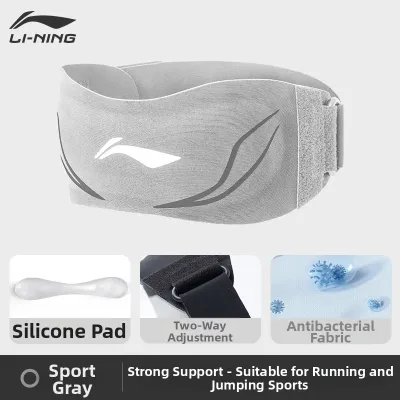
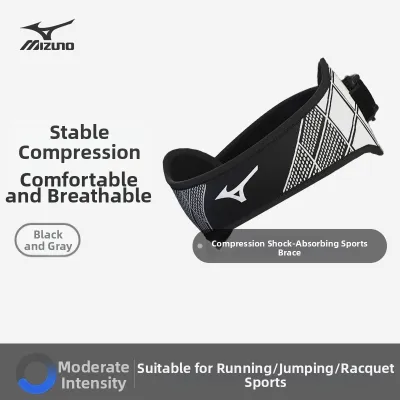
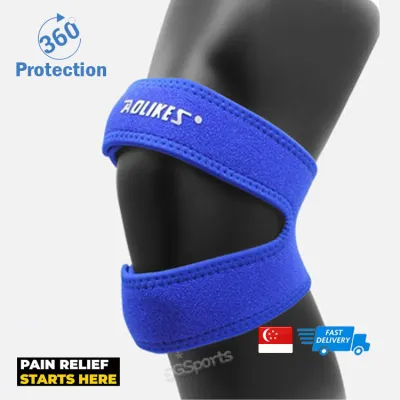
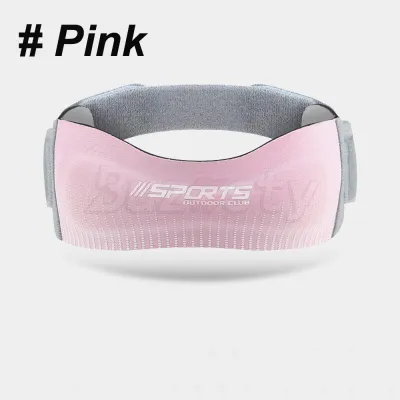
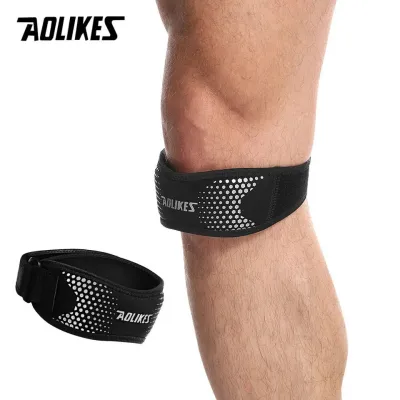
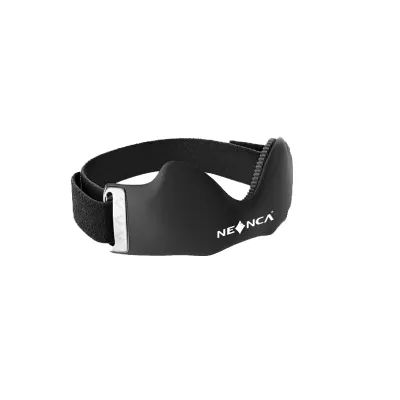
Prices are valid at publication and may change. Please refer to the product page for the latest price.
Matching Strap Features to Your Specific Sport
Every athletic activity subjects your knees to unique mechanical forces. Running involves thousands of repetitive, low-impact strides, whereas basketball demands explosive vertical jumps and sudden deceleration. Gym workouts, particularly heavy lifting, place sustained loads on the joint during deep flexion. To find a strap that performs reliably, you must evaluate how its materials, padding, and fastening systems align with these specific physical demands.

Running and Endurance Activities
For long-distance running in Singapore’s warm and humid climate, heat dissipation and moisture management are critical. Excess sweat can quickly accumulate under a thick strap, leading to slippage and severe skin chafing. Look for straps made from lightweight, perforated neoprene or advanced moisture-wicking synthetic fabrics that allow air to circulate.
The physical profile of the strap should be as minimal as possible. Bulky buckles, thick plastic rings, or rough seams can rub against your opposite leg or catch on your running shorts. Opt for low-profile, seamless edges and slim hook-and-loop fasteners that lie flat against your skin to ensure a distraction-free run.
A running strap must also allow a full, unrestricted range of motion. The goal is to support the patellar tendon without altering your natural running gait. A slim, highly flexible band provides the necessary compression while allowing your knee to bend freely through thousands of strides.
Basketball and High-Impact Jumping
The explosive jumping, landing, and rapid cutting movements in basketball place immense, sudden loads on the patellar tendon. To cushion these high-impact forces, a strap needs substantial padding. Look for designs featuring integrated gel inserts or thick ethylene-vinyl acetate (EVA) foam tubes that sit directly over the tendon to distribute pressure evenly.
Wider bands are highly beneficial for high-impact sports. A broader strap spreads the compressive force over a larger surface area, preventing the band from digging painfully into your skin during deep landings. This wider distribution helps stabilize the kneecap against lateral shifting during quick changes of direction on the court.
Secure fastening is paramount when dealing with explosive movements and heavy perspiration. Standard straps can easily slide down your leg when wet. Look for dual-strap adjustment systems or internal silicone grip strips that cling to the skin, ensuring the support remains firmly in place throughout a fast-paced game.
Gym Workouts and Heavy Lifting
Heavy lifting and strength training require a strap that can withstand extreme tension during deep knee flexion. Exercises like squats, lunges, and leg presses place sustained loads on the patellar tendon at acute angles. The strap must feature durable, heavy-duty materials and robust tension mechanisms, such as metal or reinforced plastic D-rings, to maintain consistent pressure.
Before committing to a strap for gym use, it is essential to check its behavior during deep flexion. Some straps tend to roll down, bunch up behind the knee, or pinch the skin when you drop below parallel. A dual-pull strap system allows you to adjust the tension on both sides independently, ensuring the band stays flat and secure.
Balancing compression levels is critical during sustained muscle contractions. The strap must be tight enough to support the tendon under load, but not so tight that it restricts blood flow or causes muscle cramping. Choosing a highly adjustable strap allows you to tighten it before a heavy set and loosen it easily during rest intervals.
Essential Fit, Sizing, and Material Checks
Securing the right fit is the most critical step when purchasing a patella strap from online sports retailers. An improperly sized strap will either slip constantly or restrict your circulation, rendering it useless.
To find your size, use a flexible measuring tape to measure the circumference of your leg directly below your kneecap, right over the patellar tendon. Keep your leg straight but relaxed during measurement, as tensing your muscles can distort the reading. Compare this measurement against the manufacturer’s specific sizing chart, rather than relying on generic small, medium, or large designations.
The closure and adjustment systems are vital for both the longevity of the strap and your comfort. Hook-and-loop fasteners are the most common, but their quality varies significantly. Look for high-density, low-profile hook-and-loop systems that do not fray easily or lose their grip when exposed to sweat and lint.
D-ring systems offer excellent leverage, allowing you to pull the strap tight with minimal effort. Additionally, silicone grip patterns on the interior lining help prevent the strap from sliding down during active use.
Given Singapore’s high humidity, material selection directly impacts skin health. Check product labels for breathable, hypoallergenic fabrics. Neoprene is highly durable and provides excellent compression, but it can trap heat.
To combat heat buildup, look for perforated neoprene or nylon-spandex blends that promote airflow. If you have sensitive skin or a latex allergy, verify that the manufacturer explicitly states the product is latex-free to avoid contact dermatitis during intense, sweaty workouts.
Patella Strap vs. Full Knee Sleeve: Which Do You Need?
Understanding the difference between a localized patella strap and a full knee sleeve is essential for addressing your specific physical needs. A patella strap is a highly targeted tool. It is designed specifically for localized discomfort directly below the kneecap, such as patellar tendinopathy or mild tracking issues.
By applying pressure to the tendon, the strap alters the angle at which the tendon inserts into the kneecap, reducing localized strain. If your discomfort is strictly confined to this area and you otherwise have a stable, healthy joint, a strap is often the most comfortable and least restrictive option.
A full knee sleeve or a structured, hinged brace serves a completely different purpose. Sleeves provide general compression, warmth, and proprioception (the sensory awareness of your joint in space) across the entire knee. They are ideal for diffuse joint soreness, mild swelling, or general stiffness.
If you are recovering from a ligament sprain, experience lateral instability, or feel like your knee might “give way” during lateral movements, a full sleeve or a structured brace with side stabilizers is necessary. A simple patella strap cannot provide lateral or rotational support.
While self-selection tools are helpful, they cannot replace professional medical advice. You should immediately cease using any support and consult a physiotherapist or sports medicine professional if you experience persistent, sharp pain, localized swelling, joint locking, or a feeling of instability.
Using a strap to mask severe pain can lead to further tissue damage. A qualified professional can accurately diagnose the underlying issue and design a comprehensive rehabilitation plan.
Frequently Asked Questions (FAQ)
Can I wear a patella strap all day, or only during workouts?
You should generally wear a patella strap only during physical activities that place stress on your patellar tendon. Wearing a strap continuously throughout the day is unnecessary and can lead to adverse effects.
Prolonged compression can restrict local blood circulation and cause skin irritation, especially in warm climates. Additionally, relying on a strap during normal daily activities can lead to muscle dependency, where the surrounding muscles and tendons adapt to the external support rather than strengthening naturally.
How tight should the strap be to be effective without cutting off circulation?
A patella strap should feel snug and supportive, applying firm pressure directly to the tendon below your kneecap, but it should never cause pain or numbness. To check the tension, ensure you can slide one finger comfortably under the strap.
If you experience any tingling, numbness, coldness in your foot, or visible skin discoloration, the strap is too tight and must be loosened immediately. The goal is targeted compression, not restricting blood flow to the lower leg.
How do I clean and maintain the strap to prevent skin irritation?
To maintain hygiene and prolong the lifespan of your strap, hand-wash it regularly using cool water and a mild, hypoallergenic soap. Avoid using harsh detergents, bleach, or fabric softeners, as these chemicals can degrade the elastic fibers and irritate your skin during subsequent workouts.
Gently squeeze out excess water without wringing the strap, and lay it flat to air-dry in a shaded, well-ventilated area. Never place the strap in a clothes dryer, as high heat can warp the padding and destroy the hook-and-loop fasteners.
Community discussion
Share your experience or ask a question. Comments are reviewed before publication.