
Selecting the right phone holder for cycling on Singapore’s Park Connector Network (PCN) requires balancing secure mounting, quick accessibility for navigation, and resilience against tropical weather. The PCN offers a scenic, interconnected pathway across the island, but navigating its transitions, shared paths, and occasional detours means you will likely rely on GPS mapping. Rather than searching for a single universal winner, riders should evaluate how different locking mechanisms, mounting locations, and weather-protection features match their specific bicycle setup and riding habits. A well-chosen mount keeps your device secure over speed bumps and visible in bright sunlight, allowing you to focus on the path ahead.
Understanding PCN Conditions to Filter Your Options
The environmental and physical conditions of Singapore’s Park Connector Network place unique demands on cycling accessories. To filter out unsuitable phone holders, you must first consider how local weather, path infrastructure, and navigation needs affect your device and its mount.
Singapore’s tropical climate is characterized by high humidity, intense UV exposure, and sudden, heavy downpours. A phone holder must be constructed from materials that can withstand these elements without degrading. Low-grade plastics can become brittle and crack after prolonged exposure to intense sunlight, while cheap metal components may rust due to high humidity and sweat. When evaluating materials, look for UV-stabilized polycarbonate, high-grade aluminum, or premium silicone. Additionally, consider how the holder handles water. While many modern smartphones carry high water-resistance ratings, a sudden tropical storm can still force water into ports. If you choose a fully enclosed waterproof pouch, be aware of heat buildup; direct sunlight combined with an enclosed space can cause your phone to overheat and shut down.
Products mentioned in this guide
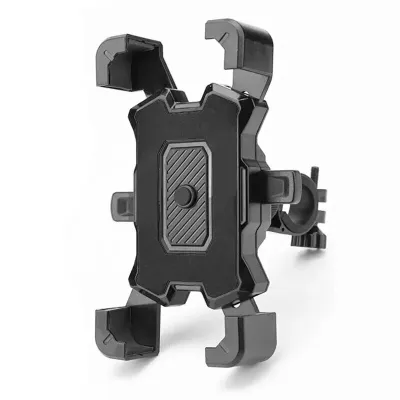
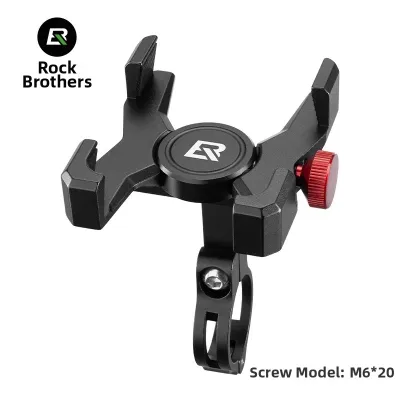
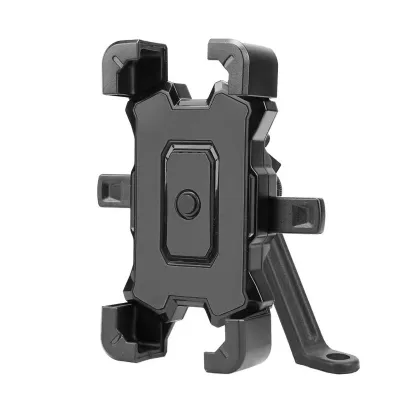
Prices are valid at publication and may change. Please refer to the product page for the latest price.
Although PCN paths are generally well-paved and smooth, they are not entirely free of vibrations and shocks. Riders frequently encounter speed bumps, tactile paving at pedestrian crossings, transition ramps, and uneven surfaces caused by tree roots pushing through the asphalt. These repetitive, high-frequency vibrations can travel up the bicycle frame and handlebars directly into your phone. Over time, these vibrations can damage the delicate optical image stabilization systems found in modern smartphone cameras. To mitigate this risk, look for holders that incorporate dedicated vibration dampening modules or elastomeric inserts that absorb high-frequency shocks before they reach the device.
Accessibility and ease of use are also critical when navigating the PCN. The network features numerous intersections, park transitions, and shared zones where you may need to check your route or temporarily detach your phone. A holder with a quick-release mechanism or a simple one-handed mounting system allows you to secure or remove your phone in seconds. This is particularly useful when stopping at a convenience store, taking a quick photo of the local wildlife, or folding your bicycle for a transition onto public transport. The mechanism should operate smoothly without requiring complex tools or excessive force, ensuring you can keep your attention on your surroundings.
Comparing Locking Mechanisms for Security and Convenience
The retention system is the core of any phone holder, determining how securely your device is held and how easily you can mount it. Different locking mechanisms offer distinct trade-offs between security, convenience, and long-term durability.

Mechanical clamps and locks are among the most secure options available. These systems typically use a screw-tightened bracket, a spring-loaded cradle, or a custom-fit phone case that locks into a matching mount. Mechanical clamps provide a highly rigid connection, ensuring your phone remains firmly in place even when riding over rough terrain or sudden drops. However, these systems can be bulky and may require you to use a specific phone case compatible with the mount. When choosing a mechanical clamp, verify that the contact points are lined with soft rubber or silicone padding to prevent scratching your phone’s chassis. Additionally, because these mounts rely on moving parts like springs, gears, or levers, they require regular inspection and cleaning to prevent road grit and dust from jamming the mechanism.
Silicone strap and band mounts offer a lightweight, flexible, and universally compatible alternative. These holders feature stretchy silicone bands that wrap around the four corners of your phone, securing it to a base plate mounted on your handlebars. Because silicone is naturally elastomeric, these mounts provide excellent inherent shock absorption, dampening minor road vibrations. They are also highly versatile, accommodating various phone sizes and cases without requiring proprietary adapters. However, silicone is susceptible to environmental degradation. In Singapore’s hot and humid climate, prolonged exposure to UV radiation and sweat can cause silicone to lose its elasticity, stretch out, or develop micro-tears. It is essential to inspect silicone straps regularly for signs of wear and replace them at the first sign of cracking or loss of tension to prevent accidental drops.
Magnetic mounts provide unmatched convenience and a clean aesthetic. These systems use powerful magnets embedded in the mount and a matching metal plate or magnetic case on the back of your phone. Attaching and removing your phone is nearly instantaneous and can easily be done with one hand. While highly convenient for quick stops, magnetic mounts require careful verification of their holding force. You must ensure the magnetic connection is strong enough to withstand sudden vertical impacts, such as hitting an unexpected pothole or a high speed bump on the PCN. For maximum security, look for magnetic systems that incorporate a secondary mechanical lock—often referred to as a hybrid mount—which combines the speed of magnetic alignment with the physical security of a mechanical latch.
Selecting the Best Mounting Location for Your Bicycle
Where you attach the holder to your bicycle affects your riding posture, screen visibility, and the overall handling of your bike. The optimal mounting location depends on your handlebar geometry, available cockpit space, and how often you need to look at your screen.
Handlebar mounts are the most common and straightforward option. They clamp directly onto the flat sections of your handlebars, placing the phone within easy reach. This position is highly adjustable, allowing you to tilt the screen to minimize glare from the sun. However, handlebar space can quickly become crowded, especially if you also mount a front light, a bell, a cycle computer, or a front bag. Before purchasing a handlebar mount, measure your handlebar’s outer tube diameter—standard sizes include 22.2mm, 25.4mm, and 31.8mm—and ensure the mount’s clamp is compatible. You must also check that the mount and phone do not interfere with your brake levers, gear shifters, or cable routing, which could compromise your control of the bicycle.
Stem cap and steerer tube mounts offer a centralized, low-profile alternative. These mounts replace the standard top cap of your bicycle’s headset stem, securing the phone directly over the center of your steering column. This positioning keeps your handlebars clean and uncluttered, and it aligns the phone with the centerline of the bike, which can feel more balanced and aerodynamic. Stem mounts are particularly popular on road bikes, gravel bikes, and some hybrid bicycles with exposed steerer tubes. The main trade-off is that the phone is positioned further back and lower down than with other mounts. This requires you to look further down away from the path to read the screen, which can temporarily reduce your forward situational awareness.
Out-front mounts extend the phone forward, positioning it ahead of the handlebars and level with your stem. This placement is highly favored by fitness riders and long-distance cyclists because it keeps the phone screen closer to your natural line of sight. By reducing the distance your eyes must travel from the path to the screen, out-front mounts minimize neck strain and help you maintain better situational awareness of pedestrians and other cyclists on the PCN. Additionally, out-front mounts free up valuable handlebar space for other accessories. However, because the phone is suspended on an extended arm, the mount is subject to increased leverage from vibrations. It is crucial to choose an out-front mount made from rigid, high-quality materials like CNC-machined aluminum to prevent the phone from bouncing or sagging while riding.
Matching Holder Categories to Your Riding Profile
To find the right phone holder, it helps to match the product’s features to your specific riding style and bicycle type. Different categories of holders cater to different priorities, whether you are a casual weekend cruiser, a dedicated fitness cyclist, or a commuter using a folding bike.
Casual and commuter riders on the PCN typically prioritize convenience, ease of use, and versatility. If you ride a hybrid, city, or step-through bicycle at a relaxed pace, you likely make frequent stops to take photos, buy drinks, or explore parks. For this profile, a universal holder with a quick-release mechanism or a simple silicone strap mount is often the most practical choice. These holders easily accommodate different phone models and protective cases, allowing you to mount your device quickly without fuss. If you frequently ride during the rainy season, look for a holder that includes an easily removable, transparent weather cover or pouch, which protects your phone during sudden downpours while keeping the touchscreen functional.
Fitness and long-distance riders focus on performance, stability, and device protection. If you ride a road or gravel bike at higher sustained speeds, you need a mount that minimizes aerodynamic drag and holds your phone absolutely secure against high-frequency road vibrations. For this profile, a dedicated out-front mount paired with a proprietary, lock-in phone case is highly recommended. These systems offer a streamlined profile and a rigid mechanical connection that will not slip or rotate. Because long-distance rides expose your phone to prolonged vibration, investing in a mount with an integrated vibration dampener is highly advisable to protect your phone’s internal camera components from damage over time.
Folding and small-wheel bicycle users face unique space and clearance constraints. Folding bikes are incredibly popular in Singapore for multi-modal commuting, allowing riders to combine cycling with MRT or bus journeys. If you ride a folding bike, your phone holder must not interfere with the bicycle’s folding mechanism or add unnecessary bulk that could get damaged during transit. Look for compact, low-profile mounts that can be easily folded down, rotated out of the way, or quickly detached from the handlebars without tools. Avoid bulky out-front mounts or large mechanical clamps that protrude significantly, as these can catch on cables or frame parts when the bike is folded, potentially damaging both the mount and the bicycle.
Essential Installation and Safety Checks Before You Ride
Once you have selected and purchased your phone holder, proper installation and pre-ride safety checks are essential to ensure your device remains secure and your ride on the PCN is safe.
Begin by verifying the fitment of the mount on your handlebars or stem. Most manufacturers provide rubber or plastic shims of varying thicknesses to accommodate different handlebar diameters. Always use the appropriate shims to ensure a snug, tight fit. A mount that is too loose can rotate forward or slide sideways under the weight of your phone, especially when you ride over speed bumps or rough terrain. Tighten the mounting bolts securely, but avoid overtightening, which can strip the threads or damage carbon fiber handlebars. Once installed, give the mount a firm shake to verify there is no play or movement.
Next, check the compatibility of your phone case with the holder. If you are using a universal clamp, place your phone in the holder and ensure the clamping arms do not press against your phone’s physical side buttons, such as the power or volume controls, which could cause the phone to restart or adjust volume unexpectedly. The clamp must also not block your phone’s charging port or camera lenses if you plan to use them. If you are using a proprietary locking case, ensure the locking mechanism engages fully with a distinct click or locking feel, indicating it is securely latched.
Finally, position the screen to maintain a clear line of sight while ensuring it does not obstruct your access to essential bicycle controls. You must be able to reach your brake levers, gear shifters, and bicycle bell comfortably without your hands or fingers hitting the phone holder. Additionally, ensure the mount does not block your front safety light or reflector. Remember that while a phone holder is a valuable tool for navigation, it should never distract you from active riding. Always keep your eyes on the path, yield to pedestrians, and maintain a safe speed. If you need to interact with your phone’s screen for prolonged navigation adjustments, pull over safely to the side of the PCN and come to a complete stop before doing so.
Frequently Asked Questions (FAQ)
Do I need a waterproof cover for my phone holder in Singapore?
Whether you need a waterproof cover depends on your phone’s IP (Ingress Protection) rating and your riding habits. If your smartphone has a high water-resistance rating (such as IP67 or IP68), it can generally handle light rain and splashes without a cover. However, for heavy tropical downpours common in Singapore, a dedicated waterproof pouch or cover provides peace of mind. Keep in mind that fully enclosed waterproof covers can trap heat, potentially causing your phone to overheat in direct sunlight, and they may reduce touchscreen sensitivity. For short rides in light drizzle, relying on a water-resistant phone is often sufficient, but carrying a compact, slip-on rain cover is a smart precaution for longer journeys.
Can I use a universal phone holder with a thick rugged case?
Yes, but you must carefully verify the maximum clamp depth and width specifications of the holder before purchasing. Many universal mechanical clamps are designed for standard, slim phone cases and may not have deep enough jaws to securely grip a thick, rugged case. If the clamp’s grip is too shallow, the phone could slip out when subjected to vibrations or bumps on the PCN. Measure the total thickness of your phone including the case, and compare it to the holder’s maximum supported thickness. If your rugged case is incompatible with standard clamps, consider a silicone strap mount, which stretches to accommodate thicker profiles, or a dedicated mounting system that uses a proprietary case.
Are there specific rules for using phone mounts on the Park Connector Network?
While there are no specific laws banning the physical installation of phone mounts on bicycles in Singapore, general safety regulations and path etiquette on the Park Connector Network strictly apply. Under the Active Mobility Act, riders must operate their devices safely and avoid reckless riding. Looking down at a screen while in motion reduces your situational awareness and reaction time, increasing the risk of collisions with pedestrians or other path users. You should use your phone holder strictly for passive navigation viewing. If you need to type a destination, read detailed directions, or adjust your route, always pull over to a safe spot off the main path, come to a complete stop, and then interact with your device.
Community discussion
Share your experience or ask a question. Comments are reviewed before publication.