
Finding the right Pilates workout chair for your home practice in Singapore requires balancing safety features, space constraints, and mechanical versatility. As a beginner, selecting this specialized piece of equipment—often referred to as a Wunda chair or combo chair—can feel overwhelming given the variety of designs available online. Unlike generic home gym benches, a true Pilates chair relies on a precise spring-tension system to support or challenge your body during complex movements. To make an informed decision, you must evaluate the structural integrity, pedal configuration, and space requirements of each model to ensure a safe and effective workout in your living space.
Investing in a dedicated workout chair for Pilates is not just about adding another piece of fitness gear to your home; it is about establishing a controlled environment for functional movement. The unique design of a Pilates chair targets core strength, balance, and unilateral muscle development in ways that floor exercises cannot replicate. However, because these machines utilize high-tension springs and moving pedals, safety must be your primary consideration. Understanding the mechanical differences between various models will help you avoid common purchasing pitfalls and select a chair that matches your current physical capabilities.
Before purchasing any equipment, it is essential to recognize that a Pilates chair cannot replace proper training or physical judgment. Beginners should ideally seek guidance from a certified instructor to learn correct form and mounting techniques. When transitioning to a home practice, starting with basic, low-risk movements and performing pre-use safety checks on your equipment will help prevent injury and ensure a sustainable fitness journey.
Products mentioned in this guide
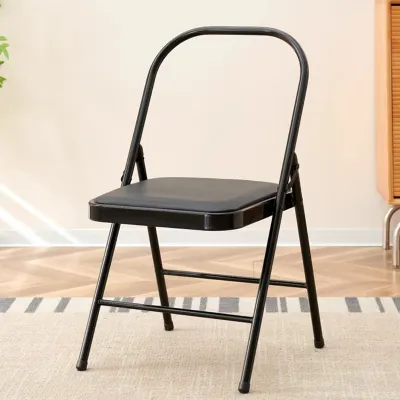
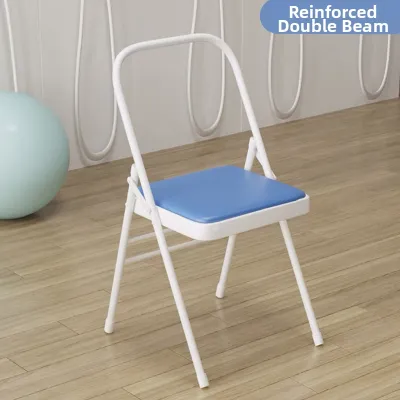
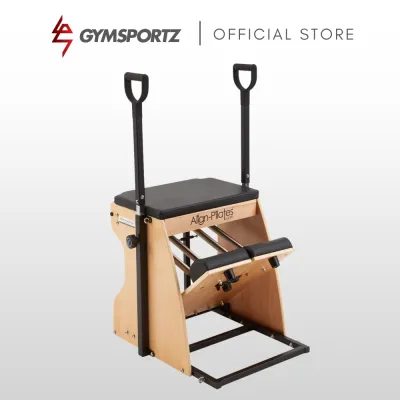
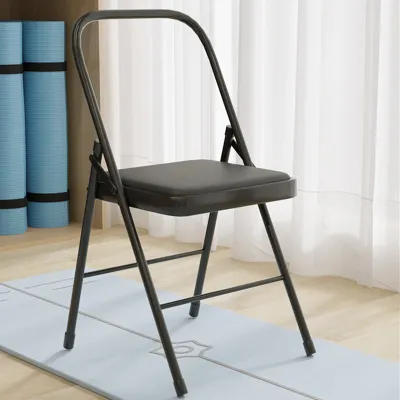
Prices are valid at publication and may change. Please refer to the product page for the latest price.
Understanding the Pilates Chair vs. Standard Workout Chairs
A dedicated Pilates chair is a highly specialized piece of resistance equipment, whereas a standard workout chair or utility bench is simply a static platform. The core mechanics of a Pilates chair center around one or two foot pedals connected to the main frame by heavy-duty tension springs. These springs provide adjustable resistance that can either assist you in supporting your body weight or add load to challenge your muscles. The base of a Pilates chair is heavily weighted and engineered to remain completely stable while you press, step, or lie on the apparatus.
In contrast, standard workout chairs, step benches, or utility benches lack any moving parts, pedal resistance, or specific anchor points for spring-based exercises. Attempting to perform Pilates-specific movements on a standard fitness bench is highly unsafe. Standard benches are designed for static support during weightlifting and do not have the low center of gravity or the specialized frame reinforcement required to handle lateral forces or dynamic bodyweight shifts.
Using non-specialized furniture or standard gym benches for Pilates exercises introduces significant biomechanical limitations and safety risks. Without the calibrated resistance of Pilates springs, you cannot achieve the proper muscle engagement or joint alignment intended by the exercises. Furthermore, standard chairs can easily tip over, slide across the floor, or collapse under dynamic loads, leading to severe acute injuries. To practice safely at home, you must use a purpose-built Pilates chair designed to handle these specific physical forces.
Key Features to Evaluate for Beginner Safety and Comfort
When evaluating a Pilates workout chair, the pedal design is one of the most critical features to consider. Pilates chairs come with either a single unified pedal or a split-pedal system. A single pedal moves as a single block, which is highly beneficial for beginners as it ensures bilateral symmetry and provides a more stable platform for learning foundational movements. Split pedals, on the other hand, can be unlinked to move independently, allowing you to perform unilateral exercises that target muscle imbalances on one side of the body. Many modern chairs offer a removable dowel that lets you easily lock the split pedals together, giving you the best of both worlds.

The spring resistance system is the engine of the Pilates chair and must be highly adjustable and easy to operate. Look for chairs that feature multiple spring attachment points, often referred to as a hook or cactus system, which allow you to quickly alter the tension level. As a beginner, you will actually require heavier spring settings for exercises where the pedal assists your body weight, and lighter settings for exercises where you must control the pedal against gravity. Ensure the springs are made of high-quality, rust-resistant steel and can be swapped out or adjusted without risking pinched fingers.
Stability and frame construction are paramount for preventing tipping during dynamic exercises. A high-quality Pilates chair should feature a robust frame made from solid hardwood, such as maple or birch, or heavy-gauge powder-coated steel. Verify the manufacturer’s stated maximum weight capacity and ensure the chair has a wide, low-slung base. The bottom of the frame must be equipped with non-slip rubber feet or pads to prevent the unit from shifting on your floor during high-energy workouts.
For beginners, adjustable or removable handles are an indispensable safety accessory. These handles insert into the sides of the chair and provide essential hand support and balance assistance during standing, kneeling, or seated exercises. Look for handles that offer multiple height adjustments to accommodate your body size, and ensure they lock securely into the frame with robust pins or screw knobs. As your balance and core stability improve over time, you can gradually reduce your reliance on the handles or remove them entirely for advanced exercises.
Condition-Based Shortlist: Matching Chair Types to Your Practice
Traditional Wunda Chairs with Single Pedals
Traditional Wunda chairs are modeled closely after the original designs created by Joseph Pilates, focusing on a compact, box-like structure with a single unified pedal. These chairs are exceptionally well-suited for beginners who want to focus on foundational bilateral movements, pelvic alignment, and core stabilization. Because they have fewer moving parts, traditional Wunda chairs often feature a simpler, highly durable spring mechanism that is easy to understand and adjust.
The physical footprint of a traditional Wunda chair is typically quite small, making it an excellent choice for dedicated workout corners in home environments. However, the primary limitation of a classic single-pedal design is its inability to support advanced unilateral work. If your long-term training goals include complex rotational movements or independent leg exercises, you may eventually find the single-pedal configuration limiting without purchasing additional modifications.
Combo Chairs with Split Pedals
Combo chairs represent a modern evolution of the Wunda chair, featuring split pedals that can be used independently or locked together with a coupling dowel. This design offers maximum versatility, allowing you to transition seamlessly from basic bilateral exercises to advanced unilateral training as your strength and coordination progress. The split-pedal system is ideal for targeting specific muscle weaknesses, improving coordination, and rehabilitating asymmetrical movement patterns.
In addition to the split pedals, combo chairs almost always include adjustable stability handles and a slightly wider, heavier base to support a broader range of standing exercises. The trade-off for this versatility is that combo chairs generally require more dedicated floor space and represent a higher initial financial investment. They are also significantly heavier to move, making them less suitable if you need to pack your equipment away after every workout session.
Compact or Folding Workout Chairs for Small Spaces
For those living in compact urban apartments where space is at a premium, folding or highly compact Pilates chairs offer a practical compromise. These models are designed with lightweight frames and folding mechanisms that allow them to be stored in closets or under beds when not in use. They provide an accessible entry point for beginners who want to experience spring-based resistance without dedicating permanent floor space to a large piece of furniture.
However, choosing a folding model involves several structural trade-offs that you must carefully evaluate. Folding chairs generally offer reduced overall stability compared to solid wood or heavy steel studio models, and they may feature lighter springs with fewer resistance options. Before purchasing, you must verify the quality of the locking hinges and safety pins to ensure the frame will not flex or collapse during dynamic movements. These compact models are ideal for light resistance and mobility work, but they may not safely support full-body advanced Pilates routines or high-velocity exercises.
Space, Flooring, and Setup Requirements for Home Use
Before setting up your Pilates chair at home, you must carefully calculate the required clearance zone to ensure safe operation. A safe workout space requires at least 1 to 1.5 meters of clear, unobstructed space around all four sides of the chair. This clearance is necessary to allow for full arm and leg extensions during exercises like the teaser or side leg presses, and to ensure you can safely mount and dismount the chair without colliding with walls, furniture, or sharp corners.
Flooring compatibility is another crucial factor for both safety and home maintenance. Pilates chairs exert significant downward and lateral pressure on the floor, which can cause the equipment to slide or damage delicate flooring materials like parquet, laminate, or polished tiles. Placing a high-density, non-slip rubber mat underneath your chair is highly recommended. The mat protects your floors from scratches, dampens operational noise from the springs, and provides essential grip to keep the chair perfectly stationary during dynamic pedal presses.
Ceiling height is a frequently overlooked requirement that can severely limit your exercise options if not checked in advance. Several Pilates chair exercises require you to stand fully upright on top of the chair’s seat or step high above the pedal. Measure your ceiling height and compare it to your own height plus the height of the chair’s seat to ensure you have adequate clearance for your head and arms during overhead reaches.
To maintain a safe home practice environment, you must establish a routine inspection schedule for your equipment. Before every single workout session, take a few moments to inspect the springs for any signs of wear, gaps, or rust, which can be accelerated by humid climates. Verify that the pedals move smoothly through their full range of motion without squeaking or catching, and check that all frame joints, handle locking pins, and spring hooks are completely secure. If you notice any structural play, loose bolts, or damaged components, do not use the chair until it has been properly repaired or serviced.
Navigating Online Retailers and Verifying Product Specifications
When shopping for a Pilates workout chair on online marketplaces or specialized fitness retailer websites, you must look past marketing claims and focus entirely on verifiable technical specifications. Carefully read the manufacturer’s specification sheets to confirm the exact dimensions, net weight of the chair, and maximum user weight capacity. A heavier net weight is generally a positive indicator of structural stability, as heavier chairs are much less likely to rock or shift during use.
Be vigilant for red flags in product listings that could indicate a sub-standard or unsafe product. Avoid listings that feature vague material descriptions, such as “durable metal” instead of specifying powder-coated steel, or those that lack clear safety certifications and warranty details. A reputable manufacturer will always provide clear, detailed information about their materials, spring calibration, and structural testing standards.
Because Pilates chairs are heavy, bulky items, shipping logistics and assembly requirements can significantly impact your overall purchasing experience. When buying in Singapore, check whether the listed price—which can range from S$400 for basic folding models to over S$2,500 for professional studio-grade wood chairs—includes local delivery, GST, and home assembly services. Self-assembling a complex spring-tension system can be challenging and potentially hazardous if done incorrectly, so opting for professional assembly is often a worthwhile investment for peace of mind.
Finally, use customer reviews to cross-reference the manufacturer’s claims with real-world performance. Look specifically for feedback regarding the chair’s stability on different floor types, the ease of adjusting the springs, and the noise levels generated during use. Squeaking springs, a rocking frame, or handles that wobble even when locked are common complaints in lower-quality models that you should actively avoid to ensure a safe and comfortable beginner experience.
Frequently Asked Questions (FAQ)
Can I use a standard workout chair for Pilates exercises?
No, you cannot safely use a standard workout chair or utility bench for Pilates exercises. Standard fitness benches lack the spring-loaded pedal system and specific anchor points that define a Pilates chair and provide its unique resistance. Attempting to replicate Pilates movements on standard furniture or static benches poses a high risk of tipping, slipping, and joint strain, as these items are not engineered to handle dynamic bodyweight shifts or lateral forces.
How do I determine the right resistance level for a beginner?
Determining the correct resistance on a Pilates chair is unique because heavier spring settings actually provide more support and assistance during exercises where you are lifting your body weight. Conversely, lighter spring settings require more core control and stability to manage. As a beginner, you should start with heavier spring resistance for supportive exercises to master your form, and consult the manufacturer’s tension guide or a certified Pilates instructor to establish a safe, personalized setup.
Is a mat required underneath the Pilates chair?
Yes, placing a high-density, non-slip mat underneath your Pilates chair is highly recommended for both safety and floor protection. The mat prevents the heavy frame from sliding or shifting on your floor during dynamic, high-energy pedal presses. Additionally, it protects your home’s flooring from scratches caused by metal joints and spring tension, while also dampening operational noise and vibrations during your workout.
Community discussion
Share your experience or ask a question. Comments are reviewed before publication.