
Selecting the right plantar fasciitis socks requires matching the compression level to your daily activity, choosing structural support that aligns with your specific arch height, and selecting breathable materials suited to your local climate. These specialized garments work by applying targeted pressure to the plantar fascia ligament, helping to reduce strain and manage discomfort during movement. However, because foot shapes and pain levels vary significantly, finding the ideal pair involves evaluating your specific symptoms and verifying product specifications before making a purchase.
Unlike standard athletic socks, plantar fasciitis socks feature engineered zones of compression designed to support the arch and stabilize the heel. They serve as a practical, non-invasive tool to manage daily foot fatigue, especially for individuals who spend long hours standing on hard surfaces. To achieve the best results, you must understand how your specific foot mechanics interact with different sock designs, ensuring you select a pair that offers therapeutic benefits without restricting your circulation.
Assess Your Foot Pain and Support Needs
Before browsing different products, evaluate the timing, location, and intensity of your foot discomfort. Plantar fasciitis typically manifests as a sharp, stabbing pain near the heel, which is often most severe during your very first steps in the morning. This morning stiffness occurs because the plantar fascia ligament shortens and tightens while you sleep. If your primary struggle is this initial morning pain, you may require a light, flexible compression sleeve that keeps the foot gently supported overnight, provided the manufacturer approves overnight wear.
Products mentioned in this guide
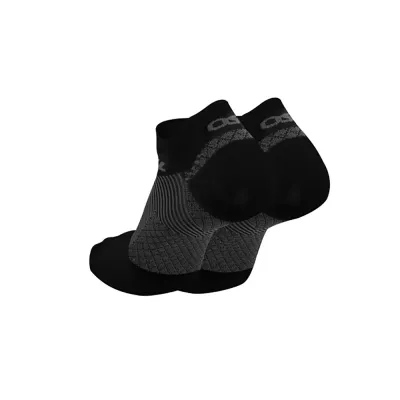
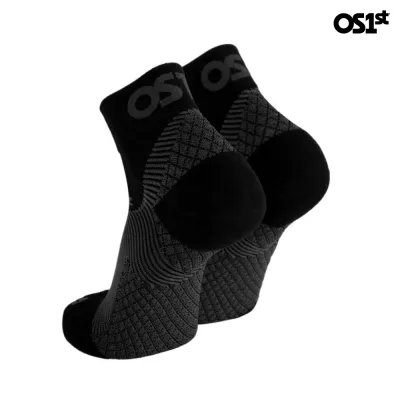
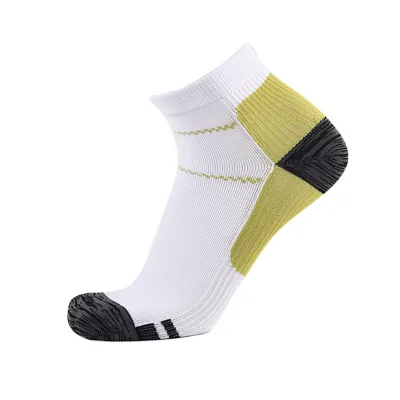
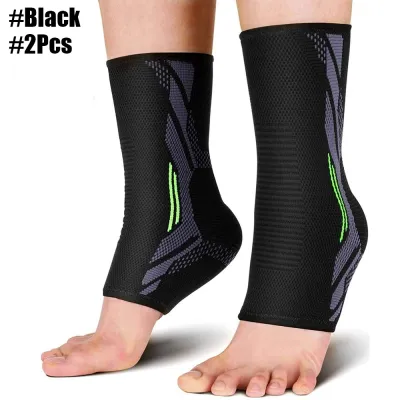
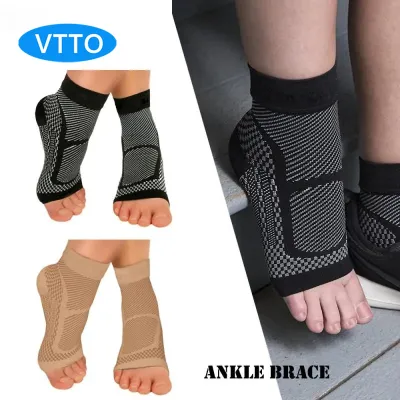
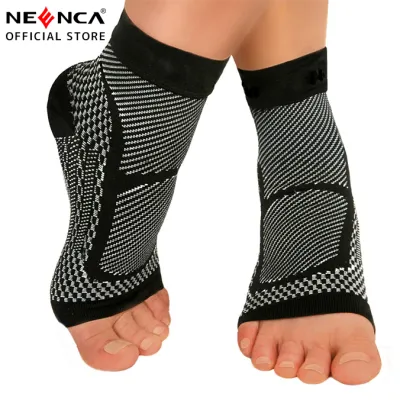
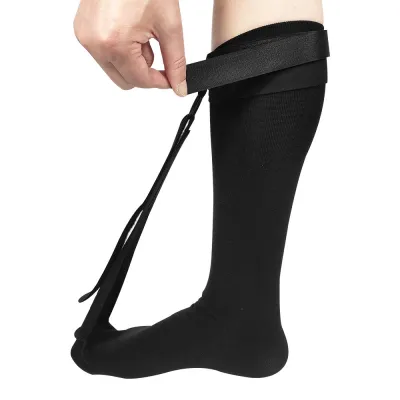
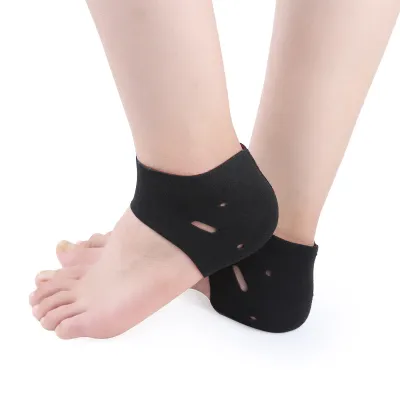
Prices are valid at publication and may change. Please refer to the product page for the latest price.
For those who experience chronic heel tension and general foot fatigue throughout the day, the mechanical demands are different. Daily walking on hard urban surfaces—such as concrete pavements, tiled shopping mall floors, or office laminates—places continuous impact on the heel and arch. If your pain intensifies as the day progresses, your feet likely require structured daytime compression socks that offer active arch lifting and heel stabilization to absorb shock during movement.
Active inflammation presents another set of requirements. If your heel feels hot, swollen, or throbbing after a workout or a long shift, tight compression might initially feel too restrictive. In these acute phases, a milder compression level combined with rest and ice is often more appropriate than firm, rigid support. Understanding whether you are managing acute inflammation or chronic, low-grade tension helps you select the correct level of structural reinforcement.
It is also crucial to identify your primary mechanical issue, such as arch collapse (overpronation) or high, rigid arches (underpronation). Flat feet require a sock with a strong, upward-lifting arch band to prevent the ligament from overstretching. High arches, on the other hand, need excellent shock absorption and targeted cushioning to distribute pressure evenly across the sole. If you experience sharp, shooting pain, numbness, swelling that does not subside with rest, or if your symptoms worsen over several weeks, consult a podiatrist or medical professional for a comprehensive assessment before relying solely on over-the-counter compression wear.
Match Compression and Arch Support to Your Foot Type
When shopping for plantar fasciitis socks, you will encounter various compression ratings on product labels, typically measured in millimeters of mercury (mmHg). Understanding these ratings allows you to select the appropriate level of tightness for your daily routine. Mild compression (usually around 15 to 20 mmHg) is excellent for all-day wear, light walking, and office environments, providing gentle support without feeling overly restrictive. Moderate compression (20 to 30 mmHg) offers firmer structural support, making it suitable for athletic activities, running, or prolonged standing shifts where your feet require extra stabilization. Firm compression (above 30 mmHg) is highly structured and should generally be used under professional guidance to address severe, chronic conditions.

The structural design of the sock is just as important as the compression level. Many plantar fasciitis socks feature targeted arch support bands—thick, highly elastic zones woven directly into the midfoot section of the sock. These bands apply upward pressure to the plantar fascia, mimicking the supportive effects of athletic taping. If you have flat feet or low arches, these targeted bands help maintain a neutral foot alignment and prevent the arch from collapsing inward during your stride.
Conversely, uniform compression sleeves provide consistent pressure throughout the entire foot and lower ankle rather than focusing solely on the arch. These sleeves are highly beneficial for individuals with high arches who suffer from general foot fatigue and minor swelling. The continuous compression helps promote healthy circulation and reduces fluid retention after long hours on your feet. If you fall into this category, look for sleeves that offer a balanced, comfortable squeeze across the entire foot profile.
Additionally, check for secondary structural features that enhance comfort inside your footwear. Targeted heel padding provides a physical barrier that absorbs impact when your heel strikes hard ground, which is especially helpful if you walk frequently on concrete or tile. Silicone non-slip grips on the sole or inside the cuff are another valuable feature, preventing the sock from sliding down or bunching up inside your shoes during active sports or long walks.
Choose Materials for Your Activity and Climate
The material composition of your plantar fasciitis socks directly impacts their breathability, moisture management, and overall durability. In warm, humid tropical climates, managing sweat is a primary concern. When your feet sweat inside closed shoes, the moisture can soften the skin—a process known as maceration—making you more susceptible to painful blisters, chafing, and fungal infections. For high-sweat activities, outdoor running, or daily commutes in hot weather, prioritize moisture-wicking synthetic blends.
Synthetic fabrics such as nylon, polyester, and elastane (spandex) are engineered to pull moisture away from your skin to the outer layer of the fabric, where it can evaporate quickly. Nylon provides excellent durability and structural strength, ensuring the sock retains its shape over time, while elastane delivers the necessary stretch and compression. These materials dry rapidly, keeping your feet cool and dry even during intense workouts or long walks in humid conditions.
For casual, low-impact indoor wear or relaxing at home, you might prefer natural fiber blends, such as bamboo-derived rayon or lightweight cotton. Bamboo fibers offer natural softness, excellent breathability, and a gentle feel against sensitive skin, making them comfortable for extended wear. However, pure cotton should generally be avoided for active use, as it absorbs and retains moisture rather than wicking it away, which can lead to damp feet and structural sagging during the day.
To ensure your socks maintain their therapeutic compression and elasticity, always verify the material care instructions on the product label. High heat can damage elastane fibers, causing them to stretch out permanently and lose their supportive properties. To prolong the lifespan of your socks, wash them in cold or lukewarm water on a gentle cycle, avoid using fabric softeners—which can coat the fibers and reduce their moisture-wicking capabilities—and air-dry them whenever possible.
Measure and Verify the Correct Fit
An accurate fit is critical to the effectiveness of plantar fasciitis socks; a sock that is too tight can restrict blood circulation, while one that is too loose will fail to provide the necessary compression. Because sizing standards vary significantly between different manufacturers, you should never rely solely on your standard shoe size. Instead, take the time to measure your feet using a flexible measuring tape before making a purchase.
To find your correct size, measure two key areas: your arch circumference and your ankle circumference. To measure your arch, wrap the tape around the widest part of your midfoot, directly over your arch. For the ankle, measure the circumference just above your ankle bone. Compare these measurements against the manufacturer’s specific sizing chart, which typically correlates these physical dimensions to the appropriate sock size.
Once you put the socks on, monitor your feet for physical signs of a poor fit. If you experience toe numbness, tingling, coldness in your toes, or deep, painful red indentations on your skin, the socks are too tight and are restricting your blood flow. On the other hand, if you notice fabric bunching at the heel, the sock sliding down your calf, or a complete lack of supportive pressure around your arch, the socks are too large and will not provide any therapeutic benefit.
If your measurements fall directly between two standard size categories, or if one of your feet is slightly larger than the other, make your decision based on your comfort and circulation needs. Generally, it is safer to size up to the larger option to prevent restricted blood flow, especially if you plan to wear the socks for several hours at a time. If you require firm, high-level compression for athletic performance and are at the very lower edge of a size bracket, you may consider the smaller size, but you must monitor your feet closely for any signs of circulatory discomfort.
Follow Safe Usage Limits and Know When to Stop
While plantar fasciitis socks are highly effective supportive tools, they must be used safely and gradually to avoid adverse effects. When wearing compression socks for the first time, start by wearing them for just two to four hours a day. This gradual introduction allows your feet, muscles, and circulatory system to adapt to the external pressure. Over several days, you can slowly increase the wear duration as long as your feet remain comfortable and pain-free.
Avoid wearing daytime compression socks continuously for 24 hours. When you are lying down to sleep, your body’s circulatory dynamics change, and gravity no longer pulls blood down to your lower limbs in the same way. Wearing tight daytime compression socks while sleeping can restrict blood flow and lead to discomfort or skin irritation. If you require overnight support, only wear sleeves or splints that are explicitly designed and labeled by the manufacturer for overnight use.
Be vigilant about immediate warning signs that indicate you should stop using the socks. Remove them immediately if you experience increased throbbing pain, skin redness, itching, discoloration of the toes, or a cold sensation in your feet. These symptoms suggest that the compression level is too high, the fit is incorrect, or your skin is reacting negatively to the fabric.
Finally, keep in mind that compression socks are designed to support your daily recovery and manage symptoms; they do not cure the underlying cause of plantar fasciitis. For long-term relief, these socks should be used as part of a comprehensive foot care routine that includes calf stretches, plantar fascia rolling, and wearing supportive footwear. If your foot pain persists, worsens, or severely limits your daily mobility, seek professional medical advice or physical therapy to address the root cause of your condition.
Frequently Asked Questions (FAQ)
Can You Wear Them With Regular Shoes?
Yes, you can wear plantar fasciitis socks with regular shoes, but you must check the internal volume of your footwear to prevent excessive tightness. Adding a compression sock—especially if layered under a standard athletic sock—can crowd your toes and squeeze your foot inside the shoe. This crowding can create painful pressure points, restrict blood circulation, and lead to blisters. To accommodate the extra layer comfortably, adjust your shoe laces or straps to loosen the fit, or consider removing the shoe’s default insole if you are using custom orthotics. If the combination still feels cramped or causes toe pinching, switch to wider footwear or wear a low-profile compression sleeve without an outer sock.
How Do You Know When to Replace Them?
You can determine when to replace your plantar fasciitis socks by observing the physical condition and elasticity of the fabric rather than relying on a fixed calendar timeframe. Over time, repeated wearing and washing will break down the elastane fibers, reducing the sock’s ability to provide effective compression. Inspect your socks regularly for visible signs of wear, such as stretched-out cuffs, thinning material at the heel or ball of the foot, pilling, or loose elastic threads. To test the compression, stretch the sock horizontally; if it feels loose and does not quickly snap back into its original shape, the material has lost its therapeutic rebound and should be replaced to ensure your feet continue to receive adequate support.
Community discussion
Share your experience or ask a question. Comments are reviewed before publication.