
Choosing the right plantar fasciitis splint requires balancing your daily activity levels with the specific timing and intensity of your heel pain. There is no single design that excels in every scenario; instead, the market offers distinct options tailored for overnight recovery, daytime movement, or targeted arch support. By matching the physical structure of a splint to your daily routine, you can manage discomfort effectively without disrupting your lifestyle.
To make an informed purchase, you must first understand how different splints interact with your foot anatomy. Some devices are designed to hold the foot in a static, stretched position for hours, while others provide dynamic compression as you walk. Selecting the wrong type can lead to unused equipment, wasted money, and prolonged discomfort, whereas the right choice supports your body’s natural healing process.
Assessing Your Pain Pattern and Daily Demands
Identifying when and how your heel pain occurs is the first step in selecting an effective support tool. Plantar fasciitis typically presents as a sharp, stabbing sensation during your first steps in the morning, which occurs because the plantar fascia tissue contracts and tightens overnight. If your primary struggle is this intense morning stiffness, your needs will differ significantly from someone who experiences a continuous, dull ache that worsens after hours of standing on hard surfaces.
Products mentioned in this guide
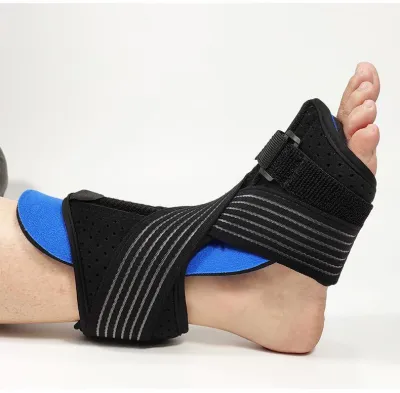
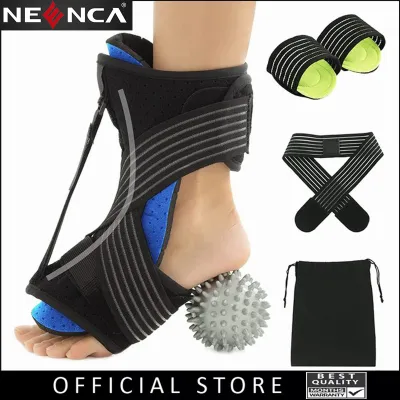
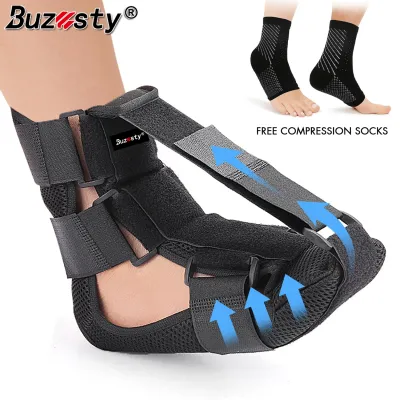
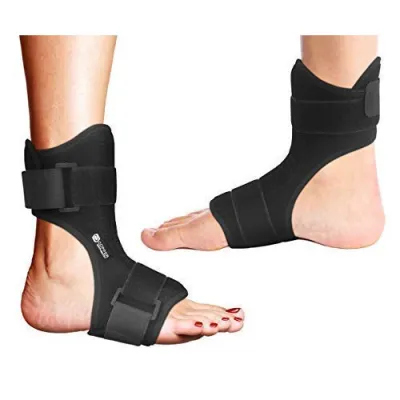
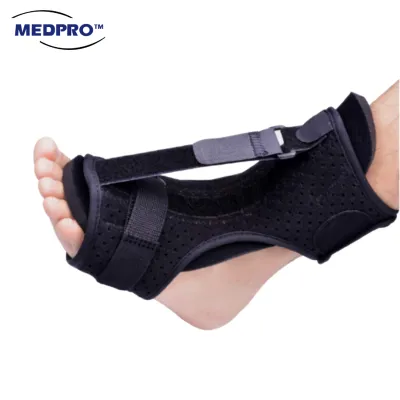
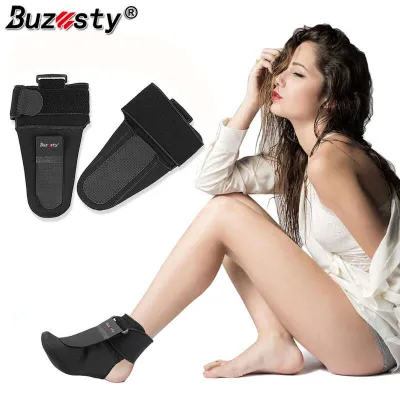
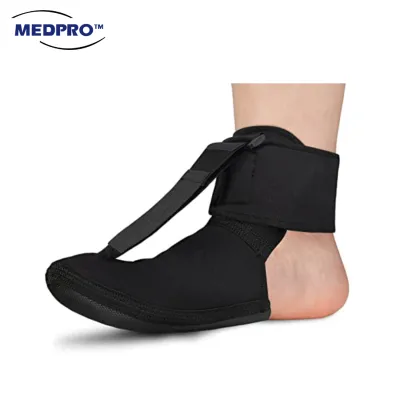
Prices are valid at publication and may change. Please refer to the product page for the latest price.
Your daily routine dictates the level of mobility you require from a supportive device. If you work a desk job, your foot remains sedentary for long periods, which can cause the fascia to tighten during the day. Conversely, if your routine involves standing all day on hard floors—such as in retail, teaching, or healthcare—or if you maintain an active running schedule, you require a low-profile solution that fits inside your footwear and supports your arch during weight-bearing movement.
While splints and braces are excellent tools for conservative symptom management, they are not universal remedies. It is crucial to establish a baseline for when self-care is appropriate and when you must seek immediate professional medical evaluation. If you experience sudden, severe swelling, visible bruising, an inability to bear weight on your foot, or persistent numbness and tingling, discontinue use of any retail support and consult a healthcare professional immediately to rule out structural tears or nerve issues.
Matching Splint Types to Your Specific Needs
Plantar fasciitis splints generally fall into three primary categories: night splints, day braces or sleeves, and adjustable arch straps. Each category is engineered for a specific wear time and mechanical function, meaning they serve different roles in your recovery strategy. Understanding these distinctions prevents the common mistake of buying a highly restrictive device for daytime wear or a flexible sleeve for overnight stretching.

These devices address the plantar fascia through two distinct mechanisms: prolonged passive stretching or active compression. Passive stretching physically holds the foot in a position that keeps the tissue elongated, preventing it from healing in a shortened, tight state. Active compression, on the other hand, improves localized blood flow, reduces minor swelling, and provides structural reinforcement to the arch while you are actively moving.
Choosing between these types involves a direct trade-off between physical bulk, mobility, and the level of structural support provided. Highly rigid devices offer the most effective stretch but completely eliminate mobility and can disrupt sleep. Lightweight sleeves and straps offer maximum freedom of movement and fit easily into daily footwear, but they cannot provide the deep, continuous stretch necessary to combat severe morning pain.
Night Splints for Severe Morning Stiffness
Night splints are designed specifically to address the classic symptom of severe morning pain by keeping the foot at a flexed angle throughout the night. During sleep, the foot naturally points downward, allowing the plantar fascia to shorten and tighten. By holding the foot in a neutral to slightly flexed position (dorsiflexion), a night splint prevents this overnight contraction, ensuring that your first steps in the morning do not repeatedly tear the healing tissue.
These devices are available in two main configurations: boot-style and dorsal. Boot-style splints run along the back of the calf and the bottom of the foot, utilizing rigid plastic to provide highly secure, unyielding support. While exceptionally effective at maintaining a precise angle, they are bulky, heavy, and can make turning over in bed difficult. Dorsal splints run along the front of the shin and the top of the foot, leaving the heel and arch exposed. This design is lighter, less insulating, and generally more comfortable for hot sleep environments, though it may offer slightly less rigid tension control.
When evaluating night splints, look for adjustable features that allow you to customize the level of stretch. Many models feature adjustable tension straps on the sides, removable foam wedge inserts, or dial-adjusted hinges. These components allow you to start with a gentle, neutral angle and gradually increase the dorsiflexion stretch over several weeks as your flexibility improves and your pain subsides.
Day Braces and Sleeves for Active Support
Day braces and compression sleeves are engineered to support your foot during waking hours when you are walking, standing, or performing daily chores. Simple compression sleeves are typically made of elasticized knit fabric and slip onto the foot like a sock. They provide mild, continuous compression around the arch and ankle, which helps manage minor swelling, improves local circulation, and offers a reassuring sensory reminder to avoid awkward foot movements.
For individuals requiring more physical reinforcement, structured day braces incorporate built-in plastic or silicone arch supports, or utilize lace-up designs. These structured options physically resist the collapse of the arch during weight-bearing activities, reducing the mechanical strain placed on the plantar fascia insertion point at the heel. They are ideal for those who must stand for long periods on hard surfaces, such as tiled or concrete floors.
Shoe compatibility is a critical factor when choosing daytime support. Because these braces must be worn inside your shoes, low-profile designs are essential. You will need to verify if the brace can fit comfortably inside your daily footwear without causing painful pressure points or requiring you to purchase larger shoes. Keep in mind that day braces cannot safely replicate the deep, prolonged stretch of a night splint, as your foot must still be allowed to flex naturally to facilitate a normal walking gait.
Arch Straps for Targeted, Low-Profile Relief
Arch straps and bands offer a highly targeted, minimalist approach to managing plantar fasciitis pain on the go. These devices consist of a narrow band, usually made of neoprene or elastic, that wraps directly around the midfoot arch and secures with hook-and-loop fasteners. Many models feature an integrated gel pad or a firm foam insert that sits directly under the arch to provide localized upward pressure.
This design works by mimicking the effects of athletic taping, supporting the plantar fascia and reducing the tension placed on the heel. Because they cover only a small portion of the foot, arch straps offer exceptional mobility and are highly compatible with almost any type of footwear, including sandals, work shoes, and athletic sneakers. They are also highly convenient for wearing barefoot or with slippers around the house, which is particularly useful if you live in a household where outdoor shoes are removed at the entrance.
It is important to recognize that arch straps are designed for symptom management and light support rather than structural immobilization. They do not restrict ankle movement or prevent the foot from flexing during activity. While they are excellent for reducing discomfort during light daily chores or short walks, they should not be relied upon as the sole recovery tool if you are dealing with severe, chronic inflammation.
Essential Fit, Material, and Adjustability Checks
To ensure your chosen splint is both comfortable and effective, you must perform several physical checks before finalizing your purchase. The most common cause of splint failure is an improper fit. Never rely on your standard shoe size when buying a support brace. Every manufacturer uses a unique sizing chart, often requiring measurements of your ankle circumference, arch circumference, or heel-to-toe length. Use a soft measuring tape to take these measurements accurately, as a splint that is too loose will slip and fail to provide support, while one that is too tight can restrict circulation.
Material selection is highly important, especially if you live in a warm, humid climate. Wearing a thick, non-breathable neoprene brace for hours can lead to excessive sweating, skin irritation, and unpleasant odors. Look for lightweight, open-weave knits, perforated neoprene, or moisture-wicking synthetic blends that allow air to circulate freely. For night splints, breathable padding is essential to prevent heat buildup under the bedsheets.
Skin-contact safety is another critical factor, particularly for devices worn for extended periods. If you have sensitive skin or allergies, verify that the splint is made from latex-free materials. Examine the interior construction of the brace for seamless designs, flat-locked stitching, or soft fabric linings. Rough seams or exposed plastic edges can rub against the skin during movement, leading to painful friction burns, blisters, or pressure sores.
Finally, evaluate the adjustability of the straps and closures. Your feet naturally change volume throughout the day due to gravity, temperature, and physical activity, often swelling slightly by the evening. A high-quality splint should feature adjustable hook-and-loop straps that allow you to easily loosen or tighten the fit to accommodate these natural fluctuations without sacrificing support or comfort.
Finalizing Your Choice and Recognizing Safety Limits
When you are ready to make a decision, use a structured approach to compare your shortlisted options. Begin by matching your primary pain window to the appropriate splint category: choose a night splint for morning stiffness, a compression sleeve for mild daytime aches, or a structured brace for heavy standing demands. Next, cross-reference the physical dimensions of the device with your daily footwear to ensure compatibility. Finally, verify the material specifications to ensure breathability and skin comfort.
Because individual comfort levels with splints vary significantly, it is highly recommended to verify the retailer’s return policy and trial periods before purchasing. A splint that feels comfortable in a store or looks ideal online may cause discomfort after a few hours of actual use. Choosing a brand or retailer that offers a flexible exchange or return policy allows you to test the device risk-free and find the exact level of rigidity and padding your foot requires.
Using a supportive device safely requires strict adherence to physical boundaries. You must monitor your foot closely and discontinue use immediately if you experience any of the following stopping conditions:
- Persistent numbness, tingling, or a "pins and needles" sensation in your foot or toes.
- Coldness or visible skin discoloration (such as pale or bluish skin) in your toes, indicating restricted blood flow.
- An increase in sharp, localized pain rather than a gradual reduction in discomfort.
- Skin irritation, redness, or blisters that do not resolve quickly after removing the device.
Always remember that a plantar fasciitis splint is a conservative management tool and not a substitute for professional medical care. If your symptoms do not improve after several weeks of consistent use, or if they continue to worsen, consult a podiatrist, physical therapist, or orthopedic specialist. Professional guidance is especially critical if you have underlying health conditions that affect circulation or nerve sensitivity, such as diabetes or peripheral neuropathy, as improper use of compression or stretching devices can lead to serious complications.
Frequently Asked Questions (FAQ)
Can I wear a night splint while walking around the house?
No, standard night splints are not designed for weight-bearing activities and should not be worn while walking. The rigid plastic frames, tension straps, and hinges are engineered solely to hold the foot in a static, non-weight-bearing position while you sleep or rest. Attempting to walk in a night splint can damage the device, tear the fabric straps, and significantly increase your risk of slipping, tripping, or falling. Always check the manufacturer’s explicit safety warnings; unless a splint is specifically labeled as a weight-bearing walking boot, you must remove it before taking any steps.
How tight should a day brace or arch strap feel?
A day brace or arch strap should feel snug, firm, and supportive, similar to a secure bandage, but it should never feel painful, restrictive, or excessively tight. The goal is to provide gentle compression and structural support without impeding your natural blood flow. You can verify the tension by checking for observable signs of excessive tightness, such as tingling, numbness, cold toes, or skin discoloration. If you notice any of these signs, or if the brace leaves deep, painful red indentations on your skin after removal, loosen the straps immediately to ensure safe circulation.
How do I clean and maintain my splint to ensure longevity?
To preserve the elastic components, rigid struts, and adhesive closures of your splint, you must follow the manufacturer’s care label instructions carefully. Most fabric sleeves, arch straps, and removable splint liners should be hand-washed in cool water using a mild, gentle detergent. Avoid machine washing, harsh bleaching agents, and fabric softeners, as these can degrade the elastic fibers over time. Always air-dry your splint flat in a well-ventilated, shaded area away from direct sunlight, radiators, or tumble dryers, as high heat can warp plastic frames and destroy the adhesive properties of hook-and-loop fasteners.
Community discussion
Share your experience or ask a question. Comments are reviewed before publication.