
Year-round sunshine and a tropical climate make swimming a staple activity in Singapore. Whether you are visiting an ActiveSG public pool, relaxing in a condominium lap pool, or heading to the beach, having the right gear enhances both safety and enjoyment. Among the most versatile and accessible water accessories is the humble pool noodle. This simple foam cylinder serves multiple purposes, from helping young children gain water confidence to providing resistance for adult aquatic workouts and offering support for casual lounging.
However, not all pool noodles are created equal. Choosing the wrong type can lead to a frustrating experience, such as a noodle that sinks under adult weight, degrades quickly under the intense tropical sun, or is too thick for small hands to grip. To find the ideal pool noodle, you must evaluate several physical characteristics, including core structure, diameter, length, and material density. Understanding these factors ensures you select a durable accessory that matches your specific water activities and swimming proficiency.
Quick Selection Guide: Matching Noodles to Your Activity
Selecting the right pool noodle begins with identifying how you plan to use it. Different water activities require specific levels of buoyancy, flexibility, and grip. For instance, a child learning to kick in the shallow end needs a highly flexible, easy-to-grasp noodle, whereas an adult performing high-intensity water aerobics requires a dense, rigid foam structure that can withstand significant resistance. Matching the noodle’s physical design to your primary activity prevents early wear and ensures optimal performance in the water.
Products mentioned in this guide
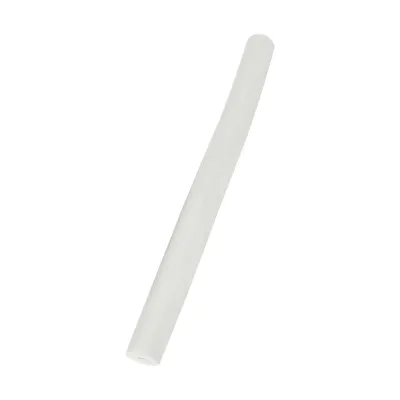
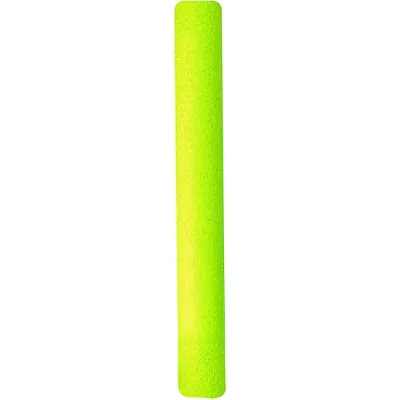
![[SG Stock] Swim Noodle Float 150CM Kid Learn Swimming Pool Aid Water Foam Stick Buoy For Children Adult Tread Water](https://img.lazcdn.com/g/p/c557cf1722ff97da0e8314841b1debdb.jpg_400x400q80.jpg_.webp)
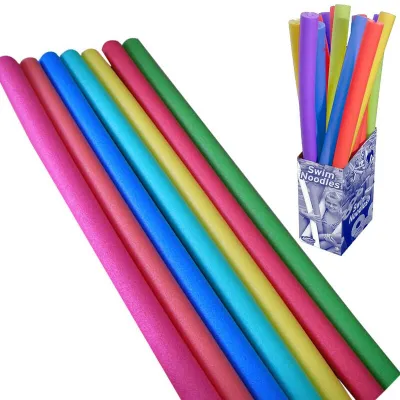
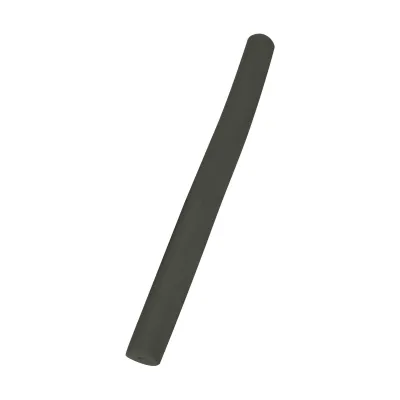
![[SG FREE ] Hollow swimming swim pool noodle water float aid float for children and adult Boutique](https://img.lazcdn.com/g/p/d220617cecc0b0059595a43ea53bee19.jpg_400x400q80.jpg_.webp)
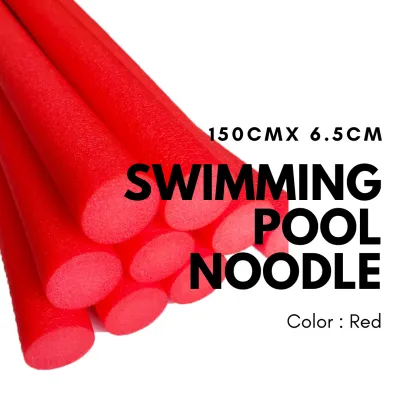
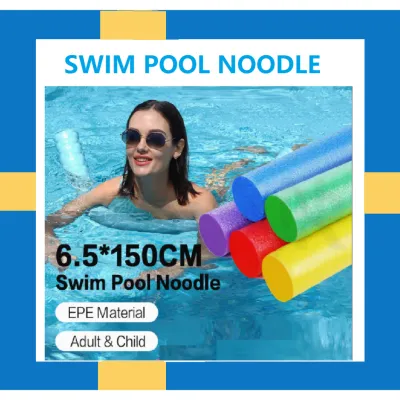
Prices are valid at publication and may change. Please refer to the product page for the latest price.
It is crucial to establish a foundational safety boundary before choosing your gear: pool noodles are recreational water toys and are not certified life-saving devices. They do not possess the safety ratings of Personal Flotation Devices (PFDs) or life jackets. The effectiveness of a pool noodle depends entirely on the user’s weight, swimming proficiency, and active physical engagement. Non-swimmers and young children must never be left unsupervised with a pool noodle, regardless of its size or buoyancy.
To help you make a quick decision, the following table maps the three primary pool activities to their ideal noodle specifications and estimated price ranges in Singapore:
| Activity Profile | Core Type | Recommended Diameter | Recommended Length | Key Features | Price Range (S$) |
|---|---|---|---|---|---|
| Children's Play & Beginners | Hollow Core | 2.0 to 2.25 inches (5 to 5.7 cm) | 4 feet (120 cm) | High flexibility, bright colors, easy grip | S$2.00 – S$6.00 |
| Adult Fitness & Aerobics | Solid Core | 2.5 to 3.0 inches (6.3 to 7.6 cm) | 4.5 to 5 feet (137 to 152 cm) | High density, textured grip, rigid support | S$8.00 – S$18.00 |
| Recreation & Lounging | Solid or Hybrid | 3.0 to 4.0 inches (7.6 to 10.2 cm) | 5 feet (152 cm) or longer | Jumbo size, fabric covers, connector compatible | S$12.00 – S$30.00 |
Solid vs. Hollow Core: How Density Affects Buoyancy and Durability
The core design of a pool noodle is the single most important factor determining its buoyancy, flexibility, and lifespan. Manufacturers produce these flotation aids using extruded closed-cell polyethylene (EPE) foam. During production, the foam can either be formed into a solid cylinder or extruded with a hollow center. This structural difference directly impacts how the noodle behaves under load and how well it resists physical deformation over time.

Hollow core pool noodles feature a circular tunnel running through the entire length of the cylinder. This design requires less raw material, making hollow noodles lighter, highly flexible, and more affordable. They are incredibly easy to bend into shapes, making them excellent toys for children’s imaginative play or basic kicking drills. However, the hollow center reduces the overall volume of foam, which limits the noodle’s load-bearing capacity. Under the weight of an adult, or when subjected to the forceful bending of water aerobics, a hollow noodle will easily kink, crease, or sink, eventually leading to structural failure.
Solid core pool noodles, by contrast, consist of a continuous block of dense EPE foam. Because they contain no hollow space, they displace more water and provide significantly higher upward buoyant force. This makes solid noodles the superior choice for supporting adult weight during relaxation or water jogging. The dense structural integrity also means they resist bending and creasing, allowing them to retain their straight shape even after months of heavy use. While they are heavier and more rigid, their durability makes them a far better long-term investment for regular swimmers.
When shopping online or in physical stores in Singapore, you can easily identify the core type by checking product specifications and physical cues. Online listings will typically use terms like “solid foam,” “heavy-duty,” or “hollow core” in their titles. If you are shopping in a local sporting goods store, look at the flat ends of the noodle to inspect the cross-section. You can also test the density by giving the noodle a gentle squeeze; a high-quality solid noodle will feel firm and resist compression, whereas a hollow noodle will compress easily under hand pressure.
Sizing Guide: Choosing the Right Length and Diameter
Selecting the correct physical dimensions for your pool noodle ensures comfort, ease of use, and effective flotation. If a noodle is too thick, it will be difficult to hold; if it is too short, it may not provide enough surface area to support your body. Finding the right balance between diameter and length depends on the physical size of the user and the specific exercises or recreational activities they plan to perform.
The diameter of the noodle determines both grip comfort and water resistance. Standard pool noodles generally fall into two diameter categories: small-to-medium (2 to 2.5 inches) and jumbo (3 inches or larger). Smaller diameters are ideal for children and individuals with smaller hands, as they allow for a secure, wrap-around grip that prevents the noodle from slipping away. For adults, larger diameters of 3 inches or more are necessary to provide adequate flotation support. In fitness contexts, a wider diameter increases the surface area pushed through the water, creating greater resistance for muscle-strengthening exercises.
The length of the noodle, typically ranging from 4 to 5 feet (120 to 150 cm), dictates how the accessory supports your body. A standard 4-foot noodle is highly maneuverable and works well for targeted exercises, such as holding it in front of you for kickboard-style drills. Longer noodles, measuring 5 feet or more, are preferred for full-body floating. The extra length allows you to wrap the noodle completely around your back and under your arms, creating a secure, saddle-like support system that keeps your head comfortably above the water surface.
In Singapore, practical considerations like storage and transport should also influence your sizing choice. Many residents live in high-density housing, such as HDB flats or condominiums, where storage space is at a premium. Storing multiple 1.5-meter solid noodles can be challenging if you do not have a dedicated balcony closet or utility room. Furthermore, if you rely on public transport to visit ActiveSG pools or Sentosa beaches, carrying long, rigid noodles on the MRT or public buses can be highly inconvenient. For easy commuting, consider slightly shorter, highly flexible noodles, or invest in a mesh carrying bag that allows you to sling the noodles over your shoulder.
Recommended Pool Noodle Categories by Use Case
To help you navigate the wide variety of options available on the market, it is helpful to categorize pool noodles by their intended use. Rather than focusing on specific brand names, look for the defining characteristics of each category to ensure you get the best tool for your swimming style.
For Children's Water Play and Beginners
For young swimmers and beginners, the primary goal is to build water confidence in a safe, fun, and manageable way. The ideal noodle for this category is a standard hollow-core model with a narrow diameter of 2 to 2.25 inches. This size allows small hands to maintain a firm grip without causing hand fatigue. The high flexibility of hollow noodles allows children to bend them easily, using them as kickboards, floating horses, or creative play structures in the shallow end of the pool.
Safety is paramount when selecting gear for children. Always choose pool noodles in bright, high-visibility colors such as neon orange, vibrant yellow, or hot pink. These bright hues make it much easier for parents and lifeguards to spot children in a crowded public pool. Remember that while these noodles are excellent tools for kicking practice and water play, they are classified as toys. They do not replace active adult supervision or formal swimming instruction, and they must never be used as a substitute for certified life jackets in deep water.
For Adult Fitness and Water Aerobics
Adults using pool noodles for water aerobics, resistance training, or rehabilitative therapy require specialized gear designed to withstand physical force. For these activities, you should choose a solid-core noodle made from high-density EPE foam with a diameter of 2.5 to 3 inches. The solid core provides the necessary rigidity to act as a resistance bar underwater, allowing you to perform upper-body presses, core twists, and leg-strengthening exercises against the natural upward push of the water.
When selecting a fitness noodle, look for specialized manufacturing features that improve handling during intense workouts. Many high-quality fitness noodles feature textured outer surfaces or molded ridges that provide a non-slip grip, even when wet or coated in sunscreen. Some premium models come with removable, washable mesh covers. These covers not only protect the foam from fingernail punctures but also improve hygiene by allowing you to wash away sweat, chlorine, and body oils after a strenuous pool session.
For General Pool Recreation and Lounging
If your primary goal is relaxation, comfort and buoyancy are your top priorities. The best option for casual floating is a jumbo solid-core noodle, measuring 3.5 to 4 inches in diameter, or a specialized hybrid model. Hybrid noodles often feature a soft, fabric-covered exterior over a foam core, providing a plush feel against bare skin and preventing the chafing that can sometimes occur with raw foam. These extra-thick noodles provide effortless flotation, allowing adults to drift comfortably without active treading.
To maximize your lounging experience, consider how you position the noodle. A popular technique is to place the noodle behind your back, running it under both armpits and letting your arms drape over the ends, which keeps your chest and head fully elevated. Alternatively, you can place a jumbo noodle under your knees while resting your head on a second, smaller noodle. To elevate your pool relaxation, look for noodle connectors or mesh sling seats. These affordable accessories slide onto the ends of one or two noodles, instantly transforming them into comfortable floating chairs or pool rafts without the need for inflatable parts.
Material Safety, Storage, and Maintenance Checks
Ensuring the longevity of your pool noodle and maintaining a hygienic swimming environment requires a basic understanding of material science and proper care. Most modern pool noodles are made from closed-cell polyethylene (EPE) foam. This material is highly favored because the individual cells are completely sealed, preventing water from penetrating the interior. This water-resistant property keeps the noodle lightweight and buoyant, preventing it from becoming waterlogged and harboring mold or bacteria.
When purchasing a pool noodle, perform a quick material quality check. High-quality EPE foam should feel smooth, slightly elastic, and firm. Avoid noodles that feel overly rigid, brittle, or show signs of flaking and crumbling, as these are indicators of low-grade foam that will quickly break apart in the water. Furthermore, be cautious of noodles that emit a strong, pungent chemical odor out of the packaging. This off-gassing suggests the use of cheap chemical blowing agents, which can irritate sensitive skin or eyes when dissolved in pool water.
We must reiterate the critical safety boundary regarding these products: pool noodles are not certified Personal Flotation Devices (PFDs). They do not meet the rigorous safety standards set by international maritime or safety organizations. They should never be relied upon to keep a non-swimmer safe in deep water, strong currents, or open-water environments like beaches. If a child or adult cannot swim independently, they must wear a properly fitted, certified life jacket. Equipment can never replace proper training, water safety judgment, and active supervision.
To protect your investment and prevent premature degradation, establish a simple post-swim maintenance routine. Singapore’s tropical sun and heavily chlorinated pools can be incredibly harsh on synthetic materials. After every pool session, thoroughly rinse your pool noodle with fresh tap water to remove chlorine, salt, sunscreen, and organic residue. Allow the noodle to air dry completely in a shaded, well-ventilated area. Never leave your noodles drying in direct sunlight, as intense UV radiation breaks down the chemical bonds of EPE foam, causing it to fade, lose its flexibility, and eventually crumble into messy foam debris. Finally, store your noodles flat or vertically in a cool, dry place away from sharp objects or heavy equipment that could permanently compress or puncture the foam.
Frequently Asked Questions (FAQ)
Can I use a pool noodle as a life jacket for my child?
No, you must never use a pool noodle as a substitute for a certified life jacket or Personal Flotation Device (PFD). Pool noodles are recreational toys designed solely for play and basic flotation assistance. They do not have straps to secure them to a child’s body, meaning they can easily slip out of a child’s grasp or float away in a moment of panic. Furthermore, they do not guarantee that a child’s face and airway will be kept above the water surface. For non-swimmers and young children, always use a certified life jacket that fits securely and is rated for their weight.
How do I stop my pool noodle from slipping out of my hands during water exercises?
Slipping is a common issue during high-intensity water aerobics, as wet foam offers very little friction against wet hands. To improve your grip, look for pool noodles designed specifically for fitness, which often feature molded ridges, textured surfaces, or waffle patterns. Another excellent solution is to slip a commercial mesh sleeve over your existing noodle; the mesh fabric creates significant friction, making it much easier to hold underwater. If you find that gripping a thick noodle still causes hand strain during workouts, consider switching to specialized aquatic dumbbells, which feature ergonomic handles designed specifically for underwater resistance training.
Community discussion
Share your experience or ask a question. Comments are reviewed before publication.