
Selecting the right punching glove weight is a critical decision for your combat sports journey. The weight of a glove, measured in ounces (oz), directly impacts your safety, your training partner’s safety, and your overall workout effectiveness. Choosing the wrong weight can lead to hand fatigue, wrist injuries, or accidental harm during sparring. By understanding how glove weight aligns with your training goals, body weight, and experience level, you can select a pair that supports your progression and keeps you protected.
What Punching Glove Weight (oz) Actually Means
In combat sports, “oz” stands for ounces, representing the physical weight of the glove rather than its physical dimensions. This weight is primarily determined by the amount and density of the protective foam padding layered inside. A heavier glove contains more padding, which absorbs more impact force and offers greater protection for your knuckles and wrists. Conversely, a lighter glove has less padding, allowing for faster hand speed and a more direct feel of the impact, but at the cost of reduced shock absorption.
It is a common misconception that a higher ounce rating automatically translates to a larger physical fit. In reality, the hand compartment size is independent of the glove’s weight. A 16 oz glove and a 12 oz glove from the same manufacturer might share the exact same internal hand compartment size, with the 16 oz version simply carrying thicker, denser foam on the outer punching surface.
Products mentioned in this guide
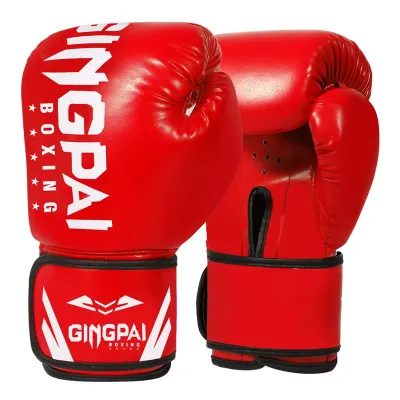
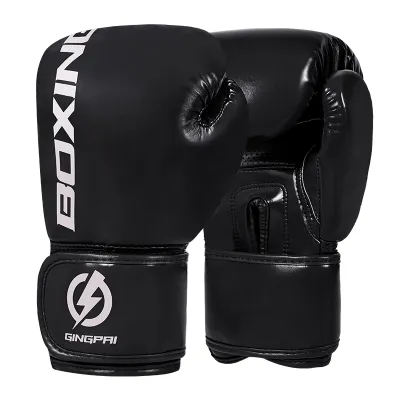
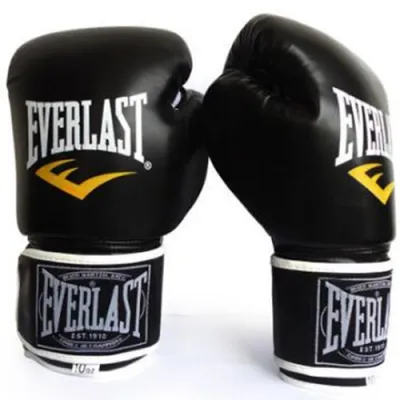
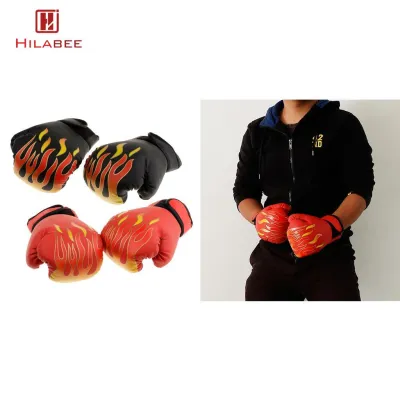
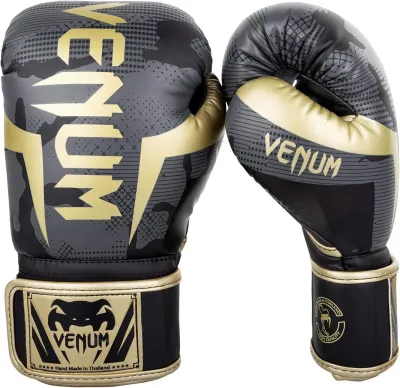
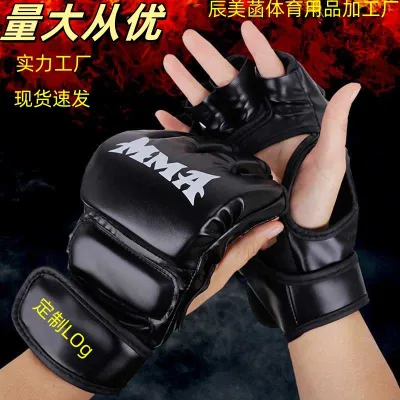
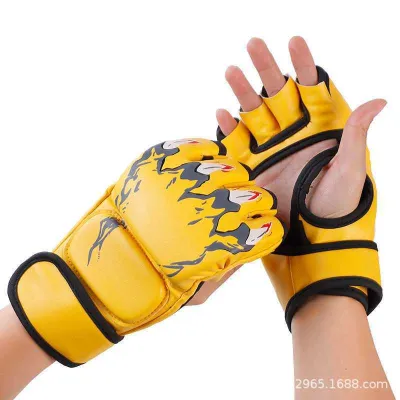
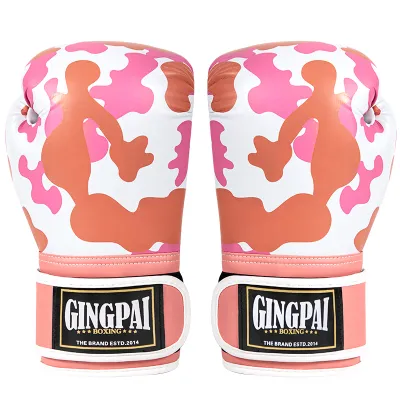
Prices are valid at publication and may change. Please refer to the product page for the latest price.
Furthermore, visual size can be highly misleading. Different manufacturers use varying foam densities and outer materials. A glove made with highly compressed, high-density foam may look compact yet weigh 16 ounces, while a glove utilizing bulky, low-density foam might look massive but weigh only 12 ounces. Always rely on the official weight specification rather than visual estimation.
How to Match Glove Weight to Your Training Type
Your daily training routine should dictate the weight of the punching gloves you wear. For heavy bag work, the primary goal is protecting your hands from repeated, high-impact collisions against a dense, unforgiving surface. Training sessions often involve hundreds of strikes, making a medium-to-heavy glove with robust padding ideal for absorbing this continuous shock. Using a glove with insufficient padding on a heavy bag can lead to knuckle bruising and wrist strain over time.

For focus mitts and pad work, speed, precision, and feedback are key. Lighter gloves allow you to move your hands quickly, practice rapid combinations, and receive immediate tactile feedback on your punch alignment. However, if you use one pair of gloves for both heavy bags and pad work, prioritizing the protective qualities of a slightly heavier glove is generally the safer approach for your joints, especially during long training sessions.
Sparring introduces different safety requirements, shifting the priority to protecting your training partner from injury. Sparring almost always requires heavier gloves, typically 16 ounces, to cushion the impact of your punches. Using light gloves during sparring is highly dangerous and often prohibited by gym rules, as minimal padding can cause cuts, facial injuries, or concussions. Always consult your coach or check your gym’s specific guidelines, as some weight classes or drills have strict rules regarding minimum glove weight.
How Body Weight and Experience Affect Your Choice
Your physical profile and skill level play a major role in determining the ideal glove weight. As a general principle, heavier individuals generate more impact force when they punch. To safely dissipate this energy and prevent the foam from bottoming out, heavier strikers require more padding, meaning a higher ounce rating. A lighter individual can often get adequate protection from a lighter glove because their impact forces are naturally lower.
Experience level also influences this decision. Beginners often lack the refined punching technique, wrist alignment, and hand conditioning that seasoned athletes have developed. Because of this, beginners are highly susceptible to wrist collapses and knuckle bruising. If you are new to the sport, prioritizing maximum protection and wrist support over speed is highly recommended. Opting for a slightly heavier glove provides a larger safety margin while you build your form.
Rather than relying on universal rules of thumb or advice from training partners of different builds, always consult the specific manufacturer’s weight-to-ounce recommendation chart. Each brand designs its gloves with unique ergonomics and foam structures, meaning their recommended weight ranges can vary. Checking these charts ensures your physical weight aligns correctly with the glove’s protective capabilities.
Verifying Fit and Safety Before You Buy
Even if you select the correct ounce rating on paper, the glove will not protect you properly if it does not fit your hand correctly. When trying on new gloves, always wear your actual hand wraps. Hand wraps add significant volume to your hands and are non-negotiable for wrist and knuckle support. Trying on gloves with bare hands can lead to purchasing a pair that is far too tight once you wrap up for training.
Pay close attention to the wrist closure system, which typically comes in lace-up or hook-and-loop designs. While lace-up gloves offer a highly secure fit, they require assistance to tie. Hook-and-loop systems allow you to put on and take off your gloves independently, making them highly practical for general training. Regardless of the system, the closure must provide excellent wrist stability, keeping your wrist straight and aligned with your forearm during impact.
Never ignore warning signs during a fitting. If the glove feels loose enough that your hand slides around inside, or if it is so tight that it restricts circulation or pinches your fingers, it is not the right fit. A glove that lacks proper wrist alignment or feels unstable should be rejected. If you are unsure about the fit, stop and consult your coach or the manufacturer’s support team before using the gloves in a workout.
Frequently Asked Questions (FAQ)
Can I use the same punching gloves for bag work and sparring?
Using a single pair of gloves for both heavy bag training and sparring is highly discouraged due to safety and durability concerns. When you hit a heavy bag, the dense material compresses the glove’s foam padding over time. If you then use those same compressed gloves for sparring, the hardened padding will offer very little protection for your training partner, increasing their risk of injury. Additionally, lighter gloves suitable for bag work do not have enough padding for safe sparring, while using heavy sparring gloves on the bag will rapidly degrade the expensive padding needed to keep your sparring partners safe.
Does a heavier glove mean a larger hand compartment?
No, a heavier glove does not automatically mean a larger hand compartment. The ounce rating (oz) measures the weight of the padding, not the physical size of the space where your hand goes. The internal hand compartment size is determined by the manufacturer’s specific mold and sizing structure, which often ranges from small to extra-large, or is designed as a one-size-fits-all compartment that relies on hand wraps to fill any extra space. To ensure a secure fit without excessive movement, always refer to the brand’s specific sizing guide, which typically correlates your hand circumference with the correct glove model.
Community discussion
Share your experience or ask a question. Comments are reviewed before publication.