
Selecting the right resistance band set for post-run muscle recovery requires shifting your focus from building raw strength to promoting gentle blood flow, restoring joint mobility, and relieving tight muscles. After a demanding run, your lower body is fatigued, and your muscles are micro-torn and contracted. Using excessively heavy resistance can lead to compensation patterns, further straining tired tissues and increasing the risk of injury. Instead, a recovery-focused approach utilizes light, consistent tension to gently stretch the hamstrings, activate the glutes, and open up the chest and shoulders, helping to counteract the repetitive, forward-leaning posture of running.
Key Features to Look for in a Recovery-Focused Resistance Band Set
When shopping for a resistance band set specifically for post-run recovery, the primary objective is to find a tool that supports low-impact mobility work rather than high-intensity muscle building. Unlike strength training, where the goal is to push muscles to failure, recovery work aims to stimulate circulation and gently mobilize joints. This means you need a set that excels in the low-to-medium tension range. High-tension bands are often too stiff to allow for the smooth, full-range movements required to stretch tight calves, hamstrings, and hip flexors safely.
A versatile recovery set must include multiple incremental resistance levels. Post-run fatigue is rarely uniform across your body; your calves might feel exceptionally tight while your glutes require gentle activation to restore pelvic alignment. Having access to ultra-light, light, and medium bands allows you to tailor the tension to the specific state of each muscle group. It also ensures you can scale down the resistance on days when your legs feel particularly heavy or sore, preventing accidental overexertion.
Products mentioned in this guide

Prices are valid at publication and may change. Please refer to the product page for the latest price.
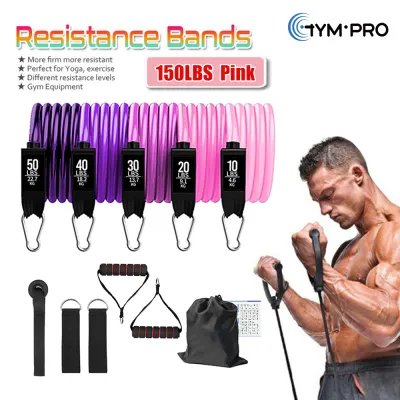
For runners, targeted lower-body and hip rehabilitation is often a priority. To facilitate these movements, look for sets that include practical accessories such as door anchors, ankle straps, or utility handles. A door anchor allows you to secure tube bands at various heights, enabling controlled, low-impact pulling motions that stretch the hip flexors or mobilize the ankles. Ankle straps are equally valuable, providing a secure and comfortable connection point for lateral leg raises or hamstring curls without causing the band to pinch or slip.
Comparing Resistance Band Types for Post-Run Routines
Different styles of resistance bands serve distinct purposes in a post-run recovery routine. Understanding how each type behaves helps you select the most practical option for your specific tight spots and stretching preferences.

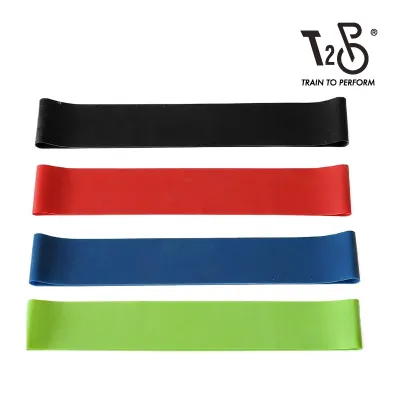
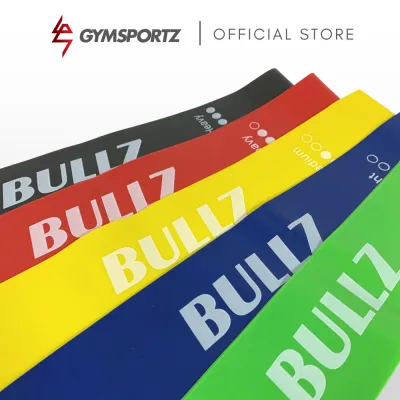
Mini loop bands are short, continuous loops designed primarily for lower-body work. They are exceptionally effective for glute activation, hip mobility, and lateral leg movements because they do not require handles or anchors to stay in place. Placing a mini loop band around your thighs or ankles during lateral walks or clamshells provides immediate, targeted feedback to the lateral stabilizers of the hip. This helps correct the pelvic instability that often develops during long, repetitive road runs.
Tube bands with handles consist of hollow rubber tubes equipped with carabiners or permanent handles at each end. These bands are highly suited for upper-body stretching, chest openers, and controlled pulling motions. Running naturally encourages a forward-slouched posture, which can tighten the chest and weaken the upper back over time. Using tube bands for gentle chest expansions or face pulls helps restore upper-body posture and relieves tension in the neck and shoulders without putting undue stress on the spine.
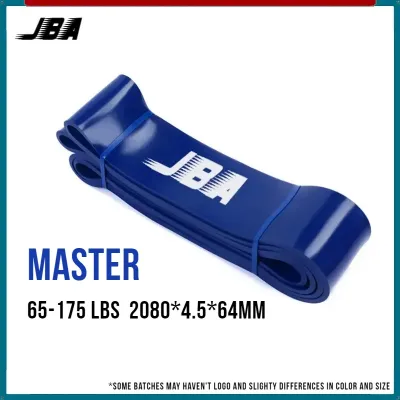
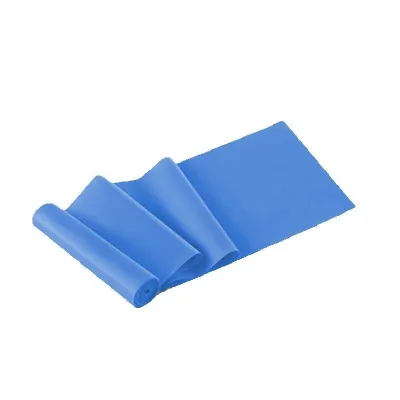
Flat therapy bands are long, wide, unlooped sheets of latex or synthetic rubber. They are a popular choice for gentle, full-range stretching and physical therapy-style movements. Because they lack handles and loops, you can easily wrap them around the arch of your foot to perform lying hamstring stretches or calf mobilizations. The wide surface area of a flat band distributes pressure evenly across your foot or leg, preventing the digging or pinching sensation often associated with thinner bands.
Matching Resistance Levels to Your Recovery Needs
Selecting the correct tension level is critical to ensuring your post-run routine remains restorative rather than damaging. Because there is no universal standard for resistance band colors, you must learn to interpret tension ratings based on manufacturer specifications rather than visual cues alone.
While many brands use a progression from yellow (lightest) to black or red (heaviest), these systems vary widely between manufacturers. Always check the packaging, product label, or user manual for the specific tension rating, which is typically measured in kilograms or pounds at a specific stretch length. For recovery purposes, you will primarily operate within the lowest tension brackets, often ranging from 2 to 7 kilograms of resistance.
When beginning a post-run recovery session, always start with the lightest band in your set to test your joint comfort and muscle response. Fatigued muscles are highly susceptible to cramping and strain. Performing a few preparatory repetitions with minimal resistance allows you to assess whether your joints are moving smoothly and whether your muscles can handle the movement without pain. If the movement feels fluid and pain-free, you can gradually progress to a slightly higher tension if your mobility goals require it.
It is vital to recognize the signs that a band’s resistance is too high for a recovery context. If you find yourself compensating by tilting your pelvis, shrugging your shoulders, or altering your natural movement path, the tension is excessive. Other warning signs include muscle shaking during simple movements, an inability to complete the full range of motion, or experiencing sharp, localized pain. Recovery exercises should feel smooth, controlled, and relaxing; if you are straining to complete a movement, drop down to a lighter band immediately.
Material and Design Checks for Comfort and Durability
The material composition of your resistance bands directly impacts their comfort, safety, and longevity. Evaluating these design elements before purchasing ensures your recovery sessions are not interrupted by skin irritation or sudden band failures.
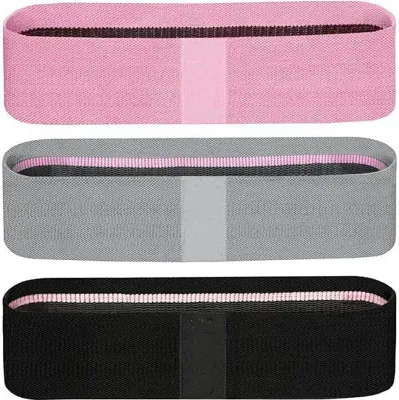
Runners must choose between fabric (woven) bands and traditional latex or rubber bands. Fabric bands, which blend elastic threads with soft textiles, are highly favored for lower-body exercises. They offer excellent grip, do not roll up or slide down your legs, and do not pinch bare skin or pull on athletic leggings. However, they are less stretchy than latex, making them less suitable for long-range upper-body stretches. Latex and rubber bands offer superior elasticity and versatility for full-body stretching, but they can slip, roll, or cause irritation if you have a latex sensitivity.
If you choose a tube band set, carefully inspect the connection points, carabiners, and handles before every session. High-quality sets feature reinforced stitching, heavy-duty metal carabiners, and secure plastic or metal rings where the tube meets the hardware. Avoid sets with flimsy plastic clips or poorly stitched fabric loops, as these are common failure points that can snap under tension, potentially causing injury. The handles should feature comfortable, non-slip foam or textured rubber grips that remain secure even when your hands are sweaty after a run.
To prevent material degradation, always review and follow the manufacturer’s care instructions. Sweat, body oils, and UV exposure from outdoor workouts can rapidly break down latex and rubber, leading to micro-tears and brittleness. Wipe your bands down with a damp cloth after use, allow them to air dry away from direct sunlight, and store them in a cool, dry place. Avoid using harsh chemical cleaners or exposing the bands to extreme heat, which can compromise the structural integrity of both fabric and rubber materials.
Essential Post-Run Exercises to Test Your New Band Set
To get the most out of your new resistance band set, incorporate a few targeted exercises into your post-run routine. These movements focus on restoring mobility to the hips, hamstrings, and upper body, helping to alleviate common runner tight spots.
Begin with lower-body exercises using mini loop or flat bands. To perform clamshells, place a light mini loop band just above your knees, lie on your side with your knees bent at a 90-degree angle, and slowly open your top knee while keeping your feet together. This targets the gluteus medius, a crucial hip stabilizer. Follow this with lateral band walks, keeping the band around your ankles or thighs as you take controlled, side-to-side steps. For a deep hamstring stretch, lie on your back, loop a flat therapy band around the arch of one foot, and gently raise your leg toward the ceiling, using the band to support the weight of your leg.
Next, address upper-body tightness and core alignment to counter the forward-leaning posture of running. Perform band pull-aparts by holding a light flat or tube band in front of you at shoulder height, then slowly pulling your hands apart until the band touches your chest, squeezing your shoulder blades together. To perform thoracic rotations, anchor a tube band at chest height, stand sideways to the anchor point, hold the handle with both hands, and slowly rotate your torso away from the anchor, keeping your hips stable. This movement helps restore rotational mobility to the mid-back, which can become stiff during long runs.
Throughout your recovery routine, prioritize slow pacing, deep breathing, and strict form over speed or high repetitions. Inhale deeply as you prepare for a movement, and exhale slowly as you initiate the stretch or contraction. If you experience any joint discomfort, sharp pain, or sudden muscle spasms, stop the exercise immediately. Recovery work should never push your body to the point of pain; if a movement feels uncomfortable, reduce the range of motion, switch to a lighter band, or consult a physical therapist.
Frequently Asked Questions (FAQ)
Can I use the same resistance band set for strength training and recovery?
Yes, you can use the same resistance band set for both strength training and recovery, provided the set offers a sufficiently wide range of tension levels. A versatile set should include ultra-light bands for gentle mobility work and heavy, high-resistance bands for building strength. However, keep in mind that heavy strength training subjects the bands to high levels of stress and stretching, which can accelerate wear and tear. If you use the same bands for intense workouts, inspect them closely before using them for recovery to ensure they have not developed micro-tears that could lead to snapping during a gentle stretch.
How often should I replace my resistance bands?
You should replace your resistance bands as soon as you observe any signs of physical wear, or generally every one to two years depending on how frequently you use them. Perform regular visual and tactile checks before each session. Look for micro-tears, small cracks, discoloration, loss of elasticity, or a sticky residue on the surface of latex bands. Fabric bands should be checked for frayed stitching, loose elastic threads, or stretched-out sections. If you notice any of these warning signs, or if the band feels unusually soft and fails to snap back into shape, replace it immediately to prevent sudden breakage during use.
Are fabric bands better than rubber bands for runners?
Fabric bands are often better for lower-body exercises like glute bridges, clamshells, and lateral walks because they do not roll up, slide, or pinch bare skin and leggings. Their wider, textured design provides excellent grip and comfort during hip and thigh movements. However, rubber or flat latex bands are highly versatile for full-body stretching and upper-body mobility. Rubber bands offer a much greater range of stretch, allowing you to wrap them around your feet for hamstring stretches or pull them overhead for chest openers. A complete recovery routine often benefits from having both types in your collection.
Community discussion
Share your experience or ask a question. Comments are reviewed before publication.