
Finding the right rhinowalk bike front bag depends heavily on your specific riding style, the distance you cover, and the gear you need to carry. Whether you are navigating the daily commute to work, enjoying a leisurely weekend cruise along the Park Connector Network (PCN), or preparing for a multi-day bikepacking expedition, your front bag must balance storage capacity with stable bike handling. Rhinowalk offers a variety of front bags designed to mount directly to your handlebars or stem, featuring different materials, closure systems, and mounting mechanisms. By assessing your daily cargo requirements and verifying your bike’s physical clearance, you can select a model that keeps your gear dry and secure without compromising your steering or safety.
Assessing Your Cycling Style and Cargo Needs
To choose the right bag, start by defining your primary riding scenarios and listing the exact items you plan to carry. A daily commuter typically needs to transport a phone, wallet, keys, office pass, and perhaps a lightweight change of clothes or a small tablet. In contrast, a recreational rider spending a few hours on the PCN might only require space for a windbreaker, some snacks, a mini-pump, and a spare inner tube. Multi-day touring or bikepacking demands significantly more volume to accommodate bulky items like a compact sleeping bag, bivy sack, cooking gear, and multiple days of food.
Estimating your required volume prevents you from buying a bag that is either too small to be useful or unnecessarily bulky. Front bags generally fall into three capacity ranges: compact (1 to 3 liters) for essentials, mid-sized (4 to 9 liters) for day trips, and high-capacity (10 liters or more) for touring.
Products mentioned in this guide
![[SG SELLER] Rhinowalk Bike Bicycle Front Bag Multi Functional Shoulder Cycling Water Resistant Front Basket bag Handlebar Rain Cover](https://img.lazcdn.com/g/p/ba301ca8d3214450c0354670437c0bf2.jpg_400x400q80.jpg_.webp)
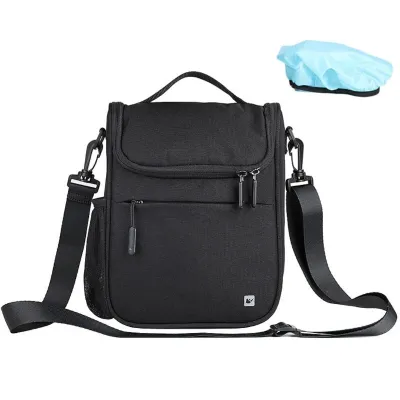
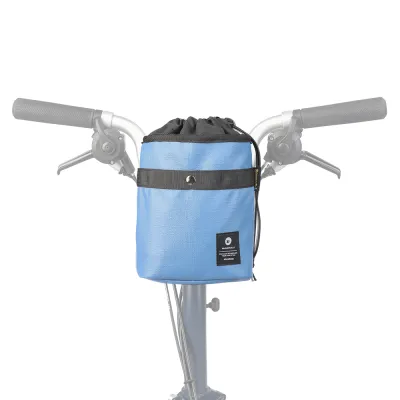
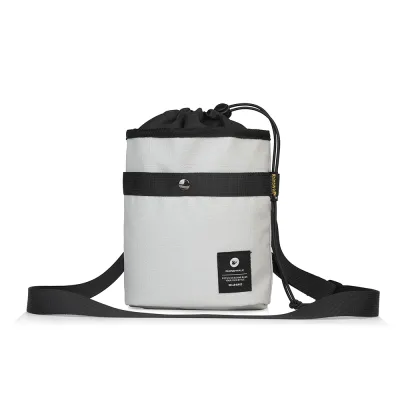
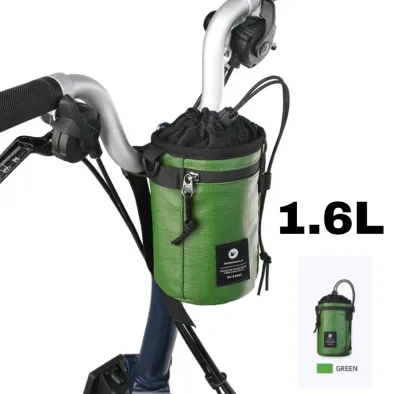
Prices are valid at publication and may change. Please refer to the product page for the latest price.
Additionally, consider how often you need to access your gear during a ride. If you frequently stop to grab your phone or a snack, a bag with quick-access zippered pockets or magnetic buckles is highly convenient. For long-distance rides where weather protection is the main priority, a roll-top closure is more suitable because it seals out water effectively, even though it takes longer to open and close.
Matching Rhinowalk Front Bag Designs to Your Ride
Rhinowalk front bags come in several distinct designs, each tailored to specific riding dynamics and storage needs. Handlebar rolls are cylindrical bags that attach horizontally across the bars, making them excellent for carrying long, compressible items. Stem bags, often called feed bags, mount vertically in the junction between your handlebar and stem, providing an open-top pocket that is easy to reach while pedaling. Rigid-front bags or small handlebar panniers maintain their shape even when empty, offering structured storage that protects delicate items like cameras or sunglasses.

In Singapore’s tropical climate, sudden and heavy downpours are a common occurrence. When evaluating different designs, pay close attention to the weatherproofing specifications. Look for bags constructed from waterproof materials such as TPU (thermoplastic polyurethane) or heavy-duty PVC-coated fabrics. Welded seams are highly preferable to stitched seams, as stitching creates tiny needle holes where water can seep in during a torrential rainstorm.
You must also weigh the trade-offs between aerodynamic profiles and maximum storage capacity. A large, wide handlebar roll offers massive storage but increases wind resistance and can make steering feel sluggish. Conversely, a compact, streamlined bag tucked neatly behind your cables has minimal impact on your speed and handling but limits you to carrying only the bare essentials.
Daily Commuting and Urban Errands
For daily commuting and quick trips around town, convenience and rapid access are your top priorities. A compact handlebar bag or a pair of stem bags is often the most practical setup for these short journeys. These designs allow you to keep your most valuable items, such as your smartphone, keys, wallet, and transit cards, within arm’s reach.
When shopping for a commuter bag, look for user-friendly features like touch-screen compatible top pockets, which allow you to check your GPS navigation at a red light without removing your phone from the bag. Easy-open zippers with large pull tabs or quick-release magnetic buckles make it simple to open the bag with one hand while waiting at an intersection.
Safety is paramount in stop-and-go urban traffic, so you must ensure the bag does not interfere with your bike’s controls. Verify that the bag’s mounting straps do not pinch your brake hoses or gear cables, which can degrade shifting performance or braking responsiveness. Additionally, check that the bag does not block your front safety light or obscure your bell, keeping you visible and audible to pedestrians and motorists alike.
Weekend PCN Rides and Day Tours
Recreational rides along the PCN or longer day tours around the island require a balance of moderate storage and comfortable bike handling. For these half-day or full-day outings, a mid-capacity handlebar bag (around 4 to 6 liters) is typically the ideal choice. This size provides ample room to pack a lightweight rain jacket or windbreaker, sun protection, a small first-aid kit, and plenty of snacks to keep your energy up.
Look for bags that feature external attachment points, such as front bungee cords or daisy-chain webbing. These external loops are incredibly useful for securing a wet rain jacket or lashing an extra water bottle when your bottle cages are already full.
Because PCN routes often feature shared paths with pedestrians, joggers, and other cyclists, maintaining precise steering control is essential. Ensure that your chosen mid-capacity bag fits comfortably between your handlebar grips without crowding your hands. The bag should be mounted securely enough that it does not bounce or sway when you navigate tight corners, ramps, or sudden detours on the path.
Longer Cycling Trips and Bikepacking
When you are planning multi-day bikepacking trips or long-distance touring, your front bag becomes a critical component of your overall gear-carrying system. For these demanding adventures, high-capacity handlebar rolls or modular harness systems are the standard choice. These systems allow you to pack bulky but relatively lightweight gear, such as a compact tent, sleeping pad, or spare clothing, directly onto your handlebars.
A modular harness system is particularly useful because it allows you to leave the mounting harness attached to your bike while quickly removing the inner dry bag when you reach your campsite. When selecting a high-capacity system, verify that it features robust mounting hardware, such as heavy-duty nylon straps, cam-lock buckles, and rigid spacer blocks. These spacers keep the bag pushed slightly away from your handlebar, preventing it from crushing your cables or rubbing against your bike’s head tube.
Before setting off on a loaded trip, you must perform a thorough clearance check. Ensure that the fully packed bag does not sag and make contact with your front tire, especially if your bike is equipped with a front suspension fork. Under full compression, a suspension fork can bring the tire dangerously close to the handlebar, so always test the clearance by compressing the fork completely before riding.
Critical Fit and Compatibility Checks Before You Buy
Before purchasing any rhinowalk bike front bag, taking precise measurements of your bicycle is the most effective way to avoid compatibility issues. Start by measuring the available horizontal space on your handlebars. For flat-bar hybrid bikes or mountain bikes, this is rarely an issue, but for road or gravel bikes with drop handlebars, the space between the brake hoods can be highly restricted. Measure the distance between your hoods and compare it to the width of the bag when fully packed to ensure you can still operate your integrated brake and shift levers comfortably.
Next, measure the vertical clearance available on your front end. This is the distance from the top of your handlebar down to the top of your front tire or mudguard. High-capacity bags and handlebar rolls often require at least 20 to 25 centimeters of vertical clearance to prevent the bottom of the bag from rubbing against the tire. Tire rub can quickly wear a hole through the tough fabric of your bag and, more importantly, can cause a sudden front-wheel lockup, leading to a serious fall.
You must also evaluate your cable routing and accessory mounts. Modern bikes often have complex cable setups, and a tightly strapped handlebar bag can bend housing too sharply, leading to poor shifting or sticky brakes. If your cables exit close to the stem, look for bags that include foam spacer blocks to create a gap for the cables to pass through freely. Finally, consider where you will mount your GPS computer, phone mount, and front light. You may need to invest in a handlebar accessory extender to mount your electronics above or in front of the bag, ensuring they remain visible and functional.
Packing and Weight Distribution for Safe Handling
How you pack your front bag has a direct impact on your bicycle’s handling, steering speed, and overall stability. Because the front wheel is responsible for steering and balancing, adding too much weight to the handlebars can make the bike feel heavy, slow to turn, or prone to sudden steering pull. To maintain safe handling, always place your heaviest and densest items—such as multi-tools, spare tubes, or a heavy lock—at the bottom of the bag and as close to the center stem as possible.
Keep the lighter, bulkier items, such as spare clothing, rain gear, or sleeping bags, toward the outer edges of the bag. This centralized weight distribution minimizes the rotational inertia of your steering, making it much easier to control the bike when navigating tight turns or making sudden adjustments.
To prevent your gear from shifting while you ride, use internal dry bags, compression sacks, or built-in organizers. Shifting cargo can cause sudden changes in balance, which can be highly dangerous when riding at speed or descending hills. Once your bag is packed and mounted, always perform a quick pre-ride check. Give the bag a firm shake to ensure the straps are tight, and turn your handlebars fully from left to right to verify that the bag does not bind your cables, rub your tire, or restrict your steering angle in any way.
Frequently Asked Questions (FAQ)
Can I use a Rhinowalk front bag on a bike with drop bars?
Yes, you can use a Rhinowalk front bag on drop bars, but you must select a model designed specifically for narrow clearances. Standard handlebar rolls can be too wide, preventing you from shifting gears or riding comfortably on the hoods. Look for compact handlebar bags, tapered bags, or models that measure less than the distance between your drop bar hoods (typically 40 to 44 centimeters). Always measure your specific handlebar width before purchasing to ensure full clearance for your hands and shifters.
How do I clean and maintain the waterproof coating on my front bag?
To preserve the waterproof integrity of your front bag, clean it regularly using a soft cloth, lukewarm water, and a mild, non-detergent soap. Avoid machine washing, tumble drying, or using harsh chemical solvents, as these can strip away the waterproof TPU or PVC coating and damage the welded seams. After riding in wet or muddy conditions, wipe down the exterior to remove grit and salt. Always allow the bag to air dry completely in a shaded, well-ventilated area before storing it to prevent mold and mildew from developing in humid climates.
Community discussion
Share your experience or ask a question. Comments are reviewed before publication.