
Quick Decision Guide: Matching Your Gear to a Scubapro Bag
Selecting the right Scubapro bag depends on whether you need to transport wet gear that must drain, protect dry valuables on a boat, or carry a complete personal kit from home to the shore. For beginners, the choice often comes down to managing moisture and protecting fragile items like masks and cameras. A single bag rarely does everything perfectly, so understanding how your gear interacts with water is the first step toward making a smart purchase.
To quickly estimate your required bag volume, consider your current equipment list. A basic setup consisting of a mask, snorkel, and short full-foot fins requires minimal space and can easily fit into a lightweight mesh sack or a small backpack. If you add a thick exposure suit, neoprene boots, and longer open-heel fins, your volume requirements will double, necessitating a structured duffel or a heavy-duty multi-compartment bag.
Before browsing, ask yourself where you will be changing and how you will transport your wet gear home. If you rely on public transport or a clean car trunk, a completely open mesh bag will drip saltwater everywhere, meaning you will need a waterproof dry bag or a protective liner to contain the runoff. Conversely, if you walk straight from the beach to your accommodation, a breathable mesh bag is the most practical choice to let your gear air-dry.
Products mentioned in this guide
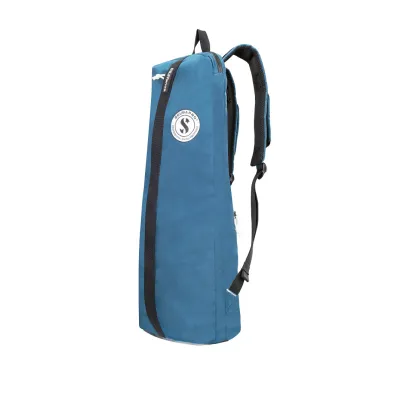
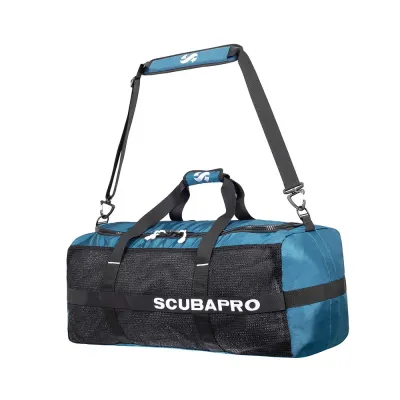
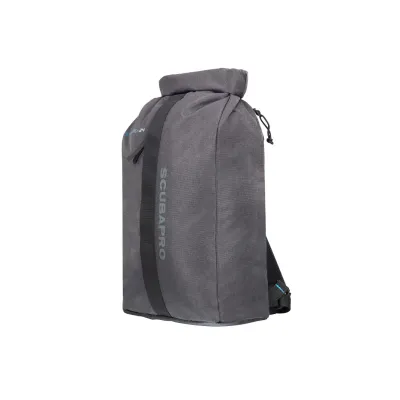
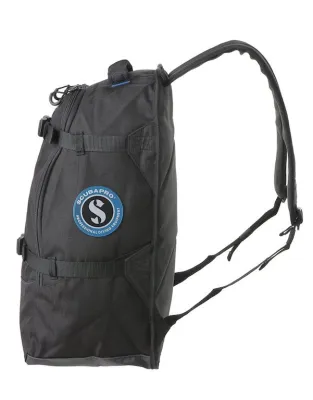
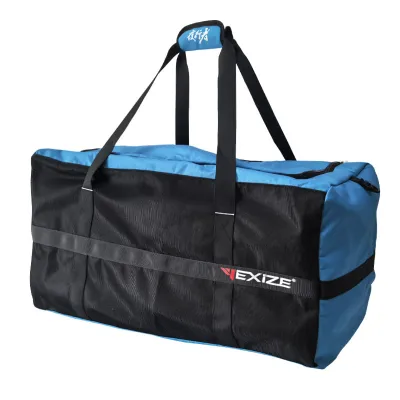
Prices are valid at publication and may change. Please refer to the product page for the latest price.
Assessing Your Beginner Snorkeling Loadout
To choose the right carrying system, you must first inventory your gear and categorize it by its physical properties. Bulky, durable items like fins and wetsuits have very different storage requirements than fragile, high-value items like masks, snorkels, and action cameras. Grouping your gear this way prevents damage and helps you calculate the total volume and weight you need to carry.

Your choice of fins is the single most important factor in determining the length and style of your Scubapro bag. Full-foot fins are generally shorter, lighter, and highly flexible, allowing them to fit into standard backpacks or compact shoulder bags. Open-heel fins, which require thick neoprene dive boots, are significantly wider, stiffer, and longer, often requiring a dedicated gear bag with extended side pockets or a spacious central compartment.
Exposure suits also demand careful consideration when estimating bag capacity. A thin rash guard or a 1.5mm shorty wetsuit rolls up tightly and takes up very little space. However, if you snorkel in cooler waters or prefer the thermal protection of a full 3mm or 5mm wetsuit, the neoprene will add substantial bulk and weight, especially when wet, requiring a bag with a much larger main compartment.
Finally, consider whether you are carrying personal or rented gear. If you only own a personal mask and snorkel and plan to rent fins and wetsuits at your destination, you only need a small, protective dry bag or a compact mask case. If you invest in a complete personal setup, you will need a comprehensive transport solution that can handle the entire weight of your gear from your home to the water.
Scubapro Bag Categories and Their Best Use Cases
Scubapro designs several distinct styles of bags to address the unique challenges of water sports. These generally fall into three functional categories: mesh bags, dry bags, and structured backpacks or duffels. Each category serves a specific purpose during a snorkeling excursion, and understanding their limitations will help you avoid common packing mistakes.
While some beginners attempt to find one universal bag for all scenarios, experienced snorkelers often use a combination of two smaller, specialized bags. For example, pairing a large mesh bag for wet gear with a small dry bag for electronics provides the ultimate balance of drainage and protection. Evaluating how you travel to your snorkeling sites will help you decide which category to prioritize.
Mesh Bags for Wet Gear and Drainage
Mesh bags are the industry standard for transporting wet snorkeling and diving gear because they prioritize ventilation and drainage over water containment. Made from heavy-duty coated mesh, these bags allow water to escape freely and encourage airflow around your wet equipment. This constant air circulation is critical for preventing the rapid growth of mold, mildew, and unpleasant odors on your fins and exposure suits.
However, the primary strength of a mesh bag is also its main limitation. Because water drains freely through the mesh, these bags offer zero protection against external rain, splashes, or pooling water on a boat deck. Any valuables, dry clothing, or electronics placed inside a mesh bag will get wet, meaning you must use a secondary waterproof container for your sensitive items.
Dry Bags for Valuables and Boat Trips
Dry bags are designed to keep water out, making them indispensable for boat trips, beach days, and sudden tropical downpours. These bags are constructed from impermeable materials like PVC or heavy-duty polyurethane and feature roll-top closures that create a watertight seal when folded correctly. They are perfect for safeguarding your phone, wallet, dry towel, and change of clothes from splashes and sand.
While dry bags excel at protection, they are not suitable for storing wet gear for extended periods. Sealing wet fins or a damp wetsuit inside a dry bag traps moisture completely, creating a humid environment that accelerates bacterial growth and can damage delicate silicone mask skirts. Additionally, dry bags lack the structural reinforcement needed to carry heavy, sharp, or highly rigid gear comfortably over long distances.
Backpacks and Duffels for Full Kit Transport
For snorkelers who need to transport a complete personal gear setup over longer distances, structured backpacks and duffels offer the necessary capacity and support. Backpack styles distribute weight evenly across both shoulders, making them the ideal choice if you need to hike down to remote beaches or navigate uneven coastal paths. Duffels, on the other hand, offer a wide-open main compartment that makes packing and organizing bulky gear incredibly simple.
When evaluating these larger bags, always check the internal dimensions against the length of your fins. Many standard travel backpacks are too short to accommodate medium-to-long snorkeling fins, forcing you to leave the bag partially unzipped or carry your fins separately. Look for specialized water sports designs that feature dedicated external fin pockets or extended main compartments.
Key Features to Verify on the Product Label
When shopping for a Scubapro bag, reading the product specifications and labels carefully will help you identify a durable, high-performing model. The first specification to verify is the material durability, which is often measured in denier (D). For a bag that will resist tears from sharp fin buckles, rocky beaches, and rough boat decks, look for fabrics rated at 500D or higher, such as heavy-duty polyester or nylon with a polyurethane coating.
Closure mechanisms are another critical point of evaluation, as the marine environment is incredibly harsh on hardware. Standard metal zippers will quickly corrode and seize when exposed to saltwater and humidity. Verify that the bag features heavy-duty, corrosion-resistant plastic zippers, robust plastic buckles, or thick drawstrings that can withstand repeated exposure to salt and sand without binding.
Finally, assess the comfort and handling features of the bag. Carrying wet, heavy gear can quickly become uncomfortable if the bag lacks proper support. Look for padded shoulder straps with breathable mesh lining, reinforced grab handles on the top and sides for easy lifting, and a reinforced base panel that protects the bottom of the bag from abrasion when placed on rough concrete or gravel.
How to Verify Fit and Capacity Before Buying
To ensure your chosen Scubapro bag will actually fit your specific gear configuration, you should perform a physical measurement check before making a purchase. Lay your entire snorkeling setup out on a flat surface, placing your fins side-by-side and stacking your mask, snorkel, and wetsuit on top. Measure the total length, width, and depth of this gear pile to establish your minimum required internal dimensions.
Once you have these measurements, compare them directly to the manufacturer’s listed internal dimensions for the bag you are considering. Do not rely solely on the total volume in liters, as a 40-liter bag that is short and wide may not accommodate a pair of long, rigid fins that require a tall, narrow compartment. Always prioritize the length dimension to ensure your fins can be fully enclosed and zipped up safely.
It is also wise to check the retailer’s return policy before finalizing your purchase. Even with careful measurements, the stiffness of certain gear items can make packing more difficult than expected, and being able to test the fit at home with the option of an exchange provides peace of mind. Additionally, remember to allow a little extra room for future gear additions, such as a camera tray, a heavier exposure suit, or safety accessories.
Frequently Asked Questions (FAQ)
How do I clean and maintain my snorkeling bag after use?
To prolong the lifespan of your snorkeling bag, always rinse it thoroughly with clean, fresh water after every use in saltwater or chlorinated pools. Pay close attention to the zippers, buckles, and mesh panels, as salt crystals and sand can accumulate in these areas and cause premature wear or binding. Open all compartments fully and hang the bag to air-dry completely in a shaded, well-ventilated area, keeping it out of direct sunlight to prevent UV degradation of the fabrics and coatings. Never use harsh chemical detergents, bleach, or machine washing cycles unless the manufacturer’s care label explicitly permits it, as these can strip away waterproof coatings and damage seam seals.
Can I use a regular gym bag instead of a specialized snorkeling bag?
While a standard gym bag can physically hold your gear, it lacks the specialized materials and design features required for water sports. Gym bags are typically made from absorbent fabrics that soak up water, leading to heavy, dripping bags that take a long time to dry and easily develop mold and foul odors. Furthermore, standard gym bags feature metal zippers and hardware that will rapidly corrode, rust, and seize when exposed to saltwater. Specialized snorkeling bags utilize corrosion-resistant plastic hardware, quick-drying mesh, or waterproof PVC coatings designed specifically to handle wet environments, protecting both your gear and your vehicle from damage.

Community discussion
Share your experience or ask a question. Comments are reviewed before publication.