
Choosing the right shin guards depends on finding the precise balance between physical protection and on-pitch mobility that your specific playing position demands. While every player on the pitch requires defense against stray studs and hard tackles, a defender blocking powerful shots has vastly different physical needs than a winger sprinting down the flank. Matching your guard’s design to your tactical duties, physical attributes, and personal comfort ensures you stay safe without compromising your performance.
Understanding Shin Guard Types and Fit
Slip-in guards are independent protective plates that slide directly into your football socks. They are typically held in place by compression sleeves, grip tape, or the natural tension of the sock itself. Because they lack attached straps or ankle padding, they offer a highly streamlined, low-profile fit. This minimalist design is favored by players who prioritize rapid footwork and want to avoid any extra weight on their lower legs.
Ankle guards feature an integrated padded sleeve that extends downward to cover the medial and lateral malleolus, which are the bony protrusions on either side of your ankle. Some designs also include an under-foot stirrup to keep the guard anchored. While they provide excellent defense against low tackles and stray kicks, the extra material adds noticeable bulk and weight. This added structure can also slightly alter how your boot fits around the ankle collar.
Products mentioned in this guide
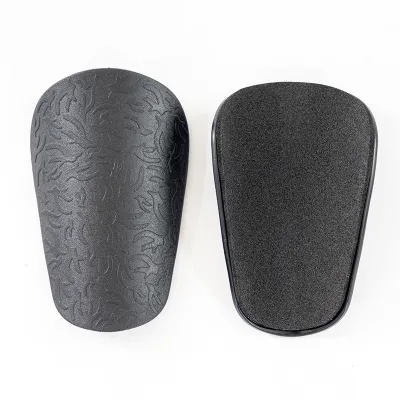
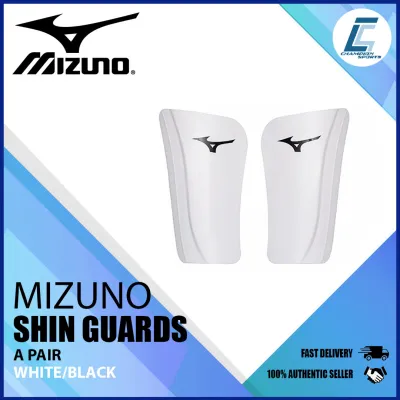
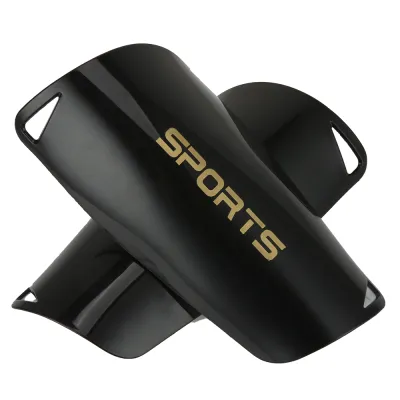
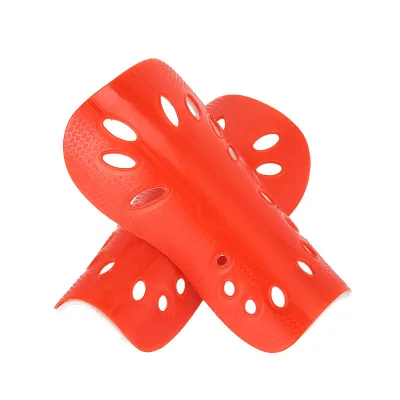
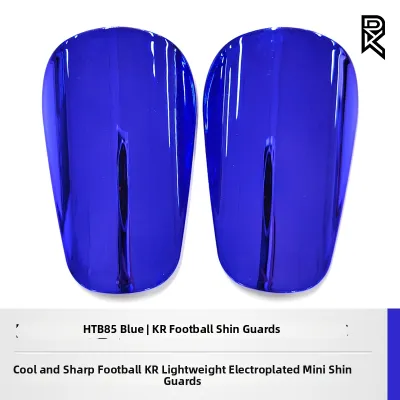
Prices are valid at publication and may change. Please refer to the product page for the latest price.
To find your correct size, measure the distance from approximately two inches below your kneecap down to about one inch above your ankle bone. This measurement represents the maximum coverage area that allows your knee and ankle joints to flex fully without interference. Always cross-reference this length with the manufacturer’s specific sizing chart, as sizing is not standardized across brands. A guard that is too long will bite into your shin or knee when you bend your leg, while a guard that is too short leaves vulnerable gaps.
Matching Shin Guards to Your Playing Position
Defenders are the team’s primary shield, frequently engaging in hard tackles, blocking powerful shots, and contesting physical 50-50 balls. Because the risk of direct, high-impact contact to the lower leg is highest in this zone, defenders generally benefit from maximum-coverage guards. Look for robust, thicker shells that cover a larger surface area of the shin, or consider ankle guards if you frequently find yourself in physical tangles inside the penalty box.

Midfielders are the engines of the team, covering immense distances over 90 minutes while transitioning constantly between defense and attack. To prevent premature leg fatigue, you need a mid-weight guard that offers a balanced compromise. A medium-sized slip-in guard with a durable shell provides sufficient protection against mistimed tackles in crowded central areas without adding unnecessary weight that drags down your work rate.
Forwards and wingers rely on explosive acceleration, agility, and sudden changes of direction to beat defenders. Any excess weight on the lower extremities can micro-delay your stride or disrupt your close control of the ball. Attacking players typically prefer ultra-lightweight, minimalist slip-in guards that sit flush against the shin, minimizing drag and allowing for an unobstructed feel when striking or dribbling.
While positional guidelines offer an excellent starting point, your individual playing style should ultimately dictate your choice. An aggressive, physical forward who frequently holds up the ball and battles physical center-backs may want to upgrade to a more protective, larger guard. Conversely, a highly technical, deep-lying playmaker who avoids physical duels through quick passing might opt for a smaller, more minimalist guard regardless of their defensive duties.
Evaluating Protection, Materials, and Comfort
When browsing options on online marketplaces or specialty sports stores, inspect the product specifications for shell materials. Polypropylene is a common, cost-effective plastic that offers reliable impact resistance for recreational play. Fiberglass shells provide a stiffer, more protective barrier with less bulk, while premium carbon fiber options deliver exceptional strength-to-weight ratios, absorbing high-velocity impacts while remaining incredibly thin and light.
The inner lining of the guard is just as important as the outer shell. Look for high-quality Ethylene-Vinyl Acetate (EVA) foam backing, which cushions the shin by dispersing impact forces. In warm, humid climates like Singapore, proper ventilation is crucial; choose guards with molded air channels or perforated foam to allow heat and sweat to escape, reducing the risk of skin chafing and slippage during intense matches.
Keeping your guards secure is vital for both safety and concentration. Compression sleeves are excellent for holding slip-in guards tight against the skin without restricting blood flow, provided they are sized correctly. Traditional hook-and-loop straps offer easy adjustment but can sometimes scratch the skin or lose elasticity over time. If you prefer the classic sock-tuck method, consider using specialized cohesive sports tape or guard stays wrapped below the guard to prevent it from sliding down your leg.
Testing and Breaking In Your Shin Guards
Never wear brand-new shin guards for the first time during a competitive match. Put on your full kit—including your match socks, grip socks if you use them, and your boots—and insert the guards. Perform a series of dynamic movements: execute high knees, practice sudden lateral cuts, jump as if contesting a header, and mimic a kicking motion. If the guard shifts, pinches, or restricts your ankle’s range of motion, you need to adjust the positioning or try a different size.
Use your new guards during at least two or three training sessions before your next league game. This allows the foam backing to mold slightly to the unique contours of your shin bone and helps you identify any friction points. If you notice any rubbing or sharp edges, you can address them with thin under-socks or protective tape before they develop into painful blisters during a full 90-minute match.
Shin guards do not last indefinitely, and playing with compromised gear increases your risk of injury. Regularly inspect your guards for visible signs of wear and tear, such as deep cracks in the outer shell, compressed foam that no longer bounces back, or stretched-out straps that fail to hold the guard securely. If the structural integrity of the shell is compromised, or if the guard constantly slides down your leg during play, it is time to replace them immediately.
Frequently Asked Questions (FAQ)
Do I need to wear shin guards with ankle protection?
Ankle protection is a personal choice based on your injury history, playing style, and comfort preference rather than a strict positional mandate. While ankle guards offer extra coverage against lateral impacts and stray studs, they add weight and can restrict some players’ range of motion. Base your decision on past ankle vulnerabilities and whether the added bulk negatively affects your boot fit and touch on the ball.
How tight should my shin guard sleeves or straps be?
Your shin guards should remain completely stationary during sudden stops, sprints, and kicks without requiring constant manual readjustment. However, you must avoid over-tightening your straps or sleeves, as this can restrict blood flow, cause muscle cramping, or lead to numbness in your feet. Test the tightness after a brief warm-up when your calf muscles naturally expand to ensure a secure yet comfortable fit.
Community discussion
Share your experience or ask a question. Comments are reviewed before publication.