
Selecting the right shin pad is a critical decision that balances your playing position, competition level, and personal comfort. A defender facing aggressive tackles needs heavy-duty protection, whereas a winger relies on speed and requires an ultra-lightweight, low-profile design. Matching your gear to your role on the pitch ensures you stay protected without sacrificing performance. By evaluating key factors like material composition, design style, and fit, you can find the perfect pair to keep you safe and agile during every match.
Understanding the Shin Pad Trade-Off: Protection vs. Mobility
Every time you step onto the pitch, your choice of protective gear directly influences how you play. The fundamental design challenge of any shin pad lies in the direct trade-off between impact resistance and freedom of movement. A larger, thicker guard covers a wider surface area of your lower leg and absorbs high-velocity impacts from stray boots, but it adds physical weight and bulk. This extra mass can slightly slow down your acceleration, make your touches feel less precise, and feel restrictive during long sprints.
Conversely, ultra-lightweight, minimalist pads offer maximum mobility and a barefoot feel, allowing you to manipulate the ball with zero interference. The sacrifice, however, is coverage and safety; a smaller shell leaves larger portions of your tibia vulnerable to painful knocks and potential fractures. There is no single universal option that excels at both extremes. The goal is to identify where you sit on this spectrum based on your physical playing style, the intensity of your league, and your tolerance for contact.
Products mentioned in this guide
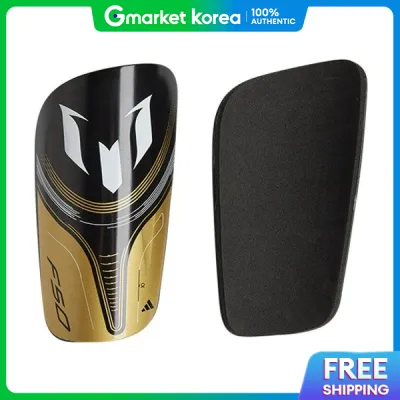
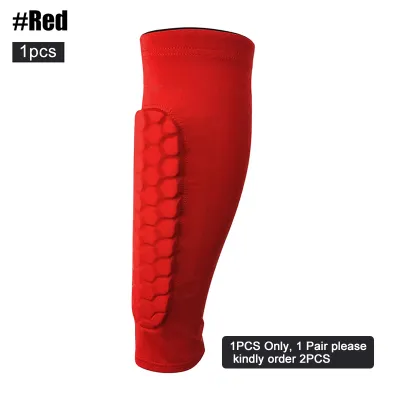
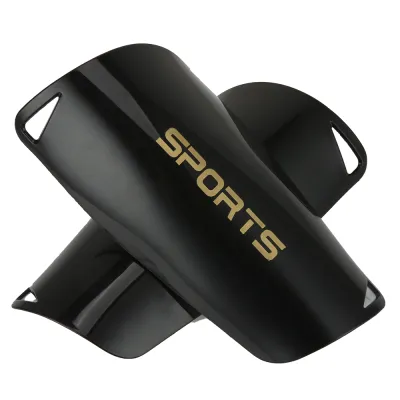
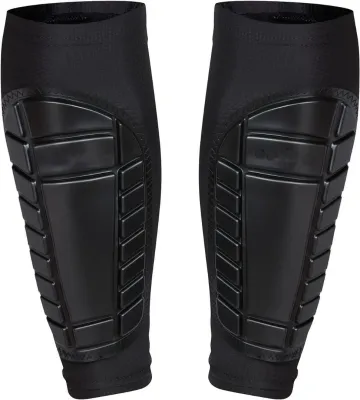
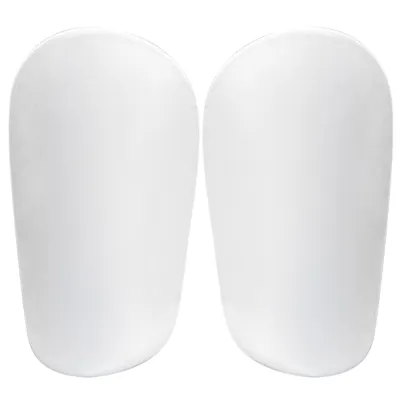
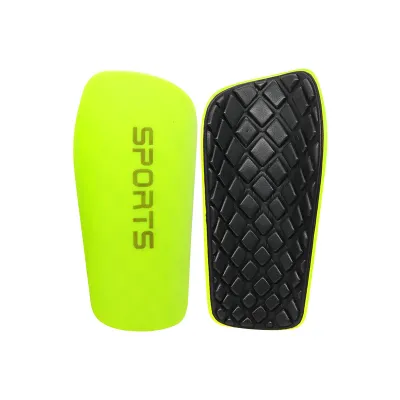
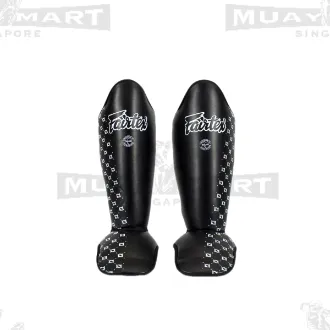
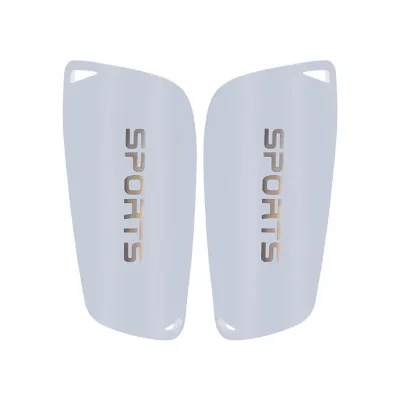
Prices are valid at publication and may change. Please refer to the product page for the latest price.
Best Shin Pad Features for Every Playing Position
Your position on the field dictates the types of physical contact you encounter and the movement patterns you repeat. Tailoring your selection to these positional demands ensures your gear works with your body, not against it.

Defenders: Maximum Protection for High-Impact Tackles
Center-backs and full-backs operate in high-density defensive zones where physical duels, sliding tackles, and block shots are constant. For these players, maximizing protective coverage is paramount to avoid serious injury from direct impacts.
- Shell Coverage: Look for wide, anatomically curved shells that wrap around a significant portion of the shin, covering both the front tibia and the lateral sides of the lower leg.
- Backing Thickness: Opt for dense, thick EVA foam backing (typically 5mm to 8mm) to absorb and disperse the force of heavy clearance collisions.
- Weight Tolerance: Because defensive play prioritizes positioning, strength, and aerial duels over continuous explosive sprinting, defenders can easily tolerate a slightly heavier, sturdier pad.
- Ankle Integration: Many amateur defenders prefer pads with integrated ankle guards to protect against painful kicks to the ankle bones during tight tackling situations.
Midfielders: Balancing Agility and Defense in the Center
Midfielders are the engines of the team, constantly transitioning between defensive ball-winning and attacking playmaking. They cover the most distance on the pitch and require a highly versatile setup.
- Weight and Bulk: Mid-weight pads are ideal here. They must be streamlined enough to fit snugly under socks without creating a bulky profile, allowing for quick pivots, 360-degree turns, and clean passing mechanics.
- Secure Fit: Because midfielders run and change direction continuously, the pad must stay locked in place. Slip-in pads paired with high-quality compression sleeves or athletic tape prevent shifting during rapid transitions.
- Balanced Shells: Look for medium-sized shells made of durable composite plastics that cover the central shin bone while tapering at the edges to allow full ankle and knee flexion.
Forwards and Wingers: Lightweight Speed and Minimal Bulk
Attackers rely on explosive acceleration, rapid dribbling, and precise shooting to beat opponents. For wingers and forwards, extra weight on the lower legs can feel like an anchor, disrupting their natural biomechanics.
- Ultra-Lightweight Designs: Attackers heavily favor low-profile, slip-in guards that weigh as little as possible. These minimalist shells sit flush against the shin, mimicking the natural contour of the leg.
- Minimalist Coverage: Because attackers face fewer direct, block-style tackles and focus more on evading defenders, they can safely trade away some coverage area in exchange for a completely unrestricted range of motion.
- Anatomical Curves: Choose narrow, left-and-right specific shells that curve tightly to your leg shape. This prevents the edges of the pad from catching on your socks or interfering with your close-control dribbling.
How to Match Shin Pads to Your Competition Level
The intensity of your matches, the speed of play, and the physical maturity of your opponents determine how much impact resistance your gear must provide. Matching your shin pads to your competition level ensures you do not overpay for unnecessary tech or underprotect yourself against serious forces.
Youth and Beginner: Comfort and Confidence Building
For children and players new to the sport, comfort is the primary factor that encourages consistent use. Heavy, stiff, or scratchy pads will quickly distract a beginner and ruin their enjoyment of the game.
- Soft Liners: Look for pads with soft, hypoallergenic, and moisture-wicking foam backings that sit comfortably against bare skin.
- Ease of Use: Sleeve-style pads or those with attached elastic straps are highly recommended, as they are easy for younger players to put on and adjust without adult assistance.
- Ankle Protection: Youth leagues often involve crowded, chaotic scrambles for the ball where accidental kicks to the ankles are common. Pads with built-in ankle socks provide vital extra protection and keep the guard centered.
Amateur and Recreational: Durability for Weekend Leagues
Weekend leagues, social turnouts, and recreational five-a-side matches on local Singapore artificial turf pitches can be surprisingly physical. Players need reliable, cost-effective gear that can withstand regular wear and tear.
- Durable Materials: Look for standard, high-density materials like Polypropylene (PP) or K-Resin. These materials are highly impact-resistant, cost-effective, and hold up well to frequent use.
- Maintenance Resilience: Recreational gear is often subjected to quick washes and thrown into kit bags. Choose pads with closed-cell foams that do not absorb water, making them easier to wipe clean and quick to dry.
- Price Point: Excellent recreational pads typically range from S$15 to S$35, offering solid, dependable protection without premium price tags.
Competitive and Advanced: High-Performance Materials and Fit
At the school academy, semi-professional, or high-stakes club level, the speed of the game increases dramatically, resulting in much higher impact forces during collisions. Advanced athletes require cutting-edge materials to stay safe without adding weight.
- Advanced Composites: Premium pads utilize carbon fiber, fiberglass, or Kevlar-reinforced shells. These materials offer exceptional strength-to-weight ratios, dispersing massive impact forces across a paper-thin, featherlight profile.
- Ergonomic Molding: Many high-end options feature pre-curved, flexible shells that harden only on impact (using smart materials like D3O), providing an incredibly close, custom-feeling fit.
- Safety Standards: Ensure your pads carry official safety certifications, such as the CE mark or NOCSAE stamp, which are often mandatory requirements for official league play. Expect to invest between S$40 and S$100+ for these high-performance models.
Choosing the Right Style and Getting the Perfect Fit
To provide effective protection, a shin pad must sit in the correct position and cover the vulnerable areas of your lower leg. Understanding the three primary styles helps you choose the right design for your routine.
- Slip-In Guards: These are standalone shells that slide directly into your football socks. They are highly favored by advanced and professional players because they are lightweight and allow you to position them exactly where you want. However, they require external support like sleeves or tape to prevent them from sliding down.
- Sleeve-Style Guards: This modern design pairs a slip-in shell with a tight, elastic compression sleeve. The sleeve features a dedicated pocket that holds the guard securely against your shin, eliminating the need for sticky tape while providing mild compression to the calf muscle.
- Ankle Guard Styles: These feature a traditional shin shell connected to a padded stirrup that wraps under your foot, providing built-in protection for both the medial and lateral ankle bones. They are excellent for youth players and defenders but are bulkier and can restrict ankle mobility slightly.
To find your correct size, you must measure your shin accurately rather than relying solely on your overall height:
- Measure the Length: Use a flexible tape measure to measure from approximately 5 cm below your kneecap down to about 2 cm above your ankle bone. This is the maximum length your shin pad should be.
- Check the Fit: When wearing the pad, it should cover at least 50% to 60% of your shin length.
- Verify Mobility: Bend your knee fully and flex your ankle upward. If the top of the pad pinches your knee joint or the bottom digs into your foot, the pad is too long and must be sized down.
Safety Warning: Never wear a pad that is too short, as it leaves the fragile tibia bone exposed to direct, high-energy impacts that can lead to severe bone bruising or fractures. Conversely, a pad that is too long will restrict your joint movement, causing discomfort and reducing your agility on the pitch. Always check the manufacturer’s specific size chart before buying, as sizing standards vary significantly between brands.
How to Wear, Clean, and Maintain Your Shin Pads
Proper wear and consistent maintenance not only extend the lifespan of your gear but also prevent hygiene issues, which are especially prevalent in warm climates.
- Securing Your Pads: If you use slip-in pads, secure them using specialized athletic cohesive tape or silicone guard stays placed directly beneath the bottom edge of the pad. Avoid wrapping tape too tightly around your calf, as this can restrict blood flow and lead to premature muscle cramping.
- Beating the Humidity: In Singapore's hot and humid tropical climate, sweat and moisture accumulate rapidly inside your boots and socks. Never leave damp shin pads sealed inside a dark, unventilated sports bag after a training session. This creates a breeding ground for bacteria, mold, and intense odors.
- Washing Routine: After every match, remove your pads from your bag immediately. Wipe down the plastic outer shells with a damp cloth and mild, diluted soap. For the foam backing, hand-wash gently with warm water and a mild detergent.
- Drying Protocol: Always air-dry your pads in a well-ventilated indoor space away from direct, intense sunlight, which can dry out and crack the foam backing or warp the plastic shell. Ensure they are completely dry before packing them for your next session.
Frequently Asked Questions (FAQ)
Do I need to wear shin pads during casual training sessions?
Yes, you should wear them during any training activity that involves physical contact, such as small-sided scrimmages, rondos, or tackling drills. While you can skip them for solo technical drills or light passing practice, accidental collisions can happen in any competitive environment, making basic protection highly advisable.
How often should I replace my shin pads?
You should replace your shin pads based on their physical condition rather than a set timeframe. Inspect them regularly; if you notice visible cracks in the outer shell, if the foam backing begins to crumble, peel, or lose its cushioning, or if the shell loses its structural rigidity, replace them immediately to ensure your safety.
Can I wear the same shin pads for football and other sports like field hockey?
It is highly discouraged. Football shin pads are designed specifically to protect against blunt impacts from soft leather boots and soccer balls. Field hockey pads are significantly larger, thicker, and wrap around the ankle and sides of the leg to protect against dense, hard composite balls and heavy wooden sticks. Always use sport-specific gear to ensure proper safety.
Community discussion
Share your experience or ask a question. Comments are reviewed before publication.