
Choosing the right shuttlecock holder is a critical yet often overlooked decision for badminton players looking to protect their gear and streamline their court-side setup. The ideal holder balances your storage capacity requirements with your daily portability needs, ensuring your shuttlecocks remain in peak condition from your home to the sports hall. In Singapore’s warm and humid climate, storing delicate feather shuttlecocks requires careful consideration of ventilation and structural protection to prevent warping and mold. By evaluating how many shuttlecocks you typically use, how you travel to the court, and the materials that best safeguard your equipment, you can find a storage solution that enhances your playing experience.
Assess Your Storage Capacity and Usage Scenarios
To select the ideal shuttlecock holder, you must first analyze your typical playing habits and the volume of shuttlecocks you consume during an average session. Casual players who meet for friendly weekend matches might only go through one or two shuttlecocks per hour, making a compact holder that stores three to six pieces highly practical. Conversely, competitive players, advanced club members, or coaches often require a continuous supply of fresh shuttlecocks to maintain high-intensity rallies, easily consuming a full dozen or more in a single evening.
Understanding where your shuttlecocks will spend most of their time helps differentiate between home storage and court-side requirements. Home storage solutions can be larger and less portable, focusing instead on keeping the shuttlecocks in a stable, upright position to preserve their shape over long periods. Court-side storage, however, demands a design that allows you to quickly grab a new shuttlecock between rallies without disrupting the flow of the game.
Products mentioned in this guide
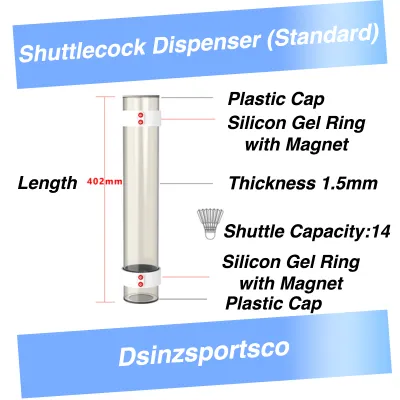
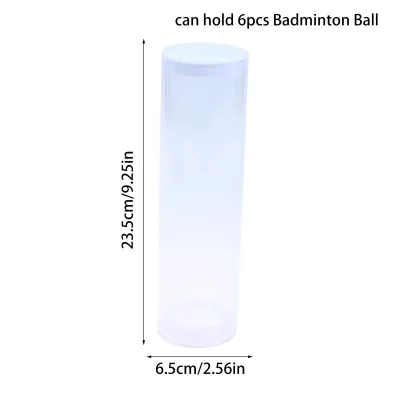
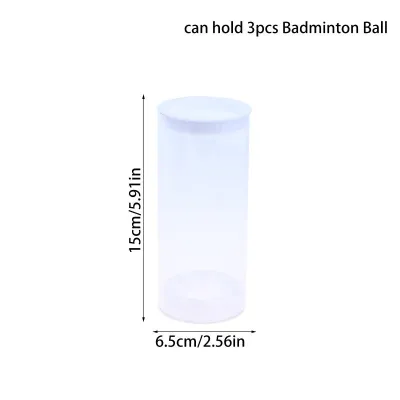
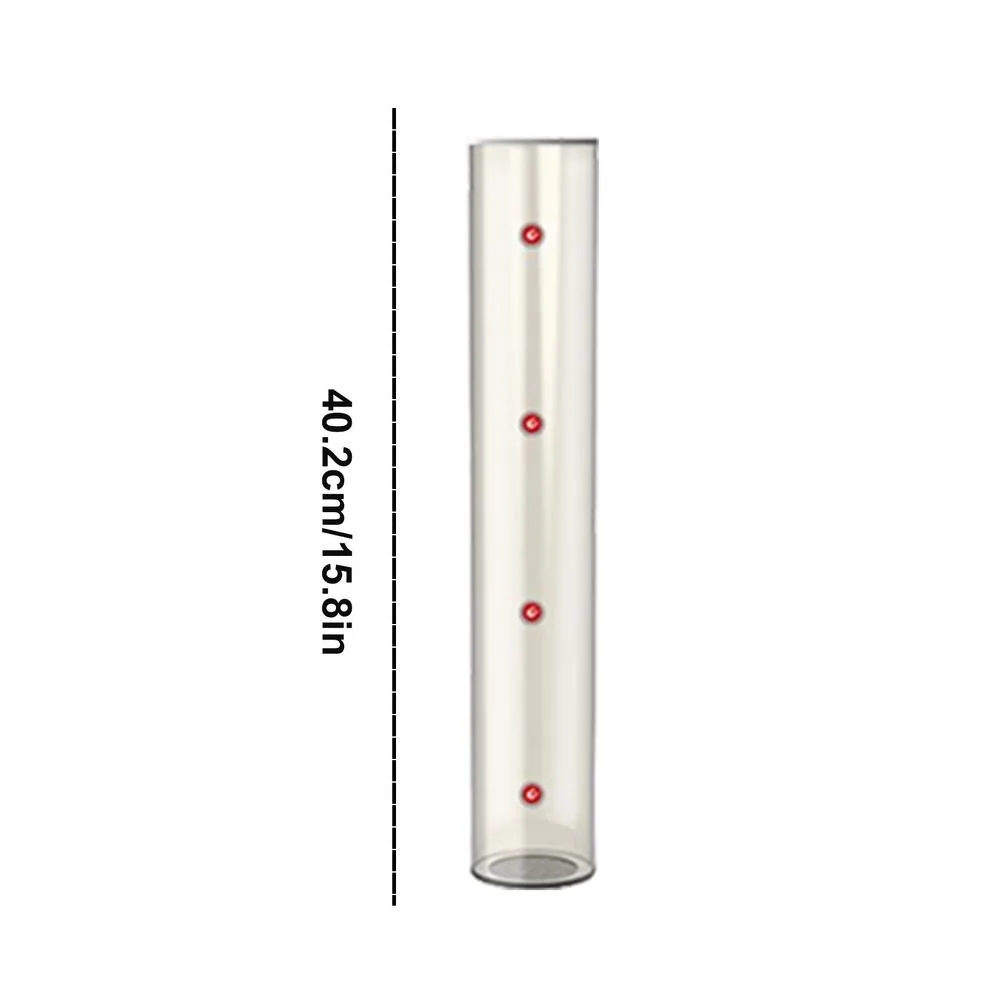
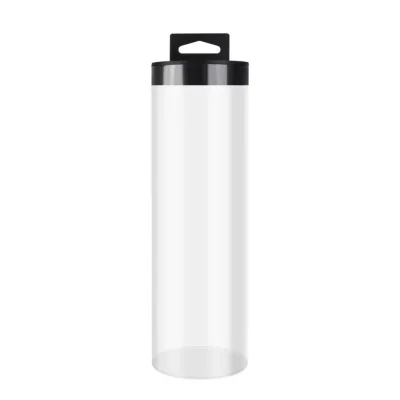
Prices are valid at publication and may change. Please refer to the product page for the latest price.
It is also wise to anticipate your future progression in the sport. If you plan to transition from casual backyard games to organized club play or tournament training, your consumption rate will inevitably rise. Investing in a holder with a slightly larger capacity than your current needs—such as a twelve-unit tube rather than a six-unit sleeve—prevents the need for a premature upgrade as your skills and playing frequency expand.
Evaluate Portability and Court-Side Convenience
Portability is directly tied to how you commute to your local badminton court, whether you travel by public transport, walk, or drive. A shuttlecock holder must integrate seamlessly with your existing gear, fitting comfortably inside your badminton bag or attaching securely to the exterior. Before purchasing, measure the dimensions of your racket bag’s accessory compartments to ensure a snug fit that does not crowd your rackets, shoes, or apparel.

For players who prefer compact bags or carry-alls, external attachment options are incredibly valuable. Look for holders equipped with heavy-duty carabiners, adjustable nylon straps, or integrated bag clips. These features allow you to suspend the holder from the outside of your backpack, saving precious internal space while keeping your shuttlecocks easily accessible during your commute.
Court-side convenience is another critical factor, especially during fast-paced sessions where every second counts. A well-designed holder should allow for effortless, one-handed retrieval of a shuttlecock during quick water breaks or court switches. Top-loading tubes with secure magnetic lids, quick-release caps, or elasticated openings offer the fastest access, ensuring you do not waste time struggling with stiff zippers or complex closures when you need a replacement mid-match.
Compare Shuttlecock Holder Types and Materials
Shuttlecock holders generally fall into two primary structural categories: tube-style holders and box-style or multi-compartment organizers. Tube-style holders are the industry standard, mimicking the cylindrical shape of original shuttlecock packaging to keep the birds stacked neatly in a column. This design minimizes the physical footprint of the holder and ensures that the feathers of one shuttlecock nest safely inside the skirt of the next. Box-style organizers, while less common, offer flat storage compartments that can be useful for coaches carrying multiple types of shuttlecocks, though they require careful internal padding to prevent the feathers from being crushed.
The choice of material directly impacts both the weight of the holder and the level of protection it offers. Hard plastic holders, typically constructed from durable PVC, polycarbonate, or lightweight aluminum, provide strong impact resistance. These rigid shells shield delicate feather shuttlecocks from being crushed under the weight of heavy rackets or shoes inside your bag. On the other hand, fabric, neoprene, or mesh sleeves are exceptionally lightweight and can be compressed when empty, but they offer minimal physical protection against external pressure.
In Singapore’s tropical climate, ventilation is a vital feature that should not be overlooked. High humidity can trap moisture inside airtight plastic tubes, leading to mold growth on natural feathers and weakening the glue that binds the shuttlecock together. Opt for holders that feature small ventilation eyelets, breathable mesh panels, or end caps with built-in air vents. These design elements promote air circulation, allowing damp shuttlecocks to dry out gradually and extending their overall lifespan.
Step-by-Step Selection Process
Choosing a suitable shuttlecock holder can be simplified into a logical, step-by-step decision-making process.
Step 1: Define your maximum shuttlecock count and primary storage location. Assess your weekly play frequency and determine whether you need a compact three-pack sleeve for casual singles play, a six-pack holder for doubles sessions, or a full twelve-pack tube for club matches and tournament training.
Step 2: Filter your options by bag compatibility and carrying mechanism. Evaluate your current badminton bag to see if it has dedicated space for a cylindrical tube. If space is limited, prioritize holders that feature external carabiners or shoulder straps so you can carry them hands-free or clip them to the outside of your gear bag.
Step 3: Verify material durability and ventilation against local climate conditions. If you play primarily with expensive natural feather shuttlecocks, prioritize rigid plastic or aluminum tubes with integrated ventilation holes to protect them from physical damage and humidity-induced mold. For nylon shuttlecocks, a lightweight fabric sleeve may suffice.
Step 4: Cross-check product specifications for real-world capacity claims. Before finalizing your purchase, review the manufacturer’s specified internal dimensions and user feedback to ensure the holder accommodates your preferred shuttlecock brand and type without compressing the feathers or bending the tips.
Maintenance and Care for Your Shuttlecock Holder
Proper maintenance of your shuttlecock holder is essential to prolong its lifespan and ensure it continues to protect your valuable equipment. For hard plastic or metal holders, wipe the interior and exterior regularly with a damp microfiber cloth to remove dust, sweat, and court debris. If you use a fabric or neoprene sleeve, hand wash it periodically with mild soap and cool water, avoiding harsh detergents that could degrade the material’s water-resistant coatings.
Given Singapore’s high humidity, drying your holder thoroughly is crucial to prevent mold and unpleasant odors. After a humid court session, avoid leaving damp shuttlecocks sealed inside the holder; instead, open the caps and allow both the holder and the shuttlecocks to air dry in a well-ventilated, shaded indoor area.
Finally, perform routine inspections of the holder’s structural components. Check the zippers, plastic clips, and carabiners for signs of wear, cracking, or fraying. Replacing a worn-out clip or zipper early prevents accidental drops during transit, saving your shuttlecocks from sudden impact damage.
Frequently Asked Questions (FAQ)
Can I use a regular water bottle holder for shuttlecocks?
While a standard water bottle holder might seem like a convenient, low-cost alternative, it is generally not recommended for storing shuttlecocks. Most water bottle sleeves lack the rigid structural integrity required to protect delicate feather skirts from being crushed or bent when packed inside a crowded sports bag. Additionally, water bottle holders typically do not feature the specialized ventilation systems or precise cylindrical dimensions needed to keep shuttlecocks stacked securely without shifting.
How do I prevent shuttlecock feathers from bending in a tube holder?
To prevent feather damage, always insert your shuttlecocks into the tube holder head-first, ensuring the cork nose points downward. This orientation allows the natural curve of the feathers to nest smoothly within the skirt of the shuttlecock below it. Furthermore, never exceed the manufacturer’s stated capacity; forcing an extra shuttlecock into a full tube compresses the stack, leading to bent tips and inconsistent flight paths during your next game.
Community discussion
Share your experience or ask a question. Comments are reviewed before publication.