
Selecting the right protective sports gloves requires a balance of precise hand measurements, an understanding of sport-specific fit profiles, and hands-on verification of mobility. A glove that fits correctly acts as a second skin, preserving your natural grip and dexterity while positioning protective elements exactly where they are needed. Conversely, an incorrect fit can compromise your safety, reduce your control, and lead to premature wear of the gear. While high-quality protective gloves are essential for minimizing injury risks, they cannot replace proper training, technique, and situational judgment. Because different athletic activities place unique physical demands on your hands, finding the perfect fit is a highly individualized process that depends heavily on your specific sport, environment, and hand anatomy.
Why Proper Fit is Critical for Sports Protection
When a glove is too loose, the material shifts during dynamic movements. This shifting reduces your grip strength because your hand must work harder to stabilize the sliding fabric. Loose material also creates a snagging hazard, especially in sports involving handlebars, bats, or ropes, where excess fabric can catch on equipment and cause sudden loss of control. Furthermore, when fabric bunches up in the palm, it creates friction points that can quickly lead to painful blisters, distracting you from your performance.
Overly tight gloves restrict blood circulation, which quickly leads to cold fingers, numbness, and rapid hand fatigue. Tightness also limits your range of motion, making it difficult to close your hand fully or react quickly. Furthermore, excessive tension strains the seams and materials, accelerating wear and tear at high-stress points like the finger crotches and wrist closures. If your hands cannot move naturally, your overall coordination and reaction times will suffer.
Products mentioned in this guide
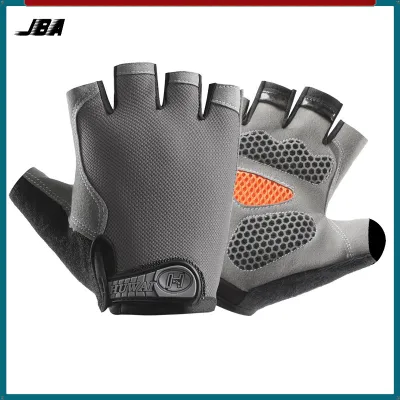
Prices are valid at publication and may change. Please refer to the product page for the latest price.
Protective gloves rely on precise placement of specialized components, such as molded knuckle guards, gel palm padding, and shock-absorbing inserts. If the glove is too large or too small, these protective zones shift away from your anatomical joints and impact areas. This misalignment leaves vulnerable bones and nerves exposed to direct impacts while placing hard guards over areas where they can cause painful pressure points during movement. Proper alignment ensures that the glove absorbs and distributes impact forces as intended by the design.
Step-by-Step Hand Measurement for Accurate Sizing
To find your baseline glove size, you need simple, non-stretch measuring tools. A flexible fabric measuring tape is ideal. If you do not have one, you can use a piece of non-stretch string or yarn paired with a standard flat ruler. Avoid using metal measuring tapes, as they cannot contour accurately around the curves of your hand, leading to inaccurate readings.

Hand circumference is the primary metric used by most manufacturers. To measure this, wrap the flexible tape or string around the widest part of your dominant hand, typically across the knuckles just below the fingers. Do not include your thumb in this measurement. Keep your hand flat and fingers relaxed; clenching your fist or spreading your fingers too wide can distort the reading. Always measure your dominant hand, as it is typically slightly larger than your non-dominant hand.
Hand length is equally important, particularly for sports that require precise fingertip control. Measure from the crease at the very base of your palm, where your hand meets your wrist, to the tip of your middle finger. Keep your hand completely flat and your fingers extended straight during this step to ensure accuracy. If you have relatively long fingers but narrow palms, or vice versa, having both length and circumference measurements is crucial for finding a balanced fit.
Write down both measurements in both inches and centimeters. Sizing standards vary significantly across global brands, with some using metric increments and others relying on imperial measurements. Having both numbers ready allows you to cross-reference manufacturer-specific sizing charts without needing to perform quick conversions while shopping. If your measurements differ significantly between your left and right hands, always use the larger set of measurements to guide your purchase.
Navigating Sizing Charts and Sport-Specific Fit Profiles
Never assume that your size in one brand translates directly to another. A medium glove from a cycling brand may fit like a small from a winter sports manufacturer. Sizing designations are not standardized across the industry, making it essential to consult the specific size chart provided by the manufacturer for the exact model you are considering. Relying on generic sizing labels often leads to poorly fitting gear and unnecessary returns.
Gloves are designed with different fit profiles to suit specific functional needs. A compression fit is designed to hug the hand tightly, minimizing bulk and maximizing tactile feedback, though it can increase hand fatigue over long periods. A standard fit offers a balanced, natural feel with slight room for movement, while a relaxed fit prioritizes comfort and airflow, making it easier to slip the gloves on and off. Understanding these profiles helps you choose a glove that aligns with your personal comfort preferences.
Your sport dictates how snug your gloves should be. For high-speed activities like cycling or motorsports, a snug, second-skin fit is preferred to prevent any slip between your hand and the controls. In contrast, winter sports like skiing or snowboarding require a slightly looser fit to trap a layer of warm air inside the glove, while goalkeeping gloves need extra surface area and a relaxed fit to maximize ball contact. Matching the fit profile to your activity ensures optimal performance and comfort.
Pay close attention to whether a glove is labeled as unisex, men’s, or women’s. Women’s gloves are typically patterned with narrower palms and longer, slimmer finger profiles relative to the palm width. Unisex gloves generally follow men’s sizing patterns, which feature wider palms and thicker finger portions, meaning athletes with narrower hands may need to size down or seek out gender-specific models for an optimal fit. Checking these design variations prevents buying gloves that feel too wide or bulky.
The Try-On Checklist: Verifying Mobility and Security
When trying on a new pair of gloves, pay close attention to the fingertips. There should be a small gap—roughly two to three millimeters—between the tips of your fingers and the end of the glove material when your hand is fully extended. If your fingers press hard against the ends, the gloves are too short and will cause discomfort during active use; if there is excess floppy material, your dexterity will be severely compromised. This small gap also prevents your fingernails from wearing through the fabric over time.
Secure the wrist closures, whether they use hook-and-loop straps, buckles, or elastic bands. The closure should hold the glove firmly in place without pinching your skin or restricting your wrist’s natural bending motion. A secure cuff prevents the glove from sliding off during a fall or high-velocity movement, keeping the protective elements properly positioned. If the wrist strap must be pulled to its absolute limit to feel secure, the glove is likely too large overall.
Do not just stand with your hands flat; simulate the actual movements of your sport. If you are a cyclist, wrap your hands around a handlebar or a similar cylindrical object. If you play a bat sport, grip a handle. Make a tight fist several times to check if the material bunches uncomfortably in the palm or pulls painfully tight across the back of your knuckles. Your hand should feel supported and free to move through its entire range of motion without resistance.
Pay attention to the internal seams and stitching. Run your fingers along the inside of the glove to check for rough spots, thick seams, or stiff materials that rub against your skin. During repetitive sports movements, even minor friction points can quickly develop into painful blisters or chafing, indicating that the glove shape may not align well with your hand structure. A high-quality glove will have flat or carefully covered seams to minimize internal irritation.
Adjusting Size for Weather, Layering, and Extra Gear
If you participate in cold-weather sports, you may need to wear thin thermal liner gloves underneath your primary protective gloves. If this is the case, you must account for the extra bulk during the sizing process. Trying on your primary gloves over your chosen liners is the best way to ensure you do not restrict blood flow, which would defeat the warming purpose of the layers. Sizing up by a half-size is often necessary when layering.
Physical exertion, heat, and humidity cause blood flow to increase, which naturally makes your hands swell during a workout or game. In warm, humid climates like Singapore, this swelling can be more pronounced, and sweat buildup inside the glove can make tight materials feel even more restrictive. If a glove feels extremely snug in a cool, air-conditioned room, it will likely feel uncomfortably tight and restrictive once you are active. Allow a small amount of breathing room to accommodate this natural physiological change.
Consider how your gloves interact with the rest of your gear. If you wear wrist guards, a sports watch, a fitness tracker, or heavy jacket sleeves, check how the glove cuffs fit over or under these items. A bulky glove cuff that clashes with your watch or jacket sleeve can create a gap that exposes your skin to the elements or prevents your wrist from moving freely. Choosing gloves with adjustable or low-profile cuffs can help resolve these compatibility issues.
Frequently Asked Questions (FAQ)
What should I do if my hand measurements fall between two sizes?
If your measurements place you directly between two sizes, the general rule of thumb is to size up. This extra space ensures comfort, prevents restricted circulation, and allows room for natural hand swelling or thin liners. However, if you are choosing gloves for a sport that demands maximum tactile feedback and grip precision, such as competitive cycling or batting, sizing down may be appropriate if the material is designed to stretch and conform to your hand. Always check the retailer’s return and exchange policy so you can try on both sizes at home before making a final decision.
Do protective gloves stretch out over time?
Yes, the material composition of your gloves determines how much they will stretch with use. Natural leather gloves possess a high degree of elasticity and will gradually break in, stretching and molding to the unique shape of your hand over several sessions. Synthetic fabrics, such as nylon, polyester, or polyurethane, resist stretching and tend to maintain their original shape throughout their lifespan. To prevent unintended shrinking or premature stretching, always follow the manufacturer’s specific care and washing instructions. If a glove stretches to the point where your hand slides around inside or the protective pads shift out of alignment, it has reached the end of its functional life and should be replaced.
Community discussion
Share your experience or ask a question. Comments are reviewed before publication.