
Choosing the right size cricket bat for adult players is essential for maintaining proper technique, maximizing control, and preventing long-term wrist or shoulder strain. While height is the primary indicator of whether you need a standard Short Handle (SH), Long Handle (LH), or Long Blade (LB) bat, your natural stance and arm reach are equally critical factors that determine the ideal fit.
How the Right Bat Size Protects Your Technique
An ill-fitting cricket bat can severely disrupt your batting mechanics. If a bat is too long or too heavy, it forces your hands higher up the handle, which alters your backlift and slows down your wrist release. This delay makes it incredibly difficult to middle the ball, especially when facing fast bowling where split-second timing is required. Additionally, an incorrect size can compromise your footwork, as you may find yourself reaching or lunging to make contact rather than moving your feet into the correct position.
This guide focuses specifically on adult players, which typically includes cricketers over the age of 15 or those taller than 5 feet 4 inches (approximately 163 cm). At this stage of physical development, players transition from junior sizes to full-size adult equipment. Choosing the correct adult bat size is not about chasing maximum power through a larger blade; rather, it is about optimizing control, balance, and timing. A bat that fits your body perfectly allows you to maneuver the ball into gaps with precision, swing with confidence, and maintain a stable, comfortable posture throughout your innings.
Products mentioned in this guide
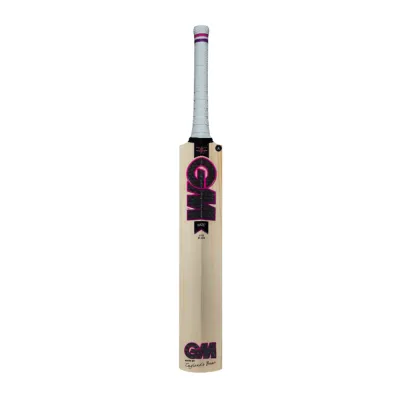
Prices are valid at publication and may change. Please refer to the product page for the latest price.
Standard Adult Cricket Bat Sizes Explained
Before taking measurements, it is essential to understand the standard sizing categories available for adult cricket bats. While junior bats are categorized by numbers (from Size 1 up to Harrow), adult bats are categorized by handle and blade configurations designed to accommodate different physical builds and height ranges.

The Short Handle (SH) cricket bat is the standard and most common choice for the vast majority of adult players. Despite the name “short,” this handle length is the baseline standard for adult equipment and is designed to suit players of average height. A standard Short Handle bat has an overall length of approximately 33.5 inches (85.1 cm), with the blade making up about 22 inches (55.9 cm) of that length. This configuration offers the optimal balance between reach and control, making it the default choice for most club and professional cricketers.
For taller players, manufacturers offer Long Handle (LH) and Long Blade (LB) variations. A Long Handle bat features a slightly longer handle (usually an extra inch) while retaining the standard blade length, which is beneficial for players with longer arms or those who prefer a wider grip stance. A Long Blade bat features a standard handle but a longer blade, providing extra reach and a slightly larger sweet spot, though at the expense of a heavier pick-up. Regardless of these variations, the maximum width of a cricket bat blade is strictly governed by the Laws of Cricket, which limit the blade width to 4.25 inches (10.8 cm) and the overall depth to 2.64 inches (6.7 cm). This ensures that sizing variations primarily affect length and balance rather than the hitting surface area.
How to Measure Your Body for a Cricket Bat
To find the perfect match, you must take accurate physical measurements of your body and assess how you stand at the crease. Cricket bat fitting is not a one-size-fits-all process; it requires aligning your physical dimensions with the physical geometry of the bat.
Measuring Height and Playing Stance
Your overall height is the primary starting point for determining the correct bat length. To get an accurate baseline measurement, stand flat against a wall barefoot or wearing the standard cricket shoes you plan to use on the pitch. Have someone measure from the floor to the top of your head. Measuring with your cricket shoes on is highly recommended, as the extra height from the spikes or rubber soles can slightly alter your ideal bat length, especially if you are on the boundary line between two sizes.
Beyond your absolute height, your natural batting stance plays a crucial role in how a bat feels in your hands. An upright batting stance, where you stand relatively tall at the crease, naturally requires a slightly longer bat to ensure the toe of the bat rests comfortably on the ground without forcing you to bend your knees excessively. Conversely, if you adopt a low, crouched stance with a wide base, your hands sit closer to the ground. In this scenario, a slightly shorter bat or a standard Short Handle bat may provide better control and prevent the handle from getting caught in your shirt or protective gear during your backlift.
Checking Arm Length and Reach
While height provides a general guideline, arm length and reach dictate how comfortably you can control the bat through the hitting zone. To measure your arm reach, stand with your arms hanging naturally at your sides and measure the distance from the top of your shoulder joint down to your wrist crease. Players with proportionally longer arms often find that a standard Short Handle bat provides plenty of reach, while those with shorter arms relative to their height may need to pay closer attention to handle length to avoid feeling overextended.
To verify how your arm length interacts with a physical bat, you can perform the classic “toe of the bat” physical test. Stand upright in your normal posture with your feet shoulder-width apart. Place the cricket bat vertically next to the outside of your lead leg, with the toe of the bat resting flat on the ground. In a correctly sized bat, the top of the handle should align comfortably with your hip bone, and the shoulder of the bat (where the blade meets the handle) should align with the top of your kneecap or sit just below it. If the shoulder of the bat sits high up on your thigh, the bat is likely too long for your physical proportions, which will hinder your ability to control the blade with your wrists.
Matching Your Height and Stance to the Right Bat
Once you have collected your physical measurements, you can translate them into specific bat size recommendations. The following sizing guidelines serve as an excellent starting point for adult players, though personal preference and playing style will always play a role in your final decision.
For players standing under 5 feet 7 inches (approximately 170 cm), a standard Short Handle (SH) bat is typically the most appropriate choice, though some players on the shorter end of this spectrum may also consider an “Academy” or “Harrow” size if they prefer a lighter, more maneuverable option. Players between 5 feet 7 inches and 6 feet 0 inches (170 cm to 183 cm) fall squarely into the Short Handle category, which offers the perfect balance of leverage and control for this height range. For taller players standing over 6 feet 0 inches (183 cm), a Long Handle (LH) or Long Blade (LB) bat is highly recommended to prevent excessive bending at the waist and to ensure a comfortable backlift.
Your specific playing style can also influence your preference within your recommended size category. If you are a front-foot dominant player who loves to drive the ball down the ground, you might prefer a standard Short Handle bat with a slightly lower sweet spot to maximize power in your drives. If you are a back-foot player who relies on cuts, pulls, and quick wrist work, a slightly shorter or lighter bat can provide the rapid hand speed needed to execute these horizontal-bat shots. Always remember to check the specific size charts provided by the manufacturer of the bat you are considering, as subtle variations in handle thickness, blade shape, and overall length can exist between different cricket brands.
Verifying the Fit: The Pick-Up and Balance Test
Determining the correct size on paper is only the first step; you must physically validate the fit of the bat before committing to it. The physical sensation of holding and swinging the bat—often referred to as the “pick-up”—is the ultimate test of whether a bat is right for you.
To perform the pick-up test, grip the bat with your normal batting grip and lift it off the ground as if preparing to face a delivery. A correctly sized and balanced bat should feel incredibly light and natural in your hands, with the weight evenly distributed rather than concentrated entirely in the toe. If the bat feels heavy or drags your wrists downward when you lift it, the bat may be too long, or the dead weight may be too high for your current strength level. The pick-up weight is often much more important than the actual scale weight of the bat, as a well-balanced bat can feel ounces lighter than it actually is.
Next, check your grip position on the handle. When holding the bat, your top hand should sit comfortably near the top or middle of the handle, with a small gap of about one to two inches remaining at the very top. Your hand should not feel cramped against the shoulder of the blade, nor should you feel like you are reaching to maintain a secure grip. Finally, execute a few slow shadow swings in a safe space. Focus on your backlift and follow-through; the bat should move smoothly along your intended swing plane without clipping your pads, hips, or clothing. If the swing feels awkward or restricted, it is a clear sign that the bat’s dimensions are not aligned with your body.
Common Sizing Mistakes and When to Reassess
Many adult cricketers fall into common traps when choosing a new bat, often prioritizing perceived power over technical execution. Recognizing these mistakes early can save you from poor performance and potential injury on the field.
The most frequent error is choosing a bat that is too long or too heavy under the mistaken belief that a larger piece of wood will automatically translate to more hitting power and longer boundaries. In reality, an oversized bat slows down your swing speed, ruins your timing, and makes you highly vulnerable to fast, straight deliveries. In cricket, power is a product of bat speed and precise timing; a lighter, correctly sized bat that you can swing rapidly will almost always generate more power than a heavy, oversized bat that drags your hands down.
You must establish clear stop conditions when testing a bat. If a bat causes immediate wrist strain, forces you to alter your natural backlift, or feels highly unbalanced during your shadow swings, stop using it immediately. Continuing to play with an ill-fitting bat can lead to repetitive strain injuries in your wrists and elbows, such as tennis elbow. If you find yourself caught between two sizes or are experiencing persistent physical discomfort while batting, it is highly recommended to consult a qualified cricket coach or visit a specialist sports retailer. A professional fitting session can help you identify subtle adjustments in handle shape, grip thickness, or bat weight that can resolve your sizing dilemmas.
Frequently Asked Questions (FAQ)
Can a shorter adult use a large junior cricket bat?
While a Size 6 or Harrow junior bat may physically match the height of a shorter adult player, it is generally not recommended for adult match play. Junior cricket bats are specifically constructed with thinner edges, lighter profiles, and softer willow grades designed to withstand the impact of lighter junior cricket balls. Adult cricket matches use standard, hard leather balls that exert immense force upon impact. Using a junior bat against adult bowling significantly increases the risk of the blade cracking, the handle snapping, or the wood denting, which can ruin your equipment and pose a safety risk. Adult players should stick to adult-grade bats, choosing a lighter Short Handle or a specialized light-weight adult bat instead.
Does a longer bat give me more reach and power?
It is a common myth that a longer bat automatically provides greater reach and superior hitting power. In practice, a bat that is too long for your physical proportions disrupts your center of gravity, slows down your hands, and ruins your timing, which actually reduces your effective power. True reach and power in cricket do not come from the length of your equipment; they are generated through proper footwork, body alignment, and moving your feet toward the pitch of the ball. Using a correctly sized bat ensures you can move your hands quickly and freely, allowing you to middle the ball consistently and maximize your shot power.
Community discussion
Share your experience or ask a question. Comments are reviewed before publication.