
Selecting the right exercise step platform for a Singapore HDB flat requires balancing your fitness goals with the realities of compact urban living. For most typical flat layouts, a compact aerobic step platform measuring approximately 68 cm to 80 cm in length offers the ideal balance between workout usability and space efficiency. While larger commercial-grade platforms provide a wider landing area, they can easily overwhelm a standard living room or bedroom floor plan.
To make an informed decision, you must evaluate both the static footprint of the equipment and the active clearance zone required for safe movement. Choosing a model with stackable, integrated risers allows you to adjust the height for different exercise intensities while keeping the storage footprint to a minimum. By measuring your space accurately and selecting a platform with smart storage features, you can maintain an effective home cardio routine without cluttering your living space.
Measuring Your Available Space in an HDB Flat
Before purchasing any fitness equipment, it is essential to differentiate between the physical footprint of the exercise step platform and the active workout zone required during use. The physical footprint is simply the floor space the platform occupies when resting flat. In contrast, the active workout zone includes the space your body needs to step on, off, and around the platform in all directions without restriction.
Products mentioned in this guide
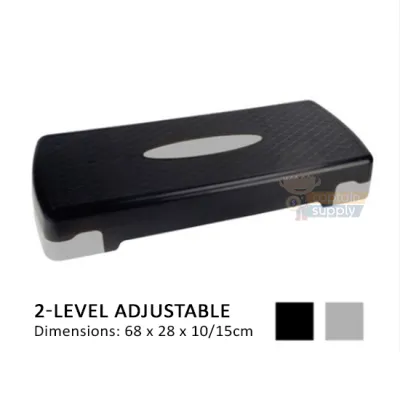
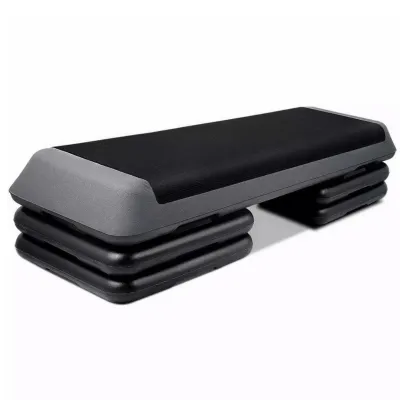
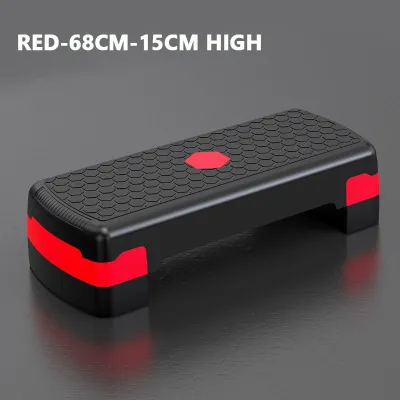
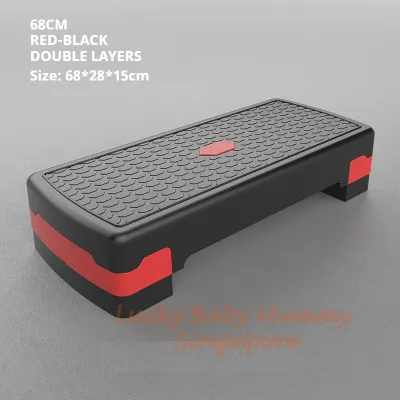
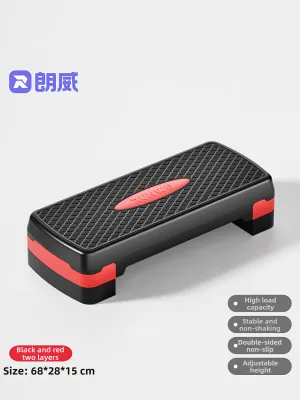
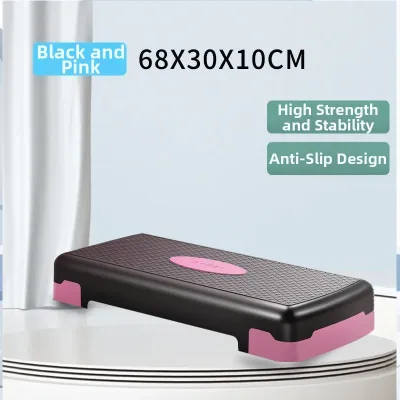
Prices are valid at publication and may change. Please refer to the product page for the latest price.
To determine your active workout zone, clear your intended exercise area and mark out a perimeter. As a general safety guideline, you should allow for at least 50 cm to 1 meter of clear, unobstructed space on all sides of the platform. This buffer zone prevents your feet from catching on nearby objects and ensures you have enough room to recover your balance if you misstep during high-energy routines.
Ceiling height is another critical factor that is often overlooked in apartment planning. Standard HDB flats typically have a ceiling height of approximately 2.6 meters. If your workout routine includes high-impact jumps, hops, or overhead movements with dumbbells while standing on the platform, you must calculate your total extended height. Add the maximum height of the step platform, your own height, and the length of your reach or jump to ensure you will not collide with ceiling fans, light fixtures, or concrete beams.
Finally, consider the daily flow of your household when choosing a workout spot. Ensure the active zone does not block main walkways, bedroom doors, or wardrobe openings. A platform placed in a high-traffic area can become a constant tripping hazard, forcing you to interrupt your workout or repeatedly relocate the equipment, which can discourage regular use.
Evaluating Platform Dimensions and Specifications
Exercise step platforms generally fall into three size categories: compact, standard, and wide. Compact platforms, usually measuring around 68 cm to 80 cm in length, are highly suited for straight stepping, basic cardio, and tight spaces. Standard platforms, ranging from 90 cm to 100 cm, offer a larger landing target for lateral movements but require a more generous floor area. Wide or club-sized platforms, exceeding 110 cm, are designed for professional gym settings and are rarely practical for multi-purpose residential rooms.

When browsing options, always check the manufacturer’s exact product specifications rather than relying on generic size labels. Compare the platform’s length and width to your own physical build and stride length. If the platform is too short or narrow for your natural stride, you may find yourself constantly looking down to check your foot placement, which compromises your posture and increases the risk of stepping off the edge.
Additionally, verify the manufacturer’s stated weight capacity and structural limits. The platform must be robust enough to support your body weight plus any extra resistance, such as dumbbells, kettlebells, or weighted vests, that you plan to use. High-impact exercises exert dynamic forces that exceed your static body weight, so choosing a platform with a verified, high-quality structural rating is essential for long-term durability and safety.
Storage and Space-Saving Features
In a compact HDB flat, how you store your fitness equipment when it is not in use is just as important as how it performs during a workout. Look for exercise step platforms that feature stackable risers or adjustable height mechanisms designed for easy disassembly. Many modern platforms allow the risers to be stored directly underneath the main deck, keeping all components organized in a single, self-contained unit.
Before buying, measure the height of the clearance spaces under your bed, sofa, or inside your utility closet. Compare these measurements with the collapsed or disassembled height of the step platform. A platform that can slide easily under a low bed frame or stand upright in a narrow wardrobe corner will keep your living areas tidy and free of visual clutter.
Some homeowners also look for multi-use potential in their fitness gear to maximize utility. A sturdy, flat-topped step platform can occasionally serve as a low utility bench, a temporary step stool for reaching high shelves, or extra low seating during casual gatherings. However, if you plan to repurpose the platform in this manner, always consult the manufacturer’s guidelines to ensure the surface is rated for static weight distribution and will not tip or slide on your flooring.
Safety Clearances and Floor Protection
Creating a safe workout environment involves protecting both yourself and your home’s interior surfaces. High-impact stepping routines generate significant downward force and lateral friction, which can cause the platform to slide on smooth floors. This sliding action not only increases the risk of falls but can also cause permanent damage to your flooring.
Most HDB flats feature vinyl, laminate, or ceramic tile flooring, all of which are susceptible to scratches and scuffs from hard plastic equipment bases. To prevent this, always place a high-density, non-slip exercise mat underneath your step platform. The mat acts as a protective barrier, absorbing impact forces, preventing the platform from shifting, and dampening the noise and vibrations transmitted through the concrete floor to the neighbors living below.
Before starting any exercise session, inspect the base of your platform and risers. Ensure that the rubber feet or non-slip grips provided by the manufacturer are clean, intact, and securely attached. If the rubber pads have worn down or fallen off, replace them immediately according to the manufacturer’s instructions to maintain optimal stability during use.
Your Pre-Purchase Space Planning Checklist
To ensure your chosen exercise step platform fits seamlessly into your home, use this practical checklist before finalizing your purchase:
- Floor Space Check: Measure your designated workout area to confirm it accommodates the platform's physical footprint plus a 50 cm to 1-meter safety clearance zone on all sides.
- Ceiling Clearance Check: Calculate your total height when standing on the fully elevated platform to ensure safe clearance from ceiling fans and light fixtures.
- Storage Fit Check: Measure the height and depth of your intended storage location (such as under the bed or inside a closet) and compare it to the platform's collapsed dimensions.
- Floor Protection: Confirm you have a high-density, non-slip exercise mat ready to place under the platform to protect your vinyl, laminate, or tile floors.
- Manual and Spec Review: Read the manufacturer's product manual online to verify the weight capacity, assembly steps, and floor compatibility guidelines.
Frequently Asked Questions (FAQ)
Can I use an exercise step platform on HDB vinyl or laminate flooring?
Yes, you can use an exercise step platform on vinyl or laminate flooring, but you must take steps to protect the surface. Always check the manufacturer’s guidelines for specific floor compatibility and warranty conditions. To prevent scratches, scuffs, and sliding, place a high-density, non-slip exercise mat under the platform. This mat will absorb the impact of your workout, keep the platform stable, and help reduce noise transmission to the flat below.
Are adjustable step platforms stable enough for small spaces?
Adjustable step platforms are highly stable and safe for small spaces, provided they are used in accordance with the manufacturer’s instructions. Before purchasing, review the locking mechanisms and base footprint design detailed in the product specifications. Always consult the product manual for the maximum safe height adjustments, ensure all risers are locked securely into place before stepping on the platform, and use the equipment on a flat, level surface.
Community discussion
Share your experience or ask a question. Comments are reviewed before publication.