
Fitting a gym bench chair into a Singapore HDB bedroom or study room requires balancing your fitness goals with the realities of limited floor space. Because typical HDB rooms must accommodate multiple functions—such as sleeping, working, and storage—introducing a piece of strength training equipment demands precise spatial planning. The ideal bench size is not just about whether the steel frame fits on your floor; it is about ensuring you have enough dynamic clearance to perform exercises safely without colliding with walls, wardrobes, or study desks. By measuring your room systematically and understanding equipment dimensions, you can create a highly functional home workout setup that coexists comfortably with your daily living space.
Measure Your Space and Calculate Required Clearances
Before browsing online marketplaces or local fitness showrooms, you must establish the exact boundaries of your available workout area. Begin by clearing the floor and using a physical measuring tape to map out the open space in your bedroom or study. Do not rely on the general floor plan dimensions of your HDB flat, as built-in wardrobes, bed frames, study tables, and door swing paths significantly reduce the actual usable square footage. Mark the potential footprint of the bench on the floor using low-tack masking tape to help visualize how much physical space the equipment will occupy during your daily routine.
Calculating dynamic clearance is the next critical step, as your body and weights require much more room than the static bench itself. For safety, you should allow at least 50 to 60 centimeters of open space on all sides of the bench to facilitate easy mounting, dismounting, and spotter access if needed. Furthermore, consider the specific exercises you plan to perform; movements like dumbbell flyes or lateral raises extend your reach far beyond the width of the bench cushion. If you plan to use additional accessories, such as a dumbbell rack, weight plates, or a protective floor mat, ensure their footprints are factored into your overall spatial calculations.
Products mentioned in this guide
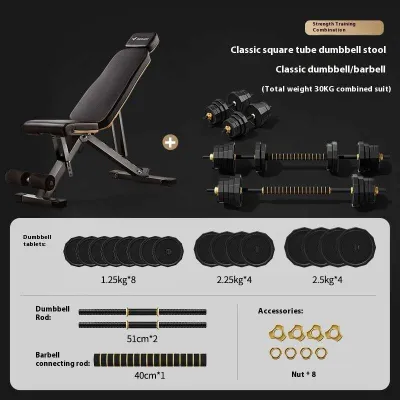
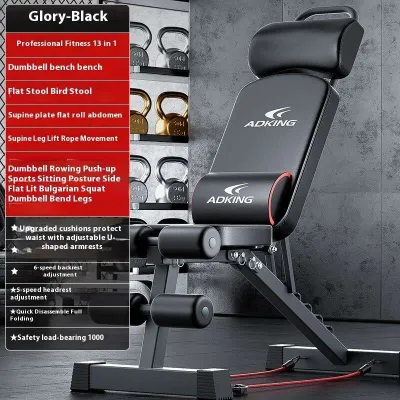
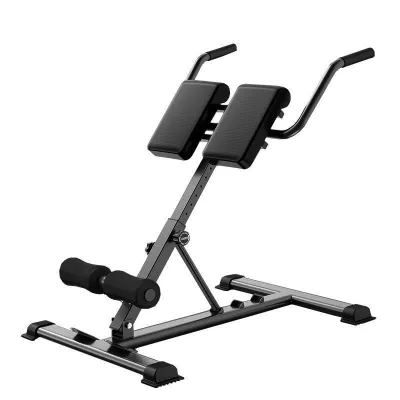
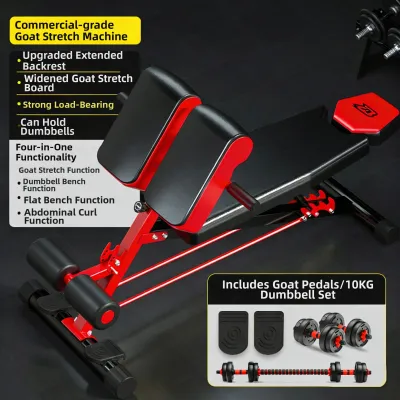
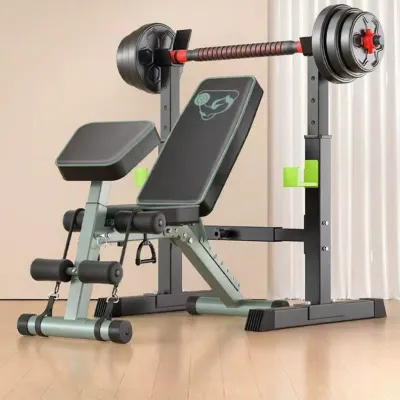
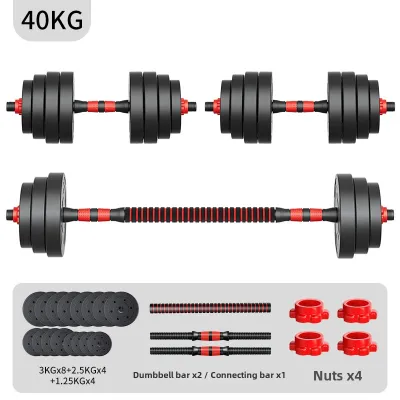
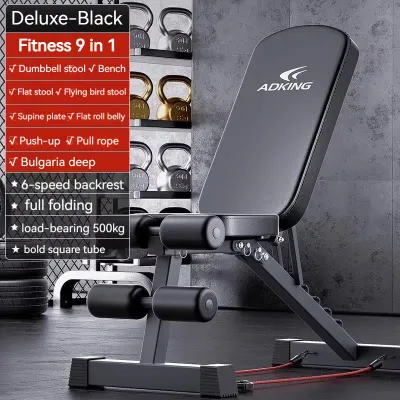
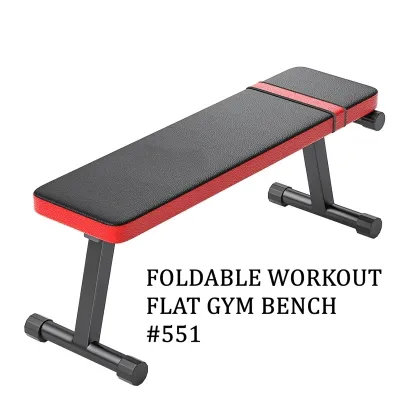
Prices are valid at publication and may change. Please refer to the product page for the latest price.
Finally, do not overlook the logistics of getting the equipment into your designated room. Measure the width of your HDB main door, hallway turns, and the bedroom doorway to confirm that the packaged box or fully assembled frame can pass through without scraping the walls. If your block requires navigating tight lift lobbies or staircases, verify these clearances beforehand to prevent delivery complications. Taking these precise measurements early saves you from the frustration of purchasing a high-quality bench only to find it blocked by a wardrobe door or impossible to maneuver into your study.
Evaluate Standard Gym Bench Chair Dimensions
To select a bench that fits your room, you must carefully evaluate the manufacturer’s specification sheets, focusing on the maximum length, width, and height. A standard flat gym bench typically features a streamlined profile, making it easier to integrate into tight corners or position alongside a bed. However, if you opt for an adjustable incline-decline model, the overall footprint often expands. When an adjustable bench is fully reclined into a flat or decline position, its structural length increases, requiring you to verify that the extended frame does not obstruct walkways or press against delicate furniture.

It is also essential to distinguish between the dimensions of the padded seat and the actual base frame of the equipment. The steel stabilizer legs and base feet of a gym bench chair often extend wider and longer than the cushions to prevent tipping and ensure user safety during heavy lifts. Always use the maximum base dimensions, rather than the cushion dimensions, when mapping out your floor layout. Additionally, check the height of the bench from the floor to the top of the pad; a standard height of 43 to 45 centimeters is ideal for maintaining proper foot drive during presses, but you must ensure this height allows you to sit comfortably without your head clearing low-hanging ceiling fans or light fixtures.
If you are considering a multi-functional bench that includes integrated racks, pull-up bars, or overhead pulley attachments, vertical clearance becomes a primary concern. Standard HDB ceiling heights typically hover around 2.6 meters, which can feel surprisingly restrictive when performing overhead exercises or using tall attachments. Measure the maximum height of the equipment when fully extended to ensure you have ample clearance for your hands and weights at the top of your range of motion. Verifying these vertical and horizontal specifications prevents structural interference and ensures a safer, more comfortable workout environment.
Consider Space-Saving and Foldable Alternatives
For HDB bedrooms or study rooms where space is at a premium, a permanent gym bench footprint may not be practical for daily living. In these scenarios, foldable or collapsible gym benches offer an excellent alternative, allowing you to reclaim your floor space once your workout session is complete. These models are engineered with folding joints and quick-release pins, enabling them to collapse down to a fraction of their operational height. Once folded, they can be easily slid under a standard bed frame, stood upright behind a door, or tucked away inside a household shelter or wardrobe.
While convenience is a major benefit of foldable designs, you must carefully verify their structural integrity and stability before purchasing. Inspect the manufacturer’s specifications for the maximum weight capacity, which must safely support your body weight plus the heaviest dumbbells or barbells you intend to lift. Look for models constructed from heavy-duty alloy steel with robust locking mechanisms, such as solid steel pins or secure screw knobs, that prevent the frame from wobbling during dynamic movements. A high-quality folding bench should feel rigid and secure when locked into its active training position.
If your workout routine consists primarily of seated exercises and does not require full back support, compact utility stools or backless benches are another space-saving option to consider. These minimalist designs have a significantly smaller footprint and are exceptionally easy to move around the room. Regardless of the style you choose, always read and follow the manufacturer’s instructions for safe setup and storage. Developing a habit of checking that all locking pins, hinges, and safety bolts are fully engaged before every single workout session is vital to preventing accidental collapses and ensuring long-term safety.
Avoid Common Sizing and Placement Mistakes
One of the most frequent mistakes home fitness enthusiasts make is ignoring the dynamic swing radius of their limbs and equipment during active exercise. A gym bench might fit perfectly against a wall when static, but once you lie down to perform a dumbbell press, your elbows and the weights themselves require substantial lateral clearance. Failing to account for this movement can lead to bruised knuckles, damaged walls, or restricted ranges of motion that compromise your exercise form. Always simulate your workout movements in the designated space before finalizing the placement of your bench.
Another common error is positioning the bench too close to walls, windows, or glass sliding doors. Working out in tight proximity to glass poses a significant safety hazard, as a slipped grip or dropped weight could result in shattered glass and serious injury. Furthermore, placing the bench directly against a wall restricts airflow, making your workout environment feel stuffy and uncomfortable in Singapore’s warm climate. To maintain a safe and pleasant training space, position your bench away from fragile surfaces and ensure there is adequate ventilation from windows or fans.
Additionally, avoid relying solely on generic marketing labels like “compact,” “space-saving,” or “apartment-friendly” when shopping for equipment. These terms are subjective and do not guarantee a proper fit for your specific HDB room layout. Always cross-reference these claims with the exact numerical dimensions provided in the product specifications. Finally, remember to plan for the storage of your loose weights, resistance bands, and other accessories; leaving dumbbells scattered around the base of your bench creates a tripping hazard and further congests your limited floor space.
Frequently Asked Questions (FAQ)
Can I use a standard gym bench chair in a small study room?
Yes, you can use a standard gym bench chair in a small study room, provided you measure the specific room’s clear floor space rather than relying on generic room dimensions. You must account for existing furniture like desks, chairs, and bookshelves, ensuring that the bench does not block walkways or daily work activities. Prioritize leaving at least 50 centimeters of clearance around the bench to guarantee safe mounting, dismounting, and proper exercise execution.
Do foldable gym benches compromise on stability?
Foldable gym benches do not inherently compromise on stability, but their performance depends heavily on build quality and proper usage. To ensure safety, you must strictly check the manufacturer’s stated weight capacity and structural limits to confirm they match your workout intensity. Always perform a thorough visual and physical inspection of all hinges, joints, and locking pins to ensure they are fully engaged and secure before beginning every workout session.
Community discussion
Share your experience or ask a question. Comments are reviewed before publication.