
Selecting the right kids tennis bag is a balance between physical comfort and practical storage. A bag that is too large can strain a young player’s developing shoulders and back, while one that is too small will force them to leave essential gear behind. To find the perfect fit, parents must evaluate both the child’s physical proportions and the specific equipment they need to carry to the court.
For young beginners just starting their tennis journey, a simple, lightweight bag designed for a single racket is usually the most practical choice. As children progress to competitive play, they often need to carry multiple rackets, spare clothing, and specialized footwear, requiring a transition to larger, multi-compartment bags. By matching the bag’s capacity and external dimensions to your child’s age and racket size, you can ensure they stay comfortable and organized.
How to Match Bag Capacity to Racket Count and Gear
The primary function of any tennis bag is to transport rackets safely, but the ideal capacity changes as a child’s commitment to the sport grows. For beginners and recreational players who only own one or two rackets, a compact backpack or a single-racket sling bag is highly efficient. These designs keep the overall weight low and prevent the racket from shifting excessively inside the compartment during transit.
Products mentioned in this guide
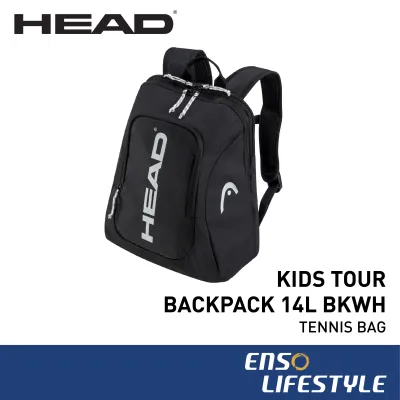
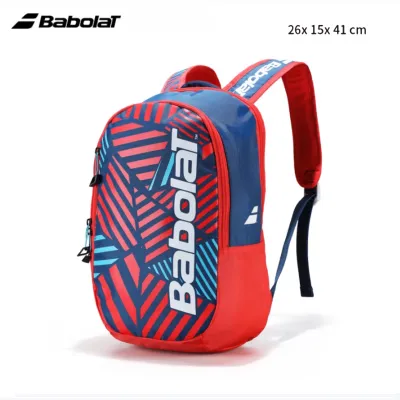
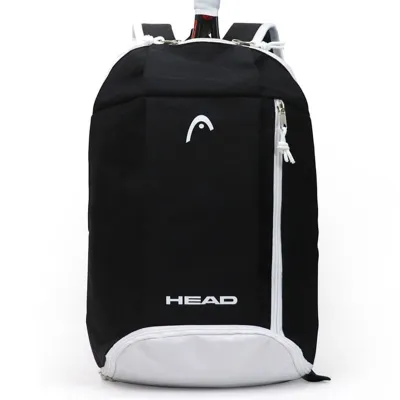
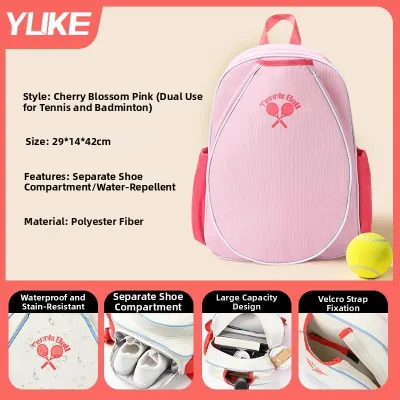
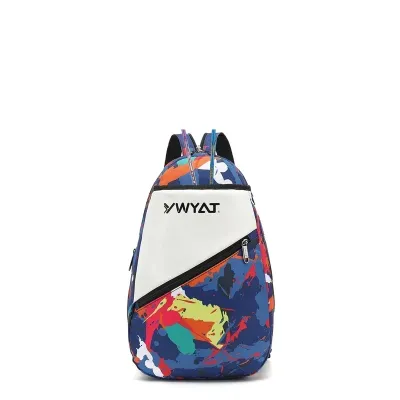
Prices are valid at publication and may change. Please refer to the product page for the latest price.
As players transition into junior tournaments or intensive training programs, their gear requirements expand. Developing players often carry three to six rackets to ensure they have backups in case of string breakage or changes in court conditions. A larger multi-racket bag, such as a 3-pack or 6-pack model, provides the structured space needed to protect these frames from rubbing against each other.
Beyond rackets, a tennis bag must accommodate a variety of non-racket essentials. Daily practice sessions require space for a large water bottle, a change of clothes, towel, and personal items like sunscreen and snacks. If your child changes into tennis shoes at the court, the bag must have enough volume to hold their court shoes without crushing other items or compressing the racket frames.
Before purchasing, always verify that the racket compartment’s physical length matches your child’s specific racket size. Junior rackets range from 19 inches to 26 inches in length, while standard adult rackets measure 27 inches. A bag designed strictly for mini-junior rackets will not fit a longer transitional or adult-sized frame, meaning you must check the internal compartment measurements rather than relying solely on age recommendations.
Choosing External Dimensions Based on Age and Body Frame
The physical size of the tennis bag must align with your child’s height and torso length to prevent physical strain and fatigue. For young beginners between the ages of 4 and 7, mini or junior-specific bag profiles are essential. These bags feature shorter overall lengths and narrower profiles, ensuring the bottom of the bag does not drag on the ground or strike the back of the child’s legs while they walk.

For older children aged 8 to 12, standard junior backpacks or compact duffel bags offer a better fit. These models are scaled to match the average torso length of growing pre-teens, distributing the weight of the gear across the strongest parts of the back. When adjusting the bag, ensure the main body of the backpack sits snugly against the upper back rather than sagging down toward the lower back or hips.
To verify a proper fit, check the strap drop length and the overall height of the bag against your child’s frame. The shoulder straps should adjust easily to create a secure fit that prevents the bag from swaying or pulling the child backward. If the straps are too long or the shoulder spacing is too wide, the bag will slip off the shoulders, forcing the child to hunch forward to keep it in place.
Your child’s daily transport method should also influence the bag’s external profile. If they walk to the local courts, ride a bicycle, or take public transit, a streamlined backpack style is highly recommended. Backpacks keep the child’s hands free and maintain a centered center of gravity, making it much safer to navigate busy streets or balance on a bicycle compared to carrying a bulky, single-strap duffel bag.
Essential Comfort and Organization Features to Check
A well-designed kids tennis bag should prioritize ergonomic comfort and smart organization to make managing gear on the court effortless. Padded, adjustable backpack straps are a critical feature to look for, as they distribute the load evenly across both shoulders. This dual-strap configuration is far superior to single shoulder straps, which place uneven pressure on a developing spine and can lead to poor posture over time.
In warm, humid climates, protecting equipment from environmental factors is a key consideration. Look for bags that feature thermal or insulated compartments, which help shield racket strings from extreme temperature fluctuations that can cause tension loss. These insulated pockets are also excellent for keeping hydration bottles cool during long training sessions under the sun.
Hygiene is another important factor when selecting a bag for active children. Separate, ventilated compartments for court shoes or damp clothing are highly beneficial, as they allow air to circulate and prevent moisture and odors from transferring to clean gear. This feature is especially useful for keeping clay-court shoes or sweaty shirts isolated from rackets and clean towels.
Finally, check for easy-access exterior pockets designed for small, frequently used items. Having dedicated pockets for overgrips, vibration dampeners, sunscreen, and quick snacks prevents children from having to empty the entire main compartment to find a small accessory. Clear, simple pocket layouts help young players develop good organizational habits and keep their gear secure.
Common Sizing Mistakes to Avoid When Buying for Kids
One of the most frequent mistakes parents make is purchasing an oversized adult tennis bag with the expectation that the child will “grow into” it. While this might seem economical, an oversized bag is physically awkward for a child to carry and often leads to poor carrying habits, muscle strain, and balance issues. A bag should always fit the child’s current physical frame to ensure safety and comfort.
Another common oversight is ignoring the total weight of the bag once it is fully loaded. A bag that feels lightweight when empty can quickly become excessively heavy when packed with multiple rackets, a full water bottle, court shoes, and extra clothing. Parents should regularly check the loaded weight of their child’s bag to ensure it does not exceed a comfortable carrying limit for their age and build.
It is also easy to fall into the trap of choosing a bag with too many complex compartments and specialized pockets. While advanced organization appeals to adults, young children often find highly complex layouts frustrating to navigate, leading them to stuff all their gear into a single pocket anyway. Opt for simple, intuitive designs with a few clearly defined compartments that are easy for small hands to open and close.
Lastly, avoid selecting a bag based solely on its external dimensions or aesthetic appeal without verifying the internal usable space. Some bags feature thick, rigid padding or external design elements that make the bag look large on the outside while offering very limited space on the inside. Always check the manufacturer’s specifications for internal compartment length to ensure it can comfortably accommodate your child’s specific racket size.
Frequently Asked Questions (FAQ)
Can my child use a regular adult tennis bag if they are tall for their age?
Even if a child is tall for their age, adult tennis bags are typically designed with wider shoulder strap spacing and longer strap drops that do not align properly with a child’s narrower shoulders. This mismatch can cause the straps to slip constantly or distribute weight unevenly across the back. Instead of relying solely on the child’s height, check the specific torso length specifications of the bag. It is highly recommended to have your child try the bag on with a typical load of rackets and gear to observe if it pulls them backward or restricts their natural arm movement.
How do I clean and maintain a kids tennis bag?
To keep a kids tennis bag in good condition and prevent unpleasant odors, always start by checking the manufacturer’s care label for specific washing or wiping instructions. After every practice or match, make it a habit to empty all compartments completely and air out the bag in a shaded, well-ventilated area to release trapped moisture. For general cleaning, use a damp cloth with mild soap to spot-clean exterior stains and dirt, avoiding harsh chemical cleaners that could degrade the bag’s water-resistant coatings or fabrics.
Community discussion
Share your experience or ask a question. Comments are reviewed before publication.