
Fitting a stair climber machine into a Singapore Housing & Development Board (HDB) flat requires careful spatial planning to ensure the equipment is both functional and safe. A typical HDB flat can comfortably accommodate a compact stair climber machine with a footprint of approximately 110 cm to 130 cm in length and 70 cm to 85 cm in width, provided there is sufficient vertical clearance. Because HDB ceiling heights generally range from 2.6 to 2.8 metres, the critical limiting factor is often the combined height of the machine’s step-up, the user’s height, and the necessary safety clearance. Choosing the right size requires balancing this vertical limit with a clear floor footprint that preserves walkways and complies with safety margins. By understanding how to measure your space and evaluate machine specifications, you can integrate this cardio tool into your home workout routine without overcrowding your living environment.
Assessing Your Available Space
Before browsing online marketplaces, establish the physical limits of your workout area. Measure the floor footprint of the designated room or corner using a measuring tape. Outlining these dimensions on the floor with masking tape helps you visualize how much room remains for walking, opening wardrobe doors, or moving other furniture.
Next, measure the ceiling height from the exact spot where the machine will sit. This step is critical for stair climber machines, which elevate your body significantly higher than treadmills. Note any overhead obstructions, such as low-hanging light fixtures, ceiling fans, or structural beams. A ceiling fan poses a severe safety hazard if it operates near your head while you are exercising at peak height.
Products mentioned in this guide
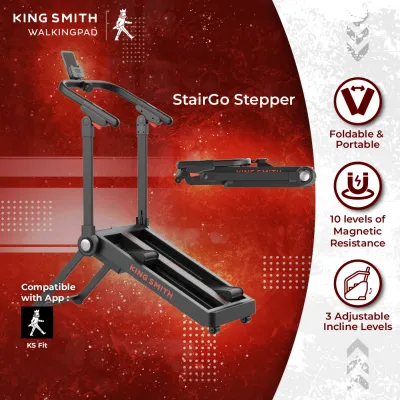
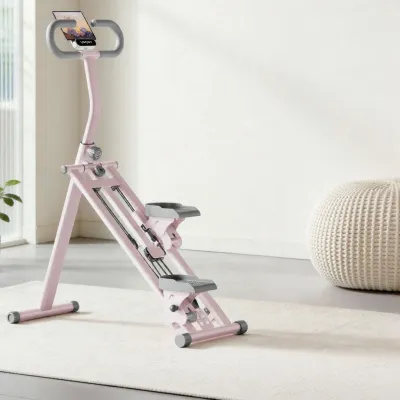
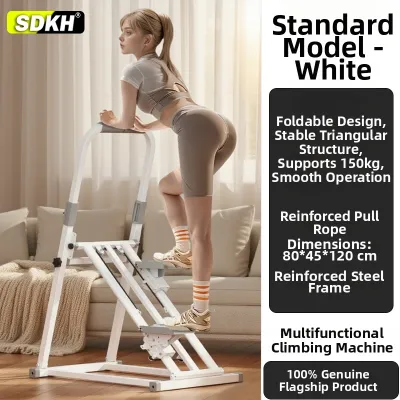
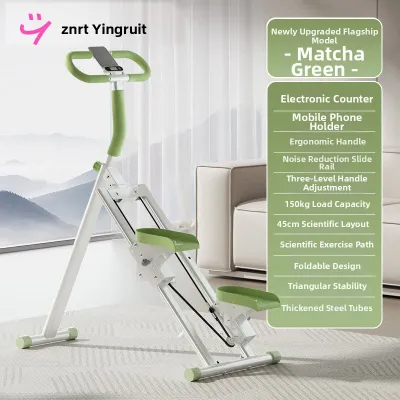
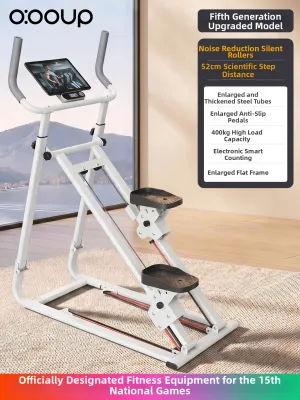
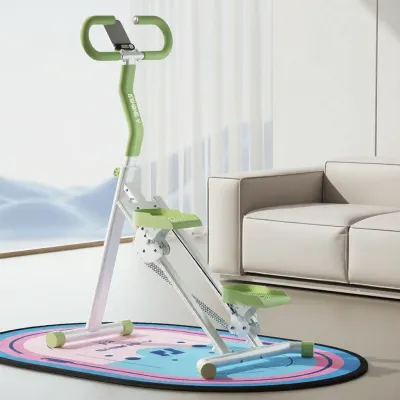
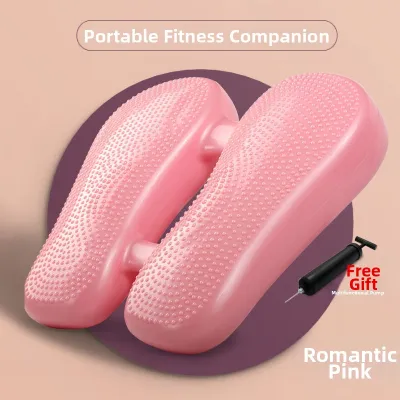
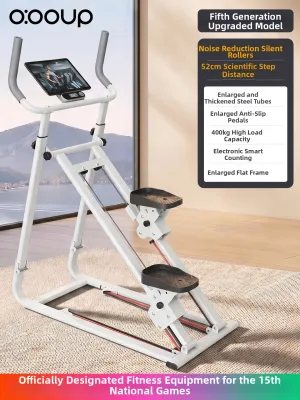
Prices are valid at publication and may change. Please refer to the product page for the latest price.
Finally, map out the delivery route from the building’s drop-off point to your flat. Measure the width and height of your main entrance door, bedroom doors, and narrow hallways. Check the dimensions of the HDB passenger lift doors and internal cabin space. If your unit has tight corridor turns, ensure the packaged box can be safely maneuvered by delivery personnel without damaging your walls or the equipment.
Understanding Stair Climber Dimensions
Interpreting manufacturer specifications requires looking beyond the basic numbers listed on a product page. You must differentiate between the machine’s static footprint and its dynamic space requirements. The static footprint refers to the physical dimensions of the machine when stationary. The dynamic footprint accounts for the extra space your body occupies during a workout, including the forward and backward swing of your arms, the slight lean of your torso, and the vertical movement of your legs.

To prevent ceiling strikes, calculate your required vertical clearance using a simple formula. Take the machine’s maximum step-up height—the height of the highest pedal when fully elevated—and add the height of the tallest user in your home. To this sum, add a safety buffer of at least 20 to 30 cm to account for head movement and natural posture changes during intense exercise. Compare this final figure against your measured ceiling height; if the calculated clearance exceeds your ceiling height, look for a machine with a lower step-up profile.
Always verify these measurements by reviewing the official product manual or technical specification sheet rather than relying solely on promotional marketing images. Marketing photos are frequently shot in spacious, open-concept gyms or high-ceiling loft apartments, which can make a large machine appear deceptively compact. Checking the official specifications ensures you have the exact length, width, and height measurements, allowing you to make an informed decision based on real data.
Placement and Clearance Requirements
Creating a safe workout environment in a compact HDB flat means establishing clear boundaries around your stair climber machine. Manufacturers typically recommend leaving a safety clearance of at least 50 cm to 60 cm on both sides of the machine. More importantly, maintain a clear space of at least 1 metre directly behind the equipment. This rear clearance is a vital safety feature, ensuring that if you lose your balance, slip, or need to make an emergency dismount, you can step off safely without colliding with a wall or furniture.
Proper ventilation and heat dissipation are also essential considerations in Singapore’s warm and humid climate. Many modern stair climber machines feature motorized drive systems or electronic consoles that generate heat during prolonged use. Placing the machine too close to a wall or trapping it in a tight, unventilated corner can restrict airflow, causing the internal motor and electronics to overheat. Ensure there is sufficient open space around the machine’s ventilation grates to allow heat to escape freely, preserving the lifespan of the components.
Additionally, avoid placing the stair climber near high-traffic walkways, swinging doors, or fragile household items. A vigorous stepping workout can cause minor vibrations or slight shifting of the machine if the floor is not perfectly level. If the machine is positioned too close to a bedroom door or a main corridor, it can block emergency exit routes or lead to accidental collisions with family members walking past. Keep the workout zone clearly separated from the daily flow of household traffic.
Space-Saving Features to Look For
When shopping for a stair climber machine suitable for a compact flat, prioritizing specific design features can make integration much easier. Look for models equipped with heavy-duty, built-in transport wheels at the base. These wheels allow you to easily tilt the machine and roll it out of the way when your workout is complete. This mobility is incredibly useful in multi-purpose rooms, allowing you to store the machine against a wall or inside a study room when guests visit, and roll it out to the center of the room for exercise.
Some compact stair climbers offer folding mechanisms or collapsible handrails designed to minimize their storage profile. Before purchasing a folding model, carefully evaluate the structural integrity of the folding joints and locking pins. Ensure that these mechanisms are robust and rated to support your body weight during dynamic movement. A folding machine must still feel completely stable and rigid when locked into its operational position, as any wobbling or flexing can compromise your balance and safety during a workout.
You can also look for machines with minimalist console designs or removable accessories, such as detachable tablet holders and water bottle cages. These streamlined designs reduce the overall height and width profile of the upper portion of the machine. By minimizing protruding parts, the machine becomes much easier to tuck into tight corners, place behind a decorative screen, or store alongside other household items without creating a cluttered appearance.
Common Sizing Mistakes to Avoid
One of the most common mistakes buyers make is focusing entirely on the base frame dimensions while ignoring the space needed for natural body movement. During a workout, your elbows naturally flare outward, and you may grip the outer handles for stability. If you place the machine flush against a wall or right next to a wardrobe, you will constantly bump your arms or feel restricted in your movements. Always factor in this extra lateral space when planning your layout.
Another frequent oversight is forgetting to measure the delivery path, focusing only on the final spot in the living room. Even if a stair climber fits beautifully in your designated workout corner, it is useless if the delivery team cannot fit the large, heavy shipping box through your front door or around a tight corridor corner. Always ask the retailer for the packaged box dimensions, and compare these against your entryways and lift dimensions to avoid unexpected delivery failures or additional handling fees.
Finally, avoid placing the stair climber on uneven surfaces, thick carpets, or unstable flooring. HDB flats often feature tiled, vinyl, or laminate flooring, which must be perfectly level to support the machine. Placing the equipment on a thick, plush rug or an uneven floor joint can cause it to wobble or tilt during use. This instability not only affects the machine’s operational clearance but also places uneven stress on the frame and internal drive belt, potentially leading to premature wear and tear.
Frequently Asked Questions (FAQ)
Do I Need a Protective Mat Under the Stair Climber?
Yes, using a high-density equipment mat is highly recommended when placing a stair climber machine in an HDB flat. A thick, durable mat protects your home’s flooring—whether it is vinyl, laminate, parquet, or ceramic tiles—from scratches, scuffs, and deep indentations caused by the heavy weight of the machine and the dynamic force of your steps. Furthermore, a quality mat plays a crucial role in dampening vibrations and reducing impact noise. This sound insulation is essential in high-density HDB living, helping you avoid disturbing your downstairs neighbors during early morning or late-night workouts. When choosing a mat, ensure it is firm enough that it does not cause the machine’s leveling feet to sink unevenly, which could compromise stability.
Can I Keep the Stair Climber on the Balcony or Service Yard?
Keeping a stair climber machine on an open balcony or service yard is generally not recommended due to environmental risks. Singapore’s tropical climate features high humidity, ambient moisture, and frequent heavy rain, all of which can severely damage electronic consoles, corrode internal metal parts, and degrade motorized resistance systems. Exposure to direct sunlight can also warp plastic casings and damage digital screens. Placing the machine in these areas often voids the manufacturer’s warranty. If you must use a semi-outdoor space, ensure the area is fully sheltered from rain, well-ventilated, and protected by a heavy-duty, weather-resistant equipment cover when not in use. Additionally, verify that the balcony floor is perfectly level and structurally rated to support the combined dynamic weight of the machine and the user.
Community discussion
Share your experience or ask a question. Comments are reviewed before publication.