
Finding the right swimming board for kids is not just about choosing their favorite color; it is a critical step in ensuring their safety, comfort, and technique development in the water. A properly sized board provides the exact amount of buoyancy needed to support a child’s upper body while keeping their hips and legs aligned horizontally near the surface. If the board is too large, it arches their back and strains their shoulders; if it is too small, it sinks under their weight, forcing them to struggle just to keep their chin above water.
Quick Guide: Matching Board Size to Your Child's Profile
A swimming board for kids—commonly known as a kickboard—is designed to isolate the lower body so young swimmers can focus entirely on developing a strong, efficient kick. In Singapore’s year-round warm climate, where children frequently visit condominium pools and ActiveSG swimming complexes, having the right gear is essential for productive practice sessions. The ideal board should match your child’s physical build and swimming stage to prevent fatigue and encourage proper body mechanics.
The following general, non-exhaustive conceptual matrix helps identify a starting point based on age and size:
Products mentioned in this guide
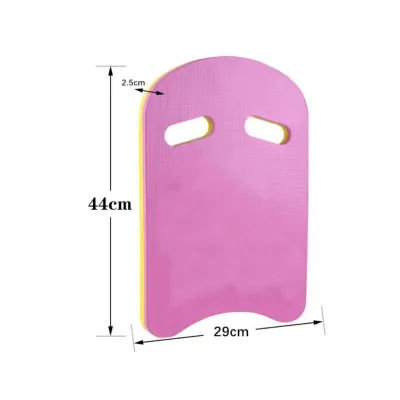
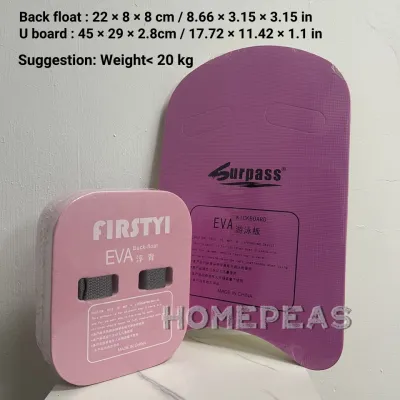
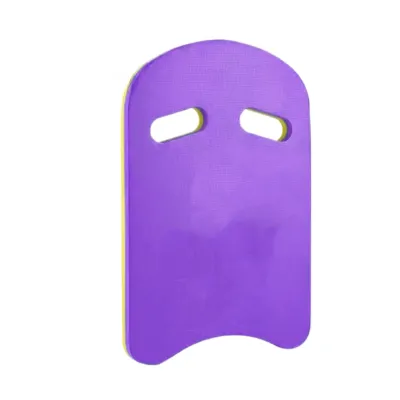
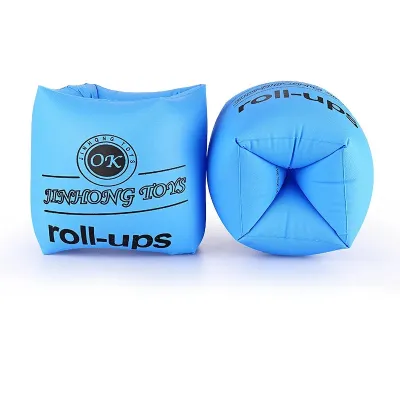
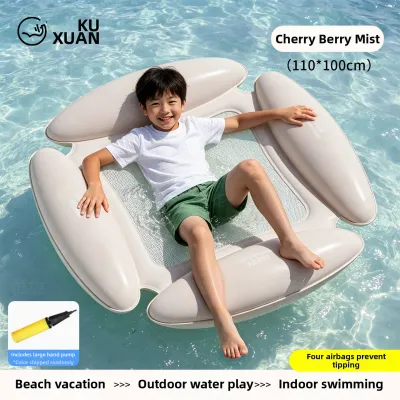
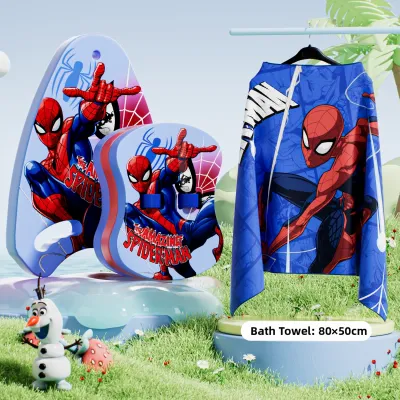
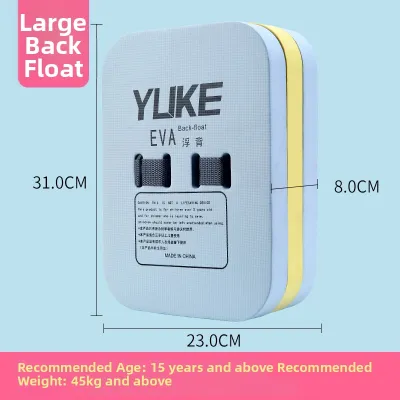
Prices are valid at publication and may change. Please refer to the product page for the latest price.
- Toddlers and Early Beginners (Ages 2 to 4): These boards feature a smaller surface area suited to short arms, contoured shapes that fit comfortably against the chest, high relative buoyancy to build water confidence, and integrated handles or cutouts for tiny hands to grip securely.
- Young Children and Intermediate Swimmers (Ages 5 to 9): This group benefits from medium-sized standard or slightly tapered boards. They offer moderate buoyancy and encourage kids to transition away from handles, focusing instead on gripping the outer edges of the board to practice proper alignment.
- Older Kids and Advanced Swimmers (Ages 10 and up): Older children require standard-sized or low-profile junior boards. These provide lower relative buoyancy to minimize water resistance, allowing advanced swimmers to maintain a streamlined, horizontal body line while focusing on high-intensity kick drills.
While these age-based categories serve as a helpful starting point, they are not absolute rules. A child’s specific weight, height, and current swimming proficiency are the ultimate factors that determine the correct board size. The following sections will guide you through the process of diagnosing the perfect fit for your child’s unique profile.
How Age and Swimming Skill Dictate Board Shape and Grip
The design of a kickboard’s edges, contours, and grip points directly influences how a child interacts with the water. As children grow and their motor skills develop, their equipment needs to evolve to support more advanced swimming techniques.

Toddlers and Early Beginners
For toddlers and young children who are just getting used to the sensation of floating, standard flat boards can feel unwieldy and intimidating. Manufacturers often design beginner boards with contoured shapes, rounded edges, and ergonomic cutouts or built-in handles. These features are specifically engineered to accommodate smaller hand spans and limited grip strength, allowing young swimmers to hold on without exerting excessive effort.
A secure grip is essential for early beginners because it directly impacts their water confidence. When a child feels that they have firm control over their flotation aid, their anxiety levels drop, allowing them to relax their neck and shoulders. This mental comfort is crucial for learning basic leg movements; if they are constantly fighting to keep the board from slipping out of their hands, they cannot focus on mastering the basic flutter kick.
Young Children and Intermediate Swimmers
As children transition into intermediate swimming lessons, they begin to build core strength and better spatial awareness in the water. At this stage, it is highly beneficial to transition them to standard rectangular or slightly tapered boards that do not feature dedicated handle cutouts. This shift encourages them to develop more advanced gripping habits that align with formal swim training.
Holding a board by its side or top edges forces the child to extend their arms fully, which naturally lowers their chest and raises their hips. This body position is the foundation of an efficient swim stroke. By practicing with an edge-grip board, intermediate swimmers learn to stabilize their upper body using their core muscles rather than relying on a handle to pull themselves forward, preparing them for unassisted swimming.
Older Kids and Advanced Swimmers
Older children and competitive youth swimmers use kickboards very differently than beginners. For these athletes, the goal is not to stay afloat, but to build cardiovascular endurance, leg power, and a highly streamlined body position. They typically use standard adult-sized boards or specialized, low-profile junior boards designed for high-performance training.
Advanced swimmers require less flotation support from their equipment. In fact, excessive buoyancy can be counterproductive because it pushes the chest too high out of the water, causing the lower back to arch and the legs to drop. A low-profile, less buoyant board reduces drag and allows the swimmer to maintain a flat, horizontal line from head to toe, mimicking the exact body position they use during actual swim strokes.
Sizing for Body Type: Balancing Weight, Height, and Buoyancy
Selecting a swimming board for kids requires a careful balance of physics. The board’s physical volume must match the child’s body weight to provide the correct level of lift, while its length must accommodate their height.
Evaluating Thickness and Volume
The primary physical principle behind a kickboard is buoyancy, which is directly determined by the board’s total volume (calculated by multiplying its length, width, and thickness). The board must provide enough upward force to support the weight of the child’s head, shoulders, and arms, allowing them to keep their hips and legs near the surface of the water without active effort.
Thicker boards naturally contain more material and air volume, resulting in higher buoyancy. These are highly suited for heavier or taller children who require more upward support to maintain a horizontal position. Taller children have a longer center of gravity, which naturally causes their legs to sink more easily; a higher-volume board helps offset this physical tendency by providing a stable platform for their upper body.
Conversely, thinner boards are better suited for lighter children or those who possess strong natural buoyancy. If a light child uses a board that is too thick, the excessive lift will push their upper body too far out of the water, forcing their spine into an uncomfortable arch that can lead to lower back fatigue. Before making a purchase, always check the manufacturer’s product label to verify the recommended weight capacity and user profile.
The "Ride Height" Diagnostic Test
Parents can easily determine if a board has the correct buoyancy by conducting a simple visual check while the child is actively practicing in the pool. Observing how the board floats under the child’s weight provides immediate feedback on whether the size is correct.
If the board has too much buoyancy, you will notice it riding high on top of the water’s surface, with the child’s chest and shoulders pushed completely clear of the water. This excessive lift forces the child to look downward and arch their lower back, which in turn causes their hips and legs to sink deep into the pool. This posture creates immense drag, making kicking incredibly difficult and placing unnecessary strain on the lumbar spine.
If the board has too little buoyancy, it will submerge significantly under the child’s weight. You will see the child pressing down hard with their forearms or hands, struggling to keep their chin and nose above the water line. When a board lacks sufficient volume, it fails to support the upper body, forcing the child to use their kicking energy to stay afloat rather than to propel themselves forward.
Understanding Board Dimensions: Length, Width, and Stability
The length and width of a swimming board for kids determine its surface area, which directly affects how stable the board feels and how naturally the child can rest their arms on it.
- Width and Stability: Wider boards provide a broader base of support, offering excellent lateral stability. This is highly beneficial for young beginners who struggle with balance and tend to roll from side to side in the water. However, this extra width also creates more water resistance. Narrower boards, while less stable, are much more streamlined; they require the child to engage their core muscles to stay balanced, making them ideal for focused, straight-line speed and technique training.
- Length and Surface Area: A longer board provides a larger surface area to support the child's forearms and torso. This extended support makes it easier for younger swimmers to rest their upper body comfortably and maintain a horizontal position. Shorter boards offer less surface support and require the swimmer to hold the board further forward, which demands more shoulder strength and active body control.
- Matching Dimensions to Arm Length: A practical way to test a board's size at home or in a store is to measure it against your child's arm length. When holding the top edge of the board, the child's elbows should rest comfortably on the surface of the board without hanging off the sides or bottom. If their elbows hang off the edges, it forces their shoulders into an unnatural, pinched position and creates significant drag in the water.
How to Test the Fit and Adjust for Safe Practice
Once you have selected a board based on your child’s age and body type, it is essential to verify its fit in the water and establish clear safety parameters for its use.
To perform the in-water alignment test, have your child hold the board and begin a steady flutter kick across the pool. Stand at the side of the pool and observe their posture from a profile view. Ideally, their head, hips, and heels should form a relatively straight, horizontal line just below or at the water’s surface. If their hips consistently drop toward the bottom of the pool, or if their head is pushed excessively high, you may need to adjust the board size or volume.
You can also help your child adjust their body alignment by teaching them different grip positions. Holding the board at the very top edge allows for a higher head position, which is comforting for beginners who want to keep their face completely dry. Gripping the side edges halfway down allows the child to lower their chest and face into the water, creating a flatter, more streamlined position that is perfect for practicing rhythmic breathing and advanced kicking drills.
While swimming boards are excellent training aids, they are not life-saving devices. They do not function as personal flotation devices (PFDs) or life jackets. Parents must always maintain constant, uninterrupted supervision of their children in the water, regardless of the board’s size, buoyancy, or the child’s swimming ability. Equipment can never replace proper water safety training and adult vigilance.
As your child grows and their swimming skills progress, their equipment needs will change. Keep an eye out for clear signs that it is time to upgrade their board. These signs include the child complaining of shoulder or lower back discomfort, their elbows constantly slipping off the sides of the board, or the board feeling so small that it sinks during normal use. Upgrading to a larger or more streamlined board ensures they can continue to develop their technique safely and effectively.
Frequently Asked Questions (FAQ)
Can my child use an adult swimming board?
It is highly discouraged for a child to use an adult-sized swimming board. Adult boards are designed to support much heavier body weights, meaning they possess far too much buoyancy for a child. This excessive upward force will push the child’s chest and shoulders high out of the water, forcing their lower back to arch severely and causing their legs to sink. Furthermore, the wider dimensions of an adult board make it very difficult for a child to grip the edges comfortably, leading to shoulder strain and poor kicking habits.
Does the material of the swimming board affect its size and buoyancy?
While the physical dimensions and overall volume of the board are the primary factors that determine its buoyancy, the material also plays a role. Most high-quality swimming boards for kids are made from closed-cell EVA (Ethylene-Vinyl Acetate) foam, which is highly durable, lightweight, and resistant to water absorption. Cheaper, open-cell foam boards can absorb water over time, which increases their weight and significantly reduces their buoyancy. Always check the manufacturer’s product label for specific material details and care instructions—such as rinsing the board with fresh water after use—to ensure it maintains its shape and flotation performance over time.
Community discussion
Share your experience or ask a question. Comments are reviewed before publication.