
The ideal size of a waterproof dry bag for snorkeling depends on whether you are packing strictly for yourself or carrying gear for a group, typically ranging from a compact 5-liter to 10-liter bag for solo essentials up to a 20-liter or 30-liter bag for couples or families. Choosing the right capacity ensures your dry clothes, electronics, and car keys remain completely isolated from sea spray and wet swimwear, without forcing you to lug unnecessary bulk onto a crowded boat or sandy beach. By matching your bag’s volume to your specific gear list and group size, you can enjoy your time in the water knowing your valuables are secure and dry on shore.
Inventory Your Snorkeling Gear and Valuables
Start by separating your gear into two distinct piles: items that must remain dry, and items that can tolerate moisture. Your smartphone, car keys, wallet, dry change of clothes, and any electronic car fobs fall into the non-negotiable dry category. These items require reliable protection from both direct splashes and the humid, salty air common on boat decks or sandy shores.
Conversely, your snorkeling mask, snorkel, and fins do not need to go inside a dry bag while you are heading to the water. In fact, packing wet gear inside a sealed dry bag traps moisture, which can damage other items and promote mold growth. Instead, plan to carry these wet items separately in a mesh gear bag, reserving your dry bag waterproof storage strictly for dry essentials.
Products mentioned in this guide
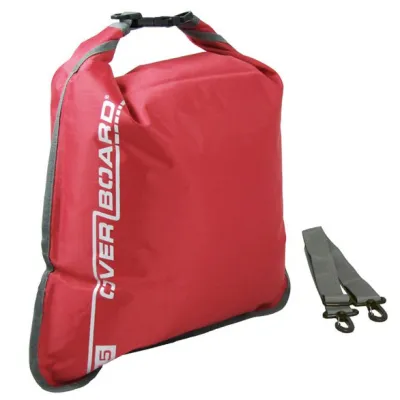
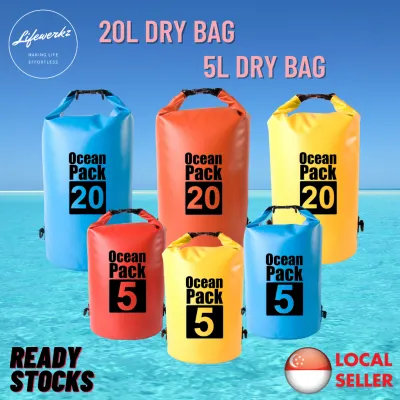
![[SG Ready Stocks] 10L /15L 20L/30L Ocean Pack Dry Bag Travel Fishing Holiday Usage Multipurpose Usage](https://img.lazcdn.com/g/p/81ed099e6570817d76dd65b5d4cffbbf.png_400x400q80.png_.webp)
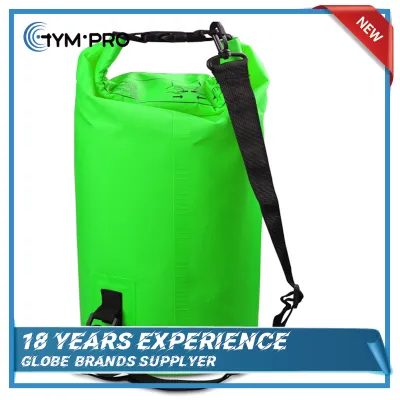
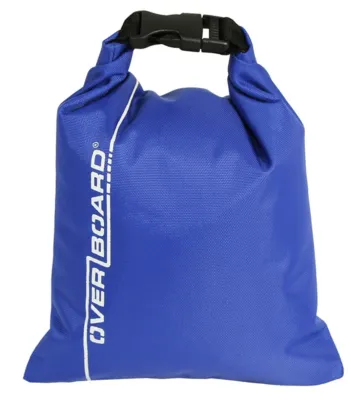
![[SG SELLER] VOZUKO Dry Bag Sports Waterproof Floating Shoulder Bag Backpack Lightweight Kayaking Swimming Camping Surf](https://img.lazcdn.com/g/p/59f4149ddf8cd839e0c3942ec0ce6810.jpg_400x400q80.jpg_.webp)
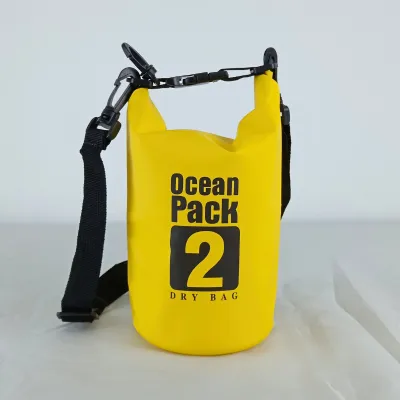
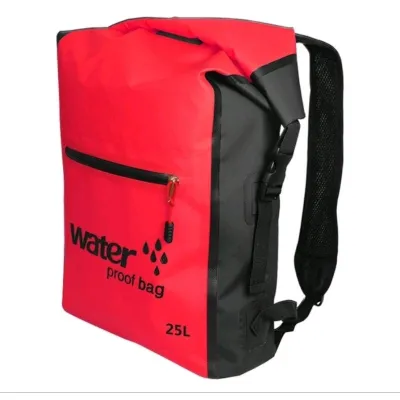
Prices are valid at publication and may change. Please refer to the product page for the latest price.
Next, consider the physical shape and rigidity of your dry items. A rigid water bottle, a hard-sided action camera case, or a large bottle of reef-safe sunscreen cannot be compressed. These items dictate the minimum width and depth of the bag you need, as forcing a wide, rigid object into a narrow bag can stretch the seams or prevent the top from sealing properly.
Do not forget to account for small, trip-specific extras that quickly accumulate volume. Packed lunches, dry snacks, basic first-aid supplies, and personal medications all require space. If you are bringing along a lightweight microfiber towel, this will also need to be factored into your baseline volume calculations before you select a bag size.
Match Bag Capacity to Your Group and Trip Duration
For solo snorkelers planning a quick dip at a local spot like Sisters’ Islands Marine Park, a compact dry bag is usually sufficient. A small capacity, typically around 5 to 10 liters, easily accommodates your phone, keys, wallet, sunscreen, and a highly compressible microfiber towel. This size is lightweight, easy to carry, and fits comfortably under a boat seat or inside a small locker.

When heading out for a half-day excursion as a couple, your storage needs will naturally expand. A mid-range capacity, such as a 15-liter to 20-liter bag, provides enough space for two sets of dry clothes, extra sunscreen, two water bottles, and some light snacks. This size ensures that both participants can keep their personal valuables in a single, easily manageable container without overstuffing the seams.
For families or full-day island-hopping trips, the volume requirements increase significantly. A large bag of 30 liters or more can hold multiple towels, changes of clothing, lunch boxes, and additional hydration. However, packing one massive bag can make it heavy and cumbersome to carry across sandy beaches or rocky paths, especially when wet.
Instead of relying on a single giant bag for a group, consider the trade-offs of distributing your gear across multiple smaller dry bags. Giving each family member their own 10-liter bag allows for better organization and prevents the constant rummaging that exposes dry items to wet hands. Furthermore, multiple smaller bags provide redundancy; if one bag is accidentally dropped or improperly sealed, the rest of your group’s gear remains safe and dry.
Account for Roll-Top Closures and Usable Space
One of the most common mistakes when choosing a dry bag waterproof container is assuming the advertised liter capacity represents the actual usable space. Most manufacturers measure capacity when the bag is completely open and flat. To make the bag waterproof, you must roll the top down tightly several times, which significantly reduces the height and overall volume of the main compartment.
A secure roll-top seal typically requires rolling the stiffened band at the collar down at least three to four times before fastening the buckle. This process can shave off up to several liters of potential storage space. If you pack a bag to the very brim, you will not have enough headspace left to roll the top properly, leaving your gear vulnerable to water ingress.
The compressibility of your gear also plays a major role in how efficiently you can use this space. Soft items like t-shirts, sarongs, and microfiber towels can be squished down to fill awkward gaps at the bottom of the bag. Rigid items, such as hard plastic cases or metal water bottles, create empty pockets of air around them that cannot be easily utilized, effectively reducing the bag’s practical capacity.
To avoid under-sizing, always check the manufacturer’s physical dimensions—specifically the usable height when rolled closed—rather than relying solely on the nominal liter rating. Compare these measurements against your longest rigid items, such as a camera tray or a travel-sized dry container, to ensure they will fit comfortably below the roll line. When in doubt, opting for one size larger than your calculated need provides a safe buffer for easy sealing.
Verify Material and Carrying Features for Marine Use
Snorkeling environments are inherently harsh on outdoor gear, exposing your bag to rough boat decks, abrasive sand, sharp coral fragments, and salt crust. When selecting a dry bag, inspect the material thickness and seam construction to ensure it can withstand these conditions. Heavy-duty materials like 500D PVC or thermoplastic polyurethane (TPU) offer excellent puncture resistance, while welded seams provide a much stronger barrier against water than stitched and taped alternatives.
The way you carry your bag is just as important as how much it holds, especially if you have to walk from a car park to a jetty or hike to a secluded beach. Smaller bags of 5 to 10 liters usually feature a single adjustable shoulder strap, which is perfectly adequate for light loads. For mid-sized and larger bags, look for dual backpack-style straps with padding, which distribute the weight evenly across both shoulders and keep your hands free for carrying snorkeling fins or holding onto boat railings.
Finally, always review the manufacturer’s specific instructions for sealing the bag to maintain its waterproof rating. While three rolls are standard for most roll-top designs, some materials or designs may require four rolls to guarantee protection against brief submersions. Before heading out on the water, practice sealing the bag at home and perform a quick squeeze test to check for escaping air, which indicates whether the seal is tight and secure.
Frequently Asked Questions (FAQ)
Can I take my waterproof dry bag underwater while snorkeling?
Standard roll-top dry bags are designed to protect your gear from rain, heavy sea spray, splashes, and brief accidental drops into the water. They are not rated for prolonged submersion or the pressure changes that occur when diving below the surface. Taking a standard roll-top bag underwater while snorkeling can force water past the rolled seal, potentially damaging your electronics and valuables. Always check the manufacturer’s specific Ingress Protection (IP) rating and depth limits; unless a bag is explicitly rated for continuous submersion, it should remain floating on the surface or left securely on the boat.
How do I clean and dry my bag after a saltwater snorkeling trip?
Saltwater is highly corrosive and can degrade the waterproof coatings, buckles, and seams of your dry bag over time if left untreated. After every snorkeling trip, thoroughly rinse the exterior and interior of the bag with clean, fresh water to remove salt crystals, sand, and organic residue. Pay close attention to the crevices around the roll-top stiffener and the plastic buckles where salt tends to accumulate. Once rinsed, hang the bag upside down in a shaded, well-ventilated area to air-dry completely before storing it. Avoid direct sunlight, as prolonged ultraviolet exposure can weaken the fabric and damage the welded seams.

Community discussion
Share your experience or ask a question. Comments are reviewed before publication.