
To choose the right skipping rope, you must align the rope’s length and weight with your physical height and current fitness level. A rope that matches your body dimensions ensures smooth rotations and proper posture, while the correct weight balances physical exertion with sensory feedback. Whether you are training in a local park, an HDB void deck, or a dedicated condo gym, setting up your equipment correctly is the first step toward an effective workout.
Why Rope Length and Weight Dictate Your Workout Quality
An improperly sized skipping rope forces your body to compensate in ways that ruin your workout mechanics. If the rope is too long, you will flare your elbows outward to take up slack, which rapidly fatigues your shoulders and disrupts your rhythm. Conversely, a short rope forces you to hunch forward or jump excessively high, placing unnecessary stress on your calves, knees, and lower back.
The weight of the rope directly influences how your brain and muscles coordinate each jump. A rope that is too light for a beginner offers virtually no tactile feedback, making it difficult to judge when the cable is passing underfoot. On the other hand, an excessively heavy rope can overwhelm your wrists and shoulders before you can achieve a steady cardiovascular rhythm, leading to premature fatigue and poor form.
Products mentioned in this guide
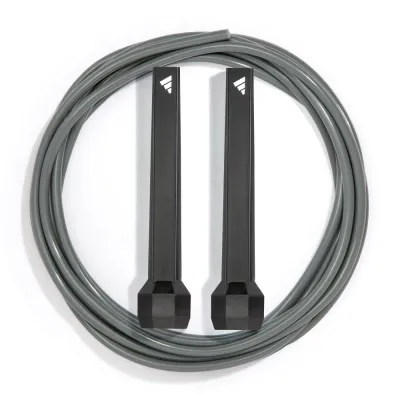
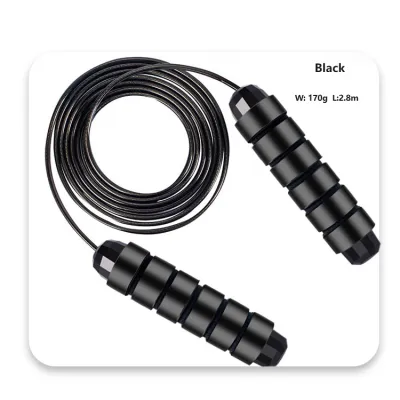
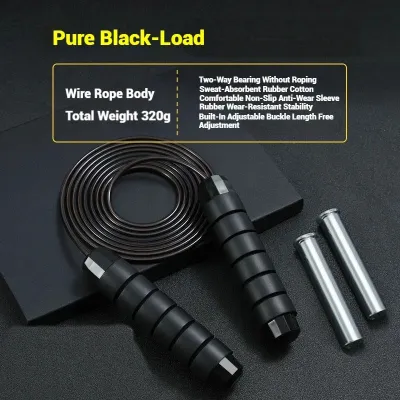
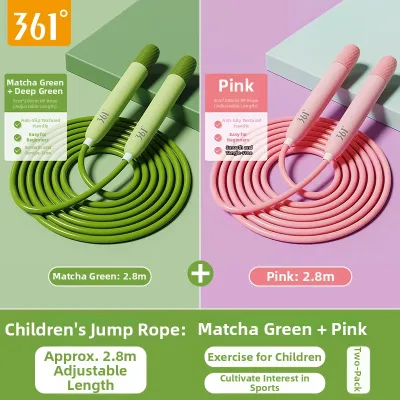

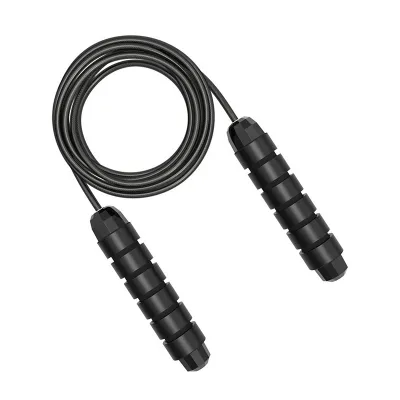

Prices are valid at publication and may change. Please refer to the product page for the latest price.
Before worrying about aesthetic features, handle colors, or digital counters, you must prioritize length and weight. These two dimensions form the foundation of your skipping mechanics, determining whether your sessions are smooth and progressive or frustrating and injury-prone.
How to Measure and Adjust Skipping Rope Length for Your Height
The physical fitting test is the most reliable way to customize your rope. Stand flat-footed on the exact center of the cable with one foot and pull the handles straight upward along the sides of your body. For beginners, the tips of the handles should reach your armpits. As your technique improves and your hand positioning becomes more compact, you can shorten the rope so the handles align with your lower chest.

While physical testing is the gold standard, manufacturer height-to-length charts serve as an excellent starting baseline. Generally, a person standing 150 cm to 160 cm tall requires a rope length of 2.30 to 2.45 meters. Those between 161 cm and 175 cm typically need 2.50 to 2.70 meters, while taller individuals up to 190 cm should look for 2.75 to 2.95 meters.
When selecting a skipping rope, you will choose between adjustable cables and fixed-length options. Adjustable ropes utilize thumb-screws, locking collars, or internal mechanical clamps inside the handles, allowing you to slide the cable to your desired length instantly. Fixed-length ropes, often made of solid PVC, require precise cutting, which permanently alters the rope.
If you are using an adjustable steel cable, trimming the excess wire is essential to prevent injury. Once you have determined your ideal length, use wire cutters to snip the excess cable, leaving about 5 centimeters of slack inside the handle. Always slide the protective rubber end caps back over the freshly cut wire ends to prevent fraying and scratches.
Matching Rope Weight to Your Fitness Level and Training Goals
Selecting the right rope weight depends on your current physical conditioning and training goals. Different weights shift the physical demand between cardiovascular endurance and muscular strength.
Lightweight and Speed Ropes: Precision and Cardio
Speed ropes are ultra-lightweight, featuring thin coated steel wires under 100 grams. Engineered for high-velocity workouts and advanced techniques like double unders, their minimal air resistance maximizes rotations per minute. However, they demand high technical proficiency. Lacking physical weight, they provide almost no sensory feedback, meaning a slight timing error will clip your toes or shins. Consequently, these are best reserved for intermediate to advanced fitness enthusiasts.
Weighted Ropes: Feedback and Upper-Body Resistance
Weighted ropes, ranging from 200 grams to over 1 kilogram, shift the focus to muscular endurance and strength. The weight is distributed throughout the cable, creating a distinct centrifugal pull that makes it much easier to feel the loop’s position and master your timing. This turns cardio into a demanding upper-body workout, engaging your shoulders, forearms, and upper back.
Because of the intense physical demand, you must monitor your joint fatigue closely when using weighted ropes. The repetitive force of swinging a heavy cable can place considerable strain on your wrists, elbows, and rotator cuffs. If you experience any persistent joint pain, stop the workout immediately, check the manufacturer’s safety instructions, and consult a fitness professional.
Which Weight Should You Start With?
For the vast majority of beginners, a medium-weight PVC rope weighing between 100 and 150 grams is the ideal starting point. This weight class strikes a perfect balance: it is heavy enough to provide the sensory feedback needed to learn rhythm, yet light enough to prevent early muscle fatigue. Starting with an ultra-light speed rope often leads to frustration due to constant tripping, while starting with a heavy 1-pound rope can strain unconditioned joints.
Once you can comfortably jump for three to five minutes without tripping, you can diversify your gear. If your goal is cardiovascular speed and agility, transition toward a lighter speed rope. If you want to build upper-body strength and increase your caloric burn, gradually introduce a 250-gram or 500-gram weighted rope into your routine, ensuring your joints have adapted to the repetitive impact first.
Secondary Specs: Materials, Handles, and Bearings Explained
Beyond length and weight, rope materials dictate durability. Solid PVC ropes are versatile for indoor gym mats or smooth outdoor surfaces. Coated steel wire is fast but frays rapidly on rough outdoor concrete, such as Singapore’s HDB void decks, unless protected by a rubber skipping mat. Beaded ropes are highly tangle-resistant and provide excellent audible feedback, making them popular for freestyle jumping.
Handle design and grip materials are critical for comfort, particularly during sweaty sessions in tropical climates. Foam grips absorb sweat and slip over time. Silicone or textured rubber grips provide excellent slip resistance and are easy to clean. For high-speed training, lightweight aluminum handles with textured knurling offer a secure grip that won’t slip when wet.
The internal rotation mechanism also plays a major role in how smoothly the rope spins. Ropes equipped with ball bearings inside the handles allow the cable to rotate independently of the handle, reducing friction and preventing the rope from twisting or tangling during use. While ball bearings are absolutely essential for speed ropes and executing double unders, simple plastic axes or peg connections are perfectly adequate for heavier, slower-paced weighted ropes where rapid rotation is not the primary goal.
Frequently Asked Questions (FAQ)
How do I know if my skipping rope is the wrong length during a workout?
You can easily diagnose an incorrect rope length by observing your body mechanics. If your rope is too long, you will hear a loud slapping sound against the floor, and the cable will bounce high enough to hit the front of your feet, forcing you to widen your arms. If the rope is too short, you will constantly clip your toes or the back of your head, forcing you into a cramped, hunched posture.
Should beginners avoid weighted skipping ropes entirely?
No, beginners do not need to avoid weighted ropes entirely; in fact, a lightly weighted rope weighing around 100 to 200 grams is often far better for learning than an ultra-light speed rope. The subtle resistance helps you feel the rope’s location as it rotates over your head and under your feet, which dramatically accelerates your ability to master timing and coordination.
However, beginners should strictly avoid heavily weighted ropes—such as those weighing 450 grams or more—during their initial training phases. Jumping with a heavy rope requires established wrist strength and proper jumping form. Attempting to use these advanced ropes too early can lead to rapid fatigue, compromised posture, and an increased risk of wrist or shoulder strain.
Community discussion
Share your experience or ask a question. Comments are reviewed before publication.