
Finding the right snorkeling mask as a beginner in Singapore involves balancing comfort, safety, and clear visibility. The ideal mask is not necessarily the most expensive model, but rather the one that matches your face shape perfectly to create a watertight seal. Whether you are planning a weekend trip to the Sisters’ Islands Marine Park or preparing for a tropical getaway in Southeast Asia, your mask is the single most important piece of equipment you will choose. A poorly fitting mask that constantly leaks or fogs up can quickly turn an exciting underwater adventure into a frustrating experience.
To make a confident purchase, first-time buyers must understand the structural differences between mask styles, learn how to test the fit on dry land, and know what safety features to verify. By focusing on high-quality materials like hypoallergenic silicone and tempered glass, you can ensure your gear remains comfortable and safe for many trips to come. This guide outlines the essential features to look for, compares traditional and full-face designs, and provides a step-by-step fitting method to help you find your ideal match in Singapore’s retail landscape.
Key Features to Look for in a Beginner Snorkeling Mask
When shopping for your first snorkeling mask, the materials and construction methods used by the manufacturer directly impact your safety and comfort. The first feature to evaluate is the skirt, which is the flexible border that contacts your face. High-quality masks utilize liquid silicone for the skirt because it is highly flexible, durable, and hypoallergenic. Cheap masks often use plastic or polyvinyl chloride (PVC) skirts, which tend to stiffen over time, lose their shape, and cause skin irritation or red marks after short periods of use. A soft silicone skirt conforms naturally to the contours of your face, ensuring a reliable seal even when you smile or move your jaw.
Products mentioned in this guide
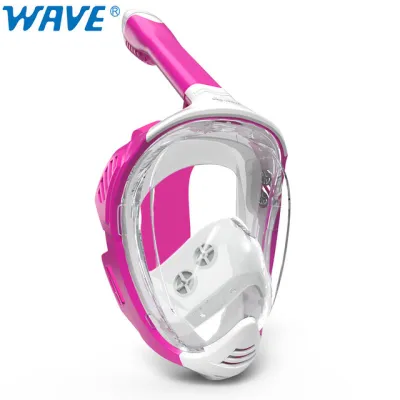
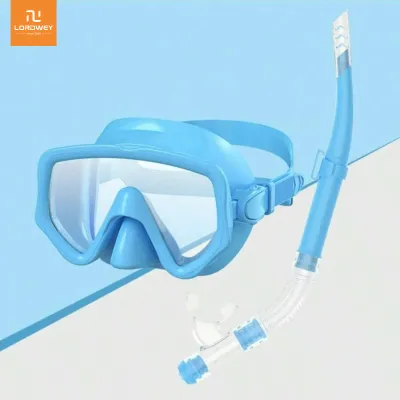
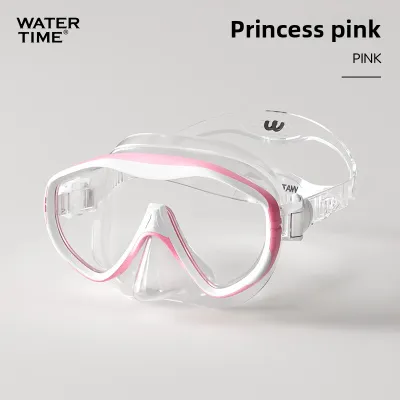
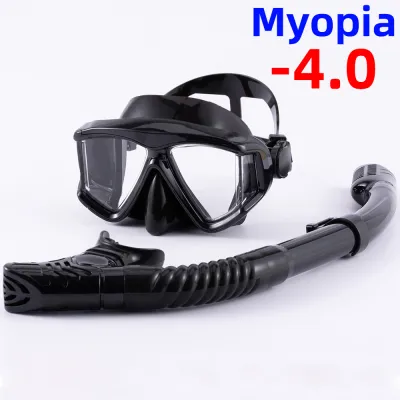
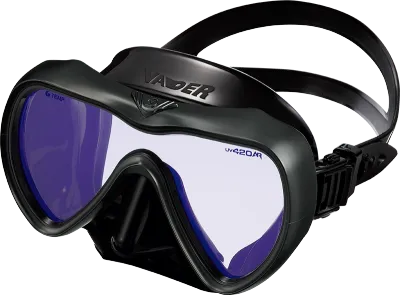
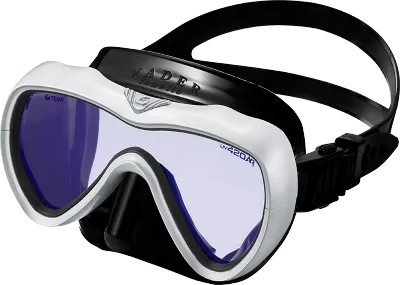
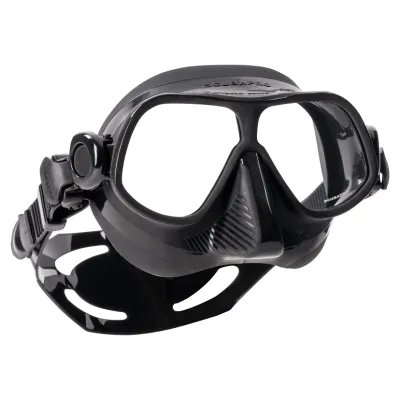
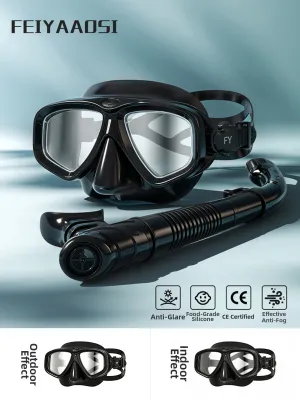
Prices are valid at publication and may change. Please refer to the product page for the latest price.
The lens material is another critical safety consideration. Always prioritize tempered glass lenses over standard plastic or polycarbonate alternatives. Tempered glass is chemically or thermally treated to be significantly stronger than regular glass, making it highly resistant to scratches from sand and gear bags. More importantly, if tempered glass does break under extreme impact, it shatters into tiny, relatively harmless granular pieces rather than sharp, dangerous shards. This safety feature is essential for protecting your eyes in the rare event of an accident.
Another design element to consider is the internal volume of the mask. Low-volume masks are designed to keep the glass lenses closer to your face, which minimizes the pocket of air inside. For beginners, a low-volume design is highly advantageous because it requires less effort to clear if water manages to seep inside. Additionally, having the lenses closer to your eyes expands your field of view and reduces the claustrophobic feeling that some first-time snorkelers experience when wearing bulkier gear.
Finally, pay close attention to the strap and buckle mechanism. A good beginner mask should feature easily adjustable buckles that allow you to fine-tune the tension while wearing the mask. Look for wide silicone straps that split at the back to distribute pressure evenly across the crown of your head. If you have long hair, consider adding a neoprene strap cover; this simple accessory slides over the silicone strap to prevent painful hair pulling and makes putting on and removing the mask much smoother.
Traditional vs. Full-Face Masks: Understanding the Differences
As you browse options in Singapore, you will encounter two primary styles: traditional snorkeling masks and full-face snorkeling masks. Traditional masks cover your eyes and nose, requiring you to breathe through a separate snorkel mouthpiece held in your teeth. This classic design is favored by instructors because it allows you to equalize your ears easily by pinching your nose through the soft nose pocket. Equalization is necessary if you plan to dive even a few feet below the surface. Traditional masks also make it easy to transition to scuba diving later, as the mask design and breathing style are virtually identical. The main challenge for beginners is getting used to breathing exclusively through the mouth.

Full-face snorkeling masks cover your entire face, integrating the mask and the snorkel into a single unit. This design allows you to breathe naturally through both your nose and mouth, making it highly appealing to beginners who find mouth-only breathing uncomfortable. They also offer an expansive, 180-degree panoramic view of the marine environment. However, full-face masks have distinct safety boundaries that you must understand before buying. Because of their large internal volume, they cannot be used for diving below the surface; the air pocket inside cannot be equalized, which can cause painful mask squeeze on your face and eyes.
Safety is the most critical factor when evaluating full-face designs. Poorly designed or cheap full-face masks can allow exhaled carbon dioxide (CO2) to build up inside the mask instead of being properly vented. This can lead to dizziness, shortness of breath, or hyperventilation. When choosing a full-face mask, you must verify that the manufacturer utilizes a certified, one-way ventilation system with separate inhalation and exhalation channels. Strictly avoid unverified, generic brands, and never use a full-face mask for strenuous swimming, freediving, or any activity where you intend to submerge your head completely.
How to Test the Fit and Seal Before You Buy
You should never buy a snorkeling mask based on color, style, or online reviews alone; the only way to ensure a mask will not leak is to test how it fits your unique facial structure. Fortunately, you can perform a highly reliable “dry test” in a retail store or at home before the mask ever touches the water. Start by clearing any hair away from your forehead and cheeks, as even a few stray strands can break the seal and let water in.
To begin the test, look slightly upward and place the mask gently against your face without putting the strap over your head. Ensure the silicone skirt rests flat against your skin all the way around, including under your nose and along your temples. Next, inhale gently through your nose and hold your breath. If the mask fits your face shape, the suction created by your inhalation should hold the mask firmly in place. You should be able to look down and shake your head gently without the mask falling off. If air leaks in and the mask drops immediately, the fit is incorrect, and you should try a different model.
While holding the mask to your face during the suction test, pay close attention to any uncomfortable pressure points. The most common areas for discomfort are the bridge of your nose, your forehead, and the space between your upper lip and nose. If you feel the hard plastic frame of the mask pressing against your nose bridge, or if the skirt pinches your upper lip uncomfortably, these sensations will intensify significantly under water pressure. A well-fitting mask should feel comfortable and distribute pressure evenly across your face.
Once you find a mask that passes the suction test, put the strap over your head to check the final alignment. The strap should sit flat against the widest part of the back of your head, known as the crown. It is a common mistake among beginners to tighten the strap as much as possible to prevent leaks. In reality, over-tightening distorts the soft silicone skirt, causing it to buckle and actually create gaps for water to enter. The strap should only be tight enough to keep the mask secure; the natural water pressure will do the rest of the work to maintain the seal.
Where to Shop and What to Verify in Singapore
Singapore offers several options for purchasing snorkeling gear, ranging from specialized dive centers to large sporting goods retailers and online marketplaces. For beginners, visiting a physical, specialized dive shop is highly recommended. These shops are staffed by experienced divers and instructors who can assess your face shape, recommend appropriate models, and guide you through the fitting process. While prices at specialized shops may sometimes be slightly higher than online listings, the expert advice and opportunity to try on multiple masks before buying are invaluable for preventing a costly mismatch.
If you choose to shop at general sporting goods stores or browse online marketplaces, you must exercise caution to avoid counterfeit or substandard equipment. When shopping online, look for official brand stores or authorized local dealers to ensure you are purchasing genuine products. Be particularly wary of suspiciously low-priced masks on e-commerce platforms. A high-quality, safe snorkeling mask requires precise manufacturing and medical-grade silicone, which cannot be produced at extremely low price points. Investing a bit more in a reputable brand ensures your safety and the longevity of the gear.
Before finalizing your purchase, verify the manufacturer’s warranty and the retailer’s return policy. Because snorkeling masks are considered personal hygiene products, many retailers in Singapore have strict policies that prohibit the return or exchange of masks once they have been used in the water. Therefore, it is crucial to perform your dry fit tests thoroughly at home before taking the mask to the pool or beach. Additionally, check the packaging for authenticity markers, user manuals, and safety certifications, especially if you are purchasing an integrated full-face mask.
Essential Care and Maintenance for Your Mask
Taking proper care of your snorkeling mask will preserve the integrity of the silicone skirt, prevent the lenses from scratching, and ensure clear vision for years to come. The most important maintenance step is to rinse your mask thoroughly with clean, fresh water after every single use. Saltwater, chlorine, sand, and sunscreen residue are highly corrosive and can degrade the silicone skirt and plastic buckles over time. Pay close attention to the small crevices around the buckles and the inner tracks of the skirt where salt crystals tend to collect.
After rinsing, allow your mask to dry completely in a shaded, well-ventilated area. Never leave your mask to dry in direct sunlight. Ultraviolet (UV) radiation from the sun accelerates the aging of silicone, causing it to become brittle, yellow, and prone to cracking, which will permanently ruin the watertight seal. Once the mask is completely dry, store it in a protective hard case rather than throwing it loose into a gear bag. This prevents other heavy items from crushing the skirt out of shape and protects the tempered glass lenses from getting scratched by keys, zippers, or sand.
To maintain clear vision during your snorkeling trips, you will need to address mask fogging. New masks often have a thin film of silicone residue on the inside of the glass lens left over from the manufacturing process, which causes rapid fogging. You can remove this film using a specialized mask pre-cleaner or by gently scrubbing the inside of the dry lens with a non-abrasive dish soap or white toothpaste (avoiding gel formulas and keeping it away from the silicone skirt). Before each snorkel session, apply a few drops of commercial defogging solution or diluted baby shampoo to the dry lens, rinse it quickly in the water, and put the mask on immediately to keep your view crystal clear.
Frequently Asked Questions (FAQ)
Do I need a prescription snorkeling mask if I wear glasses?
Yes, if you have a strong prescription, wearing standard glasses inside a snorkeling mask is impossible because the temples of the glasses will break the silicone seal and cause constant leaking. Beginners have several excellent options to resolve this. Many reputable mask manufacturers offer optical masks with swappable, pre-made corrective lenses that can be installed in place of the standard glass. Alternatively, you can wear soft contact lenses under a standard snorkeling mask, though you must keep your eyes closed if water enters the mask to avoid losing a lens.
Can I use a scuba diving mask for snorkeling?
Absolutely. Scuba diving masks are built to exceptionally high safety and material standards, making them outstanding choices for snorkeling. They feature high-quality tempered glass and premium silicone skirts designed to withstand pressure at depth. While some scuba masks may have a slightly higher internal volume than specialized snorkeling masks, this difference is negligible for surface snorkeling. Investing in a high-quality scuba mask is often a smart choice for beginners who may want to try scuba diving in the future.
How often should I replace my snorkeling mask?
A high-quality snorkeling mask can last for several years with proper care, but you should inspect it regularly for signs of wear. You should replace your mask if you notice the silicone skirt becoming stiff, brittle, or showing visible cracks, as these issues will prevent a proper seal. Other warning signs include persistent leaking that cannot be resolved by adjusting the strap, cracked plastic frames or buckles, or deep scratches on the lenses that impair your vision.
Community discussion
Share your experience or ask a question. Comments are reviewed before publication.