
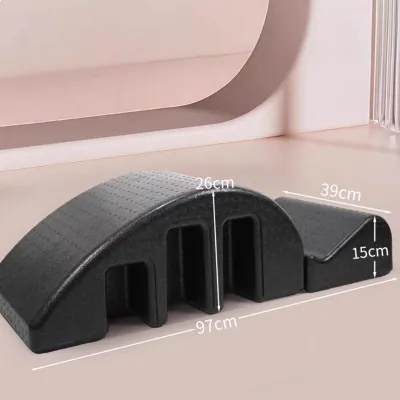
For a Pilates beginner, the most suitable starting equipment is a high-density foam spine corrector featuring a gentle, moderate curve profile. This design provides a supportive, forgiving surface that cushions the spinous processes during extension exercises, while the gradual slope prevents over-stretching of tight back muscles. Lightweight and highly portable, a foam model allows beginners to focus on mastering core engagement and spinal articulation without the intimidating rigidity of traditional wooden apparatuses.
Selecting your first spine corrector requires balancing material construction, physical dimensions, and safety features. By understanding how these elements interact with your body, you can establish a safe, effective home practice that supports your posture and flexibility goals.
Understanding Spine Corrector Types and Materials
Spine correctors generally fall into two primary categories: traditional upholstered wood models and modern high-density foam constructions. Traditional models feature a sturdy wooden frame, often constructed from maple or birch, covered with dense foam padding and wrapped in synthetic leather or vinyl upholstery. While these wooden units offer exceptional stability and a classic studio aesthetic, their weight and rigidity can feel unforgiving to a novice whose spine is still adapting to extension movements.
Products mentioned in this guide
![[Made in Korea] Pilates S-Curve Spine Pelvis Corrector ● Pilates Lumbar Soothing Device ● Back Cervical Spine Relaxation Scoliosis Corrector](https://img.lazcdn.com/g/p/3547a49913a17f8e6393d2ba2a955583.png_400x400q80.png_.webp)
Prices are valid at publication and may change. Please refer to the product page for the latest price.
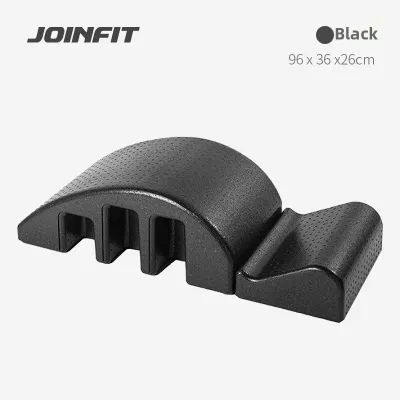
In contrast, high-density foam spine correctors, typically molded from Expanded Polypropylene (EPP) or Ethylene-Vinyl Acetate (EVA), have become highly popular for home use. These materials offer a slight structural give that absorbs impact and reduces pressure on the vertebrae. Foam correctors are also exceptionally lightweight, making them easy to move and store in compact living spaces, such as apartments where dedicated workout areas are limited.
Another key structural decision is choosing between a standard full-size spine corrector and a compact arc barrel. A standard spine corrector includes a steep barrel curve, a lower step, and often side handles for hand placement. This multi-level structure allows for a diverse range of exercises, including seated, prone, and supine variations. Compact arc barrels, which omit the step portion, offer a shallower, continuous curve that is highly portable but limits the variety of transitional movements you can perform.
Surface texture and grip are critical for maintaining proper alignment during your practice. Upholstered wooden models rely on high-quality vinyl that provides traction when clean, though it can become slippery if moisture accumulates. Molded foam correctors often feature a textured, matte surface that naturally resists slipping, helping you maintain your position even when wearing slick synthetic activewear. When evaluating materials, prioritize surfaces that offer reliable grip without requiring constant adjustment during your routine.
Key Features to Evaluate for Beginner-Friendly Use
When shopping for a spine corrector, the steepness and depth of the primary curve should be your first evaluation point. A curve that is too steep or drops off too abruptly can force a beginner’s spine into excessive hyperextension, leading to muscle guarding or joint compression. Look for an ergonomic, gradual slope that mimics the natural curvature of a supported spine, allowing you to gently drape your back over the arc without straining your neck or lower back.

Base stability is another essential safety feature, especially for lightweight foam models. Because foam correctors weigh significantly less than their wooden counterparts, they can slide or tilt during dynamic leg or arm movements. Prioritize models designed with a wide, flared base or those that feature non-slip rubber pads on the underside. A stable base ensures the equipment remains firmly anchored to your exercise mat, allowing you to focus entirely on your form rather than holding the equipment in place.
Durability indicators are vital to ensure your equipment maintains its shape over years of regular use. Low-quality foam can compress permanently under body weight, altering the curve profile and reducing the support it provides to your spine. Look for high-resilience, closed-cell foam structures that immediately rebound after pressure is applied. For upholstered models, inspect the quality of the seams and the thickness of the vinyl to ensure it can withstand repeated stretching and friction without cracking.
Finally, consider the inclusion of integrated handles or cutouts. Many foam and wooden correctors feature side handles or handholds carved into the frame. For a beginner, these handles provide crucial anchor points to assist with balance, assist in mounting and dismounting the equipment, and offer leverage during challenging abdominal or lateral flexion exercises.
Sizing and Fit: Matching the Corrector to Your Body
An improperly sized spine corrector can compromise your alignment and lead to discomfort. To find the right fit, you must compare your torso length against the manufacturer’s specified curve dimensions. When sitting in the well of the corrector—the dip between the step and the arc—your pelvis should feel supported, and your spine should align symmetrically along the center of the curve. If the corrector is too short, your head may hang unsupported over the edge; if it is too long, you will struggle to find the correct pivot point for spinal extension.
Weight and height capacity limits are critical specifications that must be verified before purchase. While wooden models easily support a wide range of body types, foam correctors have distinct load limits based on their density. Always check the manufacturer’s documentation to ensure the equipment is rated to safely support your body mass during dynamic movements, preventing structural bending or sudden tipping.
Your current level of flexibility should also dictate the curve profile you select. Beginners with tight chest muscles, stiff shoulders, or limited lumbar mobility will find a shallower, longer arc much more accessible. Attempting to use a deep, aggressive curve when your body is not yet prepared can cause you to compensate by flaring your ribs or straining your neck. Selecting a gentle curve allows you to build mobility gradually and safely over time.
Safety Checks and Usage Boundaries for Home Practice
Practicing Pilates at home without the direct supervision of an instructor requires strict adherence to safety boundaries. Before beginning any session, perform a quick physical self-assessment. It is vital to differentiate between the expected sensation of a deep, warm muscular stretch and sharp, pinching, or radiating pain. A deep stretch indicates your muscles are lengthening safely, whereas sharp pain, particularly in the lower back or neck, is a clear signal to stop the movement and adjust your position.
To maintain a safe home practice, avoid high-risk movements that exceed your current skill level. Do not attempt unsupported standing exercises on the spine corrector, as the curved surface can easily cause a loss of balance. Furthermore, avoid advanced inversion exercises where your weight is fully suspended on your shoulders or neck unless you have received direct, professional training. Never attempt to anchor resistance bands or suspension straps to a spine corrector unless the manufacturer has provided dedicated, tested, and certified attachment points for that specific purpose.
Your safety depends on knowing when to stop an exercise. If you experience dizziness, lightheadedness, numbness in your limbs, or joint pain at any point during your routine, dismount the equipment carefully and rest. If these symptoms persist, or if you are unsure about your form, stop using the spine corrector and consult a certified Pilates instructor or a healthcare professional to ensure you are moving safely.
Frequently Asked Questions (FAQ)
Can I use a spine corrector if I have a pre-existing back condition?
If you have a diagnosed structural spinal condition, such as a herniated disc, stenosis, spondylolisthesis, or severe scoliosis, you must consult a healthcare provider or a certified Pilates instructor before using a spine corrector. General muscular stiffness often responds well to gentle extension, but structural conditions require highly specific, modified movements. A professional can help you identify which exercises are safe and which curves to avoid. Always stop immediately if you experience warning signs such as numbness, tingling, or sharp pain during any movement.
How do I clean and maintain a foam spine corrector?
To clean a foam spine corrector, always check the manufacturer’s care label first for specific material restrictions. For general maintenance, wipe the surface down after each use with a soft cloth dampened with a mild, non-abrasive solution of water and a small drop of gentle dish soap. Avoid harsh chemical solvents, bleach, or alcohol-based sprays, as these can degrade the foam structure and ruin the textured surface. Allow the equipment to air-dry completely in a well-ventilated, shaded area before storing it to prevent moisture buildup and material degradation.
Community discussion
Share your experience or ask a question. Comments are reviewed before publication.