
Choosing the right sport tape depends on whether you need to immobilise a joint, support a recovering muscle, or manage swelling. Using the wrong tape can restrict your movement unnecessarily or fail to provide the structural support required to prevent re-injury. By matching the tape’s material properties to your specific activity and physical condition, you can safely support your body during movement.
Quick Guide: Matching Tape Types to Common Needs
To select the correct tape, you must first understand the four primary categories available on the market. Each serves a distinct mechanical purpose, ranging from complete joint restriction to flexible muscle facilitation.
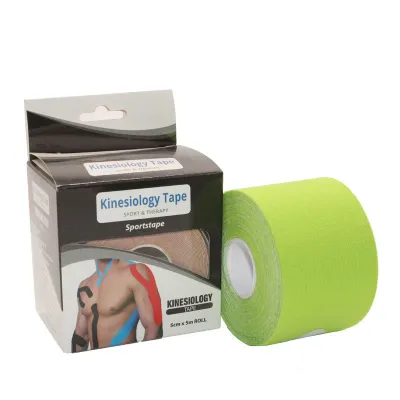
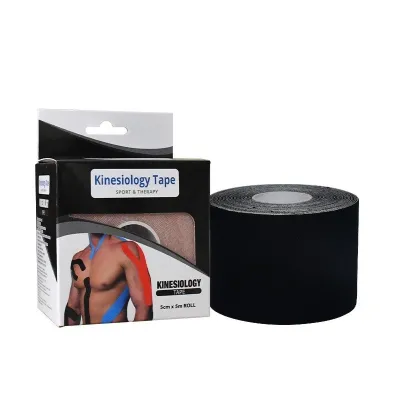
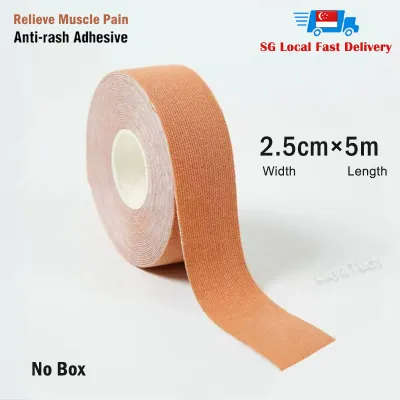
- Kinesiology Tape: A highly elastic cotton or synthetic tape designed to mimic the skin's natural elasticity. It supports muscles, improves local circulation, and aids recovery without restricting your natural range of motion.
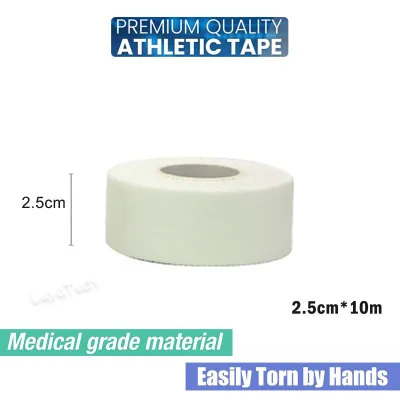
- Rigid Athletic Tape: A non-elastic, high-tensile tape used to immobilise joints. It provides maximum structural support to prevent unwanted movement in high-stress areas like ankles, wrists, and fingers.
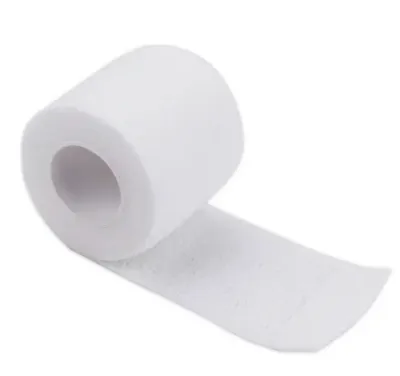
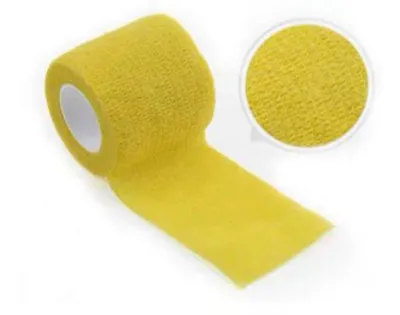
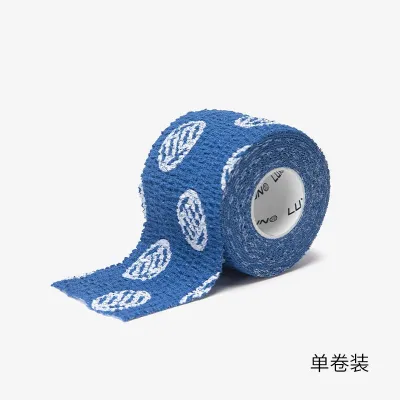
- Cohesive Bandage: A self-adhering wrap that sticks to itself rather than your skin or hair. It is ideal for quick compression, securing cold packs, or wrapping joints where traditional adhesives might cause irritation.
- Elastic Adhesive Bandage (EAB): A strong, stretchy tape that combines the flexibility of an elastic wrap with the secure anchoring of an adhesive. It offers dynamic joint support and moderate compression, allowing functional movement during active sports.
Self-Assessment: Identifying Your Primary Support Requirement
Before applying any tape, you must evaluate your specific physical needs, the demands of your sport, and the environment in which you will be active.
Products mentioned in this guide
![[SG In Stock]KT Tape Kinesiology Sports Tape Elastic Relief Strain Patch Athletic Recovery Fitness Bandages(5m x 5cm)](https://img.lazcdn.com/g/p/35bf542244a996d706c565f5ee0da318.jpg_400x400q80.jpg_.webp)
Prices are valid at publication and may change. Please refer to the product page for the latest price.

Activity analysis requires looking closely at the movement patterns of your sport. High-agility sports like badminton or football require rapid directional changes, which place heavy lateral stress on your ankles and knees. If you play in hot, humid climates like Singapore, sweat and moisture will quickly degrade standard adhesives. You will need to verify the water-resistance ratings of the tape and ensure your skin is completely dry before application.
Your skill level and body size also dictate the physical demands placed on the tape. Larger athletes or those engaging in high-velocity contact sports exert greater mechanical force on their joints, requiring wider, high-tensile rigid tapes rather than thin elastic wraps. Conversely, recreational athletes focusing on low-impact activities may only require light, flexible support to maintain confidence during movement.
Injury evaluation helps determine the primary goal of the tape. Are you looking for preventative support for a historically weak joint, acute compression for a fresh, mild strain, or light tension to assist with post-workout muscle soreness? Preventative taping often relies on rigid or elastic adhesive bandages to limit extreme joint angles. Recovery-focused taping, on the other hand, benefits more from the gentle, lifting action of kinesiology tape.
Red flag identification is crucial for your safety. Taping is a supportive measure, not a cure for structural damage. If you experience severe pain, visible joint deformity, immediate and intense swelling, numbness, tingling, or an inability to bear weight on the limb, do not attempt to tape it. These are clear indicators of a serious injury, such as a complete ligament tear or fracture. Stop all physical activity immediately and seek a professional medical diagnosis.
Detailed Breakdown: When to Use Each Sport Tape
Selecting the right tape requires balancing the trade-offs between joint stability and functional mobility.
Kinesiology Tape for Muscle and Recovery Support
Kinesiology tape is best suited for managing muscle fatigue, mild strains, and promoting lymphatic drainage during recovery. Its wave-pattern adhesive gently lifts the skin, which helps reduce pressure on pain receptors and encourages localized blood flow.
- Ideal Conditions: Use this tape for post-activity recovery, managing minor muscle soreness in the calves or shoulders, or providing light sensory feedback to improve posture and movement patterns. While a standard roll of quality kinesiology tape may cost between S$15 and S$30 at local sports retailers, its multi-day wearability offers good value for ongoing recovery.
- Limitations: This tape does not provide rigid mechanical support. It will not prevent a joint from rolling or hyperextending, making it unsuitable for stabilizing severely lax or acutely injured ligaments.
- Application Checks: Verify that you apply the tape with the correct tension—usually light to moderate stretch depending on the muscle group. Always round the corners of the tape with scissors before applying to prevent the edges from peeling off prematurely against your clothing.
Rigid Athletic Tape for Joint Stabilization
Rigid athletic tape is the standard choice for structural joint immobilization. It is designed to withstand high forces and physically prevent joints from moving into vulnerable positions.
- Ideal Conditions: This tape is highly effective for preventing hyperextension in fingers and thumbs during basketball or netball, or for locking the ankle joint before a high-impact run.
- Limitations: Because it is completely non-elastic, rigid tape significantly restricts your natural range of motion. If applied incorrectly, it can cause skin friction, blisters, or restrict blood circulation.
- Application Checks: Always check that the tape is not wrapped too tightly. You should be able to slide a finger under the edges. Consider using a thin foam underwrap to protect sensitive skin from the strong zinc oxide adhesive.
Cohesive and Elastic Bandages for Compression and Wrap
Cohesive bandages and elastic adhesive bandages (EAB) offer versatile options for compression and dynamic support, especially over larger joint areas.
- Ideal Conditions: Cohesive bandages are perfect for immediate compression therapy following a mild sprain, as they can be wrapped quickly over ice packs without sticking to the skin. EAB is excellent for sports like rugby or netball, where you need strong, dynamic support for knees, elbows, or shoulders that still allows a functional range of motion.
- Limitations: Cohesive bandages lack the direct skin-anchoring strength of adhesive tapes, meaning they can slip during high-friction movements. EAB, while highly supportive, contains strong adhesives that may cause skin irritation or allergic reactions in individuals with sensitive skin.
- Application Checks: Monitor the compression level continuously. Ensure the wrap is firm enough to manage swelling but does not cause throbbing, coldness, or discoloration in the extremities.
Application Safety and When to Stop Taping
Proper application and removal techniques are essential to protect your skin and ensure the tape performs its intended function safely.
Skin preparation and monitoring require cleaning the area thoroughly with soap and water to remove sweat, oils, or lotions before applying any tape. If you have dense body hair, trimming the area can improve adhesive contact and make removal less painful. When removing adhesive tapes, pull gently in the direction of hair growth while supporting the skin with your other hand. Inspect the skin immediately for any signs of redness, blistering, or allergic irritation.
Circulation and nerve checks must be performed after applying any restrictive tape or compression wrap. Press on the nail bed or skin distal to the tape; the color should return within two seconds. If you experience coldness, pale or blue skin, tingling, or numbness, remove the tape immediately to prevent tissue damage.
Before applying tape for a high-risk sport like rock climbing, trail running, or contact rugby, always perform a dry run to test your range of motion. Ensure the tape does not pinch, bunch, or restrict circulation when your joint is fully flexed. If you feel any restriction in your breathing, nerve tingling, or sudden sharp pain during this test, stop immediately, remove the tape, and adjust your application technique. Remember that no tape can replace proper physical training, conditioning, or sound athletic judgment.
Contraindications are absolute boundaries for self-taping. Never apply sport tape directly over open wounds, active skin infections, or areas with suspected deep vein thrombosis (DVT). If you have a known history of severe adhesive allergies, look for hypoallergenic, latex-free alternatives, or use a protective underwrap.
Professional consultation is necessary because sport tape is a temporary aid, not a long-term solution for chronic pain or joint instability. If you find yourself relying on tape for every workout, or if your symptoms persist for more than a few days, consult a qualified physiotherapist or sports medicine professional. They can help identify the root cause of the issue and design a targeted rehabilitation program.
Frequently Asked Questions (FAQ)
Can I apply sport tape myself, or do I need a physiotherapist?
You can easily self-apply basic compression wraps, cohesive bandages, and simple rigid tape anchors for minor joint protection by following the manufacturer’s instructions. However, complex joint-locking techniques or specific kinesiology taping patterns for rehabilitation require precise anatomical knowledge. For these advanced applications, it is best to have a qualified physiotherapist apply the tape or teach you the correct tension and placement techniques to avoid worsening your injury.
How long can I safely leave sport tape on my skin?
Rigid athletic tape and cohesive bandages are designed for short-term use and should be removed immediately after your workout or match to prevent skin irritation and allow the joint to move naturally. Kinesiology tape is manufactured to withstand moisture and can often be worn for several days. However, you must remove it immediately if you experience itching, burning, skin lifting, or signs of restricted circulation, regardless of how long the manufacturer states it can last.
Community discussion
Share your experience or ask a question. Comments are reviewed before publication.