
Choosing the right sports tape can mean the difference between a supported, comfortable workout and an restricted, irritating session that worsens physical discomfort. With various options lining the shelves of sports stores, selecting the correct tape requires understanding how each material interacts with your skin, joints, and muscles. Whether you need to immobilize a sprained ankle, support a fatigued muscle group, or manage sudden swelling, matching the tape’s mechanical properties to your specific physical goal is essential for safe and effective use.
Understanding the 3 Main Types of Sports Tape
Sports tapes are generally categorized into three primary types, each engineered with distinct material properties, stretch capacities, and adhesive systems. These differences dictate how the tape behaves under tension and how it affects your body’s movement. While one tape is designed to stretch and move dynamically with your skin, another is built to remain completely rigid, acting as an external splint to lock a joint in place.
Understanding these structural differences helps you avoid common application mistakes, such as using a highly elastic tape when absolute joint immobilization is required, or applying a stiff, non-stretch tape over a muscle group that needs to expand and contract. Before purchasing, check the manufacturer’s packaging for specific details regarding stretch percentages, adhesive strength, and recommended usage scenarios, as material compositions vary between brands.
Products mentioned in this guide
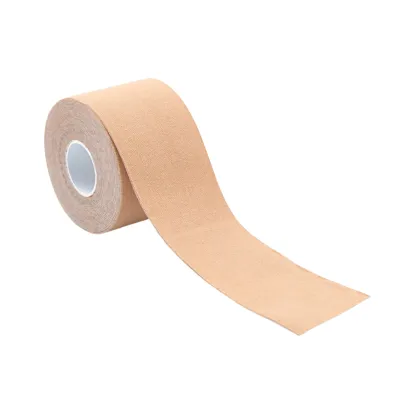
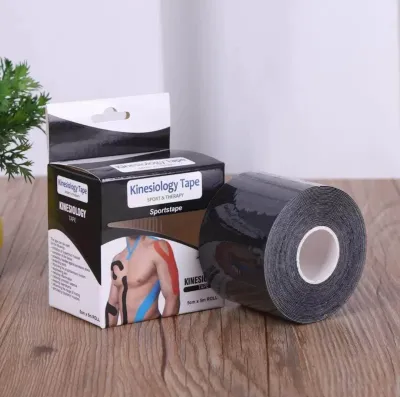
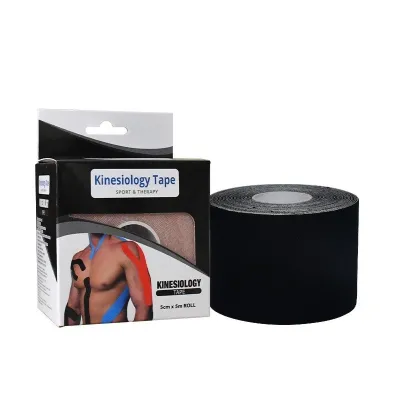
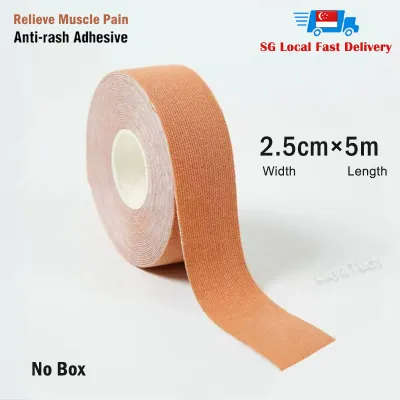
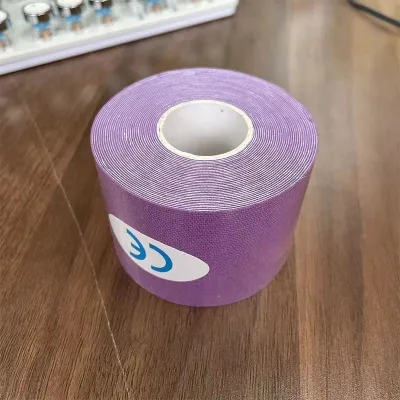
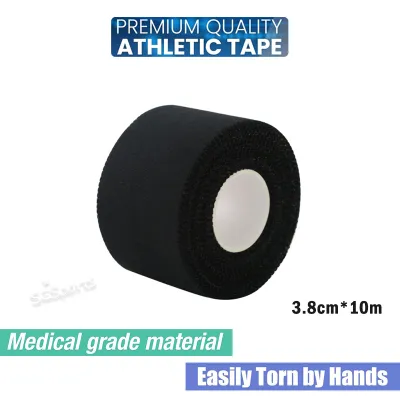
Prices are valid at publication and may change. Please refer to the product page for the latest price.
Kinesiology Tape
Kinesiology tape is a highly elastic, cotton-blend or synthetic tape designed to mimic the natural elasticity of human skin. Unlike traditional athletic tapes, it features a specialized wave-pattern adhesive on the backing that is activated by heat and friction. This unique construction allows the tape to stretch longitudinally—often up to 130% to 140% of its original length—without restricting your natural range of motion.
When applied correctly, kinesiology tape gently lifts the skin, providing subtle sensory feedback to the brain about joint and muscle positioning. This sensory input can help improve movement awareness and accommodate natural muscle function during training or rehabilitation. Because the adhesive is designed for multi-day wear, you should check your skin’s sensitivity to acrylic adhesives and follow the manufacturer’s instructions regarding tension levels and activation techniques to prevent skin irritation.
Rigid Athletic Tape
Rigid athletic tape, often referred to as zinc oxide tape, is a stiff, non-stretch cotton or synthetic weave designed for maximum structural support and joint immobilization. Its primary function is to restrict movement entirely in a specific direction, protecting vulnerable ligaments and joints from extreme ranges of motion that could cause or worsen an injury. This tape uses a strong, pressure-sensitive adhesive that bonds firmly to the skin or an underwrap.
In high-impact sports, rigid tape is commonly applied to joints that experience high stress, such as ankles, wrists, and fingers. By locking the joint into a stable position, it helps absorb external forces and prevents hyperextension or rolling. However, because the tape does not stretch, improper application can easily restrict blood circulation or pinch nerves; therefore, users must follow established taping protocols and perform regular tension and sensation checks.
Cohesive Bandages
Cohesive bandages, also known as self-adherent wraps, are elastic bandages that stick only to themselves rather than to the skin or hair. This unique property is achieved through a textured, latex or latex-free cohesive coating that clings to adjacent layers when wrapped around a limb. Because they do not use traditional adhesives, cohesive bandages are highly reusable, easy to adjust, and completely painless to remove, making them excellent for sensitive skin.
These wraps are primarily used for acute swelling management and soft tissue compression immediately following an injury. While they provide excellent compression and can hold ice packs or wound dressings in place, they do not offer the rigid structural support needed to immobilize a joint. When applying a cohesive bandage, you must continuously monitor the wrap’s tension, as it is easy to accidentally apply too much compression, which can restrict blood flow or compress underlying nerves.
How to Match Sports Tape to Your Specific Need
To select the right sports tape, you need a clear decision-making framework based on your physical condition, activity goals, and the level of support required. If your primary goal is to prevent a weak joint from rolling or hyperextending—such as an ankle during basketball or a wrist during gymnastics—rigid athletic tape is the appropriate choice. Its non-stretch fibers provide the mechanical barrier necessary to keep the joint within safe anatomical limits.

Conversely, if you are recovering from muscle fatigue, seeking to improve movement awareness, or need support through a full range of motion during a run, kinesiology tape is the ideal option. Its elastic properties allow your muscles to move naturally while providing continuous sensory feedback. For sudden, acute injuries where swelling is the main concern, a cohesive bandage should be your go-to tool, as it delivers adjustable compression to help manage fluid buildup without sticking to damaged skin.
It is crucial to remember that sports tape is an adjunct tool and should never replace professional medical diagnosis, physical therapy, or structured athletic training. Relying solely on tape to mask pain or stabilize a severely injured joint without addressing the underlying issue can lead to chronic instability or further tissue damage. If you experience persistent pain, severe swelling, or joint instability, consult a qualified healthcare professional before attempting to self-treat with tape.
Before choosing and applying any tape, run through this quick evaluation checklist:
- Activity Type: Will the movement involve high-impact contact, repetitive endurance motions, or sudden changes of direction?
- Range of Motion: Does the target joint need to be completely immobilized, or does it require a full, unrestricted range of motion?
- Environmental Conditions: Will you be sweating heavily, swimming, or exposing the tape to humid conditions that might compromise adhesive strength?
- Skin Integrity: Do you have sensitive skin, open wounds, or known allergies to adhesives or latex?
Application Basics and Safety Boundaries
Proper application and removal techniques are vital to ensure the tape performs as intended and to protect your skin from damage. Before applying any adhesive tape, ensure the skin is clean, dry, and completely free of oils, lotions, or sweat. Shaving or trimming excess hair in the target area can also significantly improve adhesion and make tape removal much more comfortable.
While wearing sports tape, you must remain vigilant for signs of improper application or adverse reactions. Clear stop conditions that require immediate removal of the tape include numbness, tingling, a cold sensation in your fingers or toes, skin discoloration (such as turning pale or blue), or an increase in localized pain. These symptoms indicate that the tape is wrapped too tightly, restricting blood circulation or compressing nerves, or that your skin is reacting negatively to the adhesive.
When it is time to remove the tape, doing so improperly can cause painful skin tears or irritation. To remove adhesive tapes safely, peel the tape back slowly in the direction of hair growth while pressing down on the skin close to the peeling edge. Never rip the tape off quickly like a bandage. For stubborn adhesive residue or highly sticky tapes, applying a small amount of baby oil, olive oil, or warm soapy water can help break down the adhesive bond, allowing the tape to slide off smoothly without damaging the underlying skin.
Frequently Asked Questions (FAQ)
Can I wear kinesiology tape while swimming or showering?
Yes, many kinesiology tapes are designed to be water-resistant and can withstand swimming, showering, or heavy sweating. However, prolonged exposure to water or harsh chemicals like chlorine can gradually degrade the adhesive bond over time. To maximize the tape’s lifespan after water exposure, gently pat the tape dry with a towel rather than rubbing it, as friction can cause the edges to peel and lift away from the skin.
How long can I safely leave sports tape on my skin?
The safe wear time depends heavily on the type of tape used, your activity level, and your individual skin sensitivity. Rigid athletic tape is typically designed for a single training session or game and should be removed shortly after your activity to prevent skin irritation and circulation issues. Kinesiology tape can often be left on for several days, but you should remove it immediately if you experience itching, redness, blistering, or any signs of skin discomfort, and consult a healthcare professional if irritation persists.
Community discussion
Share your experience or ask a question. Comments are reviewed before publication.