
Finding space for cardio equipment in a typical Singapore HDB flat requires balancing fitness goals with tight spatial realities. A stepping exercise machine offers an excellent compromise, delivering an effective lower-body and cardiovascular workout within a highly compact footprint. To choose the right one, you must evaluate your flat’s layout, storage options, and noise constraints to ensure your workouts do not disrupt your household or your downstairs neighbors.
Measure Your Available Space and Clearance
Before purchasing any fitness equipment, you must determine the exact physical boundaries of its intended workout spot. In a compact HDB flat, every square centimeter of floor space matters, especially in multi-functional rooms like the living room or study. Start by measuring the static footprint of the floor area where you plan to place the machine. Compare these measurements directly against the base dimensions provided by the manufacturer, ensuring there is a clear buffer zone around the unit.
Dynamic clearance is just as critical as the static footprint. When you are actively using a stepping exercise machine, your body moves vertically and horizontally, and your arms may swing outward. If you choose a model with handlebars or resistance bands, you must account for the full range of motion of these components. Measure the vertical distance from your head to the ceiling when standing on the machine at its highest pedal elevation to prevent accidental head injuries, particularly if your flat has low false ceilings or ceiling fans.
Products mentioned in this guide
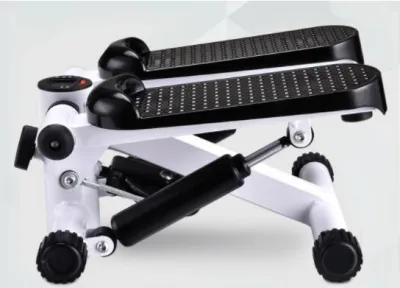
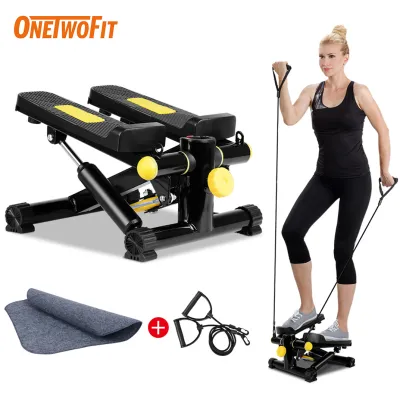
![[✅SG Ready Stock] Portable Stepper Quiet Mini Home Step Machin Mini Stepper With LCD Monitor Portable Fitness Exercise](https://img.lazcdn.com/g/p/a80d1fd90021be830fe347ea9c50d3b0.png_400x400q80.png_.webp)
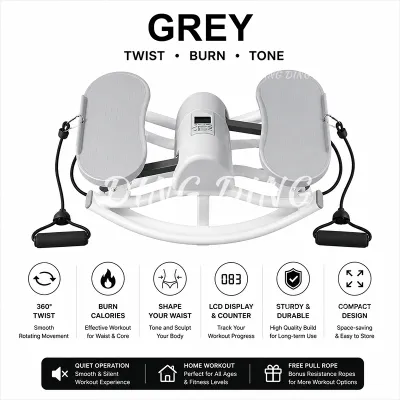
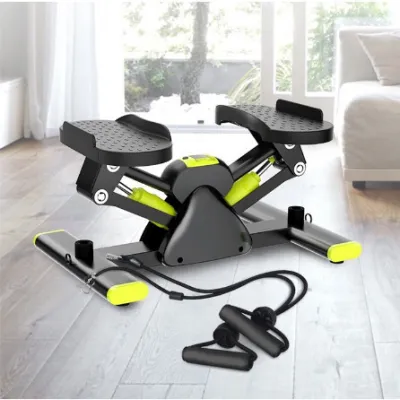

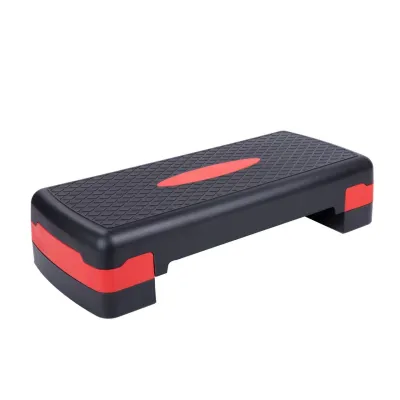
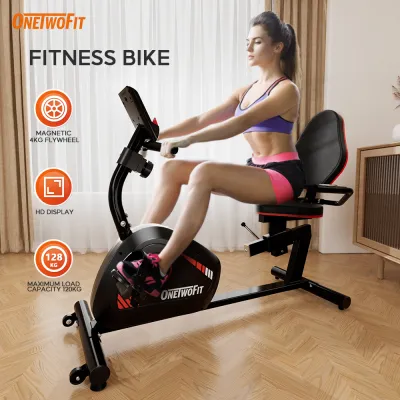
Prices are valid at publication and may change. Please refer to the product page for the latest price.
Finally, you must ensure that the machine does not block daily household traffic or emergency exit routes. Placing a stepper in a narrow hallway or right next to a bedroom door can create a tripping hazard for other family members. A good rule of thumb is to maintain at least 60 centimeters of clear walkway space around the machine during use. This ensures that anyone can move freely through the flat without needing to squeeze past you while you are exercising.
Compare Stepper Types for Compact Living
Stepping exercise machines come in several distinct configurations, each offering a different balance of stability, footprint, and storage convenience. Understanding these differences helps you select a model that aligns with your physical capabilities and the spatial limitations of your home.

Mini steppers are the most popular choice for small flats due to their ultra-compact design. These machines consist of just the base and pedals, taking up minimal floor space and easily sliding under a bed or into a wardrobe when not in use. However, because they lack handlebars, mini steppers require a higher level of core strength and balance. Users must actively engage their stabilizer muscles to maintain equilibrium, which can be challenging for beginners or those with joint issues.
Steppers with integrated handlebars offer a much more stable platform, making them ideal for beginners, seniors, or anyone recovering from an injury. The handlebars provide a secure grip, reducing the risk of falls and allowing you to focus entirely on the stepping motion. The trade-off is a significantly larger static footprint and increased height, which makes these machines much harder to conceal in a small living space. They typically remain a permanent fixture in the room, so you must be certain you have the dedicated space to spare.
Foldable stepping machines attempt to bridge the gap by offering the stability of handlebars alongside the convenience of compact storage. These models feature frames that fold down flat or upright, allowing you to tuck them away after your workout. When evaluating foldable designs, always check the actual folded dimensions and verify how easy the folding mechanism is to operate. A machine that requires complex disassembly or heavy lifting may end up left unfolded permanently, defeating the purpose of its space-saving design.
Evaluate Noise, Vibration, and Floor Protection
Living in an HDB flat means sharing walls, floors, and ceilings with neighbors, making acoustic control a top priority for home workouts. The repetitive motion of a stepping machine can generate both airborne noise and structural vibrations that travel easily through concrete floors.
First, examine the drive system of the stepping machine. Most compact steppers utilize hydraulic cylinders to provide resistance. While hydraulic systems are generally quieter than magnetic flywheels or chain drives, they can still produce a low-frequency humming or hissing sound as the fluid warms up. Over time, friction in the pivot joints can lead to squeaking. You can manage this by checking the manufacturer’s maintenance instructions and regularly applying a suitable lubricant to the moving joints.
Structural vibration is often a bigger issue for downstairs neighbors than the sound of the machine itself. Every step you take transfers kinetic energy down through the frame of the machine and into the floor. This impact can manifest as a dull, repetitive thudding sound in the flat below. To minimize this, look for machines with rubber-capped feet that help absorb initial impacts, and avoid stomping heavily on the pedals during high-intensity sessions.
To fully protect your relationship with your neighbors and safeguard your flooring, you should always place a high-density anti-vibration mat underneath the machine. A specialized equipment mat, typically made of dense PVC or rubber, serves three vital functions: it dampens structural noise, absorbs the shock of your steps, and prevents the machine from sliding across the floor. This simple addition ensures a much quieter workout environment for everyone in your household and building.
Check Weight Capacity and Stability Trade-offs
When manufacturers design fitness equipment to be compact and lightweight, they often have to make structural compromises. It is crucial to ensure that a space-saving design does not compromise your safety or the machine’s long-term durability.
Always verify the manufacturer’s stated maximum weight capacity before making a purchase. This limit is a critical safety specification, not a suggestion. To ensure safe operation, compare your body weight against this limit and include a dynamic safety margin of at least 10 to 15 percent. When you step vigorously, you exert more force on the frame than your static body weight, and a machine operating near its absolute limit will wear out much faster and feel less stable.
The stability of a stepping machine is largely determined by its base width and frame material. Lightweight plastic frames are easy to move but are highly prone to wobbling or tipping if you shift your weight too far to one side. Heavy-duty steel frames offer superior stability and a more secure feel, but they are heavier to transport. Inspect the base design to ensure it features wide, non-slip stabilizer bars that distribute weight evenly across the floor.
Pedal design is another key safety factor to evaluate. Look for wide pedals with a deeply textured, non-slip surface to prevent your shoes from sliding off during sweaty workouts. Some models also feature raised edges or adjustable foot straps that lock your feet securely in place. These features are especially important on mini steppers, where you do not have handlebars to grab onto if your foot slips.
Plan for Storage and Daily Movement
If you do not have a dedicated workout room, your stepping machine will need to be moved and stored regularly to keep your living area tidy and unobstructed. Planning for this daily transition before you buy will save you significant frustration later.
Start by checking the net weight of the machine. A stepper that weighs over 15 kilograms can be difficult to lift and carry repeatedly, especially after an exhausting workout. Look for models equipped with built-in transport wheels or ergonomic carry handles. These features allow you to tilt the machine and roll it effortlessly across the floor, minimizing strain on your back and preventing accidental drops.
If you plan to store the machine horizontally, such as under a bed or a sofa, measure the vertical clearance of these furniture pieces. Many mini steppers are low enough to slide under standard bed frames, but models with prominent hydraulic cylinders or adjustment knobs may require more clearance than you expect. Ensure the storage spot is dry and free of dust to protect the machine’s mechanical parts from premature wear.
For vertical storage against a wall or inside a wardrobe, safety must be your primary concern. A heavy piece of equipment leaning loosely against a wall can easily be knocked over by children, pets, or accidental bumps, leading to injuries or property damage. If you choose to store your machine vertically, ensure it is designed to stand securely on its end, or use a dedicated strap or wall anchor to lock it safely in place.
Frequently Asked Questions (FAQ)
Do mini steppers provide an effective cardio workout?
Yes, mini steppers can provide a highly effective cardiovascular workout when used consistently. They engage major lower-body muscle groups, including your glutes, calves, and quadriceps, which naturally elevates your heart rate and burns calories. To maximize the cardiovascular benefits, look for models with adjustable hydraulic resistance, allowing you to increase the intensity as your fitness level improves. Incorporating resistance bands can also engage your upper body, turning your session into a full-body workout.
Can I place the stepping machine directly on vinyl or laminate flooring?
It is highly discouraged to place a stepping machine directly on vinyl, laminate, or parquet flooring. The concentrated weight of the machine, combined with the dynamic friction and vibration of your workout, can cause the rubber or plastic feet to leave permanent indentations, scuffs, or dark stains on your floor finish. Additionally, hydraulic cylinders can occasionally leak small amounts of oil, which can ruin sensitive flooring materials. Always use a high-density protective equipment mat to safeguard your floors and keep the machine stable.
Community discussion
Share your experience or ask a question. Comments are reviewed before publication.