
A stretch pole is a highly effective tool for improving thoracic mobility, correcting posture, and relieving daily muscle tension. Choosing the right model requires balancing your personal flexibility goals with the physical realities of your living space. In Singapore, where space in Housing & Development Board (HDB) flats is often at a premium, selecting a model that fits both your body size and your storage constraints is essential.
By understanding the mechanical differences between various types of stretch poles and verifying key safety specifications, you can make an informed choice that enhances your wellness routine safely and effectively. This guide outlines the core criteria for selecting the ideal stretch pole, ensuring it supports your body and fits seamlessly into your home.
Understanding Stretch Pole Types and Their Flexibility Benefits
To choose the right stretch pole, you must first understand the distinct categories available on the market. These tools generally fall into three main designs, each offering unique physical benefits and mechanical actions.
Products mentioned in this guide
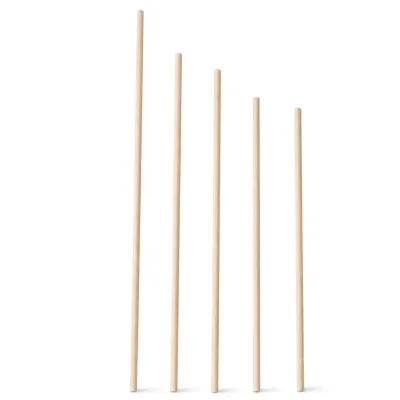


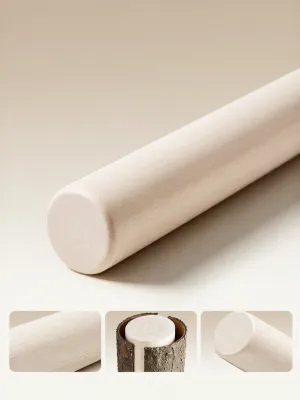
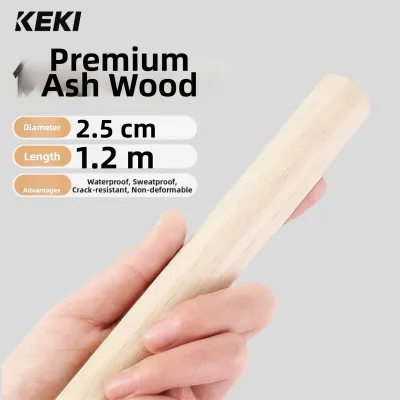
Prices are valid at publication and may change. Please refer to the product page for the latest price.
Foam Half-Cylinders
Foam half-cylinders feature one flat side and one rounded side. This design sits flush against the floor, providing a highly stable platform that does not roll. It is an exceptional choice for beginners, individuals with balance concerns, or those recovering from minor muscle stiffness. The primary mechanical action of a half-cylinder is to provide gentle, passive thoracic extension and chest opening. Because it remains stationary, you can lie along its length to slowly stretch the pectoral muscles and realign the spine without the added challenge of stabilizing your core.
Full-Round Foam Poles
Full-round foam poles are completely cylindrical. They require active balance and core engagement to stay centered. Lying longitudinally on a full-round pole allows your shoulder blades to wrap around the cylinder, facilitating deep myofascial release and spinal mobilization. The rolling motion can be used to target specific trigger points along the back, glutes, and IT bands. This type is best suited for individuals with moderate mobility who want a dynamic tool for both passive stretching and active self-massage.
Tension-Based and Pilates Stretch Poles
Tension-based or spring-loaded Pilates stretch poles are dynamic, active resistance tools rather than simple resting supports. These poles often feature internal spring mechanisms, adjustable resistance bands, or weighted cores. Instead of lying on them, you hold or press against them to perform active-isolated stretching and core stabilization exercises. They are designed to build functional strength at the end-range of your joint motion, making them ideal for intermediate to advanced fitness enthusiasts who want to combine flexibility training with low-impact resistance work.
Space-Saving Considerations for HDB and Compact Homes
Exercising in a compact apartment or HDB flat requires careful spatial planning. Before purchasing any fitness equipment, you must evaluate where you will use it and how you will store it when it is not in use.

Floor Footprint and Clearance
A standard full-length stretch pole measures between 90 and 98 centimeters in length. To use this safely, you need a clear floor area of at least 2 meters by 2 meters. This clearance allows you to lie fully extended on the pole and perform wide arm sweeps—often called “snow angels”—or lateral leg stretches without striking walls, built-in wardrobes, or low-lying furniture. If you are using a tension-based pole that extends your reach, verify that your overhead clearance is free from low-hanging ceiling fans or light fixtures, which are common hazards in Singapore homes.
Storage Solutions
When not in use, a 90-centimeter pole can easily become a tripping hazard in a small room. Look for designs that support vertical standing storage, which allows the pole to tuck neatly into a closet corner or behind a door. Some modern tension-based poles feature modular, disassemblable designs that unscrew into two or three shorter segments, making them easy to store in a shallow drawer or a storage bench. Alternatively, standard foam poles can be slid horizontally under a bed frame or couch, provided you have at least 15 centimeters of vertical clearance.
Floor Surface Compatibility
Many Singapore homes feature smooth ceramic tiles, polished marble, or vinyl flooring. A rolling stretch pole can easily slip on these slick surfaces during dynamic movements, which compromises your safety. Before purchasing, check if the equipment features a non-slip exterior texture or rubberized end caps. If you choose a standard high-density foam pole, plan to use it on top of a high-grip natural rubber yoga mat rather than directly on the bare floor to prevent sliding.
Key Specifications and Safety Features to Verify Before Purchase
To ensure your stretch pole is durable, comfortable, and safe to use, you must inspect its physical specifications and verify that they align with your body type and training intensity.
Material Density and Composition
For foam-based poles, the density of the material determines both the comfort level and the lifespan of the product.
- EVA (Ethylene-Vinyl Acetate) Foam: This material is highly durable, retains its shape over years of use, and offers a slightly cushioned, yielding texture. It is the industry standard for restorative stretching and posture correction because it supports the spine comfortably without causing bruising.
- EPP (Expanded Polypropylene) Foam: This is a much firmer, lightweight material. While it is excellent for deep tissue myofascial release, it can feel uncomfortably hard for beginners or those with sensitive spines.
- Internal Core Reinforcement: For hollow-core foam poles or tension-based models, verify that the inner wall is reinforced with high-impact ABS plastic, fiberglass, or lightweight aluminum to prevent the pole from flexing or collapsing under your body weight.
Weight Capacity and Load Limits
Never rely on generic marketing claims of “high durability.” Always locate the manufacturer’s official specifications label to verify the maximum weight capacity. Standard high-quality foam poles typically support weights up to 100 to 120 kilograms. If you are purchasing a tension-based or spring-loaded pole, check both the static weight limit and the maximum dynamic tension capacity (often rated in kilograms of resistance) to ensure the internal springs or bands will not snap during high-force movements.
Surface Texture and Grip
Sweat can quickly make a stretch pole slippery, increasing the risk of rolling off off-center. Look for poles with textured surfaces, such as hexagonal patterns, ribbed lines, or a brushed matte finish. If you prefer a softer feel, some premium brands offer poles wrapped in moisture-wicking fabric covers. Ensure these covers are removable and machine-washable to maintain hygiene in warm climates.
Matching Equipment Features to Your Specific Training Goals
Your physical proportions and specific flexibility targets should directly dictate the dimensions and features of the stretch pole you buy.
Thoracic Spine and Posture Correction
If your primary goal is to counteract the slouching associated with desk work, you need a pole that supports your entire spine. Measure the distance from the top of your head to your tailbone. For most adults, a pole length of 90 to 95 centimeters is required to ensure both the head and the sacrum are fully supported. Lying on a pole that is too short leaves the neck or lower back hanging without support, which can cause acute muscle strain. The standard diameter for these poles is 15 centimeters; however, if you have a highly rigid spine or suffer from severe forward-head posture, a smaller diameter of 10 to 12 centimeters (or a half-cylinder) will offer a gentler, safer chest opening.
Shoulder and Chest Opening
To effectively stretch the pectoralis major and minor, your shoulders must be able to drape completely over the sides of the pole. A full-round cylinder with a 15-centimeter height provides the necessary elevation from the floor to allow gravity to pull your shoulders backward. Ensure the material is supportive enough that your shoulder blades do not sink completely to the floor, which would negate the stretch.
Lower Body and Lateral Chain Mobility
For targeting the hamstrings, hip flexors, and lateral trunk muscles, an adjustable tension-based pole offers greater versatility. These poles can be held overhead or behind the back to align the shoulders while performing lateral lunges, standing side bends, or seated twists. When selecting a pole for these dynamic movements, match the pole’s length to your arm span to ensure you can maintain a wide, comfortable grip during overhead rotations.
Frequently Asked Questions (FAQ)
Can a stretch pole replace professional physiotherapy for back pain?
No, a stretch pole is a wellness and mobility tool designed for general flexibility and posture maintenance; it is not a medical device. If you are experiencing acute, chronic, or undiagnosed back pain, do not attempt to self-treat with a stretch pole. Using a firm roller or performing deep thoracic extension during an active inflammatory phase or in the presence of a herniated disc can worsen your condition. Always consult a qualified physiotherapist or medical professional for a proper diagnosis and a targeted rehabilitation plan before incorporating any new stretching equipment into your routine.
How do I clean and maintain a foam stretch pole in a humid climate?
In humid tropical environments, sweat and ambient moisture can accumulate on foam surfaces, leading to bacterial growth, odors, and material degradation. To maintain your pole, wipe it down immediately after every use with a soft cloth dampened with water and a mild, non-abrasive soap. Avoid using harsh chemical solvents, alcohol-based wipes, or bleach, as these substances can break down the cellular structure of EVA or EPP foam, causing it to harden, crack, or lose its elasticity. Always allow the pole to air-dry completely in a shaded, well-ventilated indoor area. Store it away from direct sunlight, as prolonged UV exposure will degrade the foam and cause synthetic materials to warp or become brittle.
Community discussion
Share your experience or ask a question. Comments are reviewed before publication.