
Selecting the right inline skates requires a careful evaluation of your physical coordination, balance, and the specific environments where you intend to skate. The SupeeGlide lineup offers a diverse range of models, each engineered with distinct boot structures, wheel diameters, and frame rigidities tailored to specific skill levels. Matching these technical specifications to your personal experience level is essential to ensure safety, prevent injury, and avoid the frustration of using equipment that is either too unstable or too restrictive for your needs.
In Singapore, where skaters transition between smooth park connector networks, crowded urban pavements, and specialized skate parks, your choice of model must also account for local terrain and climate conditions. A beginner attempting to learn on high-speed, large-wheel fitness skates may struggle with balance and braking, while an advanced skater will find basic entry-level models lacking in responsiveness and durability. By understanding how different SupeeGlide configurations align with beginner, intermediate, and advanced requirements, you can make an informed investment that supports your progression.
Assess Your Skating Profile: Skill Level and Environment
Identifying your current skill level is the first step in narrowing down the ideal skate model. Beginners are typically individuals who are still mastering basic balance, learning how to execute forward strides smoothly, and relying heavily on mechanical braking systems to come to a complete stop. At this stage, your leg muscles and ankles are still adapting to the lateral forces of inline skating, making stability and predictable speeds your highest priorities.
Products mentioned in this guide
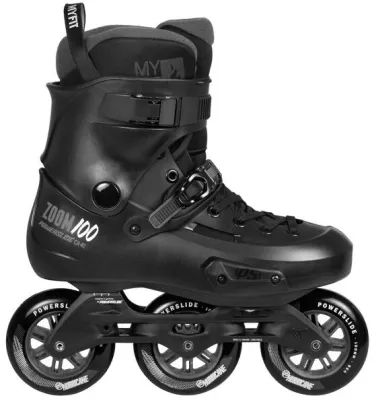
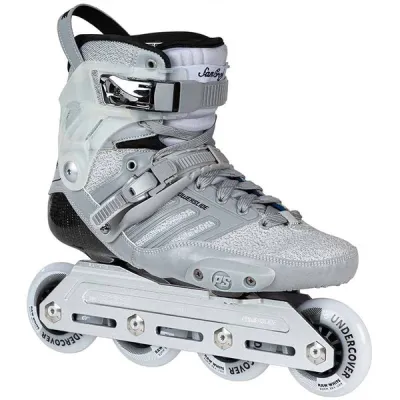
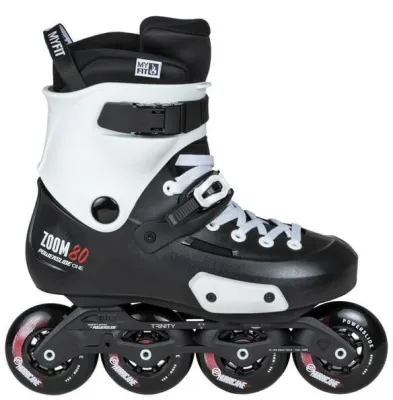
Prices are valid at publication and may change. Please refer to the product page for the latest price.
Intermediate skaters possess a higher degree of core stability and confidence, allowing them to maintain a steady cruising speed and navigate mild inclines or gentle curves. If you can comfortably perform basic parallel turns, execute alternative stopping methods like the plow stop, and skate continuously for several kilometers, you fall into this category. Intermediate riders require equipment that offers a balance of enhanced speed and maneuverability to support longer fitness sessions.
Advanced skaters are highly proficient riders who can navigate complex urban environments, handle high-speed descents, and execute technical maneuvers or tricks. If you are comfortable skating backward, jumping over obstacles, and performing rapid slide stops under pressure, you require specialized, high-performance equipment. These skaters need maximum structural rigidity, instantaneous power transfer, and highly durable components to withstand extreme physical forces.
Your primary skating environment plays an equally critical role in determining the correct skate configuration. Singapore’s extensive Park Connector Network (PCN) offers long, flat, and relatively smooth paved paths that are ideal for fitness and recreational skating. For these long-distance scenic routes, skates with larger wheels and longer wheelbases are highly beneficial because they maintain momentum efficiently and glide smoothly over minor surface vibrations.
Conversely, urban street skating involves navigating rougher concrete pavements, tactile tiles near bus stops, pedestrian crossings, and tight corners. This unpredictable environment demands highly agile skates with shorter frames and rigid boots that allow for rapid directional changes and sudden stops. Skate parks, with their ramps, bowls, and metal rails, represent another distinct environment that requires specialized aggressive skates designed exclusively for high-impact landings and grinding.
Attempting to use a single type of skate across all of these diverse settings can lead to poor performance and increased safety risks. For example, using a heavy, slow-rolling aggressive skate on a long-distance fitness trail will cause rapid physical fatigue and joint strain. Conversely, taking a soft-boot fitness skate into a high-impact skate park environment can result in structural failure of the equipment and severe personal injury.
SupeeGlide Features for Beginners: Stability and Comfort
For those starting their skating journey, the primary design focus of a SupeeGlide model must be comfort, stability, and intuitive control. Beginner models achieve this balance by utilizing soft boot construction, which incorporates breathable, heavily padded textile liners reinforced by a lightweight external plastic frame. This design conforms easily to the unique contours of your foot, reducing the risk of painful friction points and blisters during extended practice sessions.

While the lower portion of the boot provides flexible comfort, a supportive upper cuff is critical to prevent your ankles from rolling inward or outward. Beginners often lack the ankle strength required to keep their feet perfectly vertical over the skate frames, which can lead to rapid muscle fatigue and joint strain. A rigid, high-cut plastic cuff equipped with a secure buckle system provides the lateral stability needed to maintain proper alignment and build confidence.
Wheel size is another defining feature of beginner-friendly SupeeGlide skates, typically ranging from 70mm to 80mm in diameter. Smaller wheels keep your feet positioned closer to the ground, which lowers your overall center of gravity and significantly improves lateral balance. Additionally, smaller wheels accelerate more slowly and have a lower top speed, preventing the skates from rolling away from you unexpectedly when practicing basic strides.
The hardness of the wheels, measured on the durometer scale, should also be verified when selecting an entry-level model. Beginners should look for wheels with a moderate hardness rating, typically between 80A and 82A, which offer a resilient grip on outdoor asphalt and concrete. This grip helps prevent the skates from slipping sideways during lateral pushes, providing a predictable and secure contact patch with the ground.
A pre-installed heel brake is a mandatory safety feature for any beginner inline skate. This mechanical braking system allows you to decelerate safely by simply sliding the braking skate forward and lifting the toe, which presses the rubber brake pad against the pavement. This motion utilizes your body weight to generate stopping friction, requiring far less balance and coordination than advanced sliding techniques.
When evaluating SupeeGlide’s entry-level lineup, look for models that combine these specific features: a soft boot with a supportive plastic cuff, a four-wheel frame housing 70mm to 80mm wheels, and a pre-installed heel brake. Prioritizing these specifications ensures a safer, more comfortable learning curve, allowing you to focus on mastering fundamental balance and stride mechanics without fighting your equipment.
Intermediate SupeeGlide Options: Speed and Control
As you transition from a beginner to an intermediate skater, your equipment needs will shift toward higher rolling efficiency and greater steering responsiveness. Intermediate SupeeGlide models are designed to help you cover longer distances with less effort, making them ideal for regular fitness workouts along coastal paths or park connectors. The most noticeable upgrade in this category is the transition to larger wheel sizes, typically ranging from 80mm to 90mm.
Larger wheels possess a greater circumference, which allows them to roll further with each individual stride and maintain momentum far more efficiently than smaller wheels. They also glide over small pebbles, pavement cracks, and textured surfaces with significantly less resistance, resulting in a smoother and more comfortable ride. However, because larger wheels raise your center of gravity, they require greater ankle strength and balance to control effectively.
To handle the increased speed and forces associated with larger wheels, intermediate skates feature stiffer boot constructions. Many models utilize a hybrid design that combines the comfort of a soft boot with reinforced structural plates, while others transition to a hard-shell boot. This increased stiffness minimizes lateral flexing when you push off, ensuring that the physical energy from your legs is transferred directly to the frame and wheels for faster acceleration.
The frame material also upgrades from the flexible composite plastics found on beginner models to rigid, lightweight aluminum alloys. Aluminum frames are highly resistant to bending under load, which improves tracking stability at higher speeds and provides more precise steering feedback. This rigidity is essential for executing clean parallel turns and maintaining control when navigating crowded pathways.
Bearings are another critical component to verify on intermediate models, as they directly influence how smoothly your wheels spin. Intermediate skates typically feature higher-rated bearings, such as SG7 or SG9, which are manufactured to tighter tolerances to minimize internal friction. This allows for an effortless, sustained glide, reducing the physical exertion required to maintain a steady cruising speed during long-distance sessions.
When shopping for an intermediate SupeeGlide skate, you will also need to choose between traditional four-wheel configurations and modern three-wheel (triskate) setups. A four-wheel setup (such as 4x80mm or 4x84mm) offers a long, stable wheelbase that is highly predictable and excellent for straight-line fitness skating. A three-wheel setup (such as 3x90mm) allows you to enjoy the speed benefits of larger wheels while keeping the overall frame length short, preserving agility and maneuverability.
Before finalizing your purchase, always verify the frame compatibility of your chosen model if you plan to upgrade your wheels in the future. Many intermediate frames have a maximum wheel size limit clearly printed on the side or detailed in the manufacturer’s specifications. Selecting a frame that can accommodate slightly larger wheels (for example, a frame shipped with 80mm wheels that can accept up to 84mm) provides valuable flexibility as your skills continue to advance.
Advanced SupeeGlide Skates: Urban and Aggressive Performance
Advanced skating demands highly specialized equipment engineered to withstand extreme physical forces, high-impact landings, and rapid, high-speed maneuvers. Advanced SupeeGlide models are generally split into two distinct categories: urban freeskates and aggressive skates. Urban freeskates are designed for high-speed commuting and navigating street obstacles, featuring a thick, molded plastic or carbon-fiber hard-shell boot that offers maximum impact protection and structural rigidity.
The full hard-shell construction of an urban skate provides unmatched lateral support, which is essential for executing sharp, high-speed turns and handling the stresses of jumping over curbs or gaps. Inside the hard shell, a removable, heat-moldable foam liner conforms closely to your foot over time, ensuring a highly customized fit that eliminates any internal foot movement. This direct contact between your foot, the boot, and the rigid aluminum frame results in instantaneous power transfer and precise control.
Aggressive skates, on the other hand, are highly specialized tools built exclusively for skate parks, half-pipes, and street grinding. These skates feature heavily reinforced, thick plastic boots designed to absorb massive shocks from high-altitude landings. The most defining feature of an aggressive skate is the wide plastic sole plate attached to the bottom of the boot, which provides a stable platform for sliding along rails and concrete ledges.
The frames of aggressive skates are constructed from thick, impact-resistant composite materials and feature a deep central recess known as an H-block. This H-block is specifically designed to lock onto grinding surfaces, allowing the skater to slide smoothly without the wheels making contact with the rail or ledge. Aggressive skates also utilize very small, flat-profile wheels, typically between 55mm and 60mm in diameter, with an extremely hard durometer rating of 88A to 92A.
These small, hard wheels keep the skater’s center of gravity incredibly low, providing maximum stability when landing jumps and preventing the wheels from gripping surfaces during grinds, a dangerous phenomenon known as wheelbite. However, because of their small size and high hardness, aggressive wheels roll slowly and transmit significant road vibration, making them highly unsuitable for long-distance cruising or fitness skating.
It is important to note that advanced urban and aggressive models typically lack heel brakes entirely. A protruding heel brake would interfere with advanced maneuvers, such as tight crossovers, jumps, and grinding on rails. Consequently, advanced skaters must be fully proficient in alternative, high-energy stopping techniques—such as T-stops, powerslides, and hockey stops—before operating these high-performance skates in public spaces.
Specialized advanced gear is designed to push performance limits, but it cannot replace proper training, progressive skill development, and sound personal judgment. High-speed urban skating and aggressive park riding carry inherent physical risks, and attempting maneuvers beyond your current capability can result in severe injury. Always verify specific model availability, safety warnings, and intended usage guidelines provided by SupeeGlide before attempting advanced tricks or high-speed descents.
Verifying Fit, Safety Gear, and Retailer Support in Singapore
Securing the correct SupeeGlide model and size requires a precise fit check to ensure control and prevent painful foot conditions. When trying on inline skates, always wear the technical socks you plan to use while skating, and ensure the boot is laced and buckled securely. Stand upright with your knees straight; your toes should gently brush the very front of the inner liner without being bent or cramped.
Next, sink into a standard skating stance by bending your knees forward and pushing your shins against the tongues of the boots. In this position, your heel should lock firmly into the pocket at the back of the skate, and your toes should pull back slightly from the front, leaving a tiny, comfortable gap. If your heel lifts or slides upward when you bend your knees or walk, the skate is too large, which will lead to severe friction blisters and a significant loss of steering control.
Regardless of your skill level, high-quality protective gear is a mandatory requirement for every skating session. A complete safety set consists of a certified helmet, heavy-duty knee pads, elbow pads, and rigid wrist guards. In Singapore, ensure your helmet carries recognized safety certifications, such as EN 1078 or CPSC, which guarantee the helmet can absorb high-velocity impacts. Wrist guards are particularly critical for inline skaters, as falling forward on outstretched hands is the most common cause of wrist fractures and sprains.
Singapore’s tropical climate, characterized by high humidity and warm temperatures, requires specific care and storage practices for your inline skates. Prolonged exposure to high humidity can accelerate the degradation of polyurethane wheels, weaken adhesives, and cause metal bearings to rust if they are not dried properly. Always store your skates in a cool, dry, and well-ventilated indoor space, and avoid leaving them in damp gear bags, damp balconies, or the hot trunk of a car.
To ensure you purchase genuine SupeeGlide products and receive accurate sizing advice, always visit authorized sports retailers or official brand stores in Singapore. These physical stores allow you to try on multiple sizes and models, receive professional fitting assistance, and access genuine replacement parts like buckles, straps, and brake pads. Furthermore, authorized retailers provide official manufacturer warranties and clear return policies, protecting your investment against structural defects.
We strongly advise against purchasing inline skates from unverified online marketplaces or unauthorized third-party sellers. While these platforms may offer lower prices, they often sell counterfeit goods, older models with degraded plastics, or skates that lack proper safety certifications. Purchasing from unauthorized sources also means you will not have access to local warranty support, professional assembly checks, or replacement parts, leaving you with no recourse if a component fails prematurely.
Frequently Asked Questions (FAQ)
Can I upgrade the wheels and bearings on entry-level SupeeGlide skates?
Yes, wheels and bearings on entry-level SupeeGlide skates are generally standardized and can be upgraded to improve speed, grip, or durability as your skills progress. However, before purchasing new wheels, you must check the maximum wheel size limit printed directly on the skate frame or detailed in the manufacturer’s user manual. Installing wheels that exceed this maximum limit will cause the wheels to rub against the underside of the boot or frame, resulting in wheelbite, which can lock the wheels completely and cause a sudden fall.
How often should I rotate the wheels on my inline skates?
The frequency of wheel rotation depends on your skating frequency, body weight, and the abrasiveness of the surfaces you skate on, but a general rule is to rotate them as soon as you notice uneven wear or a visible bevel forming on the inner edges of the wheels. Because skaters naturally push off using the inside edges of their wheels, the inner sides wear down much faster than the outer sides. Utilizing a standard cross-rotation pattern—where you swap the position of the wheels (such as swapping wheels 1 and 3, and wheels 2 and 4, while flipping them so the worn inner edge faces outward)—ensures even wear and significantly extends the lifespan of your wheels.
Community discussion
Share your experience or ask a question. Comments are reviewed before publication.