
Selecting the right swim noodle requires matching its density to your buoyancy needs and its diameter to your grip and stability requirements. By understanding how these core specifications translate to real-world performance, you can choose a noodle that effectively supports your specific swimming, fitness, or rehabilitation goals. Whether you are training in a local condominium pool or undergoing water therapy, the physical properties of the foam determine how much support and resistance you will experience.
How to Read Density and Firmness for Proper Buoyancy
Foam density directly translates to firmness and weight capacity during use. High-density foam contains more material packed into the same volume, resulting in a stiffer structure that resists compression under weight. Low-density foam feels softer to the touch and compresses more easily, which offers a gentler feel but provides less upward force when fully submerged.
When shopping, check the manufacturer’s product descriptions or labels for firmness ratings, density indicators, or weight recommendations. Some brands categorize their noodles by foam type, such as polyethylene or specialty closed-cell foams, which naturally carry different density profiles.
Products mentioned in this guide
![[SG Stock] Swim Noodle Float 150CM Kid Learn Swimming Pool Aid Water Foam Stick Buoy For Children Adult Tread Water](https://img.lazcdn.com/g/p/c557cf1722ff97da0e8314841b1debdb.jpg_400x400q80.jpg_.webp)
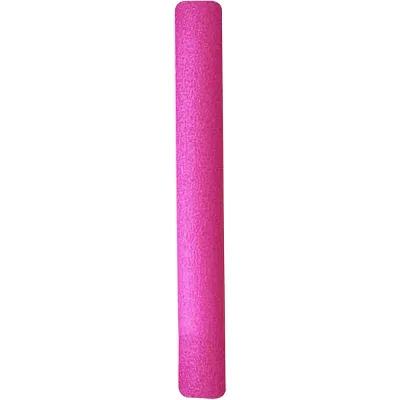
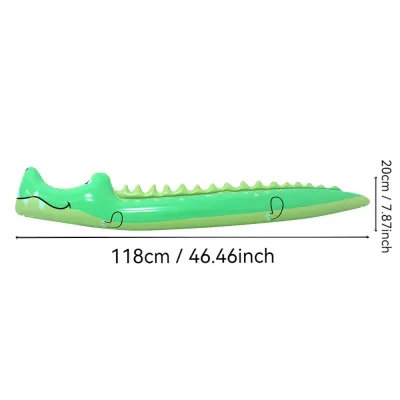
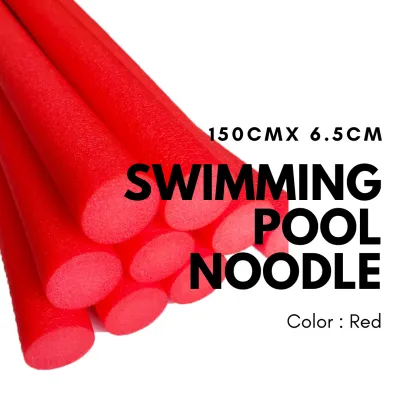
Prices are valid at publication and may change. Please refer to the product page for the latest price.
Firmer, high-density noodles are excellent for active lap swimming support, where you need reliable flotation that keeps your hips high in the water without bending excessively. Conversely, softer, lower-density options are better suited for gentle rehabilitation or beginner flotation, where comfort against the skin and flexibility are more important than maximum weight support.
Choosing the Right Diameter for Grip and Stability
A swim noodle’s diameter determines its surface area and overall water displacement, which directly affects both buoyancy and how easy it is to hold. A wider diameter displaces more water, creating greater upward buoyant force and higher resistance when pushed beneath the surface. However, a noodle that is too wide can be difficult to grip securely, leading to hand fatigue during longer pool sessions.

Evaluate your grip comfort based on your planned exercises. If you intend to hold the noodle with a full hand grip for kick drills, a moderate diameter that allows your fingers to wrap comfortably around the foam is ideal. For water walking or passive floating where you rest your arms over the noodle, a larger diameter provides a more stable, supportive platform.
Always verify the physical dimensions in the product specifications rather than relying on generic size names like “jumbo” or “standard.” Manufacturers do not use standardized sizing, so checking the actual measurement in centimeters or inches ensures you get the exact thickness needed for your hand size and stability requirements.
Matching Noodle Specs to Your Specific Water Activities
To get the most out of your pool sessions, pair the density and diameter of the noodle with your specific aquatic goals.
For lap swimming and kickboard alternatives, prioritize streamlined, firmer options. A high-density noodle with a smaller diameter provides sufficient buoyancy to keep your body aligned while minimizing drag as you move through the water. This setup allows you to focus on your kick technique without fighting a bulky piece of foam.
For fitness training and water aerobics, look for a balance between grip diameter and resistance. A medium-to-large diameter noodle with moderate firmness offers enough surface area to create drag during underwater pushing and pulling movements. This resistance is key to building upper body strength in the water, but the diameter must still allow for a secure, non-slip grip during vigorous movements.
For rehabilitation and therapy, focus on softer, comfortable densities. A low-density, highly flexible noodle provides gentle support that conforms easily to the body, such as under the knees or behind the back. This minimizes pressure points and joint strain, allowing you to focus on mobility and gentle stretching exercises without discomfort.
Evaluating Core Materials and Ignoring Irrelevant Specs
The internal structure of a swim noodle plays a significant role in its durability and performance. Solid foam cores offer consistent buoyancy and maintain their shape over long periods of use, making them highly durable. Hollow-center noodles are more flexible and lightweight, but they tend to bend permanently or degrade faster under heavy compression.
If you swim in outdoor pools or heavily treated water, check the product labels for chlorine-safe or UV-resistant properties. These treatments help prevent the foam from crumbling, fading, or becoming sticky over time due to sun and chemical exposure.
When making your decision, ignore non-performance features such as bright color variations, glitter, or printed patterns. While these aesthetic details might look appealing, they do not impact the noodle’s buoyancy, grip, or structural integrity. Focus your budget on high-quality foam construction rather than cosmetic additions.
Frequently Asked Questions (FAQ)
Can I use a hollow swim noodle for heavy support during lap swimming?
Hollow swim noodles are generally less suitable for heavy support because they compress more easily and bend under significant weight. The hollow center reduces the overall amount of foam material, which lowers the noodle’s buoyancy and structural rigidity. For lap swimming where you need consistent, firm support to maintain proper body alignment, a solid foam noodle is a more reliable choice. Always check the manufacturer’s weight limits and intended use guidelines to ensure the noodle can safely support your body weight in the water.
How do I clean and store my swim noodle to prevent degradation?
To extend the lifespan of your swim noodle, rinse it thoroughly with fresh tap water after every pool session to remove chlorine, salt, and other pool chemicals. Allow the noodle to air dry completely in a shaded area, as leaving wet foam in direct sunlight can accelerate UV degradation and cause the material to become brittle. Store the noodle flat or hang it up using a dedicated pool organizer to prevent permanent bending, creasing, or warping from resting against heavy objects.
Community discussion
Share your experience or ask a question. Comments are reviewed before publication.