
Quick Answer: Matching Swim Rings to Users and Scenarios
Selecting the ideal swim ring requires matching the user’s age, physical size, and the specific water environment. For infants and toddlers, seat-style rings with dual inflation chambers offer the necessary physical support. Children transition to standard circular rings sized precisely to their chest width, while adults require heavy-duty, wider tubes designed for higher weight capacities and stability.
The environment also dictates the material and design. Calm swimming pools allow for lighter, highly maneuverable rings with smooth seams. Conversely, open water environments like beaches demand thick, puncture-resistant materials, high-visibility colors, and sturdy grab handles to manage waves and currents.
It is critical to understand that recreational swim rings are not certified life-saving devices. They do not replace personal flotation devices (PFDs) or life jackets, and they require constant, active adult supervision at all times, regardless of the user’s age or swimming ability.
Products mentioned in this guide
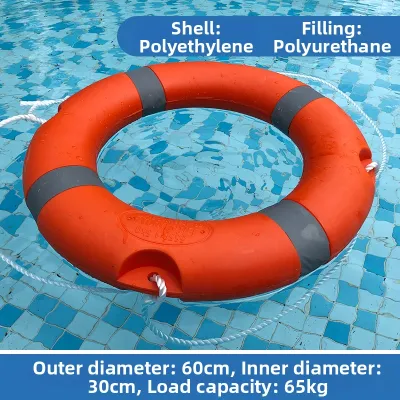
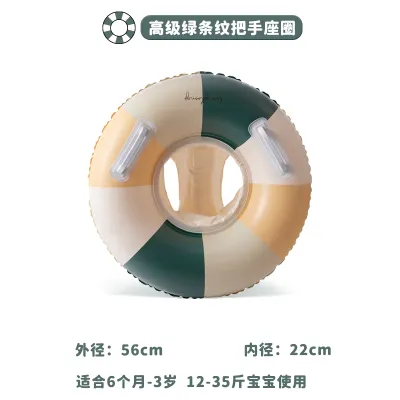
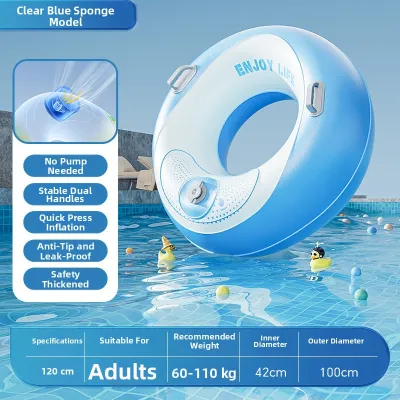
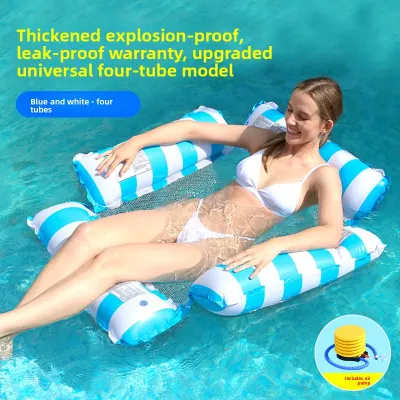
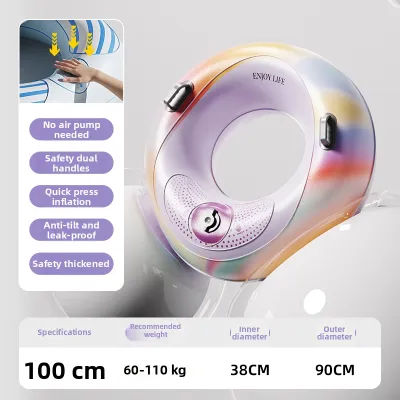
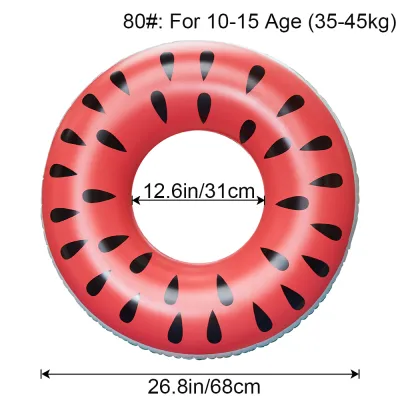
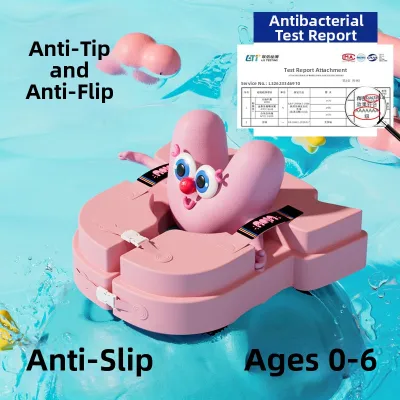
Prices are valid at publication and may change. Please refer to the product page for the latest price.
Choosing the Right Fit and Design for Your Age Group
Selecting a swim ring based on age is not merely a matter of comfort; it is a fundamental safety requirement. Each developmental stage demands specific structural features to keep the user stable and secure in the water.

Toddlers and Infants
For the youngest water enthusiasts, standard open rings are highly unsafe because infants lack the core strength and coordination to hold themselves upright. Instead, look for specialized baby floats featuring built-in diaper-style seats or secure leg holes. These designs lower the child’s center of gravity in the water, reducing the risk of tipping.
Dual inflation chambers are highly recommended, as they provide a backup layer of buoyancy if one chamber suffers a puncture. Many toddler models also include removable UV-protection canopies to shield sensitive skin from direct sunlight. When using these floats, caregivers must remain within arm’s reach at all times; a seat float can still capsize if a child leans too far or if a sudden wave hits. Always check the manufacturer’s packaging for precise weight limits, as exceeding these limits compromises the float’s stability.
Children
As children grow and gain confidence, they can transition to standard circular swim rings or hybrid designs that incorporate arm bands. The most critical factor here is the inner diameter of the ring. A ring that is too large allows a child to slip straight through the center into the water. Conversely, a ring that is too small will ride up under the armpits, restricting movement and causing discomfort.
To find the correct fit, measure the child’s chest circumference and compare it to the manufacturer’s sizing chart. The ring should fit snugly around the torso under the arms without squeezing. Bright, high-contrast colors are highly recommended for children’s rings to ensure they remain easily visible to lifeguards and supervising adults in crowded pools.
Adults
Adult swim rings focus on buoyancy, durability, and ergonomic comfort. Standard adult rings typically feature a larger outer diameter and thicker PVC construction to support higher weight capacities. For casual lounging, look for designs with integrated backrests, cup holders, and dual-chamber construction for added safety.
If you plan to use the ring in active water, such as a lazy river or light beach waves, prioritize models equipped with heavy-duty grab handles. These handles allow you to maintain a secure grip on the ring when encountering sudden movements or currents, preventing you from being separated from your flotation aid.
Matching the Swim Ring to Your Water Environment
The physical demands of your swimming venue play a major role in determining which swim ring is appropriate. A ring designed for a quiet backyard pool may quickly fail or become a hazard when subjected to the dynamic forces of open water.
Calm Pools and Water Parks
In controlled environments like swimming pools and water parks, space is often limited and activity is high. For these settings, prioritize compact, highly maneuverable swim rings. Look for models with smooth, heat-sealed inner seams. Rough or protruding seams can cause painful skin abrasion and chafing when rubbing against bare skin during active play or when sliding down water slides.
In crowded public pools, avoid oversized novelty floats that block the view of lifeguards or crowd out other swimmers. Compact, circular rings allow for easy navigation and quick reactions in busy water.
Beaches and Open Water
Open water environments present unpredictable elements such as waves, tidal currents, wind, and underwater hazards. For these conditions, standard pool toys are insufficient. You must choose swim rings constructed from heavy-duty, puncture-resistant materials, typically measured at 0.25mm thickness or higher.
High-visibility colors—such as neon orange, bright yellow, or vibrant pink—are essential, as they make the swimmer easily visible against the dark, reflective surface of the sea. Secure, molded grab handles are mandatory for maintaining a grip in choppy water.
Furthermore, open water usage requires strict safety boundaries. Never use inflatable swim rings when offshore winds are blowing, as these winds can rapidly sweep an inflatable far out to sea. Avoid using them in areas with strong rip currents, near rocky shorelines, or in rough surf. If you feel the water pulling you away from the shore, immediately exit the inflatable and swim back, or signal for assistance.
Safety Features and Fit Checks to Verify Before Use
Before anyone enters the water, a thorough inspection of the swim ring is necessary to ensure it is structurally sound and safe to use. Developing a quick pre-use routine can prevent sudden deflation accidents.
- Valve Inspection: Examine the inflation valves carefully. High-quality swim rings feature recessed safety valves that push flat into the ring's surface once inflated. This prevents the valve plug from being accidentally pulled open by clothing, limbs, or pool edges. Many modern rings also utilize dual-valve systems or one-way safety valves, which prevent air from escaping rapidly even if the plug is popped open.
- Material and Seam Quality: Inspect the seams along the inner and outer edges of the ring. Look for thick, welded seams rather than thin, glued edges, which are prone to splitting under pressure. Check the product label or packaging for material specifications; heavy-duty PVC or vinyl is highly preferred for durability. Avoid rings that feel excessively thin, brittle, or stiff, as these are highly susceptible to punctures from pool tiles, twigs, or sand.
- Weight and Warning Labels: Always read and adhere to the manufacturer's printed warnings on the ring itself. These warnings typically specify the maximum weight capacity and age recommendations. Never exceed these limits, as doing so reduces the ring's buoyancy and increases the risk of submersion or capsizing.
- The Pre-Use Leak Test: Establish a simple inflation routine before heading to the water. Inflate the swim ring fully and let it sit in a dry room for a few hours. If the ring feels noticeably softer or saggy after this period, a slow leak is present. To locate a suspected leak, apply a mixture of mild soap and water to the surface and seams; escaping air will create visible bubbles at the source of the puncture. If a leak is found along a seam, the ring should be discarded, as seam repairs are rarely reliable under pressure.
Care, Storage, and When to Retire Your Swim Ring
Proper maintenance not only extends the lifespan of your swim ring but also ensures it remains safe for future use. Environmental factors like chlorine, salt, and UV rays can rapidly degrade inflatable materials if left unchecked.
- Rinsing and Drying: After every use, whether in a chlorinated pool or the ocean, rinse the swim ring thoroughly with clean, fresh water. Chlorine and salt residue can eat away at the plasticizers in PVC, causing the material to become brittle and prone to cracking. After rinsing, wipe the ring down or hang it to dry completely in a shaded area. Never store an inflatable while it is still damp, as trapped moisture promotes the growth of mold and mildew, which can degrade the material and cause unpleasant odors.
- Safe Storage Practices: When storing your swim ring for extended periods, deflate it completely. Avoid folding the plastic too tightly, as sharp creases can weaken the material over time, leading to pinhole leaks along the fold lines. Store the deflated ring in a cool, dry place away from direct sunlight and extreme temperature fluctuations. High heat, such as that found in a hot car trunk or an uninsulated outdoor shed, can melt or warp the plastic, while extreme cold can make it brittle.
- When to Retire the Ring: Inspect your swim ring regularly for signs of wear that indicate it is no longer safe to use. Retire and replace the ring immediately if you observe any of the following: persistent slow leaks that require frequent reinflation during a single swim session; brittle, stiff, or sticky plastic, which indicates chemical or UV degradation; separating or fraying seams, especially around the inner circle or seat area; or severely faded colors, which reduce the swimmer's visibility in the water.
Frequently Asked Questions (FAQ)
Can one swim ring be used for both a pool and the beach?
While a heavy-duty swim ring designed for the beach can safely be used in a calm swimming pool, the reverse is not true. Lightweight pool rings are typically made of thinner vinyl and lack the puncture resistance, high-visibility colors, and sturdy grab handles required to handle waves, sand, and potential underwater hazards like shells or rocks. For open water, always use a ring specifically rated for beach or outdoor conditions.
Are swim rings safe for non-swimmers in deep water?
No, recreational swim rings are not safe for non-swimmers in deep water. They are classified as water toys, not life-saving equipment, and do not provide the guaranteed upright flotation of a certified life jacket or personal flotation device (PFD). A non-swimmer can easily slip out of a swim ring, flip upside down, or lose flotation if the ring deflates. Non-swimmers should always wear a certified life jacket and remain under direct, close supervision.
Community discussion
Share your experience or ask a question. Comments are reviewed before publication.