
Swimming is an exceptional workout, but the pool environment can be harsh on your hair. Highly chlorinated water strips natural oils, leaving strands dry, brittle, and prone to breakage. For many swimmers, finding a swimming cap that fits comfortably without causing tension headaches or slipping off mid-lap is a persistent challenge. An ill-fitting cap can disrupt your focus, let in excessive pool chemicals, or fail to accommodate your hair volume entirely.
Whether you are training in a local community pool or preparing for an open-water swim, selecting the right cap requires understanding how different materials and designs interact with your specific hair type and length. This guide provides a comprehensive framework to help you evaluate cap materials, match specialized designs to your hair volume, and navigate mainstream product lines to find a secure, comfortable fit.
Core Selection Criteria: Material, Fit, and Hair Protection
The foundation of a good swimming cap lies in its material and construction. Before looking at specific styles, you must understand the fundamental trade-offs between different materials to align with your comfort and protection goals.
Products mentioned in this guide
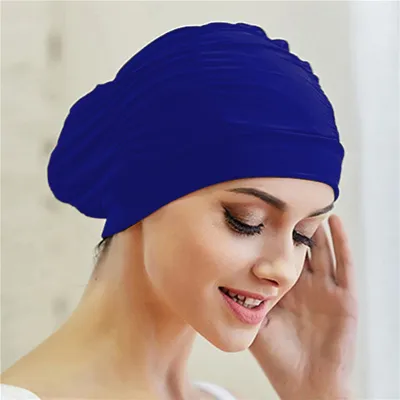
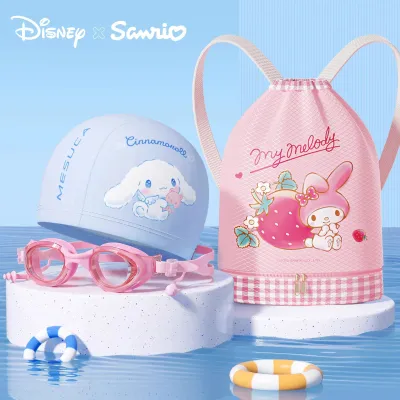
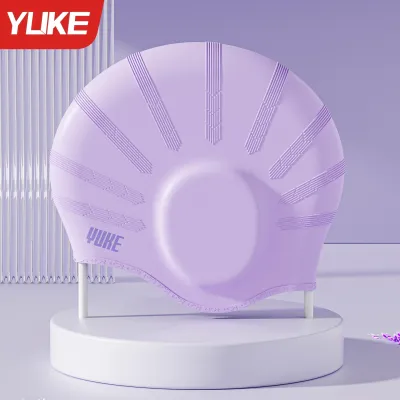
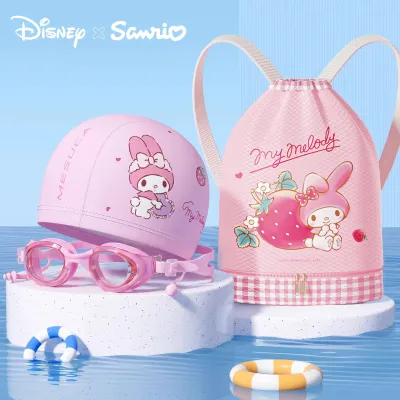
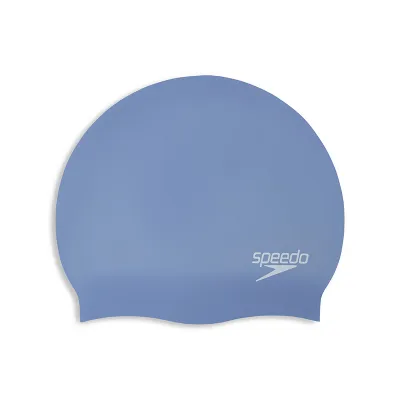
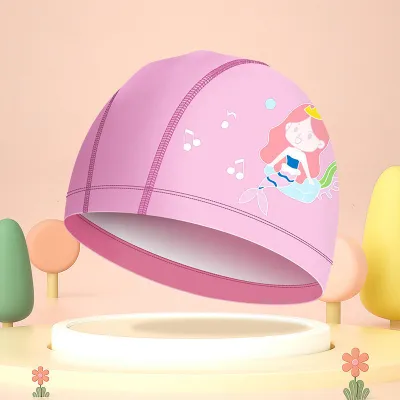

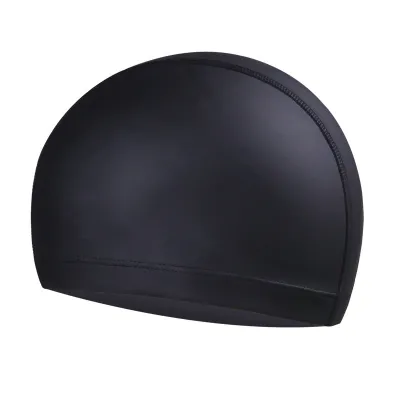
Prices are valid at publication and may change. Please refer to the product page for the latest price.
Silicone is the most popular material for modern swimming caps due to its exceptional durability, high stretch capacity, and hypoallergenic properties. It resists chlorine degradation far better than latex and provides a relatively secure seal against water. However, silicone caps can be more difficult to put on and may pull on dry hair if not handled carefully.
Latex caps are much thinner, lighter, and more breathable than silicone, making them a traditional favorite for competitive swimmers who prioritize a streamlined profile and heat dissipation. On the downside, latex is highly prone to tearing, degrades quickly under chlorine exposure, and can trigger severe allergic reactions in sensitive individuals. Always check manufacturer labels to verify material composition if you have a known latex allergy.
Lycra and other fabric caps offer maximum comfort and are incredibly easy to slip on without pulling your hair. However, fabric is highly permeable, meaning water will pass through almost instantly. These caps are best suited for casual swimmers who want to keep hair out of their face rather than protect it from pool chemicals.
For open-water swimming or unheated pools, standard caps may not provide sufficient thermal protection. In these environments, you should consider neoprene or thermal-lined caps. Neoprene caps are thicker and designed to trap a thin layer of water against your scalp, which your body heat warms to prevent hypothermia in cold water. Conversely, standard silicone or latex caps are ideal for typical warm-weather outdoor or indoor pools where heat retention is not a priority.
Seam construction and edge thickness also play a critical role in comfort and durability. Molded silicone caps are created using a three-dimensional mold, resulting in a seamless, ergonomic shape that matches the natural curve of the head. These caps reduce drag and eliminate pressure points. Flat-bonded caps, on the other hand, are made from two flat pieces of silicone joined by a seam down the middle. While more affordable, these seams can create pressure lines on your forehead and are more susceptible to tearing over time.
Matching Cap Styles to Hair Length and Texture
Standard swimming caps are typically designed for low-volume hair, which leads to poor fit, slippage, and discomfort for many swimmers. To find a cap that stays secure without squeezing your head, you must identify specific design features, such as 3D ergonomic cuts and inner grip textures, that match your unique hair volume and texture.

Short, Fine, or Straight Hair
Swimmers with short, fine, or straight hair require a cap that provides a secure, streamlined fit without excess material. If a cap is too large, it will bunch up, trap air pockets, and create significant drag in the water, which can cause the cap to slide off during flip turns or fast strokes.
Standard silicone or latex caps are usually adequate for low-volume hair, provided you select the correct size based on your head circumference. When trying on a standard cap, verify that it sits snugly against your forehead and the nape of your neck without shifting when you shake your head.
To prevent the cap from sliding backward, check the interior edge grip. Many high-quality caps feature a textured inner band or a reinforced rim that increases friction against the skin without pulling the hair. This grip is essential for maintaining a secure seal during high-intensity training sessions.
Long, Thick, or Voluminous Hair
High hair volume presents a different set of challenges. If you try to force long, thick, or voluminous hair into a standard cap, the material will overstretch. This overstretching increases pressure on your skull, leading to tension headaches, and compromises the water-resistant seal around the edges, allowing chlorine to flood your hair. Overstretched material is also highly vulnerable to tearing along the seams.
To accommodate a bun or a thick ponytail, look for long-hair specific caps. These designs feature an extended rear section or a bulbous crown that provides extra room without increasing the tension around your forehead. Many of these caps also utilize reinforced seams and 3D molding to distribute the hair volume evenly.
Proper hair preparation is crucial before putting on the cap. Instead of piling your hair haphazardly on top of your head, tie it into a low, secure ponytail or bun using a metal-free hair band. As you put the cap on, guide the bun into the designated extra space at the back of the cap, smoothing out any large lumps to ensure an even distribution of volume.
Avoid forcing a standard cap to fit over long hair. If you notice the hairline of the cap constantly rising, your ears being exposed when they should be covered, or visible stress lines stretching across the material, the cap is too small and will likely fail prematurely.
Curly, Coily, and Braided Hair
Textured, curly, coily, or braided hair requires specialized care to prevent friction, minimize breakage, and accommodate substantial volume. The rough texture of silicone can snag and damage delicate curls, while the tight compression of standard caps can flatten braids and cause scalp discomfort.
When choosing between fabric and silicone, weigh the trade-offs carefully. Fabric or Lycra caps are highly recommended as an under-layer because they glide smoothly over curls and braids without causing friction. However, because they are completely permeable, they must be paired with an outer protective layer if you want to minimize chlorine exposure.
For maximum volume, look for dome-shaped or extra-large caps specifically engineered for braids, dreadlocks, and natural afro-textured hair. These caps feature a significantly larger volume capacity and a wider opening, allowing you to tuck in long braids or thick coils without compressing your scalp or putting excessive pressure on your hairline.
A highly effective method for protecting textured hair is the double-capping technique. First, put on a soft, breathable fabric or Lycra cap to hold your curls or braids securely in place and protect them from friction. Then, stretch a larger silicone cap over the fabric layer. The fabric cap acts as a protective barrier, while the outer silicone cap provides water resistance and a streamlined profile in the water.
Navigating Mainstream Brands and Product Series
With numerous swimming gear brands on the market, you need a structured framework to evaluate product lines and identify which series cater to your specific hair needs without relying on generic marketing claims.
Start by identifying brand-specific naming conventions. Manufacturers often use terms like “3D,” “Ergo,” “Long Hair,” or “Dome” in their product titles to indicate specialized fits. A “3D” or “Ergo” cap typically features an ergonomic, seamless design for a hydrodynamic fit, while “Long Hair” or “Dome” indicates extra volume at the back or crown.
It is also important to compare entry-level and competition-grade lines within a brand’s catalog. Entry-level caps are usually thicker, flat-molded, and designed for casual fitness swimming where comfort and ease of use are paramount. Competition-grade caps are engineered with variable thickness—thinner on top to reduce weight and thicker at the edges to maintain a secure grip—and are designed to fit extremely tightly to minimize drag. For daily training, entry-level or specialized long-hair caps are generally more comfortable than high-compression racing caps.
When purchasing swimming gear in Singapore, verify authenticity and pricing to ensure you are getting a durable product. High-quality silicone caps typically range from S$10 to S$35, while specialized extra-large or competition-grade caps can range from S$30 to S$55. To avoid counterfeit products made from inferior, skin-irritating materials, purchase directly from official brand websites, authorized local sports retailers, or established online marketplaces.
Before making a decision, analyze user reviews systematically. Filter customer feedback specifically for mentions of seam durability, edge tightness, and real-world fit for different hair types. Look for comments from swimmers who share your hair length and texture to get an accurate representation of how the cap performs over repeated uses in chlorinated water.
Pre-Purchase Fit, Comfort, and Safety Checks
Before finalizing your purchase or using a new cap for the first time, perform a series of practical checks to ensure the product is safe, comfortable, and free from manufacturing defects.
First, conduct a material and allergy verification. If you have known sensitivities to latex, read the product packaging carefully. Some hybrid caps or budget options may contain latex blends even if they are marketed as silicone-like. Opt for 100% hypoallergenic silicone or fabric caps to prevent skin irritation or allergic reactions.
Next, inspect the cap thoroughly for manufacturing defects. Hold the cap up to a bright light source and gently stretch it to check for thin spots, uneven material distribution, or weak bonded seams. Any visible imperfections or tiny bubbles in the silicone are potential failure points that could lead to a sudden tear when you stretch the cap over your head.
Understand that while a new silicone cap will have a brief break-in period where it feels quite snug, it should never cause physical distress. If a cap causes persistent tension headaches, leaves deep red indentations on your forehead that last for hours, or restricts circulation, stop using it immediately. Equipment should never compromise your comfort or safety; if the fit is too tight, transition to a larger size or a high-volume design.
Daily Care and Maintenance for Longevity
Proper post-swim care is essential to prevent material degradation, maintain elasticity, and extend the overall lifespan of your swimming cap.
Always rinse your cap inside and out with fresh, cold tap water immediately after every swim. This removes residual chlorine, salt, and pool chemicals that slowly break down silicone and latex. After rinsing, shake off excess water and hang the cap to air-dry in a shaded, well-ventilated area. Never expose the cap to direct sunlight, clothes dryers, or radiators, as high heat will cause the material to become brittle, melt, or lose its elasticity.
Proper storage techniques are equally important. Once the cap is completely dry, store it in a ventilated case to protect it from sharp objects in your swim bag. For latex and some silicone caps, apply a light dusting of talcum powder or cornstarch inside the cap before storing. This prevents the inner surfaces from sticking together, which can cause the material to tear when you attempt to pull it open for your next swim.
Regularly monitor your cap for signs of material fatigue. Look for a loss of elasticity, permanent stretching or deformation, a sticky texture, or tiny micro-tears along the edges. If the cap fails to snap back into its original shape or feels gummy to the touch, the material has degraded, and you should replace it before it tears mid-swim.
Frequently Asked Questions (FAQ)
Do swimming caps keep your hair completely dry? (FAQ)
No swimming cap is entirely waterproof, and they are not designed to keep your hair completely dry. Water will inevitably seep in around the edges, especially during submersion, flip turns, or vigorous swimming. The primary purpose of a swimming cap is to reduce drag, keep hair out of your face, and protect your hair from direct, prolonged exposure to large volumes of chlorinated water. To minimize water seepage, ensure you have a snug fit around the forehead and neck, and consider wearing a silicone cap over a fabric cap to improve the seal.
How do I put on a silicone cap without pulling my hair? (FAQ)
To put on a silicone cap without pulling your hair, start by wetting your hair with fresh water or applying a small amount of leave-in conditioner, which reduces friction. Place both hands inside the cap with your palms facing inward and your fingers spread to stretch the cap outward. Tilt your head forward, place the front edge of the cap against your forehead, and pull the cap back and down over the rest of your head in one smooth motion. Once the cap is on, gently tuck any loose strands of hair under the edges using your fingertips, avoiding sharp fingernails that could puncture the silicone.

Community discussion
Share your experience or ask a question. Comments are reviewed before publication.