
Selecting the right swimming goggle brand or product line depends entirely on your swimming frequency, environment, and performance goals. While a casual swimmer requires soft, wide-frame goggles that prioritize comfort and leak prevention, a competitive athlete needs low-profile, hydrodynamic designs that minimize drag at the expense of thick cushioning. Matching your skill level and swimming style to the correct brand tier ensures you do not overspend on specialized racing gear or struggle with leaking, uncomfortable entry-level models.
To make an informed decision, you must understand how different brand lines cater to distinct swimming profiles. This guide breaks down the key differences between recreational, training, and competitive goggle lines, outlines essential material specifications to verify, and provides a practical fit checklist you can use before making a purchase.
Quick Guide: Aligning Brand Profiles with Your Swimming Goals
Swimming goggle brands generally categorize their products into three distinct tiers: mass-market recreational, performance training, and elite racing. Mass-market brands focus on affordability, wide-fit comfort, and simple adjustment mechanisms, making them ideal for occasional leisure swimmers or families visiting local public pools. Performance-focused brands target regular lap swimmers, fitness enthusiasts, and triathletes by offering a balance of streamlined profiles, durable silicone gaskets, and interchangeable nose bridges to withstand frequent chlorine exposure. Specialized racing brands cater strictly to competitive athletes, prioritizing hydrodynamics, rigid structures, and minimal gaskets to prevent shifting during high-speed starts and turns.
Products mentioned in this guide
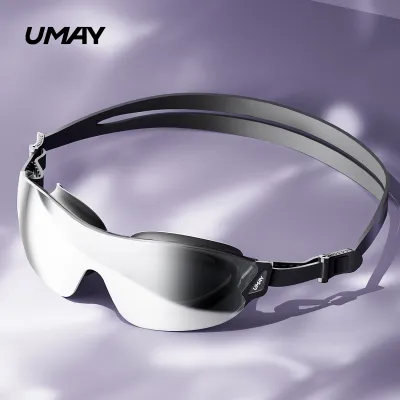
![[SG] Swimming Goggles Degree | Anti Fog + UV Shield | Adult & Children | Prescription Goggles](https://img.lazcdn.com/g/p/22798ce7f1849ad31e914f8712a501f1.jpg_400x400q80.jpg_.webp)
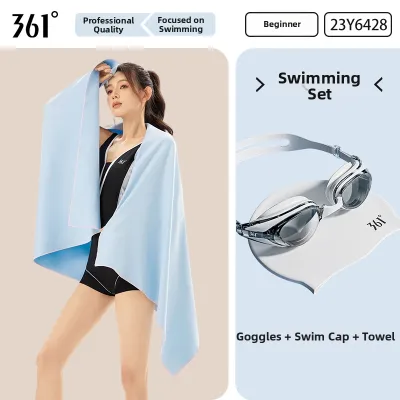
![[SG SELLER] ORIGINAL 361° BRAND Adult Swimming goggles high-definition myiopia degree waterproof anti-fog lenses swimming goggles](https://img.lazcdn.com/g/p/a034de07a870befc90807210024aecc0.jpg_400x400q80.jpg_.webp)
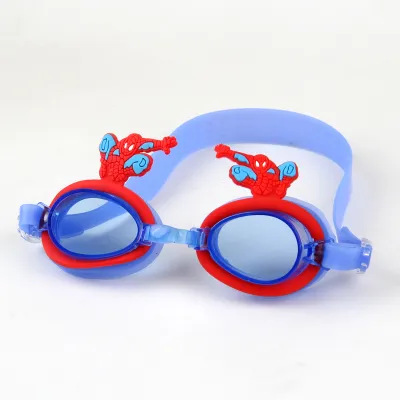
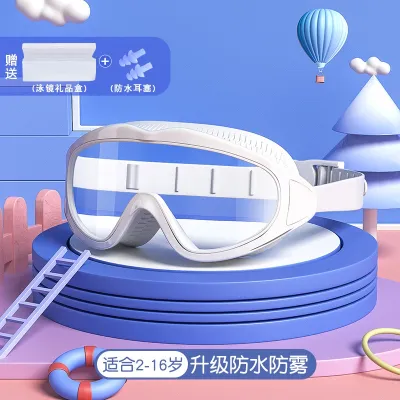
Prices are valid at publication and may change. Please refer to the product page for the latest price.
When evaluating these market tiers, keep in mind that price-to-durability expectations and warranty norms vary significantly. Entry-level lines often feature basic anti-fog coatings that may degrade quickly, whereas premium training lines offer more robust treatments and replaceable parts. Always check the manufacturer’s warranty terms, as coverage typically spans manufacturing defects rather than wear-and-tear from chlorine or improper storage. Unless you are actively training for timed events, prioritize long-term comfort and ease of use over hydrodynamic efficiency, as rigid racing goggles can cause discomfort during extended sessions.
What to Look for in Brands for Recreational and Fitness Swimming
For casual and fitness swimmers, comfort and ease of use are the most critical factors. When browsing entry-level brand lines, look for wide-frame designs that offer a broad field of vision, which helps reduce feelings of claustrophobia under water. Soft, thick silicone gaskets are essential because they distribute suction pressure evenly around the orbital bone, preventing headaches and deep red marks. Additionally, seek out models with flexible, self-adjusting nose bridges or easily adjustable side clips that allow you to modify strap tension quickly without taking the goggles off.

However, mass-market brands come with common trade-offs that you should consider before purchasing. These goggles typically feature bulkier profiles that create more drag, which is negligible for casual swimming but can feel heavy or unstable during fast laps. Furthermore, their anti-fog coatings tend to have a shorter lifespan, meaning you may need to apply aftermarket anti-fog sprays or replace the goggles sooner than you would with higher-tier models.
To ensure you are getting a reliable product, always verify UV protection claims and anti-fog treatments directly on the product packaging and manufacturer labels. Look for specific standards, such as UV 400 or clear statements of UVA and UVB blockage, rather than generic marketing terms. In humid tropical climates like Singapore’s, condensation builds up rapidly inside the lenses; verifying these labels helps prevent mid-swim fogging at outdoor community pools.
Selecting Brand Lines for Advanced Training and Lap Swimming
Regular lap swimmers and triathletes require brand collections that balance a low profile, secure fit, and high chlorine resistance. Training-specific lines differ from recreational models by featuring streamlined eye cups that sit closer to the eye socket, reducing drag without sacrificing all cushioning. These lines utilize high-grade, liquid silicone gaskets that resist degradation from pool chemicals, ensuring the seal remains flexible and watertight over months of frequent use.
Customization is another hallmark of training-specific brand lines. Look for models that include interchangeable nose bridges—typically supplied with three to five different sizes in the box—which allow you to adjust the distance between the eye cups to match your nasal bridge width. A split-strap design made of durable silicone or elastomeric materials is also crucial, as it distributes tension across the back of your head to prevent the goggles from slipping during flip turns or vigorous push-offs.
Before finalizing your choice, check the manufacturer specifications for chlorine-resistant materials and the expected lifespan under frequent pool use. Regular swimmers in Singapore’s chlorinated public facilities should look for UV-resistant straps to prevent degradation from the intense tropical sun during outdoor lap sessions. Investing in a dedicated training line ensures your gear can withstand the rigors of multiple weekly sessions without losing its seal or structural integrity.
Navigating Competition and Racing Goggle Brands
Competitive swimmers require highly specialized, low-drag racing goggles designed specifically for meet days. These models feature rigid eye cups, minimal or non-existent gaskets (such as traditional Swedish-style goggles), and ultra-low-profile designs. The functional purpose of these features is to minimize water resistance and prevent the goggles from catching water and shifting during high-velocity dives off the starting block or during powerful dolphin kicks.
When selecting a racing brand, verify official World Aquatics (formerly FINA) approval markings on the packaging or the official brand website. This certification ensures the gear complies with international competition standards regarding dimensions, materials, and safety. Wearing non-approved gear can lead to disqualification in official timed events, making this verification step essential for competitive athletes.
Keep in mind that racing-specific models have a shorter practical lifespan under daily use because their delicate anti-fog coatings and thin straps are optimized for weight and speed rather than rugged durability. They require meticulous care, including rinsing in fresh, cold water after every use, air-drying away from direct sunlight, and storing in a hard protective case. To maximize your investment, limit their use to time trials and race days, relying on more robust training goggles for your daily practice sessions.
Essential Fit, Seal, and Comfort Checks Before You Buy
Regardless of the brand or price tier you choose, a goggle is only effective if it fits your unique facial structure. To evaluate the natural seal and eye cup pressure, perform the “suction test” without using the strap. Gently press the eye cups against your eye sockets and release; a properly fitting goggle should create a temporary vacuum seal and hold itself in place for a few seconds. If the goggles fall off immediately, the frame shape does not match your facial contours, and water will likely leak in during your swim.
Next, assess brow clearance, cheekbone contact, and overall facial contour compatibility. The gaskets should sit comfortably on the orbital bone without pinching the bridge of your nose or pressing painfully into your eye sockets. Ensure there are no visible gaps around the outer corners of your eyes, as even a tiny gap will allow water to seep through once you submerge.
Finally, evaluate the strap adjustment mechanisms, buckle durability, and the effectiveness of the split-strap design. The buckles should lock securely without slipping under tension, yet remain easy to adjust when necessary. A high-quality split-strap should cradle the crown of your head, providing dual points of tension that keep the goggles stable without requiring you to overtighten them, which can cause headaches and eye strain.
Frequently Asked Questions (FAQ)
How do I choose the right lens tint for my swimming environment?
Matching your lens color to your swimming environment is essential for maintaining clear visibility and reducing eye strain. Clear and light tints, such as yellow, blue, or pink, are ideal for indoor pools, covered facilities, or low-light early morning sessions, as they maximize light transmission. Conversely, mirrored and dark tints, such as smoke or dark grey, are highly recommended for bright outdoor sunlight, such as open-water swimming or uncovered public pools, because they reflect glare off the water surface. Some brands offer photochromic lenses that automatically darken in response to UV light; while convenient for swimmers transitioning between indoor and outdoor environments, they typically have a slower transition time and a higher price point.
Are prescription swimming goggles available from major brands?
Yes, many major swimming brands offer prescription options for swimmers who require vision correction in the water. These typically come as step-diopter (pre-made) optical goggles, which are widely available in standard negative or positive strengths (such as -1.5 to -6.0) and offer a highly cost-effective solution for simple nearsightedness or farsightedness. Because water naturally refracts light and alters perceived strength, it is often recommended to select a step-diopter strength slightly lower than your land prescription if you fall between sizes. Always verify prescription compatibility, lens materials, and return policies with the manufacturer or an authorized optical retailer before ordering, as custom or hygienic items may have restricted return terms.

Community discussion
Share your experience or ask a question. Comments are reviewed before publication.