
Selecting the right swimming kickboard is not a one-size-fits-all decision. The ideal board must align with your current swimming proficiency and your specific training objectives, whether you are looking to build lower-body strength, refine your stroke technique, or increase cardiovascular endurance. Before choosing any gear, it is vital to remember that a kickboard is strictly a training aid and not a life-saving flotation device. It cannot replace proper swim training, water safety judgment, or personal swimming ability. If you experience fatigue, muscle cramping, or struggle to maintain your head above water, stop training immediately and move to the shallow end of the pool. By understanding how different designs affect your body position and water resistance, you can select a tool that actively supports your progress in the water.
Assess Your Swimming Skill Level and Water Confidence
For beginners, water confidence and basic body position are the primary focus. If you are new to the pool, you will benefit most from a kickboard that offers maximum buoyancy and a wide surface area. This design provides a stable, reassuring platform that keeps your upper body high in the water, allowing you to focus entirely on learning the basic flutter kick without worrying about sinking. The extra surface area also allows for a wider grip, which helps nervous swimmers feel more secure as they build their kicking rhythm.
Intermediate swimmers generally transition to a board that offers balanced support. At this stage, you are likely working on stroke isolation, breathing patterns, and refining your overall body alignment. A medium-sized board with moderate buoyancy helps you maintain a horizontal position in the water without lifting your shoulders too high, which can cause your hips and legs to drop. This balance is crucial for learning how to keep your core engaged and your body streamlined during longer sets.
Products mentioned in this guide
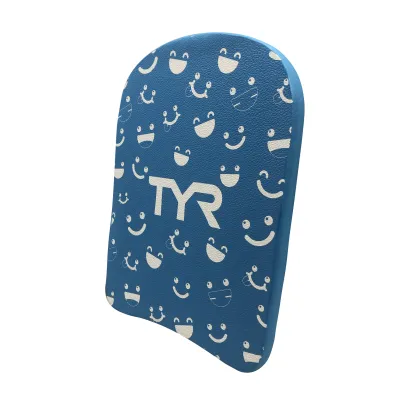
![[SG Stock] Swimming Kickboard Float Kids Adults Kick Board Learn To Swim Safety Pool Aid Plate Children](https://img.lazcdn.com/g/p/19e9b69ae94352f2a472a5e2355a4741.jpg_400x400q80.jpg_.webp)
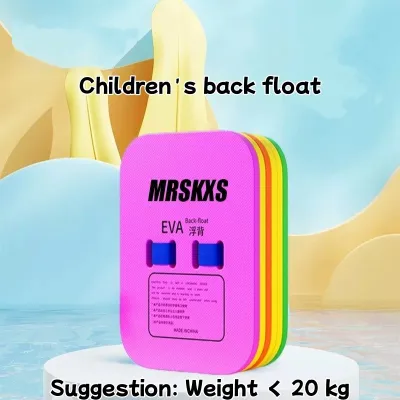
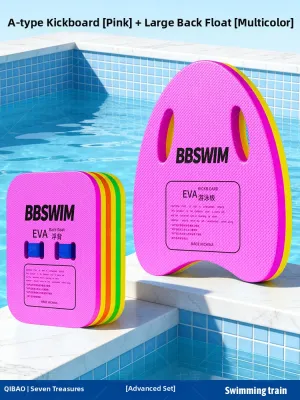
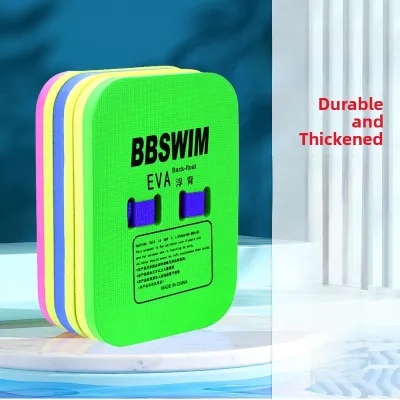
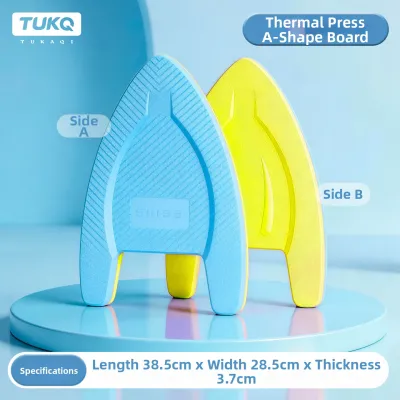
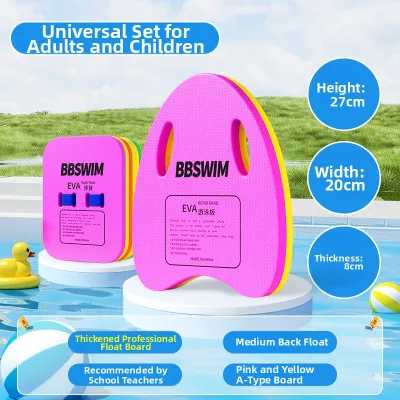
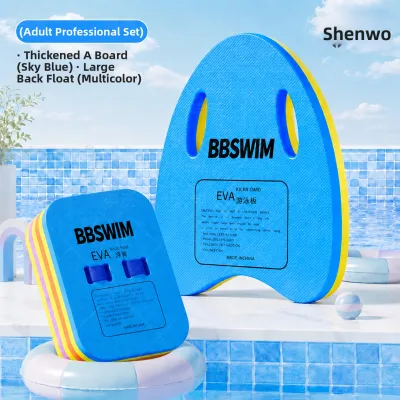
Prices are valid at publication and may change. Please refer to the product page for the latest price.
Advanced swimmers typically look for minimal drag and targeted muscle engagement. If you are an experienced swimmer, a highly buoyant board can actually hinder your training by forcing your body into an unnatural, arched position. Advanced training often requires smaller, low-profile boards that provide just enough support to keep your hands afloat while forcing your core and legs to do the heavy lifting. This minimal support encourages a more realistic body position that closely mimics actual swimming.
Define Your Primary Training Objectives
If your main goal is technique refinement, your kickboard should help you correct your horizontal body position. A board that allows you to keep your arms extended naturally without forcing your head too high is essential. This helps you practice keeping your head down and your spine aligned, mimicking your actual swimming posture. Some swimmers also use smaller boards to practice side-kicking drills or underwater dolphin kicks, which are essential for refining the transition phases of the butterfly and backstroke.

For those focusing on leg strengthening, the objective is to build lower-body power by isolating the legs. A kickboard that offers slightly more resistance or a shape that requires active core stabilization will force your glutes, hamstrings, and calves to work harder. This targeted resistance is excellent for developing a more powerful, efficient kick that translates directly to faster lap times. By removing the assistance of your arms, you can identify and correct any imbalances in your kicking technique, such as an uneven kick or a tendency to bend your knees too much.
If endurance building and high-tempo cardiovascular drills are your priority, you need a board that supports rapid directional changes and high-frequency kicking. During long endurance sets in a busy public pool, a streamlined board allows you to maintain a steady, high-tempo rhythm without getting bogged down by water resistance during turns. The right board will help you sustain your training volume without causing premature fatigue in your upper body, allowing you to focus entirely on cardiovascular conditioning.
Match Kickboard Features to Your Diagnostic Profile
When translating your needs into specific product features, the shape of the board is your first consideration. Standard rectangular boards offer excellent stability and are highly suited for beginners or casual warm-ups. Tombstone-shaped boards, which feature a rounded top and flat bottom, offer a versatile middle ground with multiple hand placement options. Tapered or hydrodynamic boards are designed to cut through the water, significantly reducing drag for high-speed training and advanced drills.
The material and density of the board also play a critical role in performance. Most modern kickboards are made from Ethylene-Vinyl Acetate (EVA) foam. When selecting a board, check the density of the foam by gently pressing it; high-density EVA foam feels rigid and resists flexing under pressure. High-density foam is preferable because it absorbs less water over time, maintains its buoyancy, and resists the warping that can occur in hot, humid climates like Singapore’s. A board that absorbs water will quickly become heavy and lose its effectiveness.
Ergonomic features should not be overlooked, especially if you plan to use the board for extended sessions. Look for boards with built-in grip cutouts or contoured edges. These design elements allow for a more natural hand and wrist alignment, reducing the strain on your wrists, elbows, and shoulders. Before purchasing, verify how the board feels when held both at the top and at the bottom to ensure it accommodates your shoulder width. A board that is too wide will force your arms outward, leading to rapid shoulder fatigue.
Signs Your Current Kickboard No Longer Fits Your Needs
One of the most common signs that your kickboard is no longer suitable is physical discomfort. If you consistently experience neck, shoulder, or wrist pain during or after your kicking sets, your board may be forcing you into an awkward posture. A board that is too thick or lacks ergonomic grips can place unnecessary stress on your joints, indicating it is time to look for a lower-profile or more ergonomic alternative.
Another clear indicator is feeling excessive drag that disrupts your training flow. If you are trying to perform advanced sprint or high-tempo drills but feel like you are pushing a wall of water, your board’s shape is likely holding you back. Transitioning to a streamlined, tapered board can help you maintain your target speed and focus on your kick rate.
You may also outgrow your board’s buoyancy level as your technique improves. As your core strength and body position naturally get better, a highly buoyant beginner board may lift your chest too high out of the water. This artificial lift can cause your lower back to arch excessively and your legs to drop, defeating the purpose of your training. If you find yourself pushing down heavily on the board to keep your body level, it is a sign you need a smaller board with less buoyancy.
Finally, physical wear and tear can signal that it is time for a replacement. In humid environments, older EVA foam boards can develop mold, begin to flake, or become waterlogged. If your board feels significantly heavier than when you bought it, or if you notice the foam softening and flexing easily, its buoyancy has been compromised, and it will no longer provide the consistent support needed for effective training.
Frequently Asked Questions (FAQ)
Can I use a standard rectangular kickboard for advanced sprint training?
While you can technically use a standard rectangular kickboard for any drill, it is far from ideal for advanced sprint training. The wide, flat front of a rectangular board creates significant hydrodynamic drag, which acts as a brake when you attempt to kick at high speeds. This resistance can disrupt your natural kicking cadence and force you to alter your body position to push through the water. For high-speed sprint sets, a tapered or low-profile board is highly recommended to minimize drag. However, your standard rectangular board remains perfectly acceptable for low-intensity warm-ups and cool-downs.
How do I clean and store my EVA foam kickboard to prevent degradation?
To extend the lifespan of your EVA foam kickboard, proper maintenance is essential, especially when training in chlorinated pools or saltwater environments. After every swim session, thoroughly rinse your board with clean, fresh tap water to remove residual chlorine, salt, and pool chemicals. Allow the board to air-dry completely in a well-ventilated, shaded area; never leave it in direct sunlight, as UV rays can cause the foam to crack, warp, and lose its buoyancy. When storing your gear in your swim bag or locker, avoid placing heavy equipment on top of the board, as prolonged compression can permanently deform the foam and compromise its structural integrity.
Community discussion
Share your experience or ask a question. Comments are reviewed before publication.