
Selecting the correct swimming tube size is a matter of matching the user’s physical measurements—specifically weight and hip width—to the manufacturer’s specified dimensions and weight limits. A tube that is too large allows the swimmer to slip through the center opening, while one that is too small restricts movement, causes uncomfortable chafing, or fails to provide adequate buoyancy. By verifying the inner diameter, outer diameter, and maximum weight capacity before purchase, you can ensure a comfortable, stable, and safe experience in the water, whether you are lounging in a backyard pool or swimming at a public water park in Singapore.
Understanding Key Swimming Tube Specifications
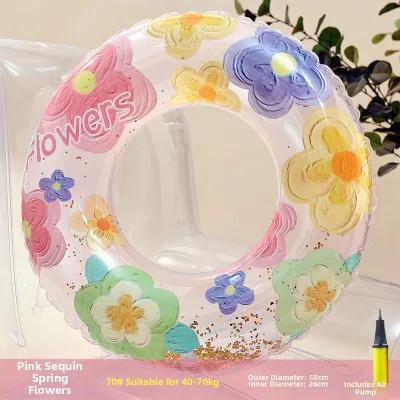
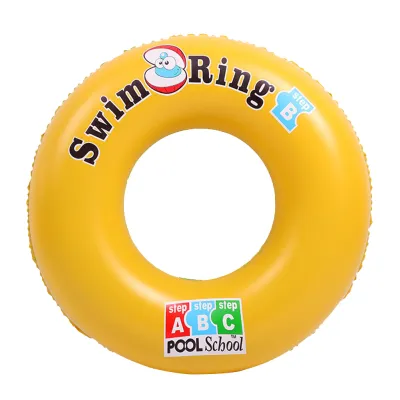
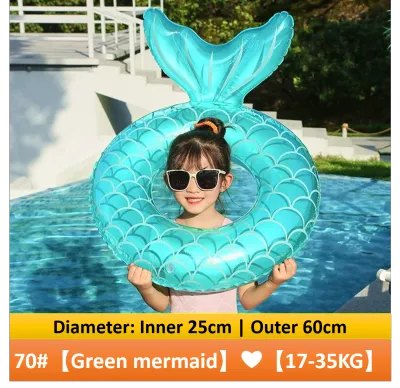
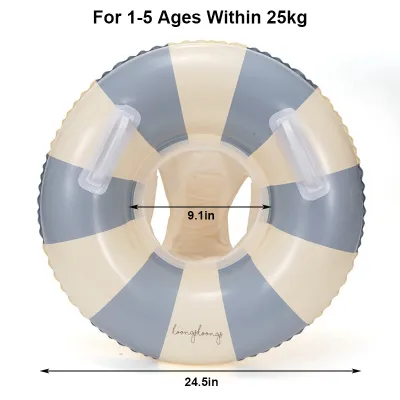
When browsing for a swimming tube on an online marketplace or at a local sporting goods store, you will encounter several key measurements on the product packaging. The most critical dimension to check is the inner diameter, which represents the width of the center opening when the tube is fully inflated. This measurement must be slightly larger than the user’s waist or hip width to allow for comfortable seating, yet narrow enough to prevent them from slipping straight through the bottom. If the inner diameter is too tight, the material will rub against the skin, causing painful chafing during extended pool sessions.
The outer diameter, on the other hand, determines the overall footprint of the tube and its total displacement in the water. A larger outer diameter provides greater buoyancy and stability, making it less likely to tip over when you lean back. However, massive outer dimensions require more physical space, which can be a drawback in crowded public pools or smaller residential condominium pools in Singapore. You should balance the desire for a spacious, stable float with the practical limitations of your swimming environment and storage capacity.
Products mentioned in this guide

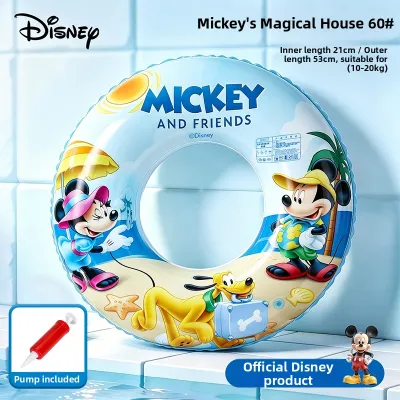
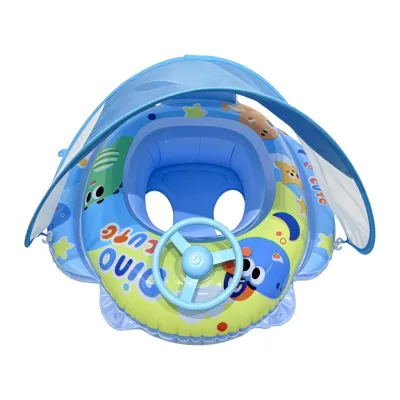
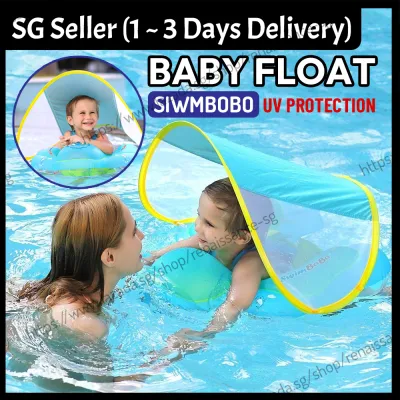
Prices are valid at publication and may change. Please refer to the product page for the latest price.
Weight capacity is another non-negotiable specification that directly impacts safety and performance. Every manufactured swimming tube is rated for a maximum weight limit, which is calculated based on the volume of air the tube holds and the strength of its seams. Exceeding this rated capacity forces the tube deeper into the water, reducing its stability and increasing the risk of capsizing. Always verify that the user’s actual body weight falls comfortably below the manufacturer’s maximum limit, leaving a safe margin for movement and water splashes. While basic models may cost under S$15 on an online marketplace, investing in a durable tube with reinforced seams is highly recommended for long-term use.
Beyond dimensions, the physical construction of the tube determines how well it retains air and resists punctures. Look for specifications detailing the material thickness, which is typically measured in millimeters or gauge; thicker vinyl or polyvinyl chloride (PVC) offers better resistance against rough pool edges and concrete decks. Additionally, pay attention to the valve type, as secure locking valves or dual-port valves prevent accidental air release while swimming and make inflation more efficient. High-quality valves and robust seam construction ensure the tube maintains its shape and buoyancy throughout the day.
Matching Sizes and Designs to Different Age Groups
Selecting a swimming tube requires different criteria depending on the age, physical build, and swimming ability of the user. For adults and teenagers, the primary focus should be on verifying the inner diameter to ensure a relaxed fit that supports the lower back and thighs. Adult-sized tubes often feature an inner diameter ranging from 35 to 45 centimeters, which accommodates most mature body frames. For added comfort during long afternoons in the tropical Singapore heat, look for adult models equipped with built-in handles, backrests, or even cup holders that enhance stability and convenience.

Young children who have outgrown toddler floats but are not yet large enough for adult tubes require a dedicated intermediate size. For this group, you must prioritize models that offer built-in safety features such as secure mesh seating or integrated leg holes that prevent them from slipping through the center. Many children’s tubes also feature overhead canopy shades to protect sensitive skin from intense UV exposure. When choosing a tube for a young child, do not rely solely on age recommendations; instead, cross-reference the child’s current height and weight against the manufacturer’s precise sizing chart.
Toddlers require the most specialized and supportive designs because they lack the core strength and swimming skills to balance on a standard open tube. Look for toddler floats that feature secure multi-point harnesses, high backrests, or neck support collars that keep their head and face well clear of the water. These designs often utilize a dual-chamber system to ensure that if one chamber suffers a slow leak, the second chamber provides enough residual buoyancy to keep the child afloat. The fit must be snug around the legs and torso to prevent shifting, but not so tight that it restricts circulation or causes discomfort.
Regardless of the design features or the snugness of the fit, a swimming tube is never a substitute for active supervision. For toddlers and young children, constant adult touch supervision—meaning an adult is within arm’s reach in the water at all times—is mandatory. Even the most secure toddler float can tip over if a child leans too far or if a sudden wave disrupts their balance. Matching the tube to the child’s exact physical build is simply the first step in creating a safer water environment; active parental vigilance remains the ultimate safeguard.
Safety Boundaries and Pre-Use Checks
It is vital to understand that standard recreational swimming tubes are classified as water toys or flotation aids, not certified personal flotation devices (PFDs) or life jackets. They are designed solely for leisure use in calm, supervised waters and do not possess the self-righting capabilities or safety certifications required for emergency survival. If you are taking non-swimmers or weak swimmers into deeper water, they must wear a properly fitted, certified life jacket rather than relying on an inflatable tube for flotation support.
Before every pool session, establish a quick visual and physical inspection routine to verify the integrity of the swimming tube. Inspect the valve seals to ensure they close tightly and do not hiss under pressure, and run your hands along the welded seams to check for splitting or thinning. Prolonged exposure to chlorine, saltwater, and intense sunlight can degrade PVC materials over time, leading to micro-cracks or slow leaks. Checking the surface for discoloration or a sticky texture can help you identify UV damage before the tube fails in the water.
Knowing when to retire or temporarily remove a swimming tube from service is crucial for preventing accidents. If you notice a gradual loss of air pressure during use, or if the tube exhibits significant deformation and no longer holds its symmetrical shape, it must be taken out of the water immediately. Furthermore, if a child has a sudden growth spurt and their weight approaches the maximum rated limit of their current tube, transition them to the next size up rather than risking a puncture or capsize.
Frequently Asked Questions (FAQ)
Can an older child use an adult-sized swimming tube?
An older child should only use an adult-sized swimming tube if their physical measurements match the tube’s specifications, rather than relying on age alone. To evaluate safety, measure the child’s hip width and compare it to the inner diameter of the adult tube; if the opening is wider than their hips, they risk slipping through the center. Additionally, check that the child’s weight is sufficient to sit stably in the tube, as an oversized float can easily flip over if the user’s center of gravity is too high or poorly aligned.
How can I tell if the swimming tube is inflated to the correct size?
You can determine if a swimming tube is correctly inflated by checking the firmness of the material and the appearance of the seams. A properly inflated tube should feel firm to the touch, and the surface should be smooth with no deep wrinkles or creases along the outer edges. Avoid over-inflating the tube until the seams are highly stressed, as the air inside will expand when exposed to direct sunlight and hot weather, potentially causing the seams to burst. Conversely, under-inflation reduces buoyancy, increases drag, and makes the tube unstable.
Community discussion
Share your experience or ask a question. Comments are reviewed before publication.