
Selecting the right swimming vest in Singapore requires matching the gear to the specific water activity, the environment, and the user’s swimming ability. A buoyancy aid designed to help a toddler build confidence in a calm condominium pool differs vastly from the safety equipment required for open-water sports along the coast. Making an incorrect choice can lead to discomfort, restricted movement, or serious safety hazards in the water.
To find the ideal gear, you must first understand the distinction between recreational swimming aids and life-saving flotation devices. From there, evaluating physical fit, material durability, and activity-specific features will ensure a safe and comfortable experience. This guide outlines how to select the appropriate gear for children, adult learners, and active water sports enthusiasts.
Swimming Vests vs. Life Jackets: Understanding the Difference
Before purchasing any flotation gear, you must understand the critical safety distinction between swimming vests and life jackets. A swimming vest is classified as a buoyancy aid. It is designed to assist individuals who are already conscious and capable of swimming by providing extra lift in the water. These vests help users maintain a natural swimming position, but they do not guarantee that the wearer’s head will remain above water without active physical effort.
Products mentioned in this guide
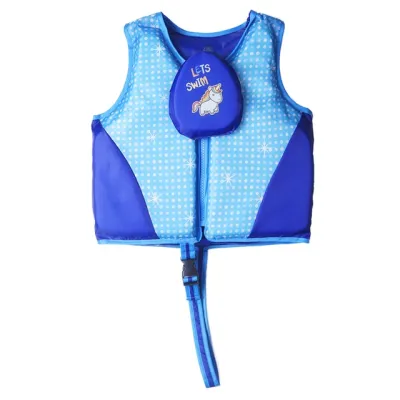
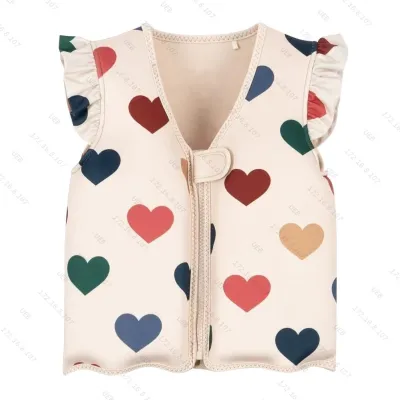
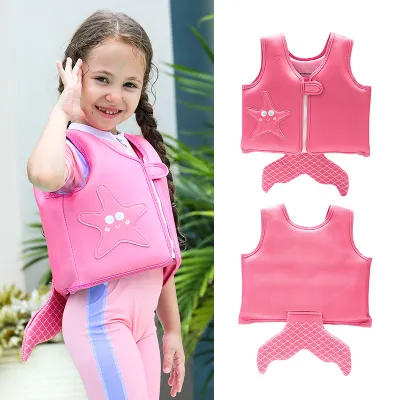
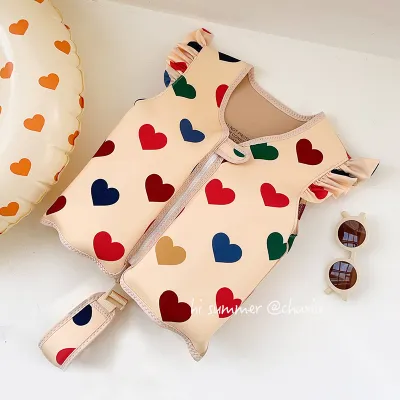
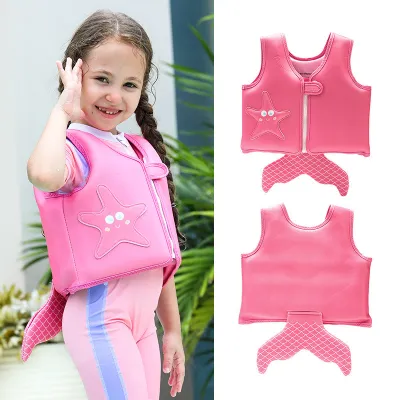
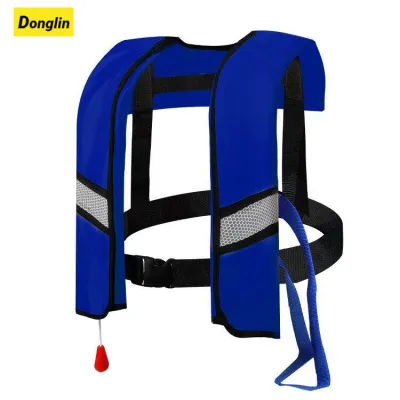
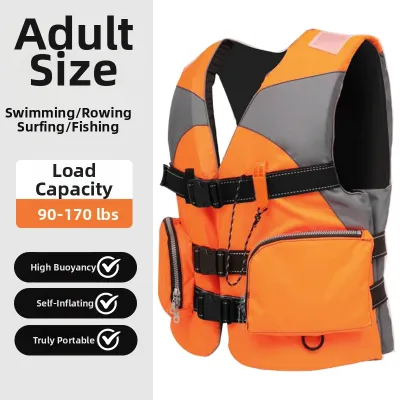
Prices are valid at publication and may change. Please refer to the product page for the latest price.
In contrast, a life jacket is a highly regulated life-saving device. It is engineered with concentrated buoyancy, often around the chest and neck, to automatically turn an unconscious person face-up in the water, keeping their airway clear. Life jackets are essential for high-risk environments where rescue may not be immediate or where the wearer might become incapacitated.
Using a standard swimming vest in place of a life jacket during high-speed or open-water activities, such as kayaking, jet skiing, or boating, presents severe dangers. In rough coastal waters or strong currents, a simple buoyancy aid cannot offer the level of protection needed to prevent drowning.
The fundamental rule of using a swimming vest is that it requires active swimming effort and constant, uninterrupted supervision. It should never be treated as a substitute for swimming skills or professional safety gear in open water.
Choosing a Swimming Vest for Kids and Beginners
Selecting a swimming vest for children and beginner swimmers requires a focus on security, correct sizing, and freedom of movement. When browsing options at local sporting goods stores or online marketplaces, look for vests equipped with adjustable straps, secure buckles, and a dedicated crotch strap. The crotch strap is a vital safety feature that prevents the vest from riding up over the child’s chin and face when they enter the water.

Sizing should always be determined by the manufacturer’s specific weight and chest size limits rather than general age ranges. Children of the same age can vary significantly in body shape and density, making age-based guidelines unreliable. A vest that is too large will allow the child to slip downward, while a vest that is too tight will cause chafing and restrict breathing.
For children learning basic strokes, prioritize streamlined designs that allow free arm and shoulder movement. Vests with bulky foam around the shoulders can hinder proper arm rotation, making it difficult for beginners to practice paddling or kicking. Look for cutaway armholes that encourage a natural swimming posture.
Regardless of how secure or buoyant a swimming vest appears, it never replaces the need for constant, touch-distance adult supervision. Parents and guardians must remain within arm’s reach of young beginners at all times, as flotation aids can sometimes give a false sense of security.
Selecting Buoyancy Aids for Adult Swimming Lessons
Adults learning to swim or looking to build confidence in deeper water require buoyancy aids that offer support without compromising their dignity or technique. For adult swimming lessons, focus on low-profile, streamlined designs that do not restrict breathing, neck movement, or shoulder rotation. Bulky vests can alter your center of gravity, making it harder to practice horizontal body alignment in the water.
Evaluate the level of buoyancy you need based on your current water confidence and body composition. Individuals with higher muscle density or lower body fat naturally sink more easily and may require a vest with slightly more buoyancy. Conversely, those who simply need a bit of reassurance while perfecting their strokes can opt for ultra-slim neoprene vests.
Given Singapore’s warm, humid climate and the high chlorine content of local pools, material selection is highly important. Check for durable, quick-drying, and chafe-resistant materials such as high-grade neoprene or polyester blends. These fabrics resist chlorine degradation and dry quickly between weekly lessons, preventing the buildup of mold or unpleasant odors.
Ensure the vest fits snugly around your torso without shifting when you perform kicking or stroking motions. A proper fit should feel like a firm hug; if the vest twists or slides upward when you raise your arms, it is too loose and will interfere with your learning process.
Gear for Water Sports: When to Upgrade to a Life Jacket
Standard swimming vests designed for pool use are entirely insufficient for active water sports. Activities such as kayaking, wakeboarding, stand-up paddleboarding, and jet skiing expose participants to higher speeds, deeper waters, and unpredictable currents. For these pursuits, you must upgrade to a dedicated life jacket or a specialized impact vest.
Water sports gear is built to withstand high-velocity impacts and rough handling. Look for features such as impact-resistant foam, heavy-duty buckles, reinforced seams, and durable outer shells made of ripstop nylon or heavy neoprene. These materials protect the torso from impact against water surfaces or equipment while maintaining reliable buoyancy.
Before purchasing or renting gear, check the product tag for intended use specifications and relevant safety standard labels. Legitimate safety gear will clearly state the weight limits, buoyancy ratings, and the specific water conditions for which it is approved. Avoid using generic fashion vests that lack these official specifications.
Always consult your activity operator, local maritime regulations, or manufacturer guidelines for specific gear requirements before participating in water sports. Many organized excursions and rental facilities in Singapore have strict rules regarding the exact type of personal flotation device (PFD) you must wear to be permitted on the water.
How to Verify the Fit and Safety Features
Before every pool session or water outing, you must perform a thorough safety check to ensure the swimming vest is fit for use. Start by putting the vest on, securing all fasteners, and performing the “lift test.” Have a partner pull up firmly on the shoulder straps of the vest; if the vest slides up past your chin or ears, tighten the straps or try a smaller size.
Next, conduct a physical inspection of the vest’s structural integrity. Examine all seams, buckles, zippers, and adjustment straps for signs of wear, tearing, fraying, or cracking. A damaged buckle or a split seam can fail under the pressure of water entry, rendering the vest useless in an emergency.
You must also verify that the internal buoyancy foam remains intact. Feel the foam panels to ensure they have not become waterlogged, hardened, or permanently compressed. Over time, exposure to heat, chlorine, and sunlight can degrade the foam, significantly reducing its ability to keep you afloat.
Establish a strict rule to stop using the vest immediately if you discover any damage, severe color fading, or fit issues. Do not attempt to repair structural seams or replace buckles yourself; instead, consult the manufacturer or replace the gear to ensure your safety in the water.
Frequently Asked Questions (FAQ)
Can my child wear a swimming vest in the ocean?
No, a standard swimming vest designed for pool use is not safe for ocean swimming. Ocean environments present unpredictable currents, sudden waves, and changing weather conditions that can easily overwhelm a basic buoyancy aid. Because swimming vests are not life-saving devices, they cannot guarantee safety in open water. For coastal activities, always check local beach safety flags, consult lifeguards, and use approved life jackets appropriate for open-water conditions.
How should I clean and store a swimming vest?
To prolong the lifespan of your swimming vest, rinse it thoroughly with clean, fresh water after every use to remove chlorine, salt, and sand. Hang the vest to air dry in a shaded, well-ventilated area, keeping it away from direct sunlight, which can degrade the fabric and foam. Once completely dry, store the vest flat or hanging in a cool, dry closet; avoid compressing it under heavy gear, as this can permanently damage the internal buoyancy foam.
Community discussion
Share your experience or ask a question. Comments are reviewed before publication.